

Captain James Wallace’s Tumultuous June 1775 in Narragansett Bay

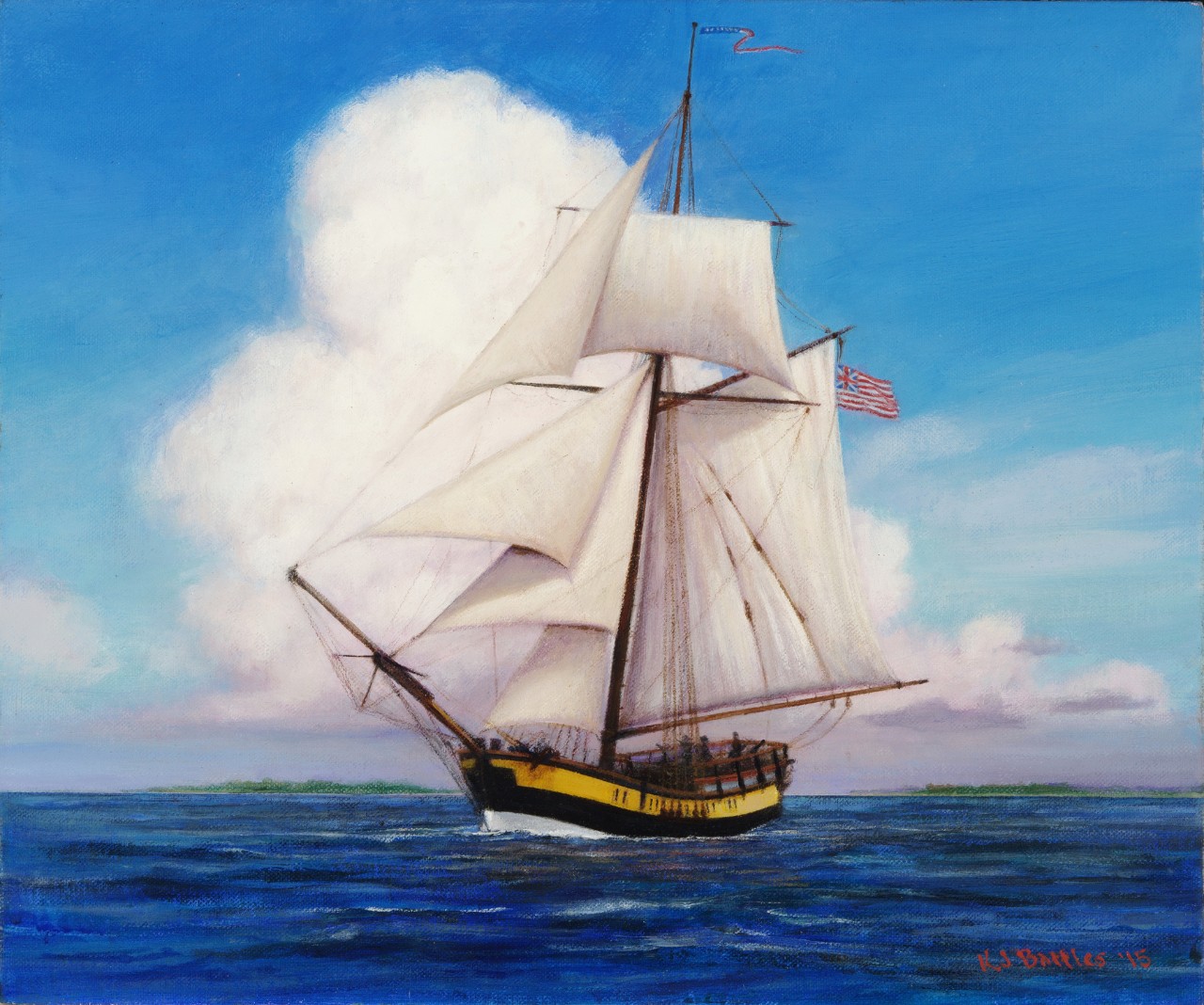
Katy in her later service as the Continental Navy ship Providence. “Sloop Providence under Sail by Kristopher Battles” (Naval History and Heritage Command)

Since his brief visit in November 1774 and his longer term stay commencing in December, Captain James Wallace of the British ship Rose (20 guns), had patrolled Narragansett Bay to enforce the Coercive Acts and prevent Britain’s rebellious colonies from importing gunpowder and armaments.  Loyalists had taken heart and rebels had been frustrated with his presence.   Not only were his patrols interfering with local commerce by seizing ships and their cargos—his main mission—but he created a more visible symbol of Britain’s ability and willingness to force its colonists to comply with Parliament’s laws.  

                One of the loyalists encouraged by the Royal Navy presence in Narragansett Bay was a Newport merchant named George Rome.  Wallace had visited Rome and was dining with him when a breathless messenger warned the captain that a mob was out to tar and feather him back in December, 1774.  In the moment, nothing came of it, but Governor Joseph Wanton warned Wallace that the town was not safe for British officers, sailors, or loyal subjects.  Things remained at a low simmer that winter and spring, including the initial weeks after the Lexington and Concord.  Tensions, however, could not help but rise.  Diarist Ezra Stiles, recorded on May 23 that some 90 Rhode Island soldiers under the command of Captains [John] Topham and [Thomas] Tew marched from the Newport courthouse and through town beating up volunteers to join the nascent American Army.  Wallace was dining in town that day and no doubt heard the racket.[1]  Stiles wrote, “The Tories were greatly mortified to see the daring Boldness of the Rebels as they called them.   The Tories had said that the Men o’War would fire the To[wn] if any Soldiers were raised in it.  But there was no Molestation.”  From Stiles’ version of events, the march appears as nothing less than a provocation to determine whether the rumored threat of Wallace and his ships to Newport proper was a bluff.  The lack of an immediate response may have demonstrated that it was.  In truth, a significant portion of Newport’s population opposed the rebels and voluntarily supplied Wallace and contracted for grain to provide to the British army.

Continue reading “Captain James Wallace’s Tumultuous June 1775 in Narragansett Bay”
Captain James Wallace, R.N., Faces Rebellion in 1775

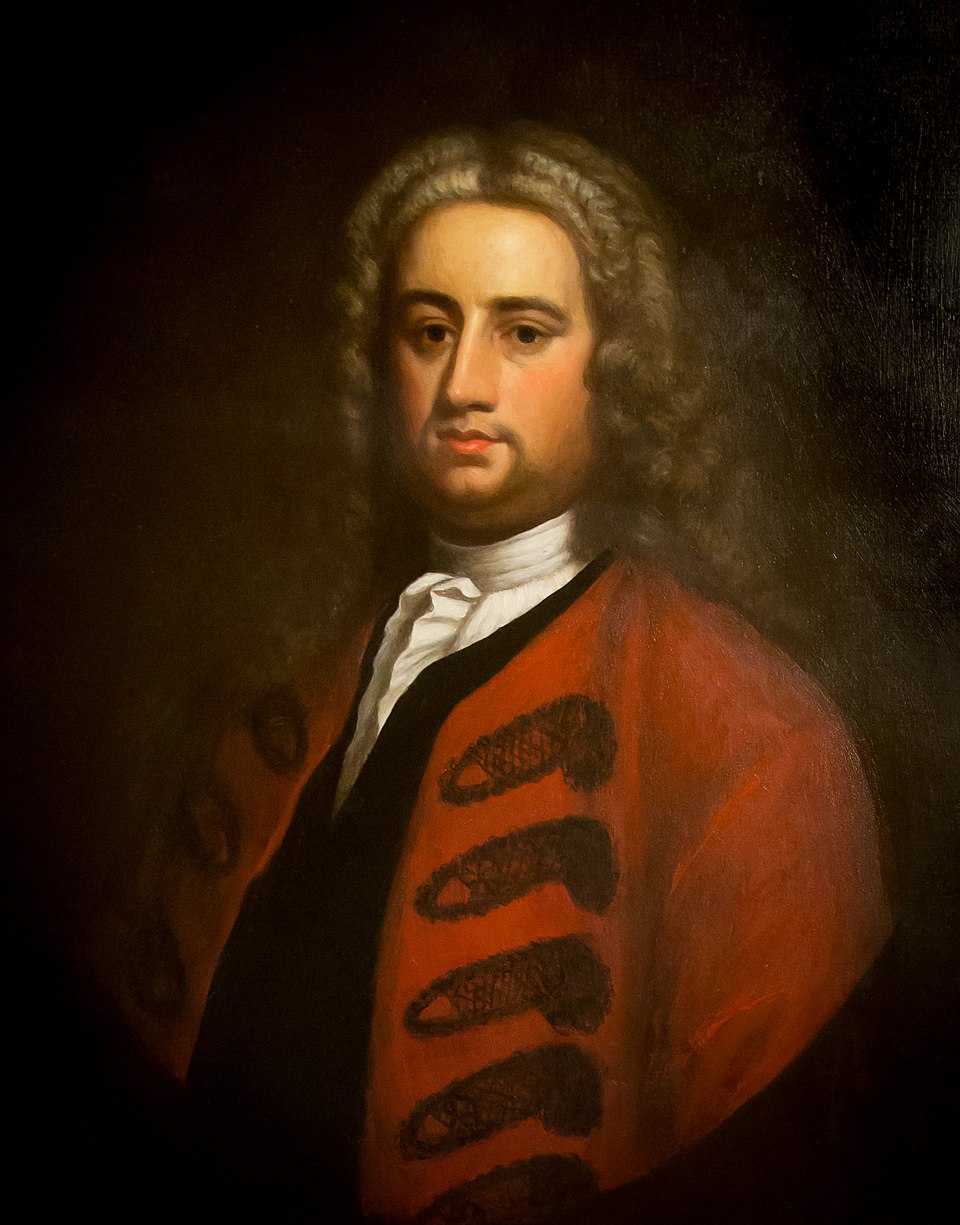
RI Governor Joseph Wanton (Wikimedia Commons)

James Wallace of the Royal Navy commanded the twenty-gun Rose and arrived in Narragansett Bay on November 5, 1774.  Over the next six months, it served as a base to maintain his ship and operate in the waters off Connecticut and Rhode Island to enforce the Coercive Acts passed earlier that year and prevent the colonies from importing guns, gunpowder, or other armaments.  The Rhode Island Assembly took advantage of Wallace’s brief absence in December to remove most of the armaments from Fort George, which protected Newport, and take them to Providence, ostensibly to defend the colony from Canadians and Native Americans.  Of course, they were also farther from British reach.  The governor was explicit with Captain Wallace about the motivation: “they had done it to prevent their falling into the hands of the King, or any of his servants; and that they meant to make use of them, to defend themselves against any power that shall offer to molest them.”[i]  Wallace sensed rebellion in the air and promptly asked the governor, Joseph Wanton, whether he [Wallace] might expect assistance in carrying out the king’s policies in Rhode Island.  The answer was a swift “no.”  

Nevertheless, Wallace remained ashore, as officers and seamen did when a ship was in port.  As if to confirm local sensibilities, Wallace heard that a mob threatened to seize, tar, and feather him while he dined ashore.  He quickly ordered his pinnace and cutter—boats from the Rose—to be manned and summoned men to his temporary quarters.  He waited six hours, but no mob appeared.  Not wanting to over-react to rumors, he again wrote the governor to ask about the rumored mob and determine whether Wanton would use his powers in Wallace’s defense.  Wanton declined to respond in writing, but assured Wallace’s messenger that “they,” meaning the men assembled on the streets, did not intend to insult Wallace. Instead, Wanton himself feared local rebels might assault him and the town.  He gave the messenger, and by extension Wallace, the impression that Newport was not safe for the King’s subjects, including the ships, officers, and crew of the Royal Navy.[ii] It was unwelcome news for the naval officer, as Vice Admiral Samuel Graves, commanding the North American Station, expected Wallace and Rose to winter over in the bay.  

Continue reading “Captain James Wallace, R.N., Faces Rebellion in 1775”