

Emerging Revolutionary War welcomes back guest historian Eric Wiser
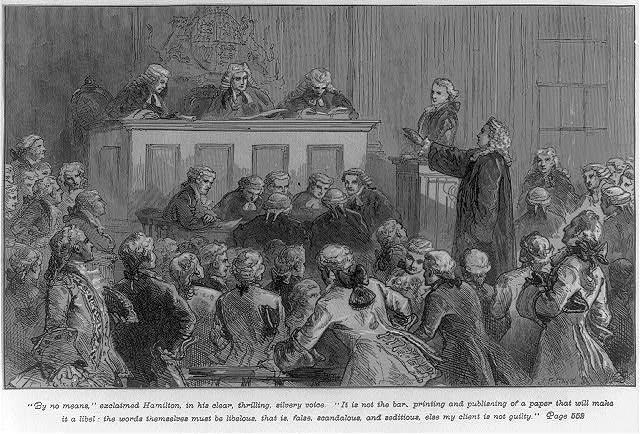
On August 4, 1735 printer John Peter Zenger was acquitted of seditious libel in a dramatic trial before a crowded courtroom in New York’s City Hall. Zenger languished nine months in jail before his acquittal for “printing and publishing a false, scandalous and seditious libel, in which His Excellency the Governor of this Province, who is the King’s immediate representative…” Zenger’s odds were long given New York Supreme Court’s disbarment of his original attorneys in the pre-trial stage. Aggrieved Royal Gov. William Cosby had a legitimate claim under English Common Law that he was seditiously libeled.[1]
Zenger’s fame as an early martyr of freedom of the press is well known. In terms of America’s founding, it’s difficult to imagine independence without the dissemination of ideas through pamphlets and newspapers. Benjamin Franklin, a printer himself whose own brother James was imprisoned by authorities in Massachusetts a decade before Zenger, commented on freedom of the press: “This sacred Privilege is so essential to free Governments, that the Security of Property, and the Freedom of Speech always go together; and in those wretched Countries where a Man cannot call his Tongue his own, he can scarce call any Thing else his own.”[2]
Despite being thirty-years before the Stamp Act of 1765, the Zenger trial and political conditions surrounding it have seedlings sprouting growth in the Revolution. The substance of these can be traced to the colonial grievances inspired by acts of Parliament which in turn became articulated in the Declaration of Independence. Factionalism between supporters of Crown representatives and those opposed was present in the Zenger episode in nascent form. The rhetoric expressed by Zenger’s attorneys is indistinguishable from the much of the lofty language in the Revolution less “independence.”
Continue reading “The Zenger Trial and Seeds of The American Revolution”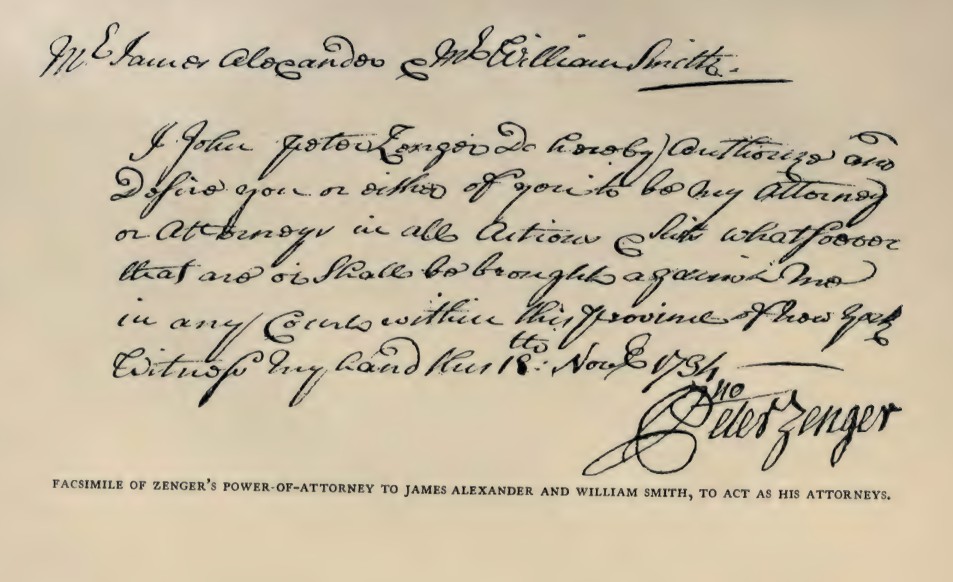


 Emerging Revolutionary War Era