

The American Revolution on the frontier produced its share of stories and legends. In many ways, the heroes in those tales were more relatable than the men who led the war east of the Appalachians. They were not land-owning generals like George Washington, political organizers like Sam Adams, world-renowned scientists like Benjamin Franklin, inspiring speakers like Patrick Henry, or political philosophers like Thomas Jefferson. Instead, they were farmers turned amateur soldiers, trappers and hunters turned scouts, family men turned avenging marauders. In at least one case, even a quasi-fugitive from the law could become a symbol of protection and security.
By the 19th century, names like Daniel Boone, Simon Kenton, Ebenezer Zane, Lewis Wetzel, Issac Shelby, and Samuel Brady were known to every schoolboy west of the Appalachians. Some of their reputations faded with time as the frontier moved west onto the Great Plains and into the Rocky Mountains. Still, the stories remained, mostly to sit in in aging volumes on a library bookshelf, but occasionally to be dusted off for works of historical fiction. Like most stories, they occasionally morphed and evolved over time in the retelling. Sometimes they hold up quite well on close examination and can be verified.
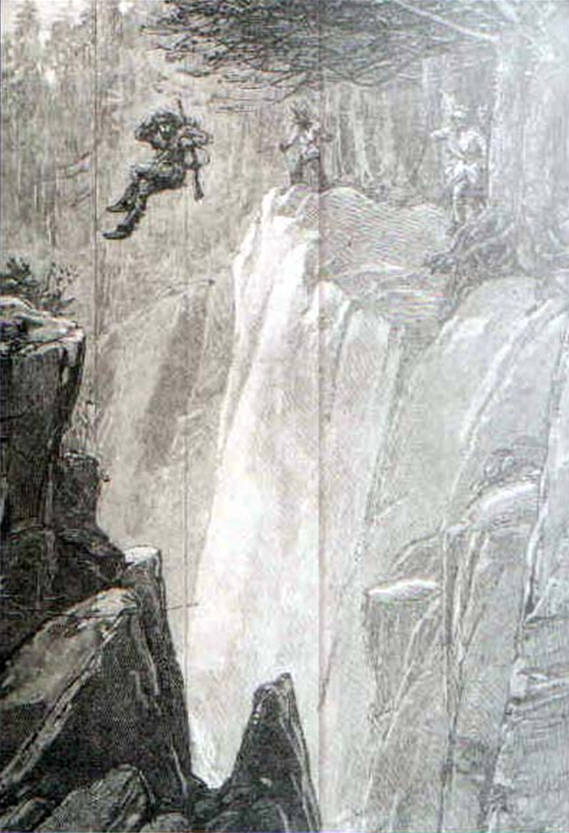
Sometimes a little more skepticism may be in order. Samuel Brady’s leap over a river is one such story. There are two versions of the story. In one he leaped to the opposite side of a rocky Cuyahoga River chasm. In the other, he leaped entirely across a deep ravine through which Slippery Rock Creek ran.
Continue reading “When the Legend Becomes Fact: Brady’s Leap?” Emerging Revolutionary War Era