

Few areas have such a concentration of Revolutionary War history, and natural beauty, as New York’s Hudson Highlands. Just twenty miles above the upper reaches of New York City, a traveler enters a different world, one of rugged mountains, spectacular views, and the mighty Hudson River.
The Hudson Highlands were a key area during the Revolution, linking New England to the rest of the states. Supplies, troops, and information flowed through here throughout the conflict. Both sides endeavored to control it. Journeying north a traveler finds several important historic sites from the Revolution.
On the east side of the Hudson is Tarrytown, where British Major John Andre was captured in 1780. Today a monument and marker notes the spot. Andre was Benedict Arnold’s point of contact for his attempt to turn West Point over to the British. Andre was hung not too far away on the west side of the river in the village of Tappan, where another monument notes the site. By the way, Tarrytown is also the location of the Old Dutch Church and cemetery at Sleepy Hollow.

One of the most impressive and improbable American victories of the war occurred at Stony Point on July 16 1779. British troops had occupied this rocky peninsula that juts out into the Hudson River, fortifying it with abatis. Secure on three sides by water, and with supporting warships nearby, it was thought to be impregnable.
General Anthony Wayne found a way, however, to take the post. Advancing in three columns, one of which was to distract the defenders, the other two stormed the flanks. Attacking early in the morning, with white paper in their hats for identification, the Americans overwhelmed the defenders, and by 1 a.m. it was all over. The British lost twenty-two killed ad the rest of the garrison was taken prisoner. American losses were just 15. For his bravery Congress awarded Wayne a gold medal, one of only seven that they issued during the war.
A bit farther north are the sites of Forts Clinton and Montgomery, both now in ruins but accessible. In October, 1777, British General Henry Clinton ascended the river from New York City to assist Geneal john Burgoyne’s forces at Saratoga.
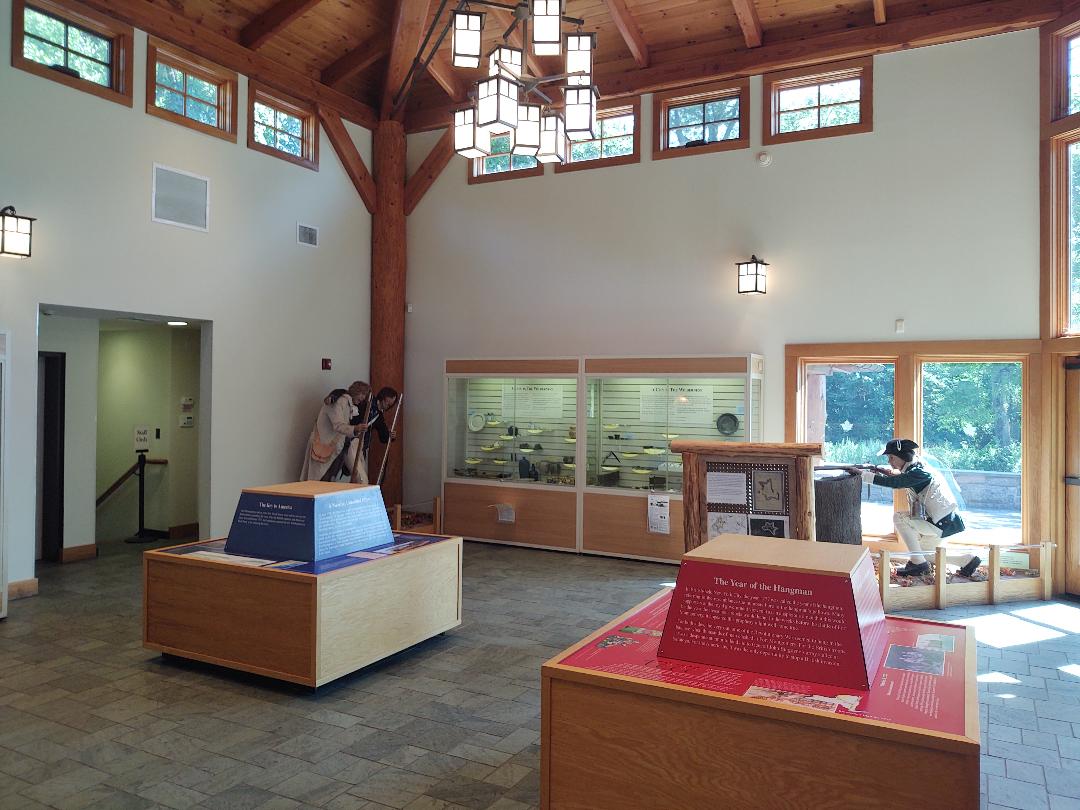
With the help of local civilians, the British and Loyalist forces attacked Forts Clinton and Montgomery from the rear, where they were vulnerable. Fort Montgomery is a historic site today with an outstanding museum and visitors can wander the ruins of the fort and take in commanding views of the Hudson River. Fort Clinton is marked by historic markers in Bear Mountain State Park.
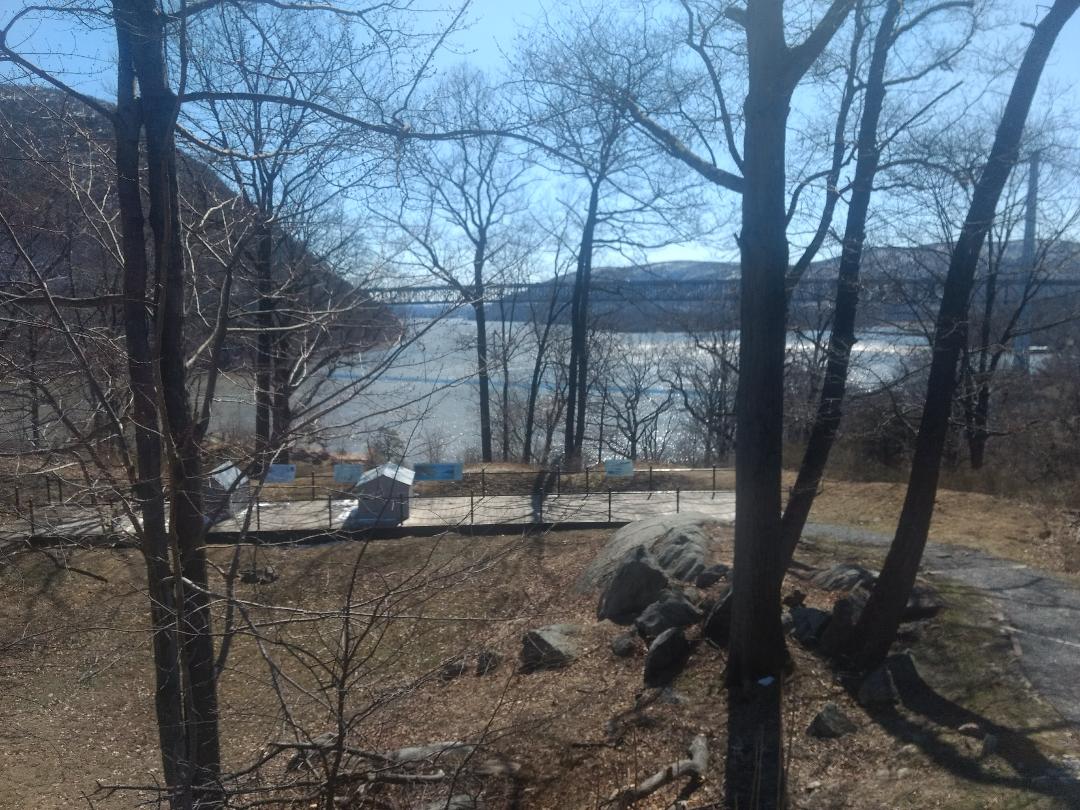
Farther north, West Point was a strategic spot along the Hudson, fortified long before it became a military academy in 1802. Continental troops had built fortifications at Fort Putnam, overlooking the river, as well as at Constitution Island in the river.
This was also the site of the Great Chain, which was actually a series of iron chains stretched across the river to block access to British warships. Today West Point has a museum, fortifications to visit, and Trophy Point, which displays pieces of the Great Chain and captured cannons from various periods of American Military History. Clinton’s forces occupied the post before moving on the Kingston, where the state’s government was meeting.
That April the government had ratified the New York State Constitution in Kingston, and on July 30 George Clinton was inaugurated as the first Governor of New York. The Senate was meeting here and evacuated before British General Clinton’s troops arrived. Today this history is preserved at the Senate House State Historic Site.
Above West Point is Newburg, where the Continental Army camped in 1782-83. Not as well known as Valley Forge or Morristown, this was a major encampment with about 8,000 troops. The army built about 600 log huts, and while waiting for news of the Treaty of Paris, drilled and trained in case the war continued.
It was here that General Washington confronted a potential mutiny, with officers complaining about back pay, pensions and land bounties. He diffused the situation, a serious threat to the army and the nation itself. On April 19, 1783, the army received the news of the cease fire.
Today visitors can tour three separate sites related to the encampment: Washington’s Headquarters, New Windsor Cantonment, and Knox’s Headquarters. In addition is the National Purple Heart Hall of Honor at the New Windsor museum. Washington established the Badge of Merit, a purple cloth badge to honor bravery. The medal was revived in 1932 as the Purple Heart.
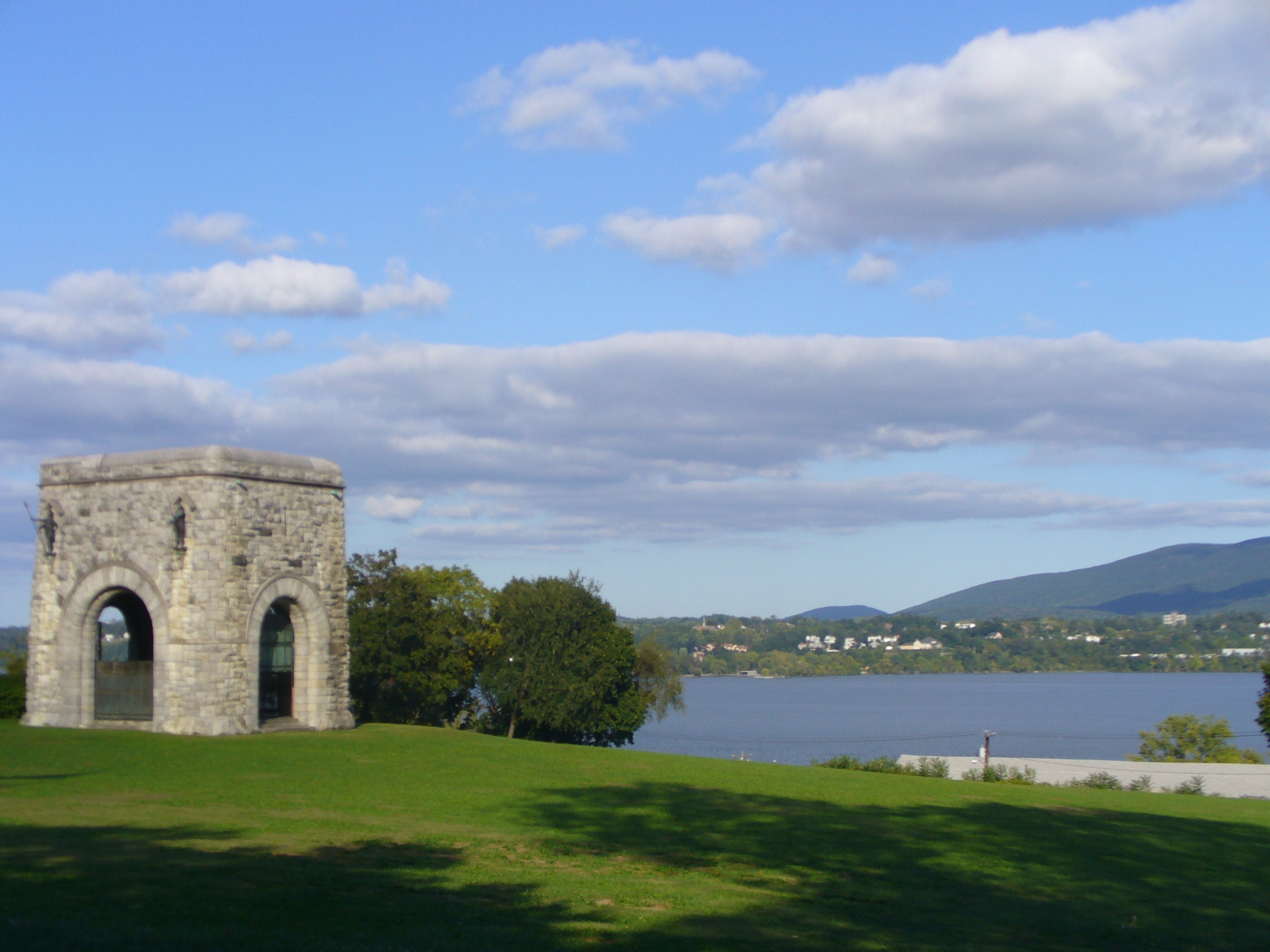
These are just the highlights of the region, there are many other historic sites, markers, monuments, and buildings to visit. Along the way, travelers will learn about many important aspects of the war, including naval history, engineering, Loyalists, politics, logistics, and more.
 Emerging Revolutionary War Era
Hudson Valley… keep in mind most of MODERN OCNY was Ulster County during RevWar. Stay tuned for OCNY Semiquincentennial Commission.
LikeLike
Thank you. I look forward to seeing what you have planned for the 250th!
LikeLike
Thanks Bert. another good article!
LikeLiked by 1 person
Thank you Kip! Hope all is well with you!
LikeLike