Join us this Washington’s Birthday (Observed) weekend on Sunday, February 16 at 7 p.m. EST on our Facebook page as we sit down with the curatorial staff of the National Museum of the United States Army to discuss the upcoming new special exhibition to commemorate the U.S. Army’s 250th birthday in 2025, and our nation’s declaration of independence in 2026. This new landmark exhibit will include a rare collection of Revolutionary War artifacts from the original colonies, England, France and Canada, accompanied by Soldier stories of our nation’s first veterans. Check out this preview: https://www.youtube.com/watch?v=4vNXR3XWw9I
Can’t join us on Sunday? Check out the discussion later on our YouTube page or listen to the audio on our podcast! Emerging Revolutionary War is your home for America’s 250th!
Join us on Sunday evening as we welcome historian and author Gary Ecelbarger to discuss his new two volume study of George Washington between July 4, 1777 and July 4, 1778. During this momentous year, Washington faced the British army at major engagements at Brandywine, Germantown, and Monmouth. He also spent the winter at Valley Forge. Ecelbarger breaks down this year into two volumes. The first volume, which covers the July to December of 1777 is available now.
This will be pre-recorded and posted to the Emerging Revolutionary War Facebook page: https://www.facebook.com/emergingrevwar at 7 p.m. on Sunday, December 22.
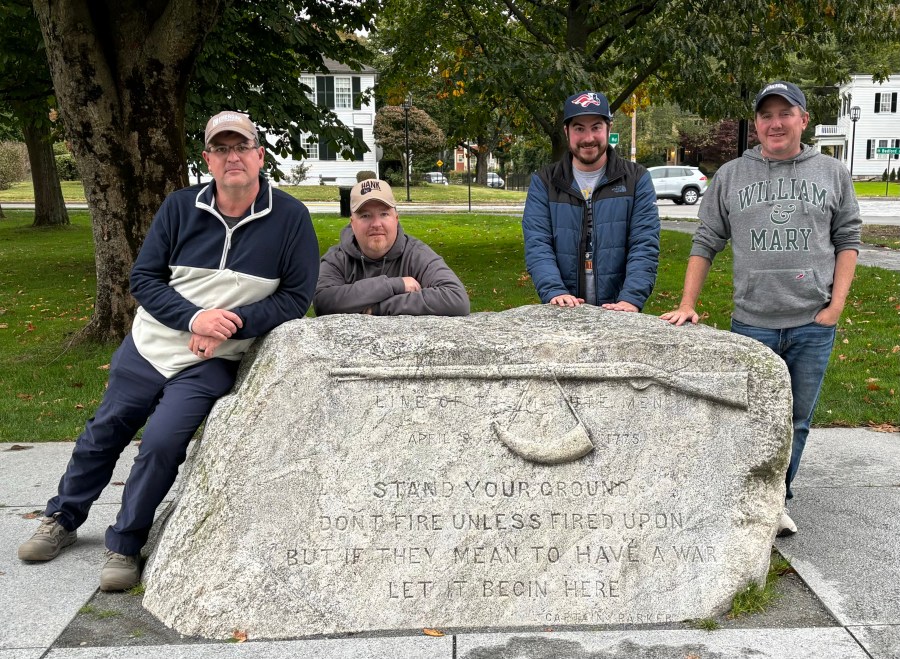
Last weekend, Emerging Revolutionary War wrapped up our fourth annual bus tour. Our previous tours covered Trenton, Princeton, Monmouth, Valley Forge, and Charleston. This year we went to where the whole war started: Lexington and Concord on the eve of the 250th anniversary of the battles. We had a jam-packed weekend with a fully sold out 56 passenger bus. As most places close down in November in Massachusetts, we chose to move this year’s tour from our usual Veterans Day weekend, to Columbus Day weekend. Here is a brief overview of how the weekend went:
On August 30, 1774, two Virginians arrived by carriage at George Washington’s home, Mount Vernon. It was Patrick Henry and Edmund Pendleton. Henry and Pendleton planned to spend the night at Mount Vernon and on the morning of August 31, 1774 they would depart with Washington to go to Philadelphia and attend the First Continental Congress. These three Virginians would be joined in Philadelphia by Richard Henry Lee, Peyton Randolph, Benjamin Harrison, and Richard Bland to form the Virginia delegation at the congress. This was the first time delegates from twelve of the American colonies met in the lead up to the Revolutionary War.
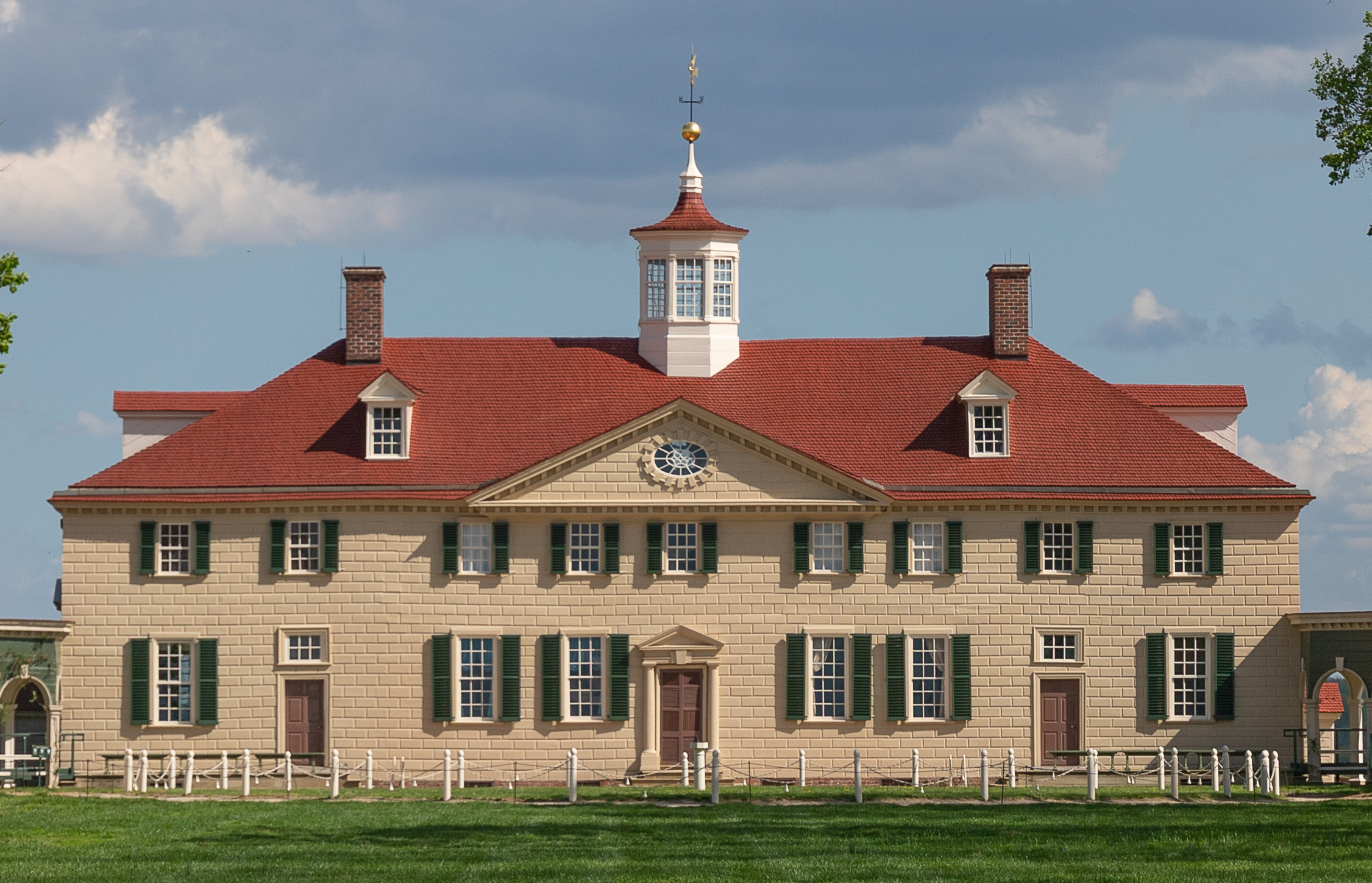
The west front of the mansion at Mount Vernon. From the doorway here, Martha Washington bid farewell to her husband on August 31, 1774. (Wikimedia)
They had no idea what this congress would lead to. For the first time, men from colonies as far north as New Hampshire and far south as South Carolina would be meeting. The disparate colonies were coming together in response to the British Parliament’s harsh measures levied earlier that year.
As the three Virginians left Mount Vernon on August 31, Edmund Pendleton remembered how Martha Washington bid them goodbye. She had no idea that the events that would follow would result in her husband being gone from Mount Vernon for nearly eight years.
Pendleton wrote: “I was most pleased with Mrs. Washington and her spirit. She seemed ready to make any sacrifice and was cheerful though I knew she felt anxious. She talked like a Spartan mother to her son going to battle. ‘I hope you will stand firm – I know George will,’ she said. The dear little woman was busy from morning to night in domestic duties, but she gave us much time in conversation and affording us entertainment. When we set off in the morning, she stood in the door and cheered us with the good words, ‘God be with you gentlemen.’”
Make sure to follow Emerging Revolutionary War on Facebook as we attend events to mark the 250th anniversary of the First Continental Congress next weekend in Philadelphia. We will be doing videos throughout the weekend and will post them later to our YouTube channel.
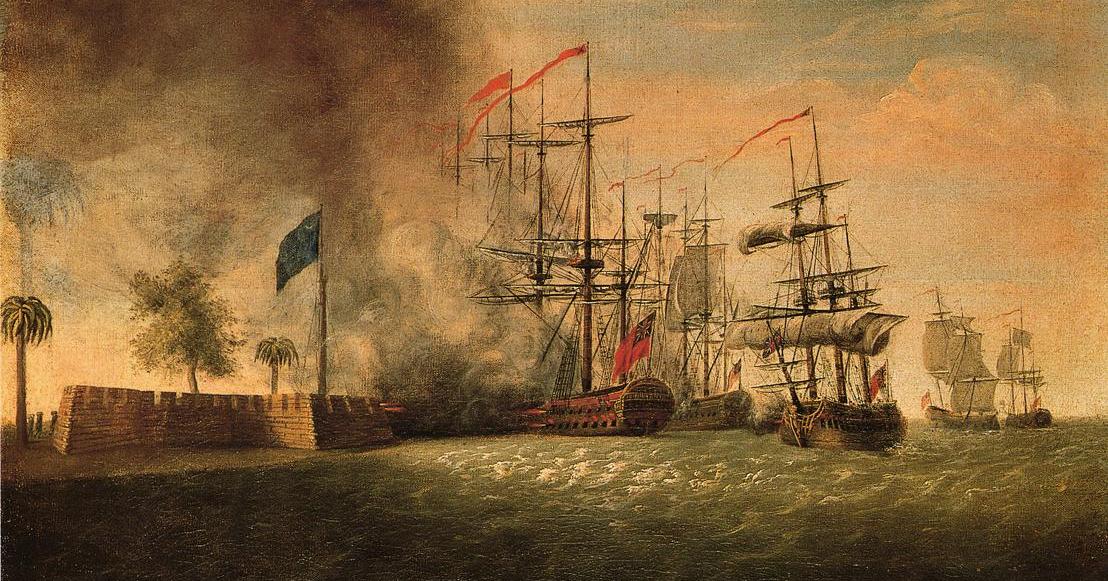
On June 28, 1776, nine British warships under the command of Sir Peter Parker weighed anchor and began moving toward Sullivan’s Island outside of Charleston, South Carolina. Col. William Moultrie, commanding the 2nd South Carolina Regiment in an unfinished palmetto log fort, ordered his men to their posts to prepare for a defense. The first four British ships moved into position and anchored 400 yards from the fort. In an amazing display of British firepower, the British ships began to fire broadsides, simultaneously firing all the cannon from one side of the ship. The broadsides were deafening as hundreds of British cannonballs screeched through the air and slammed into the palmetto walls of the fort. Local newspapers later described the cannonade as “one of the most heavy and incessant cannonades perhaps ever known.”
As the walls of the fort shook violently, Moultrie’s men coolly manned their cannon and returned the fire as best they could. A continuous roar of cannon fire from hundreds of artillery pieces belched forth, quickly filling the harbor with the sight of white smoke and the smell of burning sulfur. The crash of the cannonballs mixed with the screams of wounded men filled the air.
As the British cannon boomed away, their solid shot hit the walls of the palmetto fort. But the soft, spongy wood of the palmetto (and the 16 feet of sand behind them) absorbed the shock and the balls either buried themselves into the wall or bounced off and fell harmlessly to the ground. Meanwhile, the British ships endured terrible damage from the American shore batteries. American cannonballs smashed into the oak of the British ships, causing havoc and bloodshed.
Join Emerging Revolutionary War this Sunday evening at 7 p.m. ET on our Facebook page as we sit down for a pre-recorded discussion with historian and author Mike Cecere and his daughter, Jennifer Cecere to discuss their new historical fiction books centered on the Revolutionary War. “Witness to Revolution” focuses on the lives of children growing up in Williamsburg, Virginia during the beginning part of the Revolution. Their recently released second book, “Witness to War” follows the characters through the tumultuous war.
We discuss the importance of historical fiction, the differences between writing non fiction and historical fiction, and the challenges and opportunities getting the next generation interested in the Revolutionary War. Grab a drink and join us for a great discussion!
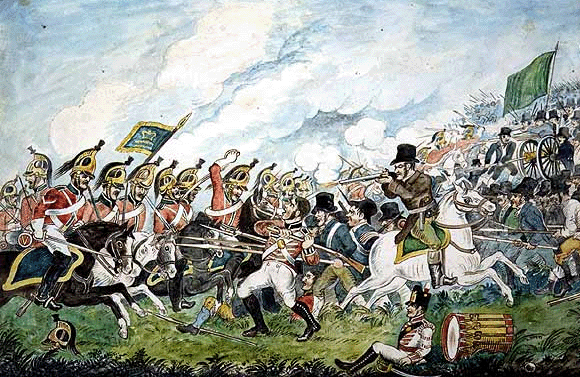
Join Emerging Revolutionary War historians Mark Maloy, Rob Orrison, and Mark Wilcox on this Sunday, March 17 at 7 p.m. on our Facebook page for a pre-recorded revelry as we discuss the Irish in the American Revolution. We’ll talk about the Irish who fought with Washington’s army (such as Colonel John Fitzgerald), those who fought with the British, and how the events in American ultimately spilled over into Ireland (the Irish Rebellion of 1798) and how we have come to remember the role of the Irish in the Revolution. Happy St. Patrick’s Day (and Evacuation Day)!
Can’t make it on St. Patrick’s Day because you’ll be celebrating? No problem, the episode will be up on our YouTube page later this week and available on our audio podcast. While there, check out our hundreds of Rev War Revelries and other videos!
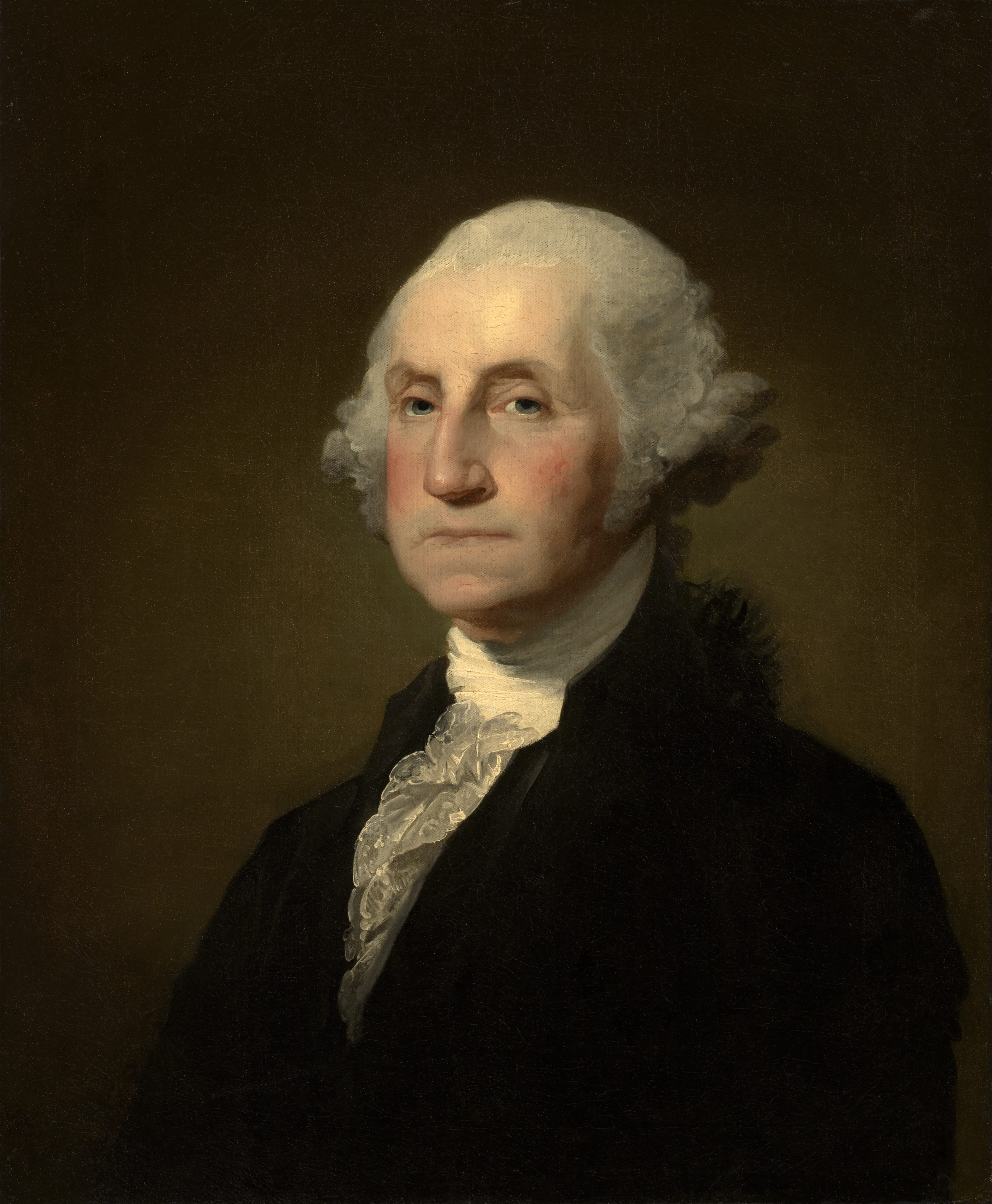
Today we celebrate George Washington’s Birthday. You read that correctly. While most people refer to this Monday holiday as ‘Presidents Day’, the federal holiday (and many state holidays) only celebrates one President of the United States: George Washington.
Washington’s birthday celebrations go back to the time when Washington was living. Washington was born on February 11, 1731, but with the changing from the Julian calendar to the Gregorian calendar, it was shifted to February 22, 1732 in 1752. (Check out a video of us visiting the site of Washington’s birth!) While there are no records of how he and his family celebrated the day privately, the first real public celebration of his birthday occurred at Valley Forge in 1778. A fife and drum corps serenaded the commanding general outside his headquarters building at the Potts House during that dreadful winter. Historically, the colonists had celebrated annually the birthday of the King, so it was symbolic for the Continentals to celebrate Washington’s birthday instead during the war.
After becoming President of the United States, large public celebrations of Washington’s birthday occurred across the country including large ones in Philadelphia and New York. These celebrations included the ringing of church bells, feasts, toasts, artillery firings, and fireworks.
With three ships sitting at Griffins Wharf in Boston Harbor laden with tea, the Sons of Liberty were quickly running out of time on December 16, 1773. At the stroke of midnight, twenty days would have past since the first ship arrived in the harbor. At that time, customs officials would seize the cargo, the tax would be paid, and the British government would have been successful in forcing the colonists to pay a tax they did not consent to. The British would have demonstrated their power over the colonists. The colonists’ rights as Englishmen were at stake. Whereas the tea cosignees had resigned in New York and Philadelphia, the ones in Boston refused to resign and the Governor was refusing to allow the ships to leave the harbor.
On December 16, the leaders of Boston held a meeting they referred to as the “Body of the People.” Because of the large amount of interest in the issue, more than 5,000 people attended this meeting at the Old South Meeting House in Boston (the largest venue in the city). At the meeting was William Rotch, the owner of the ship Dartmouth which was the first ship to enter the harbor and would be the first to be seized by the customs officials on December 17. Rotch wanted to protect his property and see if the Governor would allow him to sail out of the harbor. The meeting recessed to let him go to the Governor outside of Boston and request the ability to leave the Harbor. Governor Hutchinson said he could not allow the Dartmouth to leave. After the meeting had reconvened in the Old South Meeting House, Rotch returned to Boston at about 6 p.m. and told the crowd that the Governor would not let the tea return. This news was responded to with loud cries and shouting.
At that moment, Samuel Adams declared “This meeting can do nothing further to save the country.” After saying this, people heard Indian war whoops coming from the crowd and outside the building. Another person declared “Boston Harbor a teapot this night!” The people then began exiting the building and heading down to Griffins Wharf a few blocks away. Down at the wharf, men (some disguised as Mohawk Indians) began boarding the three ships. Approximately one hundred men boarded the ships and quickly got to work pulling up the large tea chests to the decks and dumping the tea into the cold water below. Crowds gathered and watched the men work for nearly two hours as they methodically worked to destroy all the tea on board the ships.
The men were careful to not destroy any other property except the tea. They also refused to steal any of the tea, punishing anyone who made an attempt. It was low tide and the tea started to pile up out of the water and needed to be mashed down into the water and mud.
British regulars were stationed at nearby Castle William, but they were not called down to the ships out of fear of insitigating a similar event as the Boston Massacre that occurred three years earlier. The British navy, posted in the harbor also made no attempt to stop the destruction. Some Royal Navy sailors watched the events on Griffins Wharf with some trepidation.
Once all 342 chests of tea had been tossed overboard, the destroyers left and the crowd dispersed. In all, they had destroyed 46 tons of tea on the ships.
The event would have major repurcussions as the British determined to repsond to the event with brute force and would ultimately result in the Revolutionary War less than two years later. John Adams wrote: “This Destruction of the Tea is so bold, so daring, so firm, intrepid and inflexible, and it must have so important Consequences, and so lasting, that I cant but consider it as an Epocha in History.”
Learn more about the events happening to commemorate the 250th anniversary of the Boston Tea Party by visiting https://www.december16.org/.
You can learn more about Boston in the Revolutionary War by reading Rob Orrison and Phill Greenwalt’s book A Single Blow, part of the Emerging Revolutionary War book series.
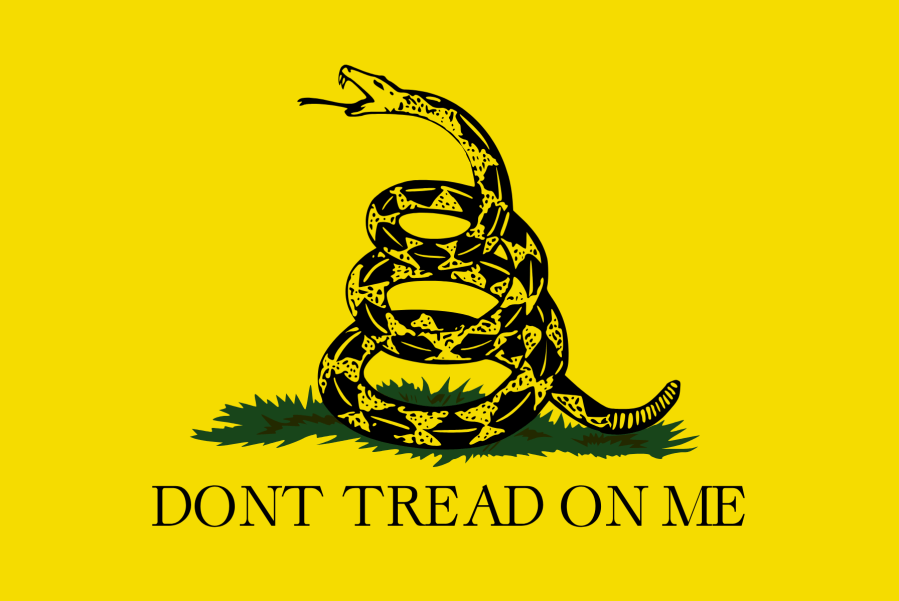
Every so often news stories arise about popular symbols of the American Revolutionary War that are used by various people to promote modern political agendas. One prominent symbol is the yellow flag with a coiled rattlesnake and the words “Don’t Tread on Me” below it. This flag, often referred to as the Gadsden flag, has a fascinating history dating back to the Revolutionary War.
The first real use of the snake representing the colonies begins before the Revolutionary War, during the French and Indian War, when Benjamin Franklin created a cartoon using a snake to represent the various colonies each separated from one another with the words “Join, or Die” under the image. This was an effort to get the various colonies to unite for common defense during that time period.
By the time of the Revolutionary War in 1775, the symbol had become a solitary rattlesnake, coiled and ready to strike often accompanied by the warning “Don’t Tread on Me.” Christopher Gadsden, a prominent South Carolina patriot, served in the Continental Congress and designed the yellow flag as a naval ensign. Beginning in 1776 the flag was hung up in the room where Congress met in Philadelphia and because it was designed by Gadsden, it became known as the Gadsden flag.









 Emerging Revolutionary War Era