

Richard Montgomery: The American Martyr Mourned on Both Sides of the Atlantic Ocean

Continental General Richard Montgomery huddled over his desk outside the walled city of Quebec, clinging to candlelight as he wrote a letter to his wife. Wind howled and snow pelted the Continental forces preparing to attack the city on the St. Lawrence River. “I wish it were well over with all my heart, and I sigh for home like a New Englander,” Montgomery confessed to his wife, Janet. He had come a long way over the last few months—and even farther over the course of his life.
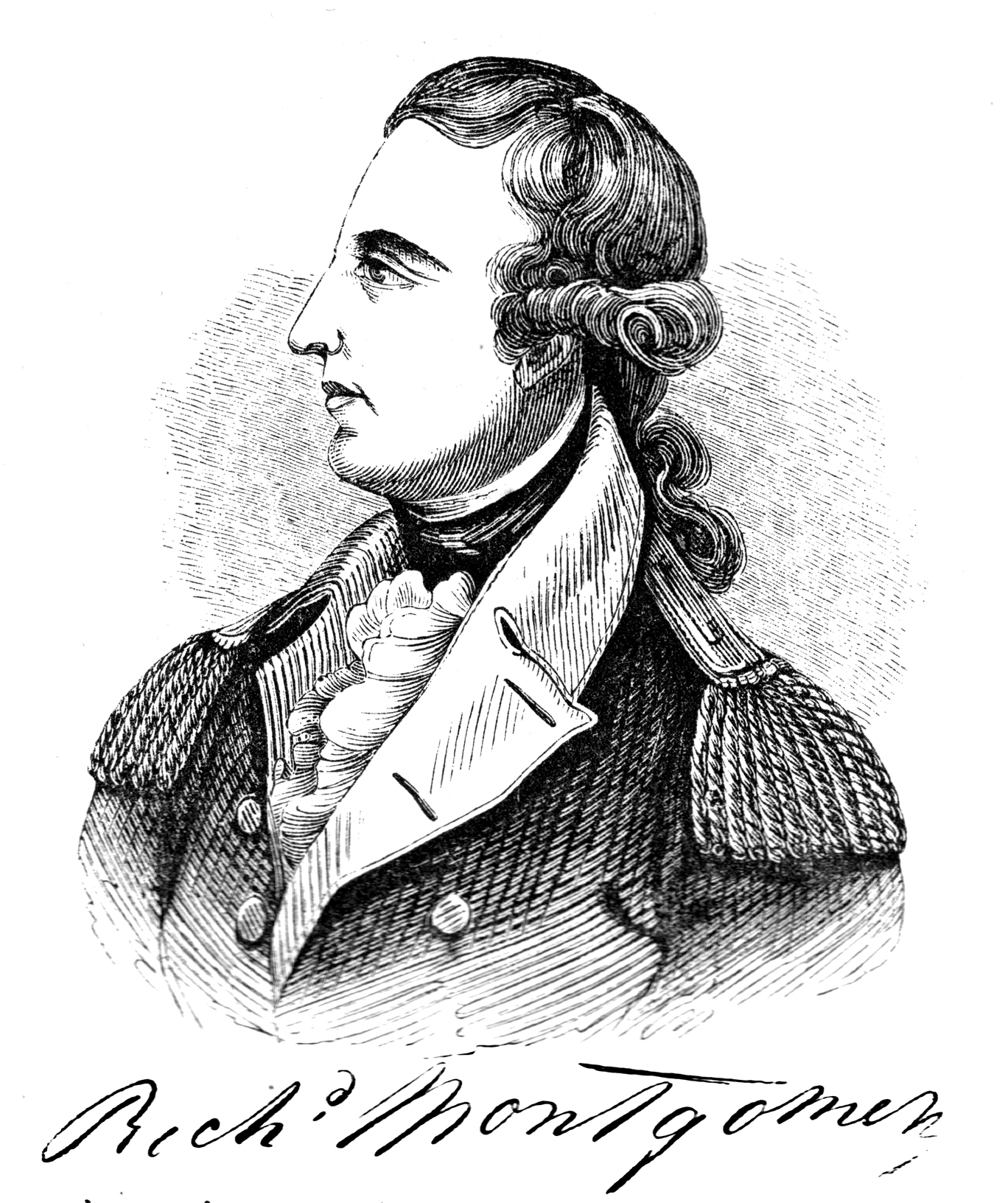
General Richard Montgomery

Like a New Englander, Montgomery wrote. Despite his rank in the Continental Army, he was no New Englander, but an Old Englander. His path to becoming an American hero resembled that of several Revolutionary leaders. Like George Washington, Horatio Gates, and others, Montgomery had served in the British Army during the French and Indian War. His road to an American generalship, however, was far from straightforward. Indeed, he was a latecomer to the American cause.

Continue reading “Richard Montgomery: The American Martyr Mourned on Both Sides of the Atlantic Ocean”
250 Years Ago: The Second Continental Congress Adjourns

On August 2, 1775, the Second Continental Congress wrapped up its summer session 250 years ago. Philadelphia’s heatwave that summer—described as “Very Close & Hot”—was too much for the delegates. “We have sat much longer than expected,” one Congressman grumbled. “We are all exhausted.”

The Congress had been working tirelessly since its session began on May 10, 1775. In just 12 weeks, the body accomplished an impressive list of tasks, many of which escalated the growing tension with Great Britain:

  • Declared a state of military readiness across the colonies
  • Appealed to Canadians for support in the Revolution
  • Raised companies of riflemen in Pennsylvania, Maryland, and Virginia to reinforce the Boston Army
  • Elected George Washington as Commander-in-Chief
  • Appointed four major generals and eight brigadier generals
  • Adopted the Olive Branch Petition in a final effort for peace
  • Released the “Declaration of the Causes and Necessities of Taking Up Arms”
  • Rejected Lord North’s Plan for Reconciliation
  • Established a postal department
  • Appointed commissioners to negotiate peace with Indian tribes

Rather than resting from the sessions of the last 12 weeks, many members of the Second Continental Congress continued to work tirelessly to support the colonies’ efforts against Great Britain. Many returned home to ensure these measures were implemented at the local level. But there was still uncertainty about how King George III would respond to the Olive Branch Petition. Would the King accept the offer of peace? Only time would tell.