

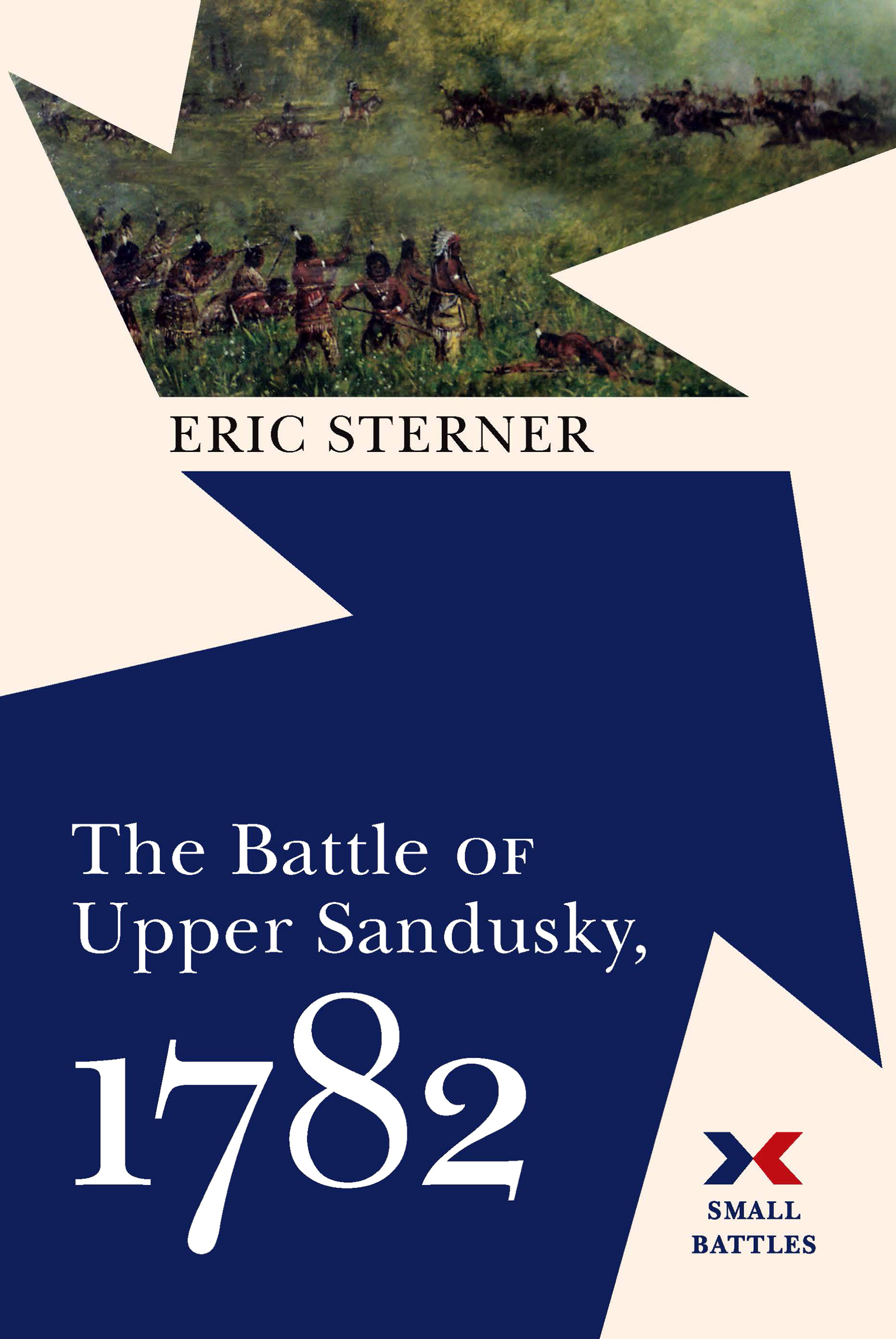
We interact with history at a personal level in many ways. We enjoy careers in the field, read, tour locations, work as living historians (or interact with them), dig through archives, trace our roots, visit museums, or simply stumble across some connection in the course of living our daily lives. But, a fortuitous bit of family history struck on a recent weekend, just shy of the 241st anniversary of a battle.
My wife and oldest daughter spent a Sunday morning with my in-laws to visit and record some family stories and memories. They came back with a box of material. The first document they perused was a 19thcentury application for membership in the Daughters of the American Revolution. I was in a different room and suddenly heard yelling as my wife came to find me. I assumed a snake had gotten into the house or we’d won the lottery without playing. It turned out that the DAR applicant, a direct forebear of both my wife and daughter, was descended from Nicholas Dawson, who had fought in the Crawford Campaign, which happened to be the subject of my second book, The Battle of Upper Sandusky, 1782. (Shameless bit of self-promotion: it just went on sale). Talk about coincidence.
Many volunteer actions on the frontier during the American Revolution lacked troop rosters. But, to stimulate volunteering for the Crawford campaign the county lieutenants for Pennsylvania’s Washington and Westmoreland counties offered to count the time on campaign against a volunteer’s legal militia obligations. So, they created rosters, some of which partially survived. The Pennsylvania Archives published that material. Sure enough, Nicholas Dawson shows up as a miscellaneous volunteer, meaning only that the roster didn’t include his company assignment. The ever-helpful Fold3 database also holds pension debt certificates issued to Dawson on January 18 and 20, 1785.
The DAR application referred to a book by Consul Wilshire Butterfield, An Historical Account of the Expedition against Sandusky under Col. William Crawford in 1782 with Biographical Sketches, Personal Reminiscences, and Descriptions of Interesting Localities, published in 1873. Butterfield’s account was the first in-depth history of the campaign, but it suffers from many of the limitations of its day: racial bias, a tendency toward hagiography, triumphalism, story-telling over accuracy, and the like. Still, Butterfield included an account of the very same Nicholas Dawson. At the end of the second day of battle, on the night of June 5, a planned American retreat turned into a pell-mell rout with every man for himself. Butterfield wrote about some of the chaos:
“Some of the stragglers from the army, who became separated from it on the night the retreat began, got very much confused, as might be expected, in their endeavors to find the trail of the retreating troops. A few, in despair of regaining it, and others out of abundance of caution, struck directly through the wilderness, taking a due east course for the Ohio. Some became completely bewildered. Nicholas Dawson, a volunteer from Westmoreland, father of John Dawson of Fayette county, and then living about four miles from Beesontown, had become separated from his companions when the army began its homeward march, and was endeavoring to make his way eastward, when he was discovered by James Workman and a companion, going exactly from the Ohio and toward Sandusky! These men endeavored to persuade him that he was wrong; but Dawson insisted, with equal pertinacity, that he was right. After some further attempts to convince him of his mistake, with no better success, they told him he would certainly be killed if he continued upon the course he had been traveling, and as he had better be shot by white men than be tortured to death, they would kill him to prevent him falling into the hands of the savages! This argument proved successful, and he turned about reluctantly. All arrived home in safety.”
Butterfield cited a pension declaration from James Workman made on March 29, 1833, more than a half-century after events. The Pennsylvania Archive confirmed Workman also fought in the battle. In his pension statement, however, he confused the year of the battle and does not mention Dawson. Instead, Workman claims to have been drafted—on paper the campaign was strictly on a voluntary basis—and admits in general “My memory has so much failed by reason of old age and disease that I am unable at present to tell any thing more of the officers under whom I served or the regiments in which I served or the general circumstances of my service than what I have already stated.” Indeed, the individual who recorded his deposition in open court confirmed the limitations of Workman’s memory. Nevertheless, his statement is astoundingly thorough and it appears his mind was quite sharp; Workman does not claim a pension for his volunteer time during the Crawford Campaign, but only for his regular service earlier in the war and those times when he was part of a militia call-up. There’s an alternative way to read Butterfield’s citation, as simply stating the place Workman lived, leaving us with no source for the Dawson story, at least as of today.
Whether we choose to believe the story of Nicholas Dawson getting turned about during the retreat, which is entirely plausible but which I haven’t confirmed so far, his connection to the campaign is still there. I, for one, am very glad he made it home.
 Emerging Revolutionary War Era