
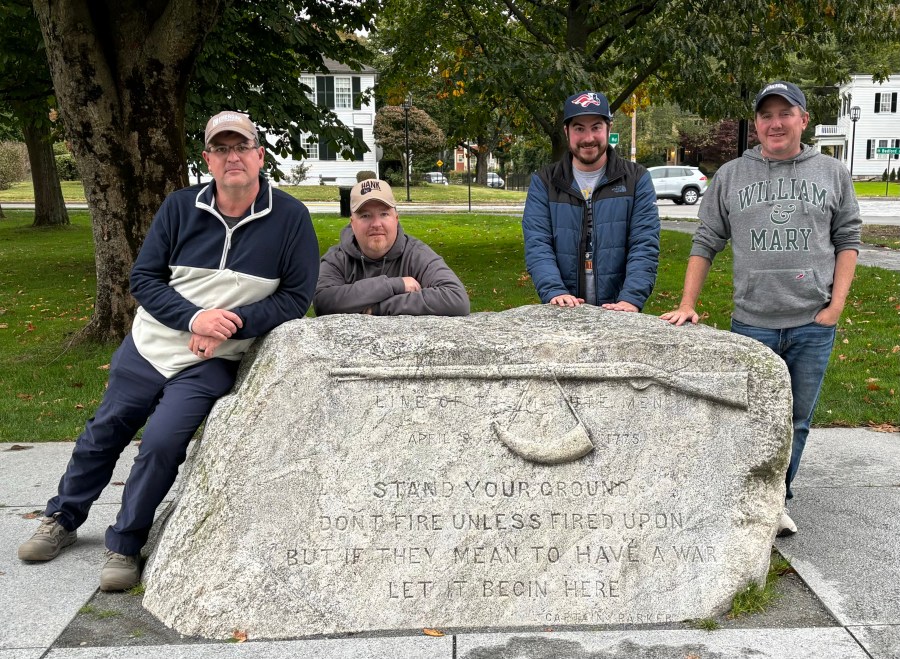

Last weekend, Emerging Revolutionary War wrapped up our fourth annual bus tour. Our previous tours covered Trenton, Princeton, Monmouth, Valley Forge, and Charleston. This year we went to where the whole war started: Lexington and Concord on the eve of the 250th anniversary of the battles. We had a jam-packed weekend with a fully sold out 56 passenger bus. As most places close down in November in Massachusetts, we chose to move this year’s tour from our usual Veterans Day weekend, to Columbus Day weekend. Here is a brief overview of how the weekend went:
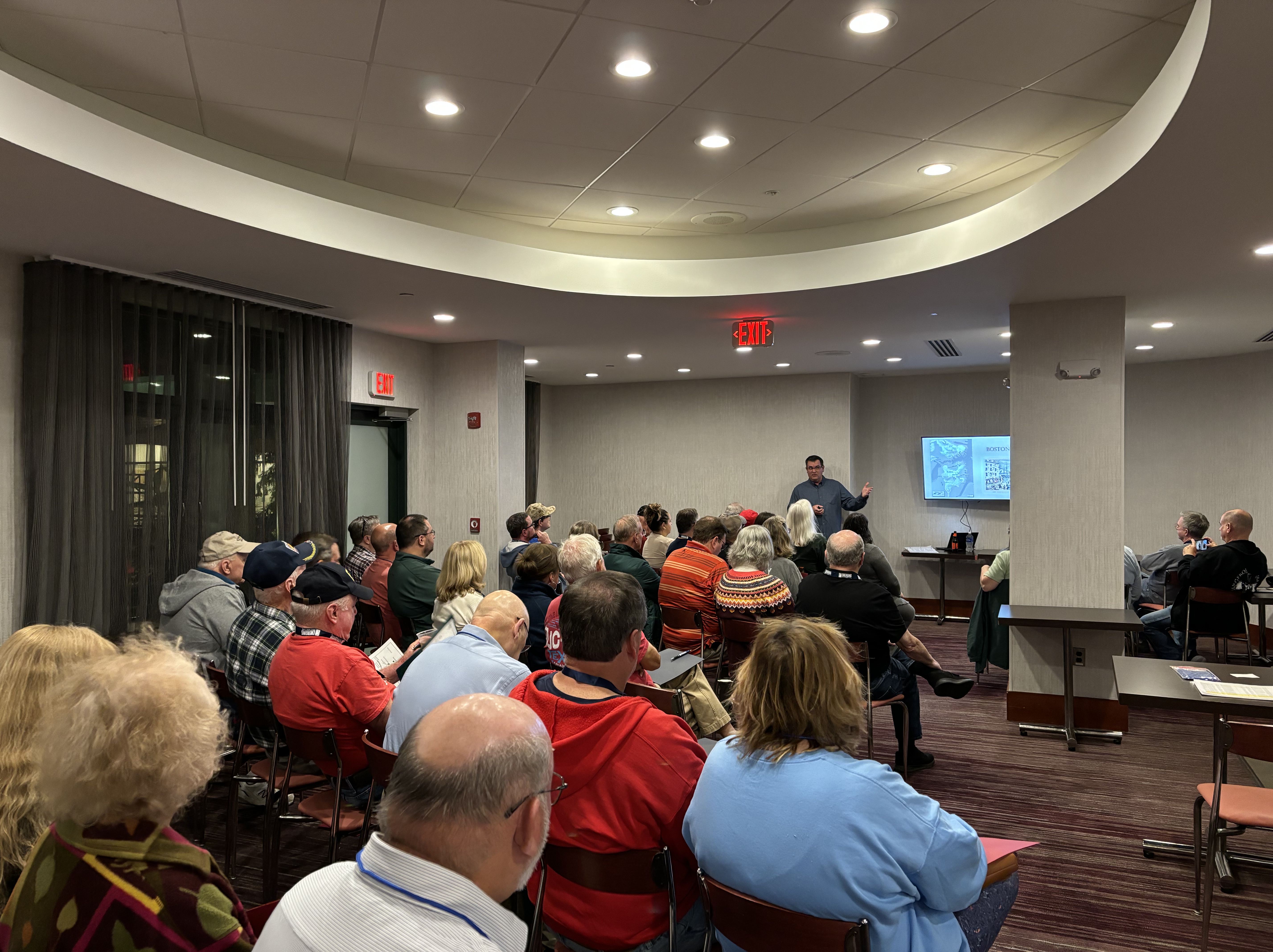
We arrived at our hotel in Waltham, Massachusetts on Friday afternoon. People traveled to Massachusetts from all over the country to be with us (Florida, Alabama, California, Illinois, etc.). That evening Emerging Revolutionary War historian Rob Orrison gave a presentation about the build up to Lexington and Concord that occurred from 1770 to 1775. He ended just as British troops began their march out from Boston and Paul Revere started to warn the colonists of their arrival.
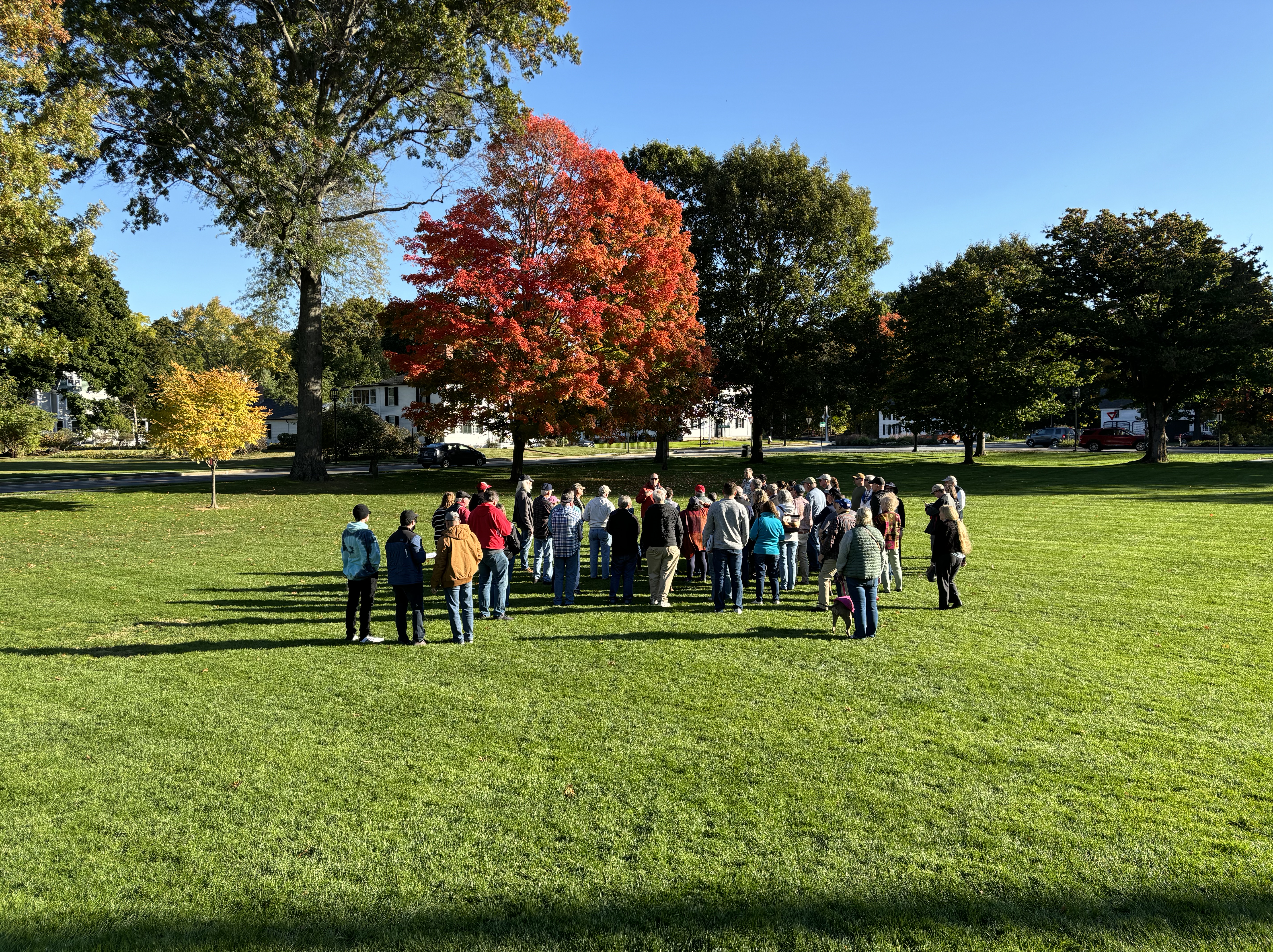
The next morning we loaded onto our bus and headed to Lexington Green. The weather was perfect, with beautiful fall colors and a slight breeze. There we were met by historian and author Alex Cain of Historical Nerdery. For the next two and a half hours we walked all around the Green as Alex regaled us with the fascinating history of the town and the fateful morning of April 19, 1775. The group was impressed by Alex’s in depth knowledge and passion for the subject and gave us all a deeper appreciation for the importance of those first deaths on Lexington Green.
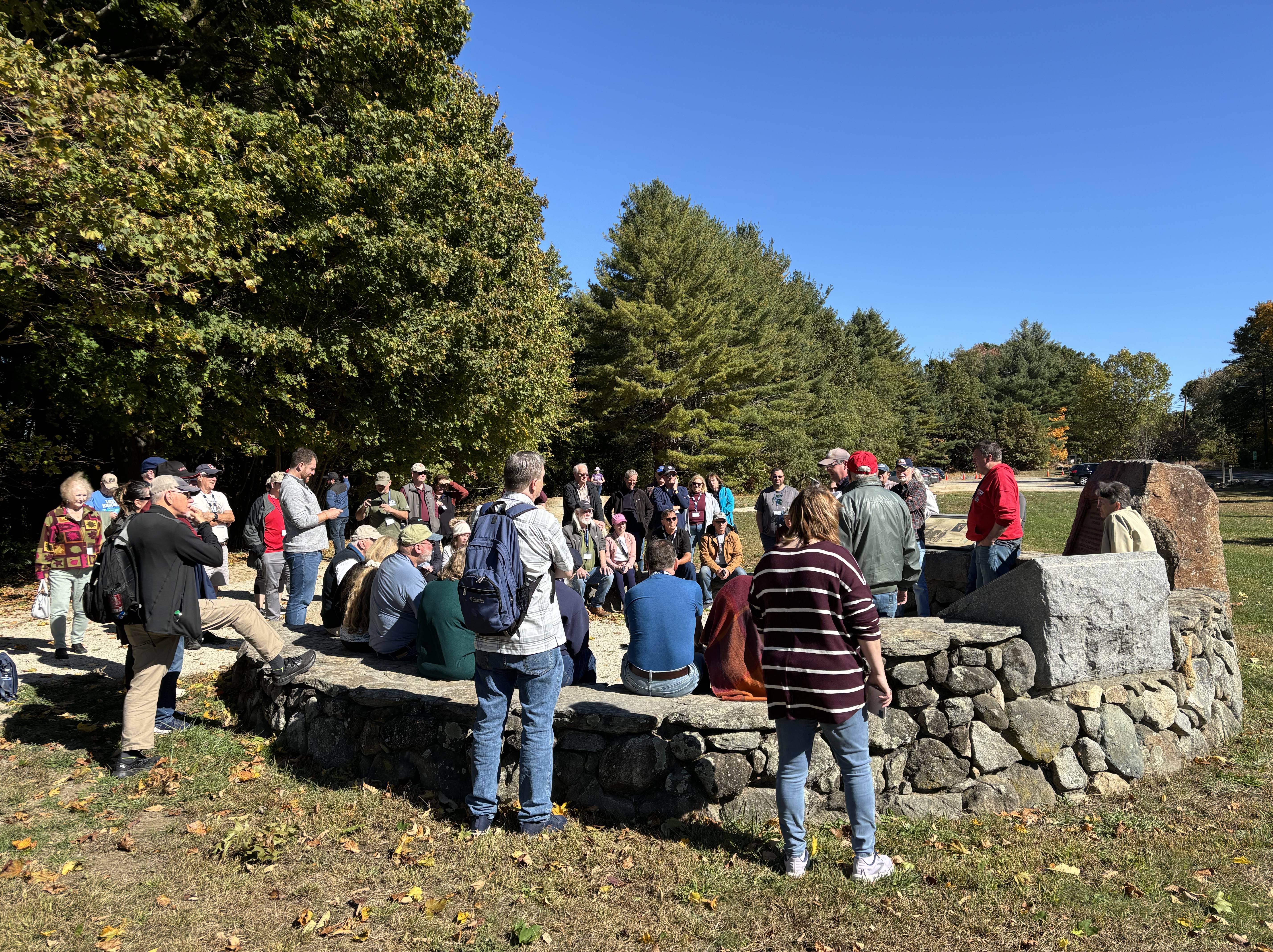
After exploring Lexington we had a picnic lunch at a nearby park. After lunch, we headed to Minute Man National Historical Park. We visited the site where Paul Revere was captured by British troops on the way to warn the colonists in Concord.
Next, on to Concord! We went up to the National Park Service’s visitor center where we viewed the exhibits and watched a short film. At an overlook, we saw the North Bridge where the colonists fired into the British troops and killed some. Emerging Revolutionary War historians Phill Greenwalt and Mark Maloy described the actions that are often defined as the beginning of the United States Army and referred to by Longfellow as “the shot heard round the world.”

After this we began to follow the British retreat and the fighting along the Battle Road. The last stop on Saturday was the site of Parker’s Revenge. Here the Lexington militia returned to exact revenge on the retreating British column. We learned about how important archaeology is understanding the history of combat and how archaeology had changed the interpretation of this particular action.
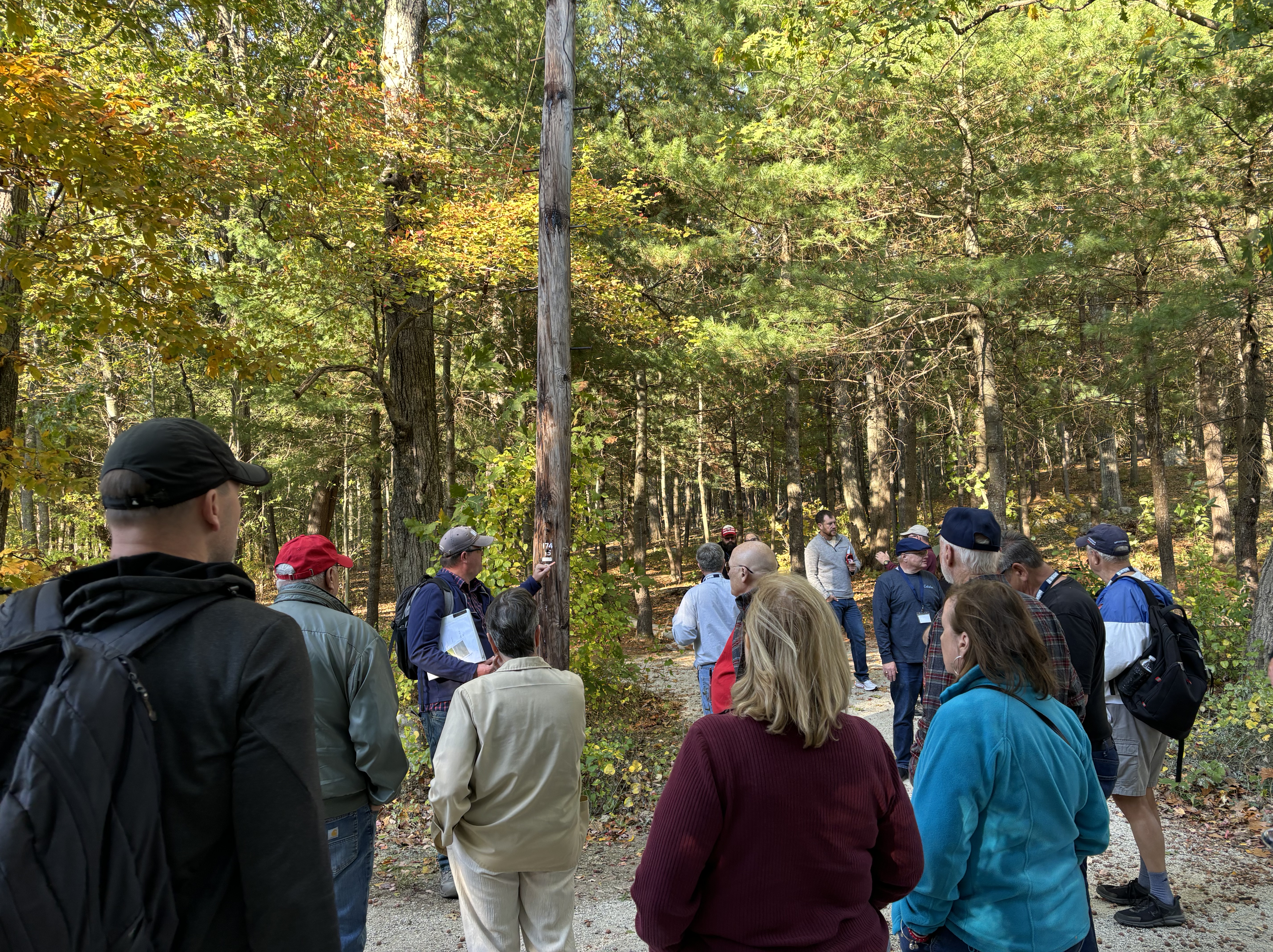
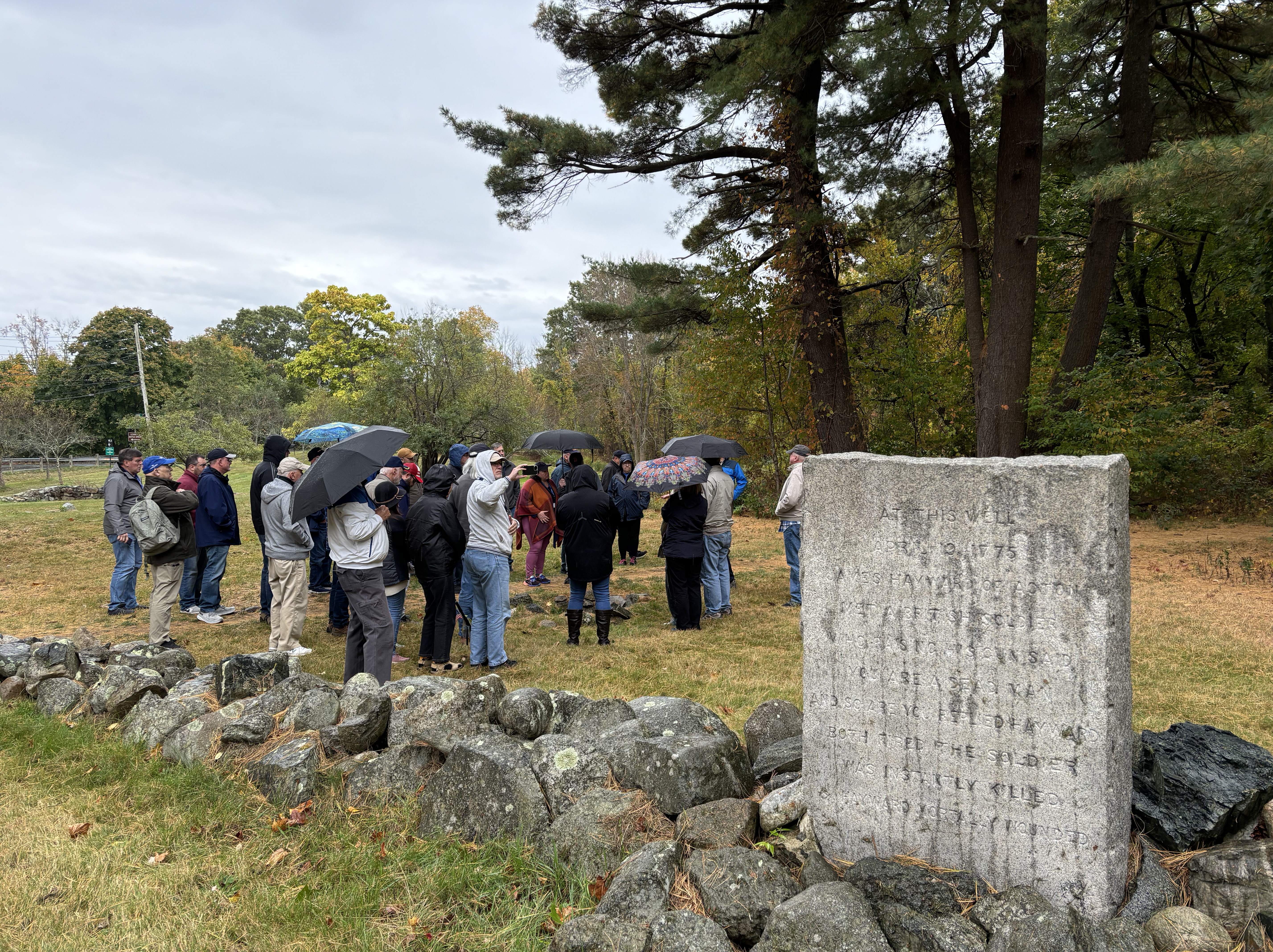
After this we headed back to the hotel for much needed rest. The next morning we were back at it again. On Sunday morning, the weather was overcast and much cooler. We started our morning at the National Park Service Minute Man Visitor Center where we were able to watch a film about the whole campaign. The next stop was Fiske Hill and the site of a tragic story of two men, one British and one American, who shot and killed each other at a well.
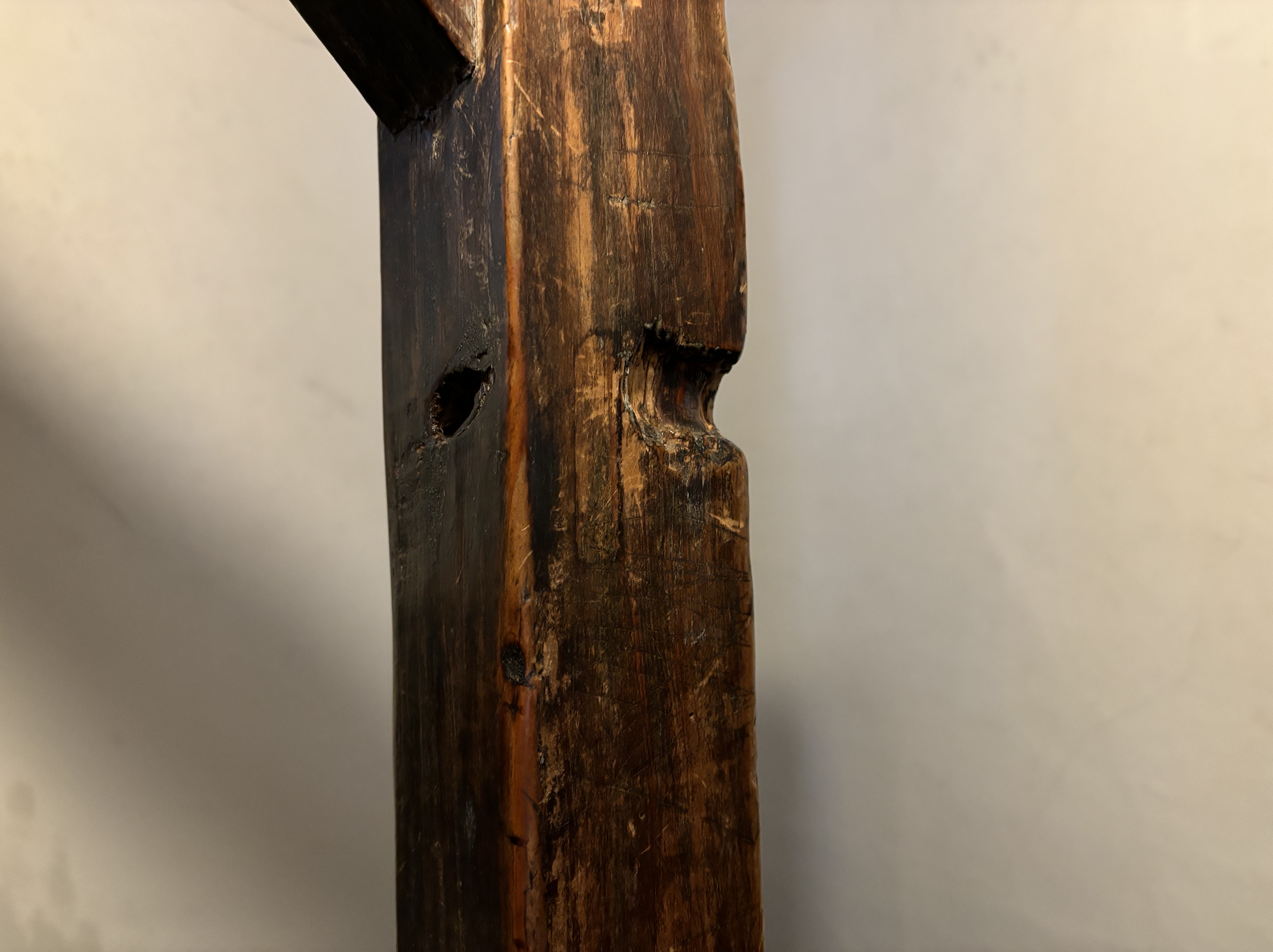
The final stop of the tour was an incredibly moving place: the Jason Russell House in Arlington, Massachusetts. Learning of how brutal the fighting became throughout the day, the Russell House was the scene of vicious fighting. Inside the house twelve American militiamen were killed during the fighting. The guides gave great tours of the house and amazingly were able to show us actual bullet holes in the walls from April 19, 1775. We walked away from the house with a profound sense of the importance of these battles. Many at the time likely did not know these events would start an eight year war that would lead to America’s independence. In the words of George Washington: “Unhappy it is though to reflect, that a Brother’s Sword has been sheathed in a Brother’s breast, and that, the once happy and peaceful plains of America are either to be drenched with Blood, or Inhabited by Slaves. Sad alternative! But can a virtuous Man hesitate in his choice?”
Much of what we do at Emerging Revolutionary War is focused on connecting our nation’s Revolutionary War history to the places where it actually happened. Nothing can replace the experience of actually standing in the place where history happened. If you want to visit these sites, I recommend you read Rob Orrison’s and Phill Greenwalt’s book A Single Blow. In addition to recounting this important history, it includes a tour of the sites and what can be seen today. If you want to experience a similar tour to this, I hope you consider joining us next year as we explore sites related to the Brandywine and Germantown campaigns. Don’t wait, we expect this tour like our others will sell out soon!
See you on the battlefield!
 Emerging Revolutionary War Era
The first tour I’ve missed and it looks like I missed a great one! Thanks for the write up. I’ve signed up for next year’s tour to Brandywine and Germantown. Can’t wait!
LikeLike