

In the fall of 1775, 250 years ago, the American Revolutionaries invaded Canada. It was hoped that a 14th colony could be added to the effort. Members of the Continental Congress felt that Canada’s majority French Catholic population was unhappy with British rule, and would welcome the chance to join them. Conquering Canada would also remove the potential for a British invasion from the north.
General Richard Montgomery led forces from New York State north, and by November 13 captured Montreal. He and most of his troops departed for Quebec on November 28, where they joined forces with General Benedict Arnold to attack that city. General David Wooster remained in command at Montreal.
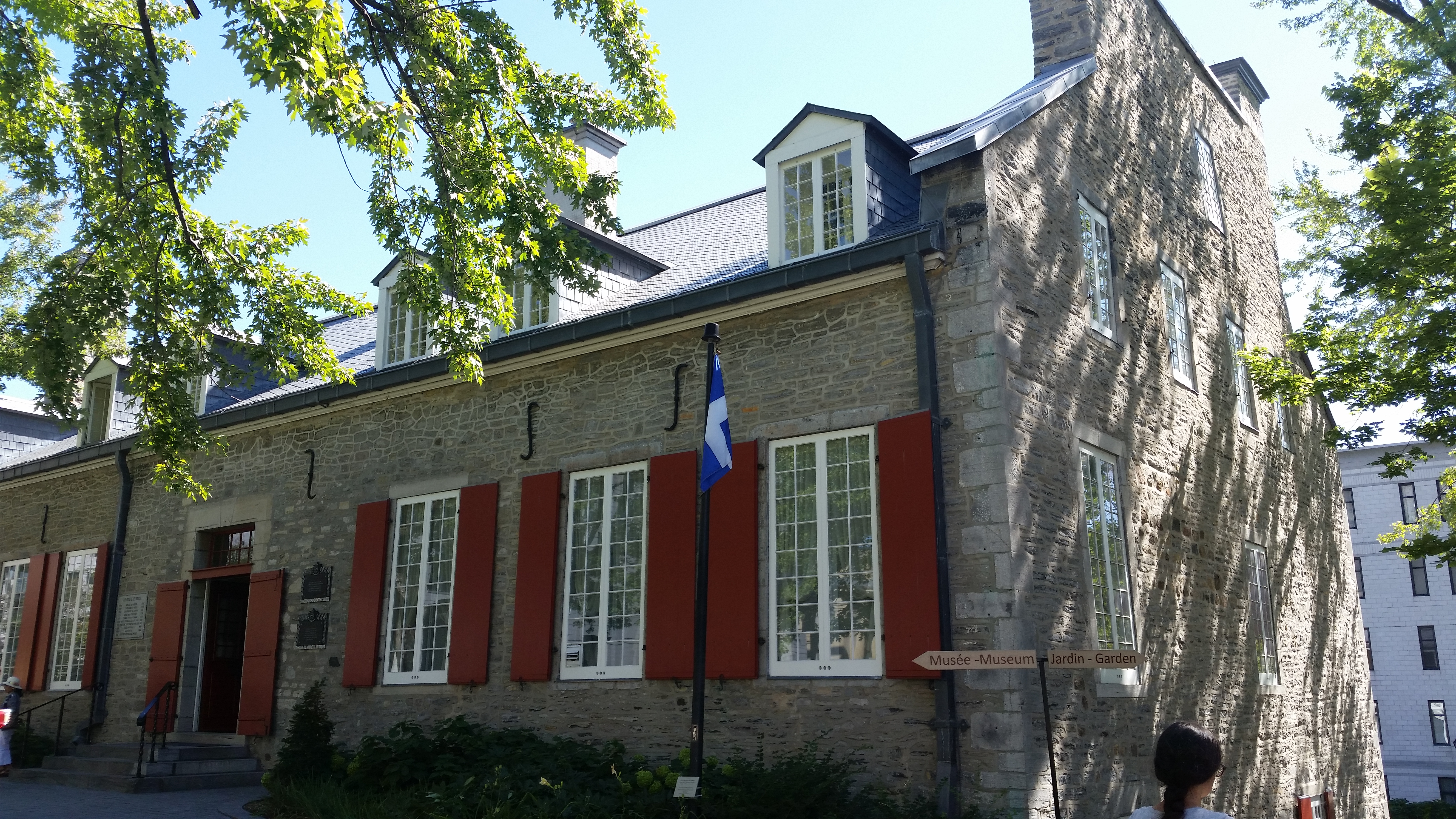
The Chateau Ramezay in the center of the town became headquarters for the occupying Continental Army. In the meantime American forces were defeated at Quebec on December 31, with General Montgomery killed.
By spring, Montreal was under the command of Colonel Moses Hazen, a resident of the Province of Quebec. He tried to raise troops for the Continental army, but only about 500 joined his Canadian Regiment.
With about 10,000 people, Montreal was the fifth largest city in North America. While residents initially welcomed the Americans, they soon saw them as invaders and occupiers. Uncertainty about the economy, American intentions, and the defeat at Quebec all caused Canadians to gradually lose support for the Americans. For the Continental troops stationed here that winter, it must have been a dreary, cold, and depressing experience.

View of Montreal and its Walls in 1760. Image Source: Pictorial Field-Book of the American Revolution by Benson Lossing (1860).
On April 29, 1776 a delegation from the Continental Congress arrived, which included Benjamin Franklin, Samuel Chase, Charles Carroll, and Carroll’s cousin, John Carroll, Catholic priest. It was hoped that a priest would give the American cause more legitimacy with the Canadians. Upon arriving, General Arnold had his troops salute the Congressional delegation.
Charles Carroll wrote, “On our landing, we were welcomed by General Arnold in the most courteous and friendly manner and conducted to the headquarters where a society of women and gentlemen of distinction had assembled. As we were on our way from our landing site to the General’s house, the cannon of the citadel thundered in our honour as commissioners of the Congress.”
It was all a failure. The Canadians were unwilling to throw off British rule, which guaranteed religious freedom and protection of their language and culture. On May 11, 1776, Franklin departed, saying it would have been easier if the Americans had tried to buy Canada than invade it.
Arnold and his troops occupied Montreal until June 15, when British forces advancing from Québec forced their evacuation. For seven months, the largest town in Canada was under American military occupation.
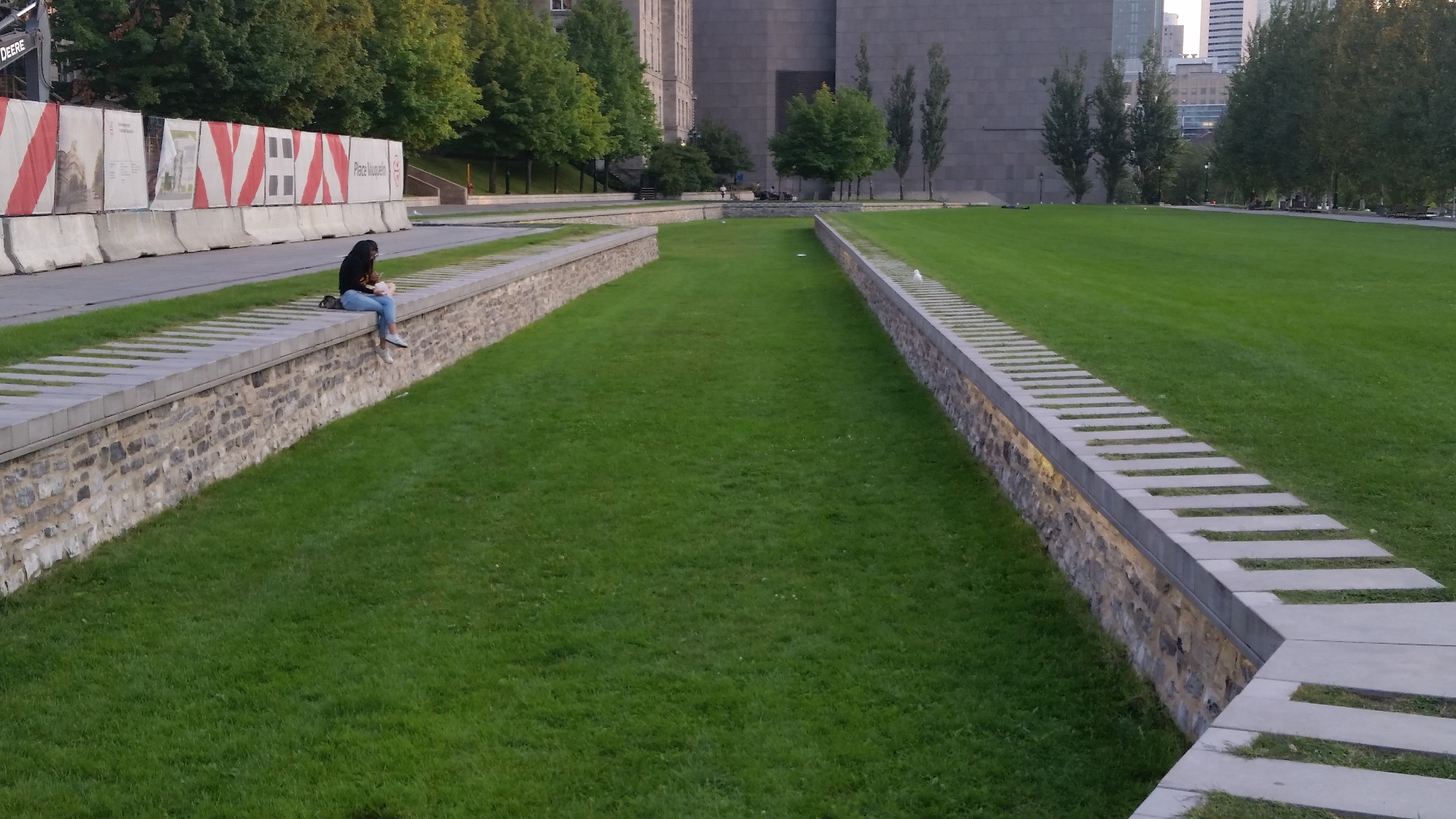
Today one of the few reminders of the American occupation is the Chateau Ramezay, built in 1705. It had been the Governor’s mansion during British rule and was the seat of Government until 1849. It is now a museum. Also visible are the old stone walls that surrounded the city. These fortifications defended the town in 1763 during the French and Indian War, and again in 1775 and 1776.
 Emerging Revolutionary War Era