

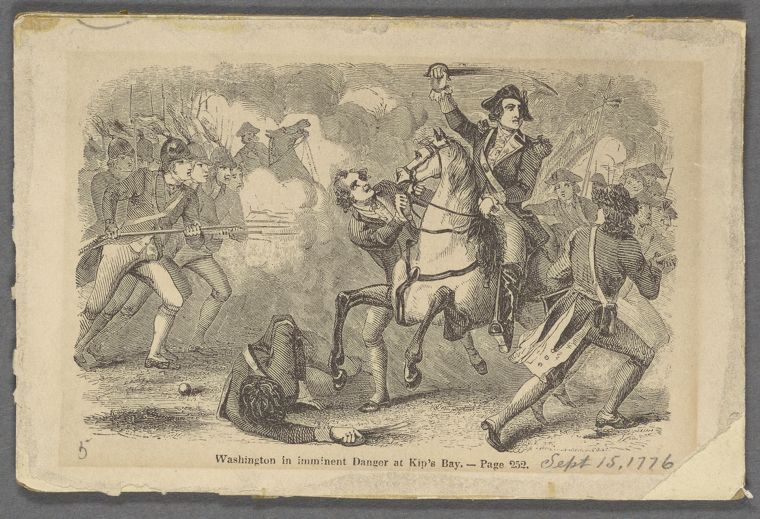
On September 15, 1776, William Howe’s troops landed at Kip’s Bay on Manhattan. After defeating Washington’s troops a couple weeks earlier at Long Island, Howe now intended to capture New York City. Kip’s Bay was located neat present-day E 34th Street on the East River. This area was a weak point in Washington’s defenses on Manhattan. The area was defended by Col. William Douglas’s 1,500-man brigade and a third of them were sick, and of the remainder, only half of that number were fit enough to man the trenches and oppose the landing.
At 10:00 a.m. the first wave of 80 British flatboats moved into the river with 4,000 British and Hessian troops aboard. By 11:00 a.m., the British fleet opened a cannonade against Douglas’s position. Approximately 80 guns fired on the militiamen for more than an hour. Their shallow ditches and weak defenses, coupled with their greenness, led them to a rout in the face of this overwhelming show of force by British naval superiority. General Clinton’s aide-de-camp, Francis Rawdon, from his boat saw Douglas’s men break and run. Clinton’s landing party thus, “pressed to shore . . . landed, and formed without losing a single man.”
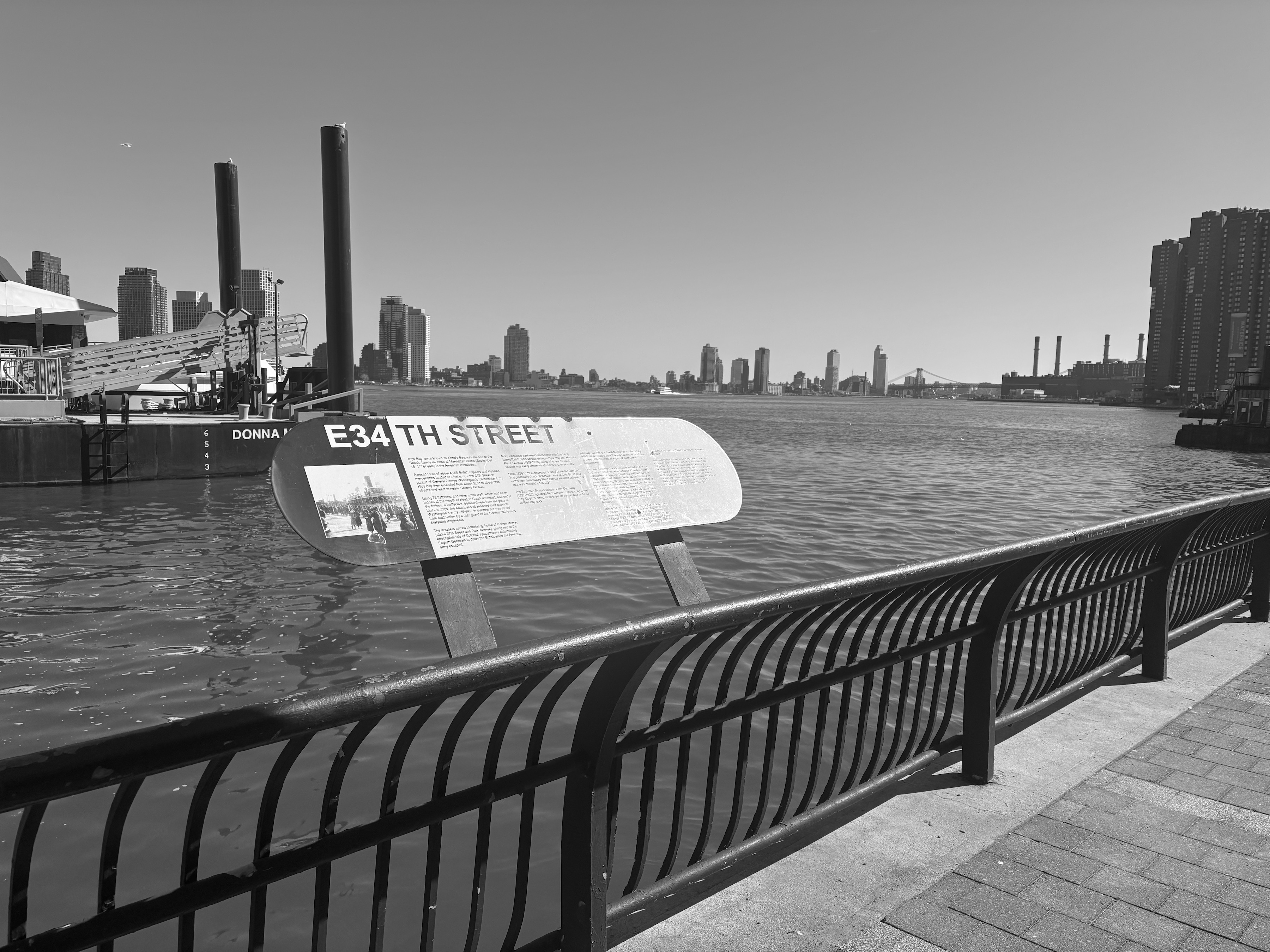
As the first wave of British and Hessians secured the beachhead, not all of Douglas’s men were able to escape as they retreated toward the King’s Bridge Road. Bartholomew James wrote in his journal that he “saw a Hessian sever a rebel’s head from his body and clap it on a pole in the intrenchments.” One historian asserted that, as other Americans surrendered, hands upward, that Hessians shot or bayoneted them.
While Douglas’s men fled, George Washington finally arrived within a mile of the Patriot position at Kip’s Bay. “As soon as I heard the firing, I rode with all possible despatch,” Washington wrote to Congress the next day. Somewhere on Murray Hill, Washington came across General Putnam, who also rode towards the sound of the British salvos. “[T]o my great surprise and mortification,” Washington recounted, “I found the troops that had been posted in the lines retreating with the utmost precipitation . . . flying in every direction. . . . I used every means in my power to rally them into some order; but my attempts were fruitless and ineffectual.”
Washington “drew his sword and snapped his pistols, to check them; but they continued their flight,” noted James Thacher, an army doctor. As Washington’s ire at his fleeing men raged on, Col. William Smallwood reported that the Connecticut troops in flight “were caned and whipped by the Generals Washington, Putnam, and Mifflin, but even this indignity had no weight, they could not be brought to stand one shot.”
Approximately 2,000 Continental soldiers now appeared under the command of Brig. Gens. Samuel Parsons and John Fellows. Seeing the retreat of the Connecticut Militia and a pursuing enemy was enough to break these reinforcements. “The Panic that struck Gen. Fellows’s & communicated itself to Gen. Parsons’ Brigade disgraced the last Retreat,” General Greene recalled. “The 2 Brigades run away from about 40 or fifty men, and left Gen Washington standing alone within an hundred yards of the enemy.”
Washington was enraged by the cowardice of his men, and General Heath saw the normally reserved general break. “Gen. Washington threw his hat on the ground, and exclaimed, ‘Are these the men with which I am to defend America?’”
As the despondent commander tried in vain to rally and inspire his men, only the bravery and stubbornness of two of the general’s aides led them to grab the bridle of Washington’s horse and face him about to leave the field.
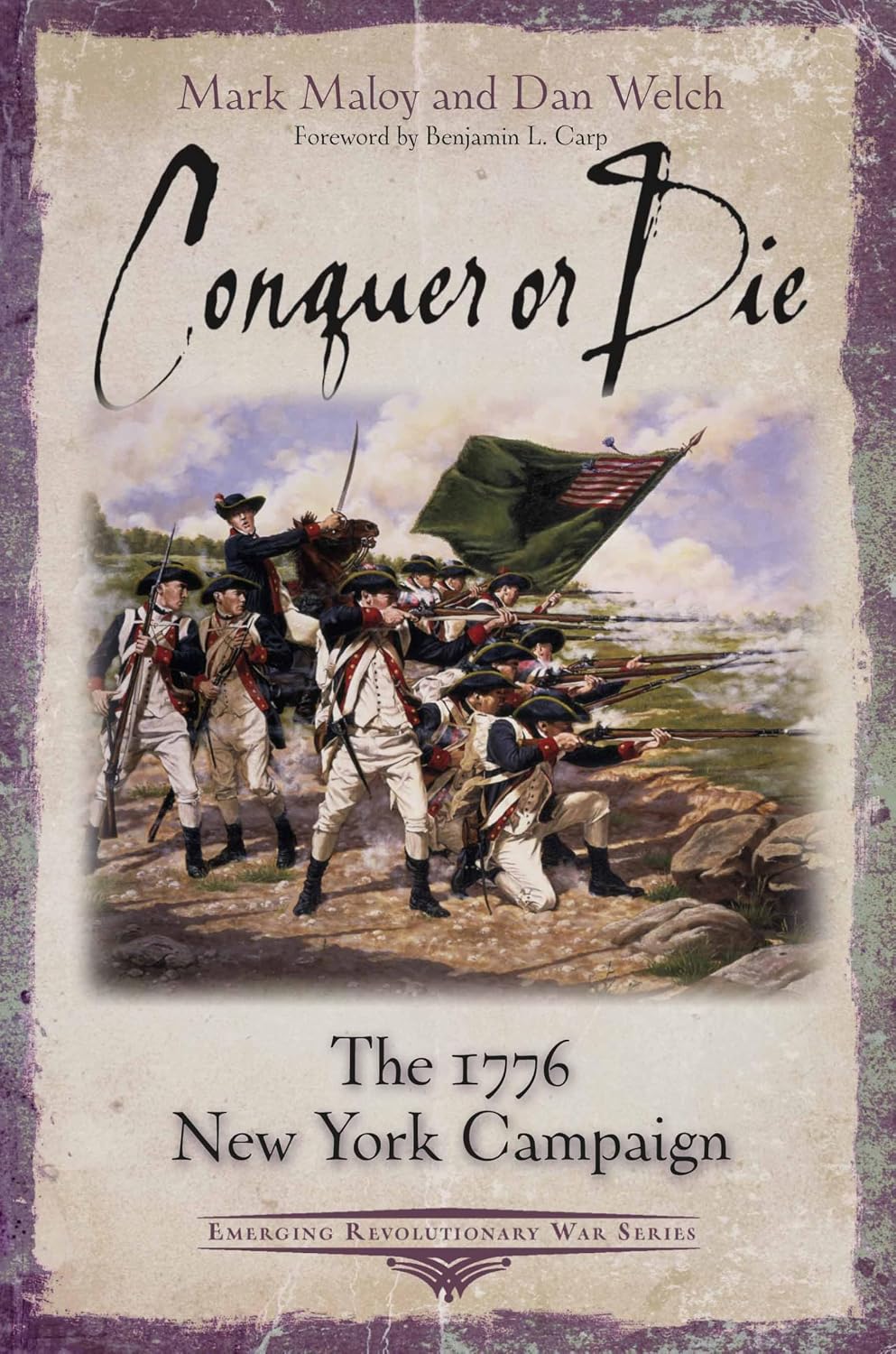
Learn more about this fateful and shameful day for American arms (and the patriotic efforts of a female New York patriot) in Mark Maloy and Dan Welch’s new book on the 1776 New York campaign: Conquer or Die, out this November!
 Emerging Revolutionary War Era