


Following the American debacle at Kip’s Bay the previous day, the British troops marched into New York City and the Americans fell back to their entrenchments on Harlem Heights.
Washington ordered a small party of 150 men under the command of Lt. Col. Thomas Knowlton to move out and reconnoiter the British position. Knowlton quickly recognized the British were not planning a major assault but his force had brought about the attention of the British light infantry. Soon Knowlton’s Rangers were outnumbered and quickly retreated back to the American lines. When Knowlton reached safety, the British light infantry paused, placing them out in front of their main lines. Washington seized the opportunity and ordered an assault on their rear by Knowlton’s men and a reinforcement of 200 Virginia soldiers from the 3rd Virginia Regiment under Major Andrew Leitch.
Though the American attack was supposed to be in the rear of the British light infantry, because of confusing terrain and attacking too soon, the flanking column instead hit the British in their flank. The attack still had an adverse effect on the British light infantry as they began to fall back. The Americans fought with determination and bravery. Washington wrote the next day that “The General most heartily thanks the troop commanded yesterday by Major Leitch, who first advanced upon the enemy, and the officer who so resolutely supported them.”
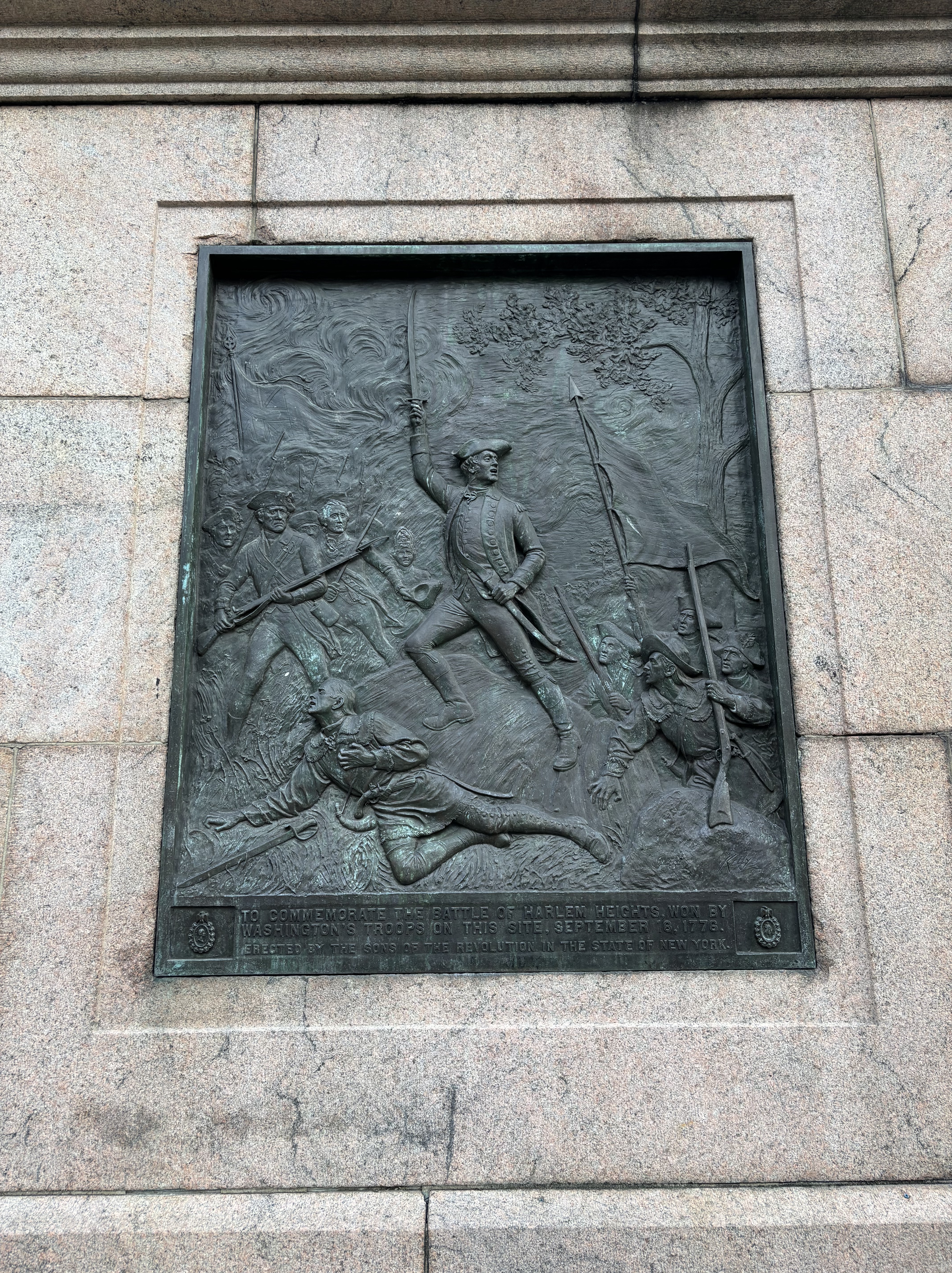
At the head of the attacking column both Knowlton and Leitch led their men forward to attach the British flank. Early in the attack both men went down wounded. Knowlton died that day, Leitch took three musket balls to the abdomen and was carried off the field. At first most reported his condition as improving and he was thought to survive his ordeal. But he would eventually die a few weeks later, the doctor writing that “[I] disagreeable duty of informing Mrs. Leitch through you, of the death of her husband is imposed upon me. He expired yesterday morning at Hackinsack Bridge where he had been removed for his better accommodation…But on the 28th Sept he was seized by lock’d jaw – with spasms about his neck and throat so violent as to baffle every effort to minister to him by medicine.”
Soon the British began to retreat back to their main line. Washington then ordered an attack along his line and the British light infantry fell back to the main line in confusion. Soon the entire British line began to give way. After about a 90 minute fight, Washington learned that more British forces were arriving on the field and ordered his men back to the main line. Though not a major victory, the American army had finally stood up to the British and even for a moment, pushed them off the field in combat. The British suffered 14 killed and an estimated 154 wounded, with the Americans suffering 30 killed and 100 wounded.
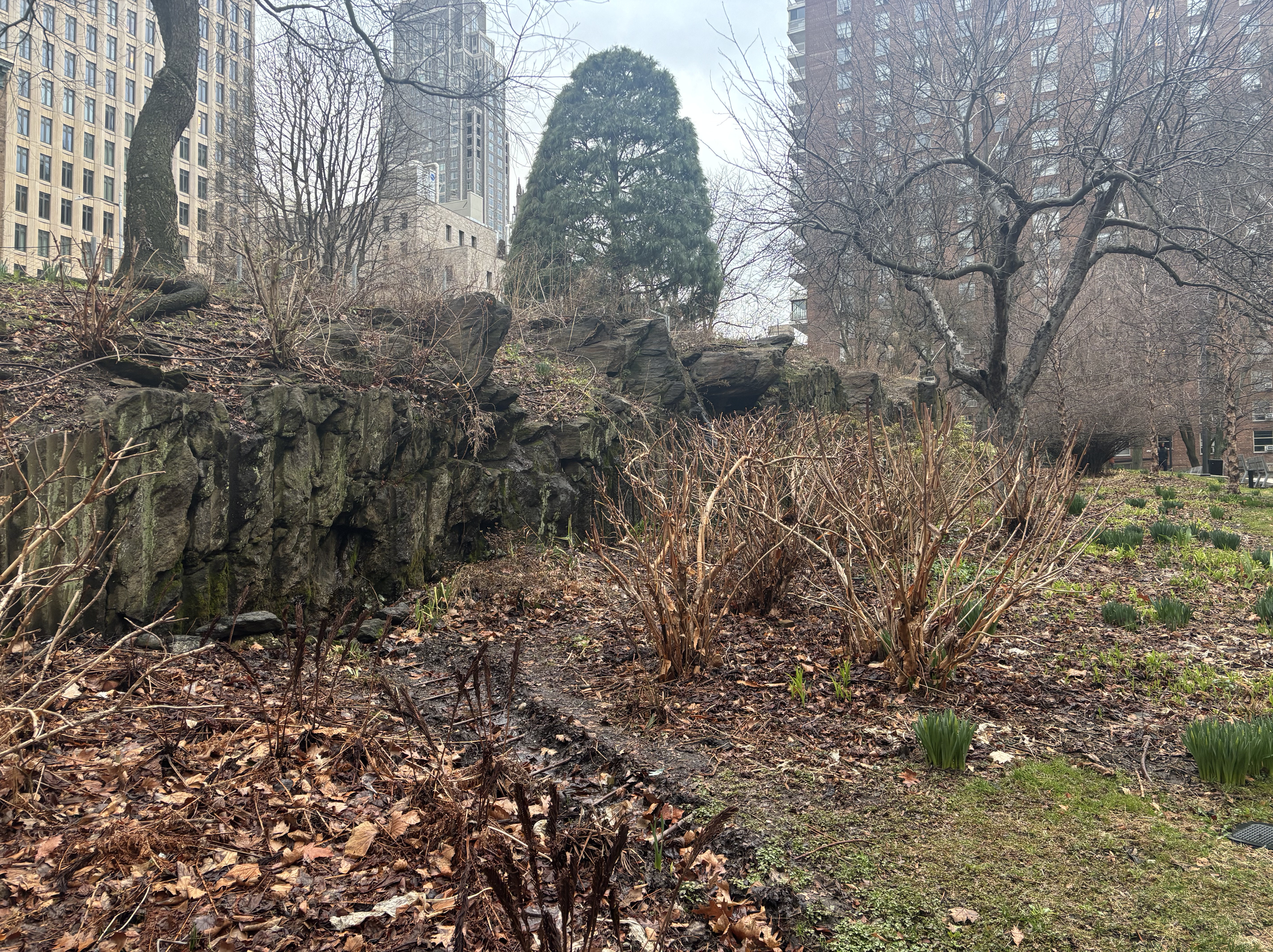
Today the area of the Harlem Heights battlefield is now partly under the campus of Columbia University in New York City. There is a simple plaque on the wall on the east side of Broadway north of 117th Street. This plaque commemorates the Battle of Harlem Heights and depicts Major Andrew Leitch and Lt. Col. Thomas Knowlton being wounded. You can still see the rock ledge nearby where they launched their ill-fated attack. Near here is where Leitch was mortally wounded while turning the flank of the British line.
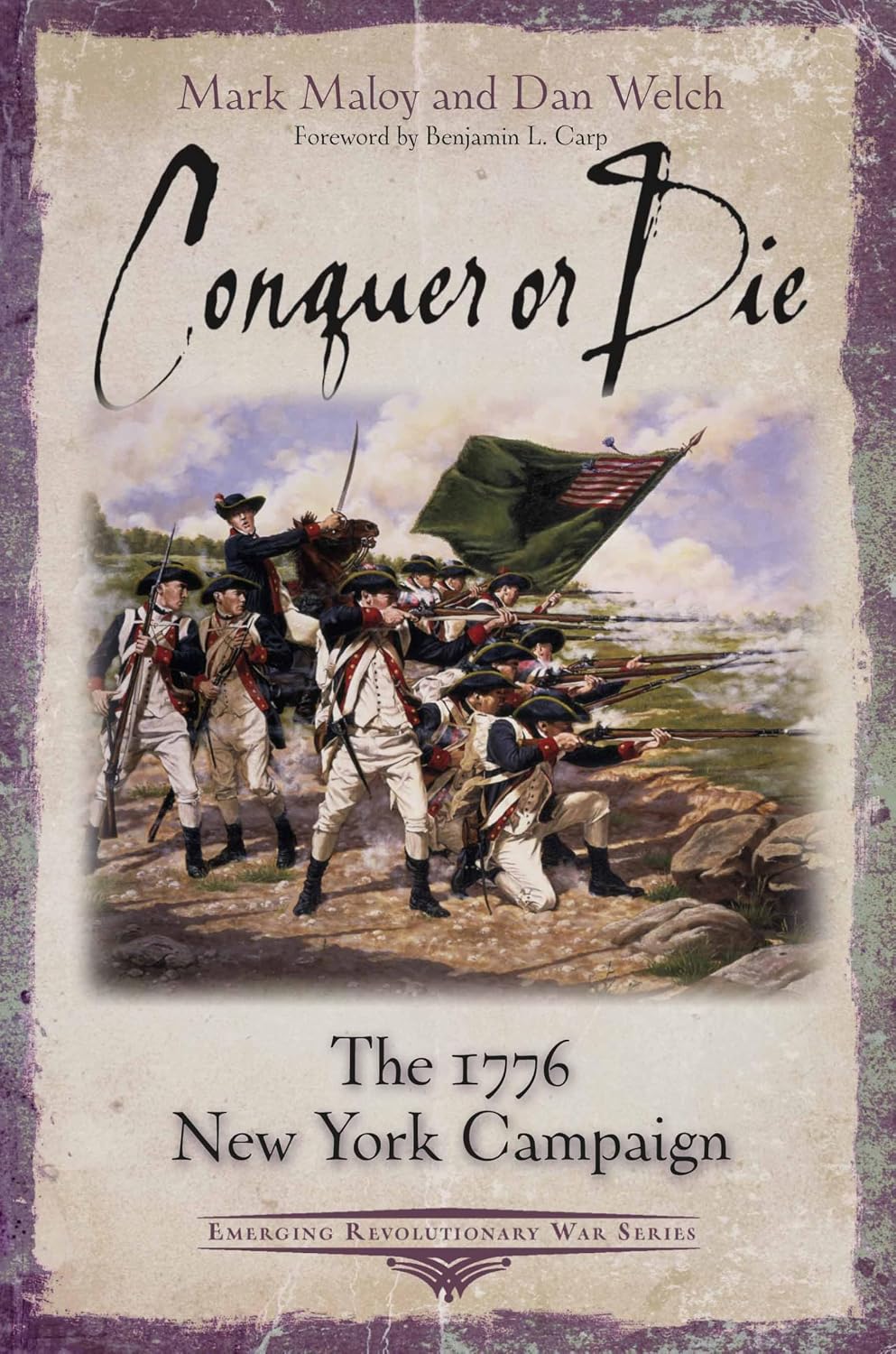
Learn more about this historic event in Mark Maloy and Dan Welch’s new book on the 1776 New York campaign: Conquer or Die, out this November!
 Emerging Revolutionary War Era