

Emerging Revolutionary War welcomes back guest historian Eric Olsen. Eric is a historian with the National Park Service at Morristown National Historical Park. Click here to learn more about this site.
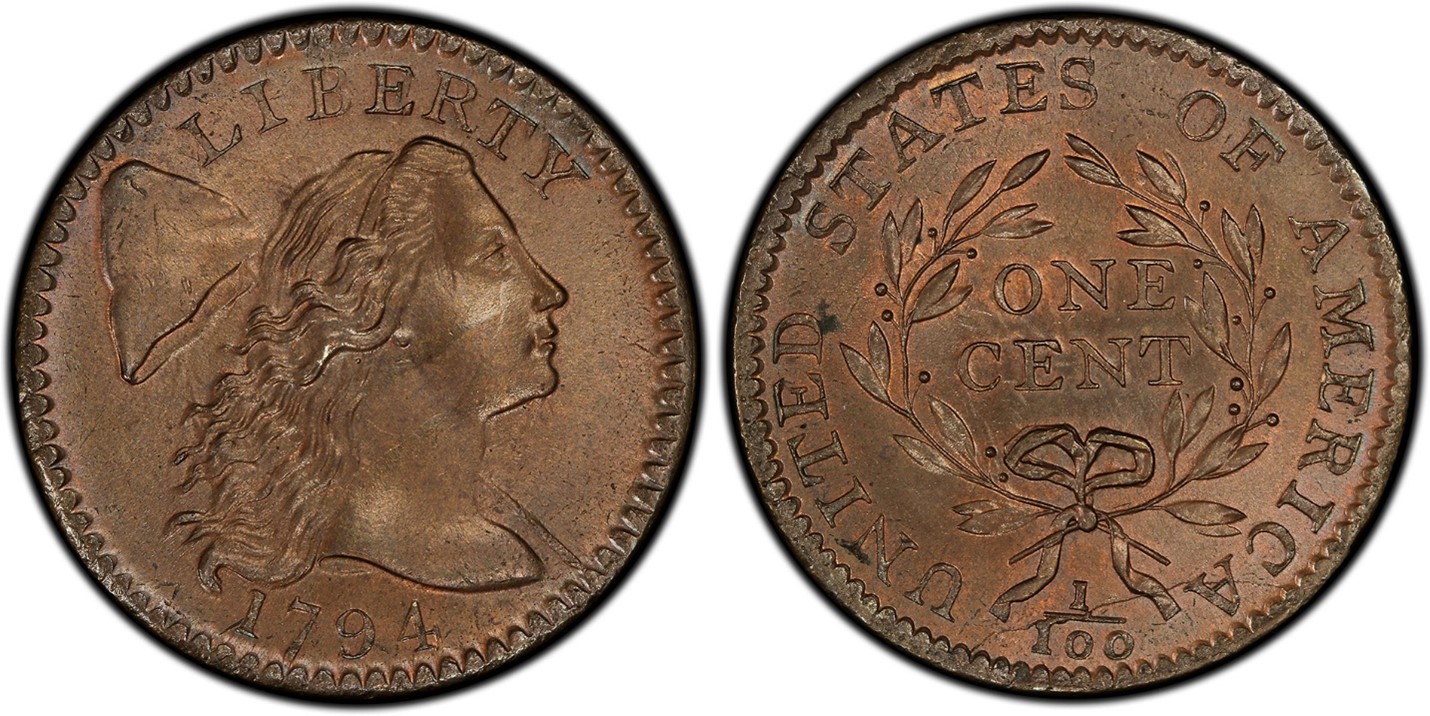
Visitors always want to know, “How much did “that” cost back then?” We used to tell them because of inflation and the conversion from pounds to dollars it was really hard to give a definitive answer. It is even harder to figure during the American Revolution when the value of the dollars changed dramatically just over the course of a few months. There are all sorts of fancy conversion sites on the internet today but since math was not my strong point, I don’t know how accurate they are.
One book tried another approach to explain 18th century vs. modern prices. “A person today, purchasing the same product made the same way out of materials made the same way, will pay roughly the same percentage of their wages for the product as a person of equal economic status in the past would have. For comparison, at the present time [1997 book] an average shop rate runs thirty-five dollars an hour for labor. If you make ten dollars an hour, this costs you three and a half hours of work, and the same ratio applied to a craftsman making thirty pounds a year or two pence per hour.” Makes sense but seems a bit too complicated.
However, I did find one primary source that can give a clue to the relative value of items. It comes from Theophile Cazenove, a Dutchman who traveled through New Jersey and Pennsylvania in 1794 looking for investment opportunities for Dutch bankers. At his various stops in Morris County, Cazenove recorded the prices of farms, livestock, and even labor.
Sometimes the prices were in pounds, other times they were in dollars. When he included both prices for one item, I did some very simple math and found that it took eight shillings to make one dollar, and that $2.50 equaled one pound. According to the online conversion applications, one pound in 1790 equaled 167.58 pounds today. One dollar in 1790 equaled 32.20 dollars in today’s money.
But without doing any math or conversions if we look at the prices Cazenove listed we can see what items were more expense than other ones. From that we can also assume the more expensive items were more highly valued.
Keep in mind, on the local level in 18th century America, it was not a cash driven economy. Specie, Hard Money or coins, made of valuable metals such as silver and gold were in short supply in North America and used infrequently. Paper Money was rarely used, appearing briefly during periods of war when armies needed a large source of money to buy goods and services.
Continue reading “The Price is Right: Comparing Prices in 1794”
 Emerging Revolutionary War Era