Emerging Revolutionary War welcomes back guest historian Bjorn Bruckshaw
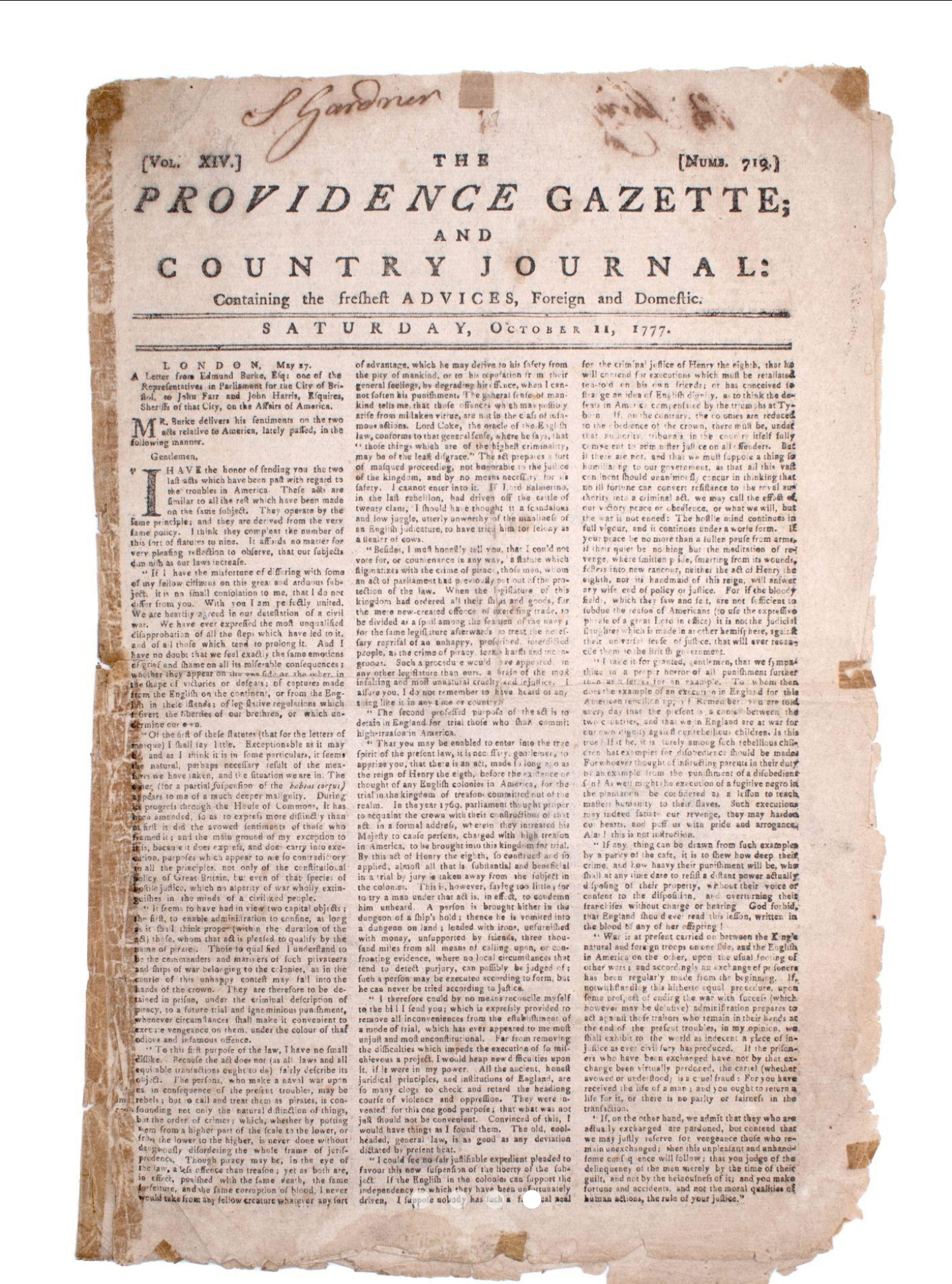
On a chilly but sunlit afternoon in Providence, smoke began to rise over Market Square—not from hearth fires meant to warm the town, but from a blaze built in defiance. As the smell of burning tar and tea drifted through the streets, cheers and shouts of defiance echoed through the square. Nearby, a man moved quickly from shop to shop, brush and lampblack in hand. One by one, he painted over a single word on storefront signs: TEA. This was no act carried out in secret. According to the Providence Gazette, he was “a spirited Son of Liberty,” and he worked in full view of the town as a crowd gathered around the growing fire.¹
Just beyond him, the protest had already begun.
Earlier that day, a town crier had moved through Providence announcing that a quantity of India tea would be burned in the Market Square that afternoon, calling upon “all true friends of their country, lovers of freedom, and haters of shackles and hand-cuffs” to assemble and cast the tea into the flames.² By the appointed hour, the square was filled. This was no spontaneous outburst. It was organized, deliberate, and intended to be seen.
At the center of the gathering, flames climbed upward as a barrel of tar was placed upon the fire. Into it were thrown not only tea—hundreds of pounds of it—but also printed copies of Lord North’s speech and other “obnoxious English papers.” ³ the destruction was more than economic protest. It was a public repudiation of British authority itself. And then came the moment that set Providence apart.
These were not men disguised as Mohawk Indians, shrouded in secrecy under the cover of night as in Boston. This was something different—an open, public act carried out in daylight. At its center stood the women of Providence, dressed in everyday clothing, without disguise, stepping forward with the same patriotism and candor to cast the tea into the flames before the gathered town.⁴
In that moment, the Providence Gazette captured one of the most remarkable features of the event, noting that the tea was “fed to the fire by the women of the town.”⁵ Women, long central to colonial resistance through boycotts and the management of household consumption, now stood in the public square, actively participating in the destruction itself. This was not quiet resistance confined to the home. It was visible, communal, and unmistakable.
The prominence of women in the Providence protest did not go unnoticed beyond Rhode Island. In Virginia, the event was reported in the Virginia Gazette, where the destruction of tea was described in strikingly gendered and satirical terms. The article referred to the event as the “funeral of Madam Souchong,” personifying the tea as a female figure while simultaneously reinforcing contemporary stereotypes about women.⁶ In doing so, the report transformed the protest into a symbolic spectacle, revealing how acts of resistance in one colony could be interpreted—and reshaped—by observers in another.
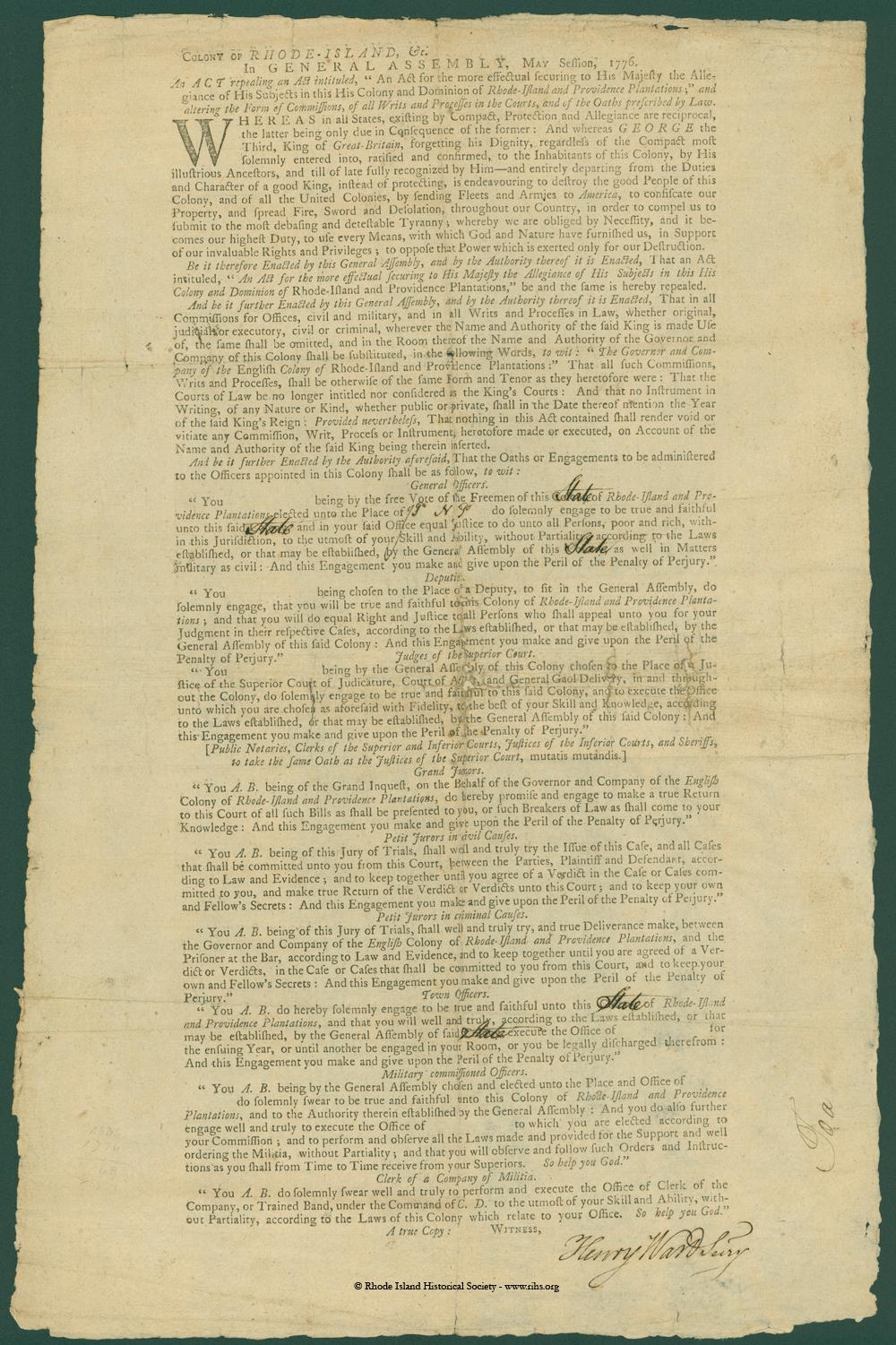
Rhode Island had already established itself as one of the most defiant colonies in British North America. Its long-standing resistance to imperial regulation, fueled by its maritime economy and frequent clashes with customs enforcement, made it a persistent source of frustration for British authorities. Loyalist observers took note. Writing during the conflict, Peter Oliver described resistance in New England as the work of “lawless men” driven by mob influence, portraying their actions as rooted in disorder rather than lawful opposition.⁷ British officials expressed similar concerns in the aftermath of the Gaspee Affair, viewing the destruction of the customs schooner as a “daring insult to the authority of the Crown” and evidence that resistance in Rhode Island had reached a dangerous level.⁸ In June 1772, that defiance became unmistakable when local patriots burned the Gaspee, a British vessel sent to enforce imperial law.
The British response only deepened colonial fears. Officials threatened to transport suspected participants to England for trial, raising concerns about the erosion of traditional rights and legal protections.⁹ In Rhode Island, the lesson was clear: British authority was not only intrusive but increasingly dangerous.
Continue reading “The Burning of “Madam Souchong” and the Women of Providence Who Burned Her”