

Emerging Revolutionary War welcomes guest historian Bjorn Bruckshaw, a bio follows the post.
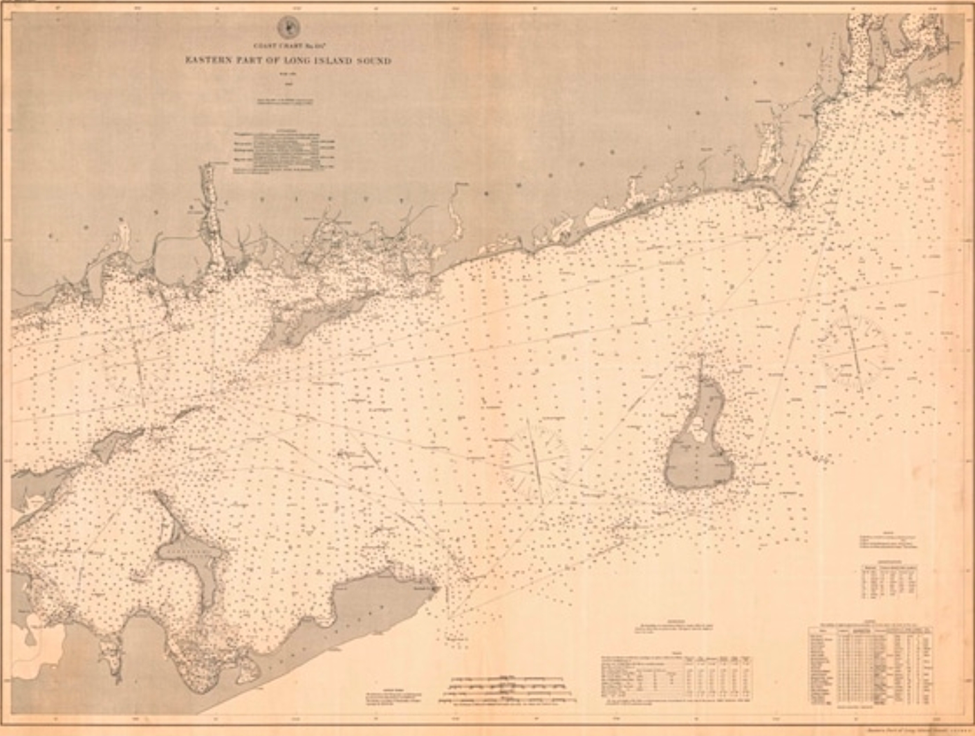
In the early morning hours of April 6, 1776, a lone British warship slipped through the moonlit waters southeast of Block Island. The twenty-gun frigate HMS Glasgow was carrying dispatches from Newport, Rhode Island, to the British fleet assembling off Charleston, South Carolina. Suddenly the ship’s lookout sighted sails on the horizon—then more sails behind them. Within minutes Captain Tyringham Howe realized the alarming truth: his single ship had encountered nearly the entire fleet of the newly created Continental Navy.¹
What followed should have been a decisive American victory. Commodore Esek Hopkins commanded a squadron of seven armed vessels, including the flagship Alfred, the brigs Cabot and Andrew Doria, and several additional ships. Against them stood only one British frigate. Yet by dawn the British ship had fought its way free and escaped. The encounter became one of the earliest—and most embarrassing—naval engagements of the American Revolution.²
The clash southeast of Block Island revealed the weaknesses of the young American navy: inexperienced crews, poor coordination between ships, and ineffective gunnery. Despite overwhelming numerical superiority, the Continental squadron failed to capture a single enemy warship. As one frustrated American officer later remarked, “A more imprudent, ill-conducted affair never happened.”³
The British vessel at the center of the encounter was HMS Glasgow, a sixth-rate twenty-gun frigate of the Royal Navy. In early April 1776 the ship had been tasked with delivering dispatches from Newport to the British fleet gathering off Charleston for an upcoming campaign against the southern colonies. That expedition would ultimately culminate in the failed British assault during the Battle of Sullivan’s Island in June 1776.⁴
Meanwhile the American rebellion had begun extending onto the seas. The Second Continental Congress had authorized the creation of a navy in late 1775 to challenge British control of American waters. By February 1776 the first ships of the fleet were ready for service, and Congress appointed Hopkins as commander-in-chief of the new force.⁵
Hopkins’s squadron consisted largely of converted merchant vessels hastily adapted for war. The fleet included the flagship Alfred, along with Columbus, Cabot, Andrew Doria, Providence, Wasp, and Fly. Among the officers serving aboard the fleet was a young lieutenant named John Paul Jones, who served aboard the Alfred and would later gain fame as one of the most celebrated naval commanders of the Revolution.⁶
Continue reading “A Fleet Against One: The Continental Navy’s Embarrassing Clash off Block Island, April 6, 1776” Emerging Revolutionary War Era