Review: “East Florida in the Revolutionary Era, 1763–1785” by George Kotlik

Thirteen of the Great Britain’s North American colonies moved toward independence in 1775, declaring the fact officially the following year with the issuance of the Declaration of Independence. Perched below these thirteen rebellious provinces was the colony of East Florida. Earned after the Seven Year’s War by Great Britain from Spain, the most populous city an oldest permanently established European metropolis was St. Augustine, which was also the capital of the colony. This colony, through the eight years of the American Revolutionary War, had a tenuous connection with their neighbors to the north. Largely forgotten in the pantheon of history describing this period, from the time of Britain gaining possession in 1763 through the end of the Revolutionary era in this historian’s estimation, in 1785.
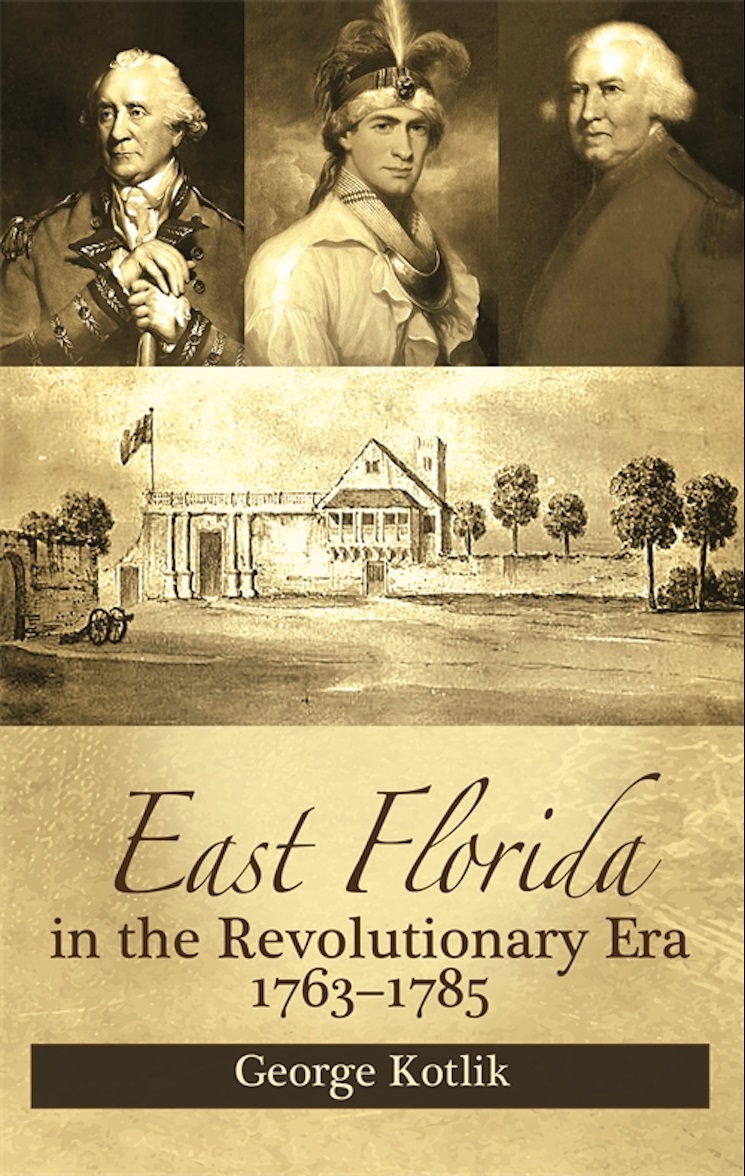
Entitled, East Florida in the Revolutionary Era, 1763-1785 and penned by George Kotlik, a historian specializing in 18th century North American history, the publication offers “an accessible and detailed narrative of the East Florida during the American Revolution.” (pg. 8).

What ensues in the following pages is a brief yet complete overview of the military, political, social, and economic history within those years of East Florida. Some of the names in the pages are well known to enthusiasts of the American Revolutionary War era whereas others will be new names to add to the repertoire for further study. From Governor Patrick Tonyn, British general and last governor for England of East Florida to bringing attention to the William Augustus Bowles, a Maryland born Loyalist, sympathetic to the Muscogee Native Americans of East Florida who tried in vain from the last decade of the 18th century, to establish an independent state for the tribe, with British support. These are just two of the historical personas that Kotlik discusses in his narrative, the rest await you within the pages of the book!

Although no major military actions happened within the confines of the colony that does not mean the role of East Florida in relation to the American Revolution should not be marginalized. “Militias were raised, a general assembly was postponed, St. Augustine experienced a heightened British troop presence, planters between the St. Johns and St. Marys Rivers suffered at the hands of George raiding parties, and a constant threat of a Spanish or American invasion” all affected the psyches and lives of East Floridians. (pg. 104-105).

The hope from Kotlik is to provide the launching point for further discussion into the role of East Florida specifically and Florida in general during the revolutionary period. “Such a lack of coverage is a reminder for scholars to to emphasize East Florida’s presence in the war that made America.” (pg. 111). With this history in hand, Kotlik has provided the necessary overview for further exploration.

Publisher: NewSouth Books, University of Georgia Press, 2023
156 pages plus images
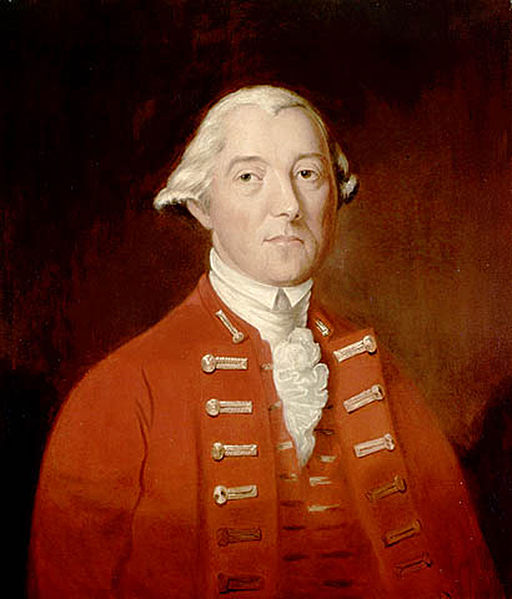
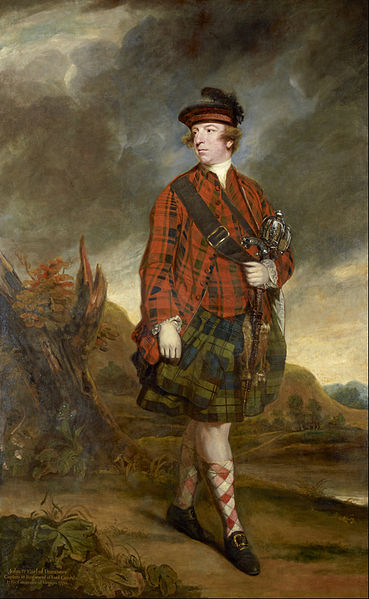
British Military Leadership and Provincial Loyalty

Emerging Revolutionary War welcomes back guest historian George Kotlik

Introduction

By 1775, King George III ruled over nineteen provinces in British North America.[1] Six remained loyal to the Crown during the Revolutionary War. Historians have so far explored, in great depth, the various reasons why the thirteen original colonies rebelled. On the flipside, why did some colonies remain loyal? What role did colonial governors play in securing their province’s loyalty during the rebellion? In an attempt to answer these questions, this research will focus on British North America’s mainland colonial governors and general assemblies during 1775. Data on the backgrounds of each British colonial governor on the North American mainland was gathered from their respective biographies. Hereafter, each governor’s background is considered by colony, listed in alphabetical order. Each biography is brief and not meant to be comprehensive. There is not enough time or space in this paper to accomplish that end. Instead, the biographies help determine the type of individual who governed each province at the rebellion’s onset – a unique factor that I argue contributed, in whatever small way, to a colony’s political disposition during the American Revolution. In addition to looking at provincial executive leadership, I have also inspected general assemblies. General assemblies were an important aspect in this research due to the fact that the mere presence of an assembly influenced a colony’s political disposition in 1775. What’s more, colonial governors wielded the authority to dissolve assemblies. That connection, in addition to the assemblies’ influence on provincial loyalty, I argue, merits their inclusion in this study.[2]

Continue reading “British Military Leadership and Provincial Loyalty”

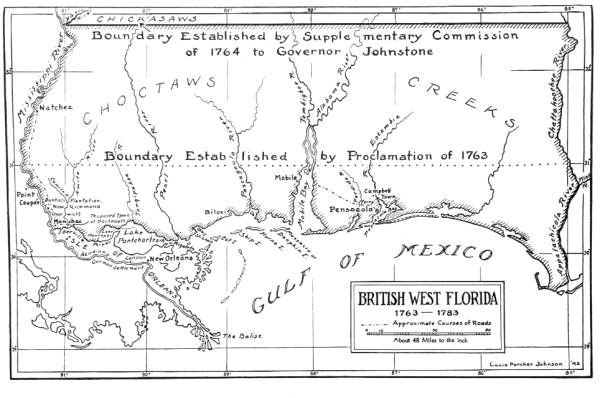
George Washington’s Land Interest in British West Florida, 1773-1774

Emerging Revolutionary War welcomes guest historian George Kotlik.

After the French & Indian War, the British Crown sought to regulate colonial westward settlement and expansion. This was done for a variety of reasons. First, British ministers believed that westward expansion would require administration over newly acquired territory.[1] British leaders also feared that unrestricted colonial expansion could lead to ungovernable colonies who would, over time, seek to split with Great Britain.[2] Most importantly, Britain had acquired Florida and almost all of the territory under New France east of the Mississippi River at the conclusion of the Seven Years’ War. British ministers sought to redirect western settlement towards Canada and the Florida’s.[3] Regulation of western land settlement also protected Indian lands from white encroachments. This measure sought to prevent further Indian wars.[4] The impositions placed on westward settlement infuriated colonial land speculators who sought to gain much wealth in acquiring western lands. After the Great War for Empire, George Washington and other veteran officers of that conflict were awarded land in exchange for their services to the Crown.[5] Many eyed lands in the Ohio Country, but after the October 7 Proclamation of 1763, most acreage in that vast wilderness lay out of reach. The account of Washington’s interest in North America’s western lands is popular and well-known. However, lesser known is the former British officer’s interest in West Florida land.[6]

Continue reading “George Washington’s Land Interest in British West Florida, 1773-1774”