Nicholas Cresswell from the Frontispiece of his Memoir (Library of Congress)
For some Englishman, the political conflict between the United Kingdom and its American colonies was an afterthought that should not interfere with their plans to build a future based on American wealth. Nicholas Cresswell was one such person. He traveled to the colonies on the eve of the American Revolution and returned home in 1777, having kept an extensive diary of his travels, experiences, thoughts, and conditions in America during the war’s first years. Along the way, he met some of the most colorful and interesting people who played prominent roles in the war: George Rogers Clark, Delaware Indian leaders White Eyes and Killbuck, Thomas Jefferson, Patrick Henry, William Howe, Robert Rogers, and Charles Lee to name a few. Since its publication, Cresswell’s journal has become a touchstone for historians looking for insight into those people, how a loyal Englishman like Cresswell saw the world and the Americans around him interpreted events. In particular, he recounts the feelings and treatment of loyalists trapped in America during the war. With that in mind, reviewing Cresswell’s diary might help spread the word about a worthwhile primary resource.
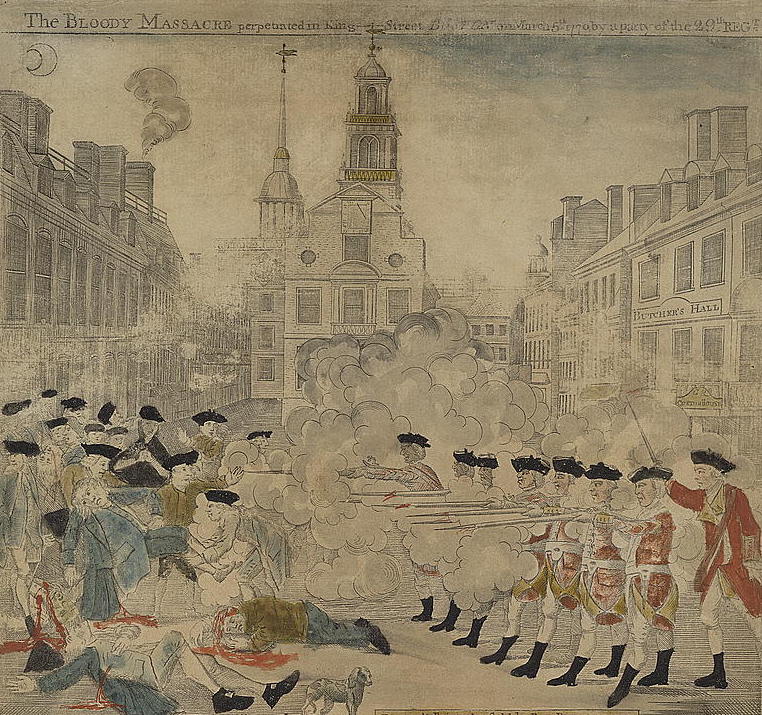
A detail from Paul Revere’s print of the “Bloody Massacre.” This widely circulated image gave the impression that the British soldiers fired in unison on command into a peaceful assembly. (Library of Congress)
“Fire if you dare, G-d damn you, fire and be damned!” the crowd of hundreds of Bostonians yelled as they pressed in around the nine British soldiers guarding the Custom House in Boston on the evening of March 5, 1770. The violence that was about to erupt in downtown Boston had been brewing for almost two years when British regular soldiers first entered Boston in 1768. It had gotten especially bad after February 22, 1770, when Christopher Seider, an 11-year-old boy, was killed while protesting with a group in front of the home of a loyalist. Thousands of Bostonians turned out for the boy’s funeral and the tension and distrust between the civilians and the British soldiers grew larger.
The presence of British regular troops in the streets of Boston enraged colonists, who now felt they were being occupied by a foreign army. It was just eleven days after Seider’s death, on March 5, 1770 when Private Hugh White of the 29th Regiment of Foot took up a sentry post outside of the Custom House on King Street in downtown Boston. The Custom House had taken on symbolic meaning as the center of British taxation. As a young wigmaker’s apprentice, Edward Garrick, passed the sentry, he yelled at a British officer that he had not paid his bill for a wig. The sentry, White, reprimanded the young man. The two engaged in a heated conversation when Private White swung his musket at Garrick, hitting him on the side of the head.
Word traveled through the streets about the altercation and a large mob began to descend on the lone British sentry at the Custom House. As the mob of people began to grow larger and larger, the sentry called for reinforcements. Seven British soldiers of the 29th Regiment of Foot, under the command of Captain Thomas Preston, marched to the sentry’s defense with fixed bayonets. As the nine British soldiers stood guard near the steps to the Custom House, passions enflamed and dozens more people joined the crowd surrounding the soldiers. Bells began ringing in the city and more people came out of their homes and into the streets. The crowd was estimated to have grown to as many as 300 or 400 people. They were yelling at the soldiers, shouting profanities and insults at the soldiers. Others threw rocks, paddles, and snowballs at the besieged men. One of those protestors near the soldiers was a former slave named Crispus Attucks. The crowd continued to hurl verbal abuse and challenged the soldiers repeatedly to fire their weapons. Preston’s men loaded their muskets in front of the crowd.
Following the September, 1777 battle of Brandywine, wounded soldiers were dispersed across southeastern Pennsylvania for treatment, and some ended up at a hospital in the small Moravian town of Lititz, near Lancaster. The Moravians had many settlements in this part of the state. The Moravians, like the Quakers, were pacifists, and also assisted in humanitarian efforts like treating the wounded.
General Washington sent army surgeon Dr. Samuel Kennedy here to establish the facility. The army took over the Brother’s House, home to the community’s single men, who were forced to find shelter elsewhere. Moravians lived and worked in separate groups: single women, single men, married women, married, men, etc. Wounded from Brandywine arrived, and more arrived following the November battle of Germantown.
Pennsylvania’s founder, William Penn, was a Quaker, and insisted on morality and fairness for his government: fair treatment of Native Americans and religious freedom for all citizens.
By the time of the Revolution the colony was 90 years old and a variety of religious groups found safe haven in the colony, including Huguenots, German Pietists, Amish, Mennonite, Dutch Reformed, Lutherans, Quakers, Anglicans, Protestants, Dutch Mennonites, Jewish, and Baptists.
Quakers are perhaps the best known religious group that thrived in Pennsylvania. The Society of Friends emerged in England in the mid-1600s, and were persecuted for their beliefs. William Penn, an aristocratic Quaker convert, received a land grant as payment for a debt from the crown, and made religious toleration a cornerstone of the colony. When armies invaded Pennsylvania in 1777, the state’s Quakers were impacted. Refusing to be active participants, they did offer humanitarian aid to both sides.
Before Americans began relying on a local groundhog to predict the weather, Punxsutawney, Pennsylvania had a legend attached to it.
In 1772, Native Americans converted to Christianity under the tutelage of missionaries from the Church of the United Brethren (known as Moravians for their European roots) began migrating from the Susquehanna River and Wyoming Valleys in Pennsylvania to the Muskingum River Valley in modern Ohio. The exodus, which lasted much of the year, passed through many places, including a small, abandoned Indian village on Mahoning Creek northeast of Pittsburgh known as “Ponks Uteney,” which the missionaries understood to mean “habitation of the sand fly.” One missionary recalled, “not a moment’s rest was to be expected at this place, otherwise than by kindling fires throughout the camp, and sitting in the smoke.”[1] The refugees from the east hurried through the area, despite a wealth of game.
Sand flies, or gnats, were legion on the frontier, but Ponks Uteney’s insect inhabitants had become legendary by 1772, which of course required an explanation. The missionaries were told that in the 1740s an old Indian hermit and shaman lived there on a rock. Being a magician, from time to time he would magically appear to travelers and hunters passing by and scare or murder them. Fed up with the harassment and danger, a local Indian chief surprised the shaman and killed him. From there, oral history turns to mythmaking. Some storytellers had it that the chief then burned the shaman’s body to ash, which he threw into the air to dispel the shaman’s magical powers. Caught by the breeze, the ashes turned into “Ponksak” (sand flies) so they could continue the shaman’s habit of pestering anyone passing through.
The migrants survived the Ponksak and eventually arrived at their new homes on the eastern branch of the Muskingum River, known today as the Tuscarawas. While their new communities flourished, the American Revolution plunged the frontier into war, which many of the people who had braved the plague of sand flies would not survive.
[1] John Heckewelder, A Narrative of the Mission of the United Brethren among the Delaware and Mohegan Indians, (Philadelphia: McCarty & Davis, 1820), 121.
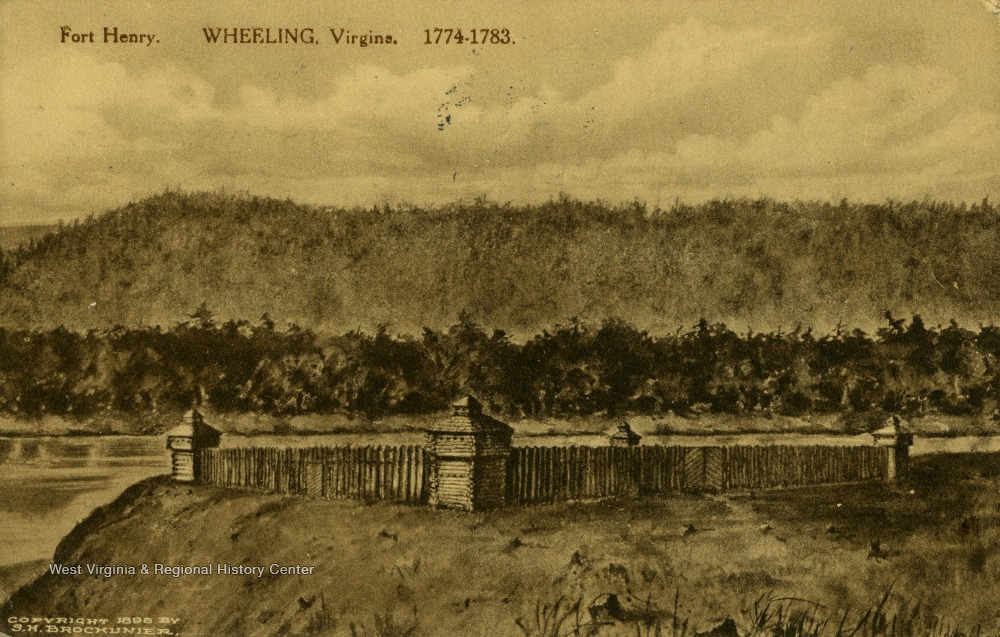
“By no means comparable with the feats of a similar character” and “performed an act of daring” and “nay, desperate horsemanship” and “seldom been equaled by man or beast.” All these describe the amazing escape of Major Samuel McColloch in September 1777 during the attack on Fort Henry around where present-day Wheeling, West Virginia.
I first encountered this amazing, daring, and crazy eluding of capture when I took my own, well not as risky, but still a leap, moving to Wheeling to attend university there. Parents were 3,000 miles away in England and I was attempting to juggle basketball, studies, getting re-acclimated to life in the United States, and unknowingly, a left knee that was about to explode. Being a history major, this was one of the first accounts learned in a freshman year seminar class about local history to inspire the incoming students to explore the area outside of campus.
Fort Henry, built in 1774, was originally named Fort Fincastle, one of the titles of Lord Dunmore, the royal governor of Virginia. When the colonies revolted, the fortification was renamed in honor of Patrick Henry.
When Benedict Arnold’s troops departed in January, 1781, Richmond had not seen the last of redcoats. That spring British troops returned to the area, occupying Petersburg. Then Lord Charles Cornwallis arrived in the state with a larger British force, having marched north from Wilmington, NC.
Cornwallis’s army marched far and wide across the Commonwealth that summer, reaching Ox Ford on the North Anna (scene of a Civil War battle in 1864), and west towards Charlottesville. Returning to the east, Cornwallis’s forces marched into Richmond in June on the Three Chopt Road, now a major US Highway. That summer General Lafayette led American troops in Virginia, but his force was too small to directly challenge the British, and he stayed out of striking distance.
Over 5,000 Redcoats, Germans, and Loyalists marched down Main Street, all of the troops who eventually ended up at Yorktown. From June 17-20, redcoats again patrolled the dusty streets of the state capital. During those four days they destroyed some homes (under what circumstances it is not clear), piled up tobacco in the streets and set fire to it, and destroyed valuable supplies like salt, harnesses, muskets, and flour. The streets that were once the scene of illuminations to celebrate the Declaration of Independence were now lit by the fires of destruction.
Various accounts noted the poor condition of troops: uniforms being tattered and many lacking good shoes. The weeks of hard marching were taking their toll. British officer John G. Simcoe wrote, “the army was in the greatest need of shoes and clothing due to the constant marching.”
Civilians peering out their windows would have seen a variety of troops: Scottish Highlanders, English Regulars from England and Ireland, Carolina Loyalists, Hessians, and runaway slaves who had joined them.
Cornwallis’s forces began their march early on June 20, moving down Main Street to the Williamsburg Road, heading east towards Bottoms Bridge. In so doing, they passed by the future site of the Civil War battle of Seven Pines, and the Richmond Airport. Traces of the old Williamsburg Road run parallel to Route 60 from Sandston to Bottom’s Bridge.
Lafayette’s pursing troops entered the town from the west on June 22nd, continuing on towards Bottoms’ Bridge the next day. We have only three brief descriptions of the American army’s pursuit through Richmond. They are all tantalizing, leaving us wishing for more details.
Lieutenant John Bell Tilden of the 2nd Pennsylvania Battalion described the unfinished canal and ruins of the Westham Foundry: “This day I went to see the curious work of Mr. Ballertine- he had made a canal one mile in length, and about twenty feet wide, alongside of James River, in the centre of which he had built a curious fish basket, and at the end of the canal was a grist mill, with four pair of stones. Bordering on which was a Bloomery, Boring mill and elegant manor house, which was destroyed by that devlish rascal Arnold.”
Virginia militia Colonel Daniel Trabue wrote, “Our militia was called for, and all other counties, also, and we all joined Gen. Lafayette. As he neared Richmond, Lord Cornwallis left the city in the evening. The next morning a little after sunrise. General Lafayette marched through the town with his army, each man’s hat contained a green bush. I thought it was the prettiest sight I had ever seen. Lord Cornwallis had retreated, and our army advanced after them, passing through the city some 3 or 4 miles and then halted on the river road.”
Captain John Davis of the 3rd Pennsylvania Battalion wrote, “This day passed through Richmond in 24 hours after the enemy evacuated it- it appears a place of much distress.”
Another Pennsylvanian, Lieutenant William Feltman of the 1st Battalion, noted that the British had “destroyed a great quantity of tobacco, which they threw into the streets and set fire to it.” Feltman had the opportunity to break away from the camp and enjoy some leisure in the town, writing, ‘spent the afternoon playing billiards and drinking wine.” The Continental troops camped that night at Gillies Creek, just east of the city, where the battle in January had begun. They rose at 2 o’clock in the morning to resume their pursuit.
The troops moved on to Williamsburg and Yorktown, where a two-week siege in October resulted in the British surrender. The Yorktown campaign was the culmination of the Revolutionary War.
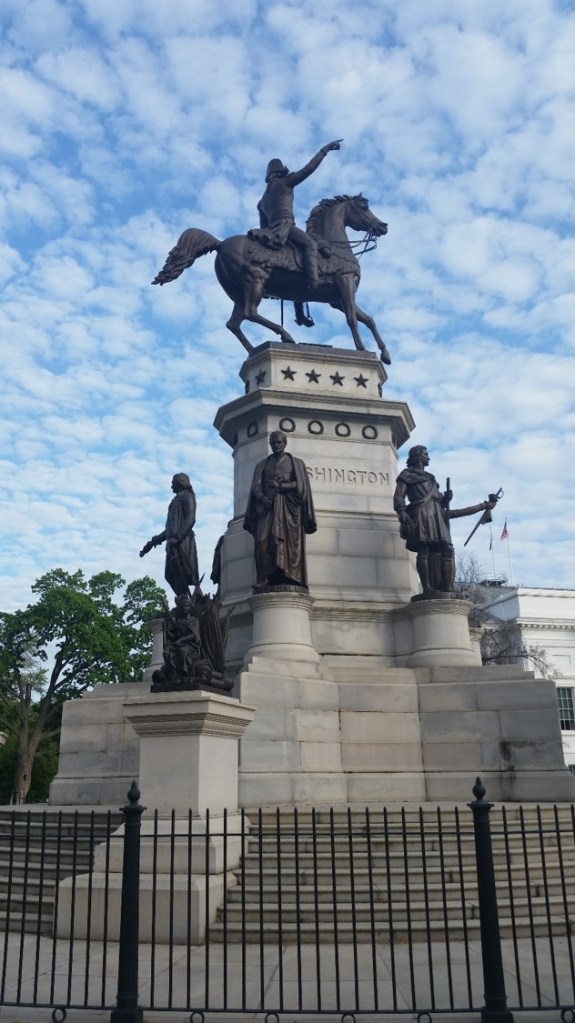
Richmond recovered and grew quickly after the war. Today there are few reminders of the Revolution in Richmond. A few tangible places to visit include Wilton Plantation, the First Freedom Center, St. John’s Church, the Washington Monument on Capitol Square, and the site of the skirmish on Chimborazo Hill.
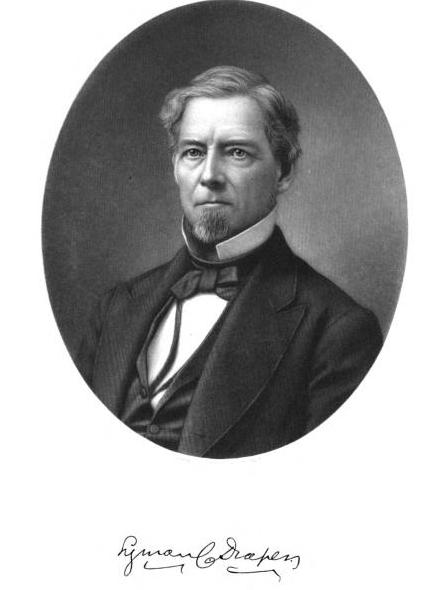
Lyman Copeland Draper from the Fronts-pieceof his book, King’s Mountain and its Heroes, 1881 (Wikimedia Commons)
For the last century, everyone studying the frontier in the American Revolution has owed a debt to Lyman C. Draper. Not many people are familiar with him, but he compiled one of the deepest and most extensive collections of original material related to the Trans-Appalachian Frontier, particularly during the American Revolution. His hard work and extensive efforts represent a life dedicated to history that enabled his successors to continue his remarkable work .
Born in western New York in 1815, Draper’s grandfathers were both veterans of war with the British, either during the American Revolution or the War of 1812. Given the number of veterans moving west to start farms after the war, a young and impressionable Draper heard their stories. Draper’s family eventually settled in Lockport, NY on the Erie Canal and that is where he attended Continue reading “Historians from the Past: Lyman Draper”→
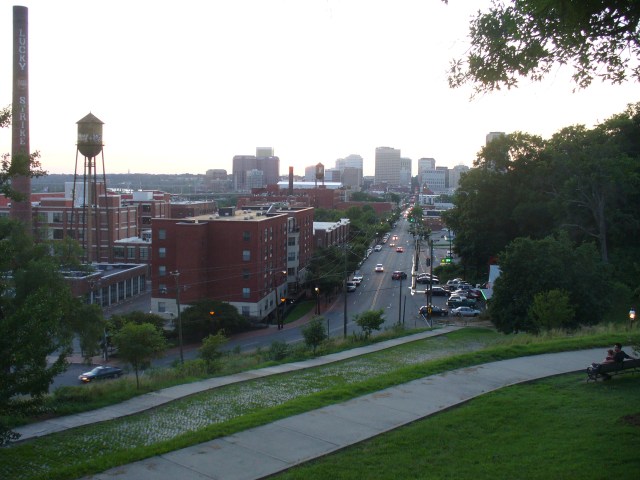
In Part I we learned how the British under General Arnold captured Richmond. In the meantime Governor Thomas Jefferson had fled, along with members of the legislature. The British occupied the town for 24 hours, destroying supplies and wrecking the Westham iron foundry, west of the village.
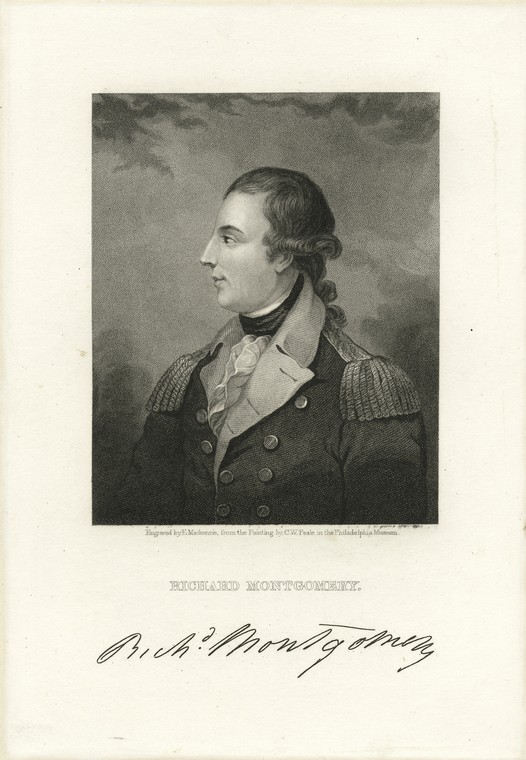
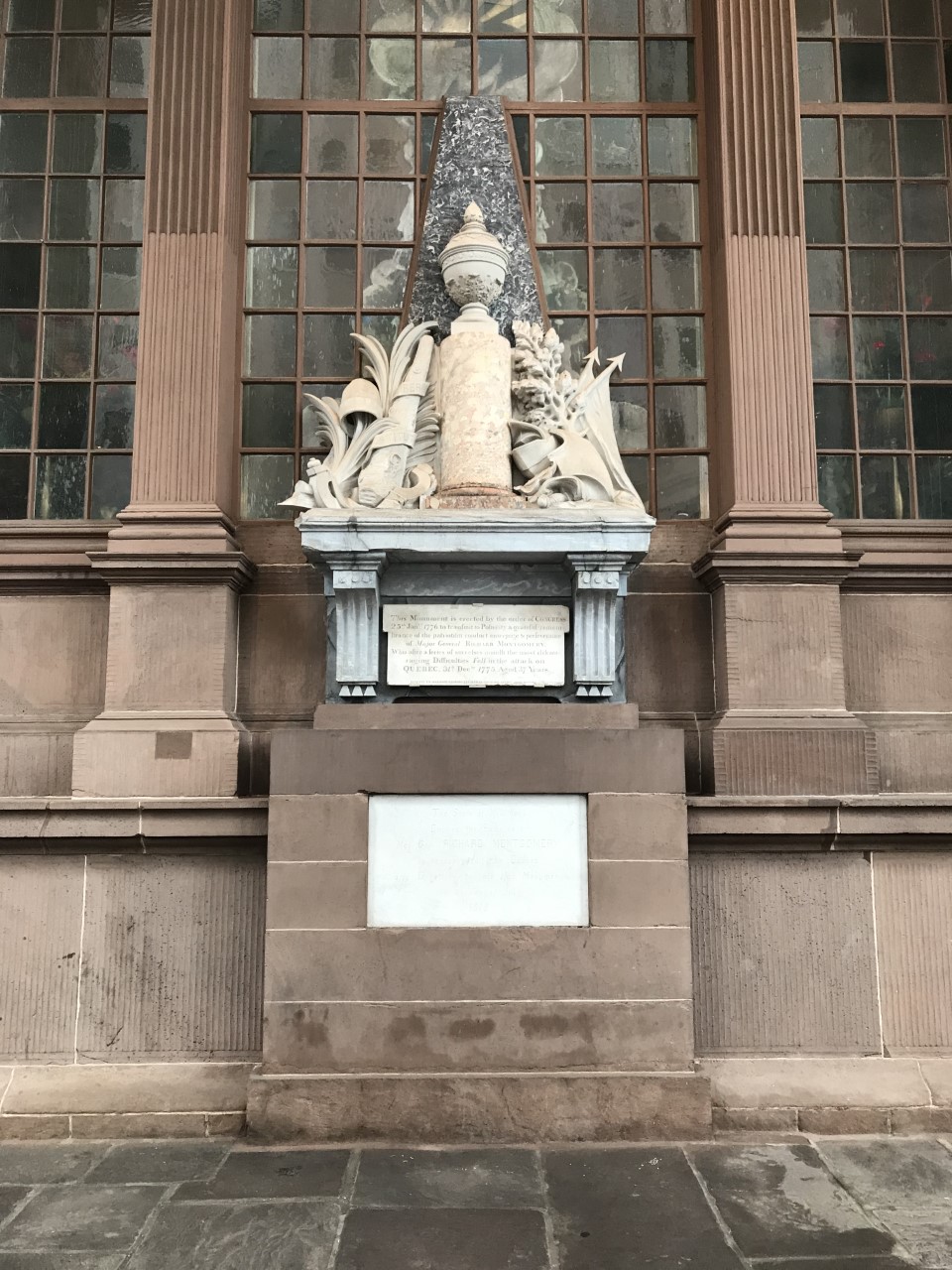
It was New Years’ Eve, 1775. An American army, divided into two wings, assaults the lower town outside the walls of British-held Quebec, Canada. Through a blinding snowstorm, Col. Benedict Arnold led 600 men along the northern edge of the city’s walls, while Gen. Richard Montgomery advanced to the southeast with roughly 300 Continentals. The attack was a disaster. Outnumbered nearly 2 to 1, the Americans were cut to pieces and close to 400 men, including Capt. Daniel Morgan, were taken prisoner. Arnold was wounded early in the offensive, his left leg (the same that would be shattered at Saratoga less than two years later) struck by an enemy ball. Montgomery, the commander of the expedition, was cut down at the head of his column by a blast of grapeshot at near point-blank range. With his heroic death, Montgomery would become one of the first high-profile martyrs of the American cause, and the Continental Congress would memorialize him by commissioning a monument in his honor less than a month later. This monument, now situated at the front of St. Paul’s Chapel along Broadway in New York City, was the first ever commissioned by the American government.
General Richard Montgomery (nypl)
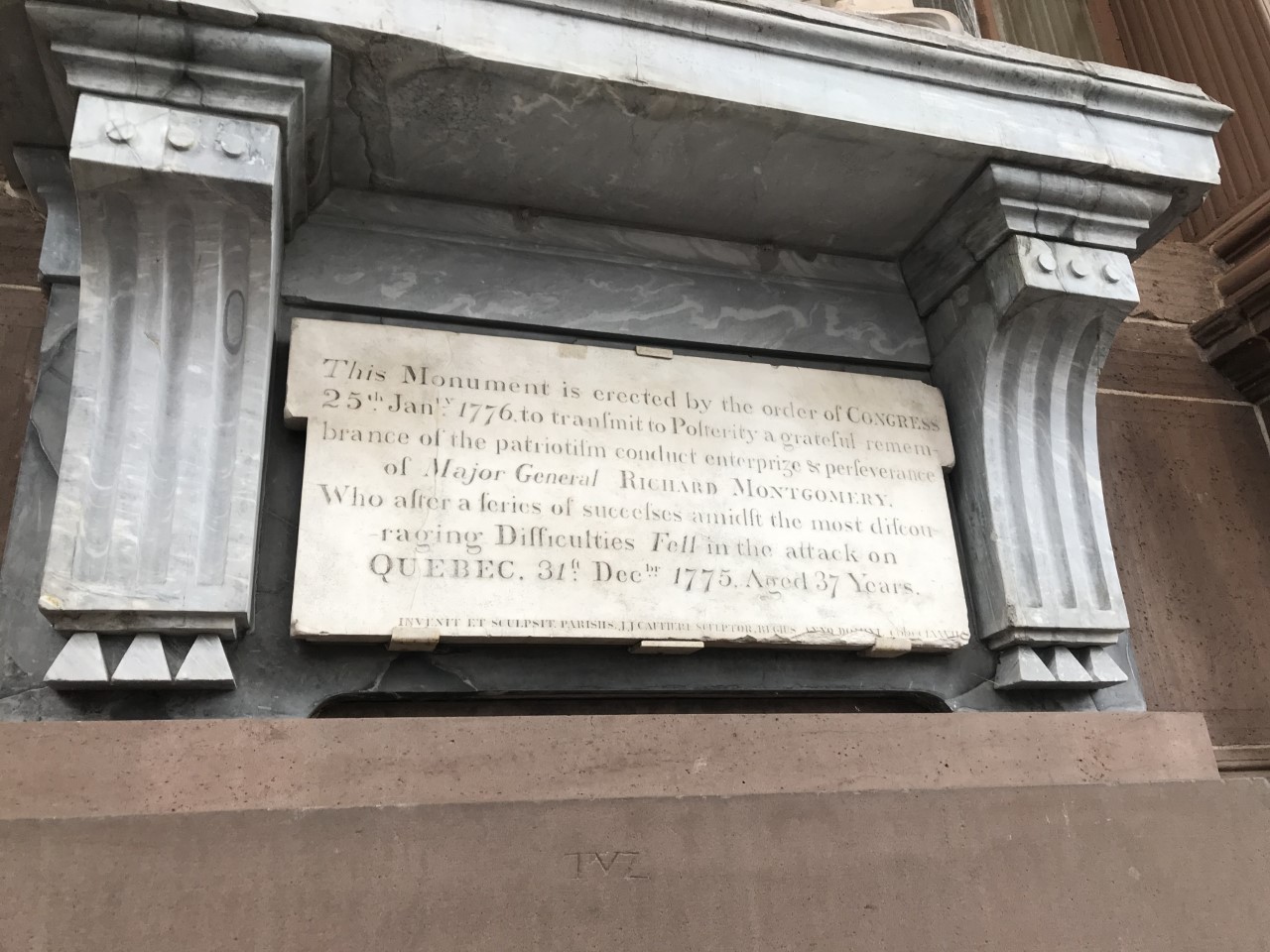
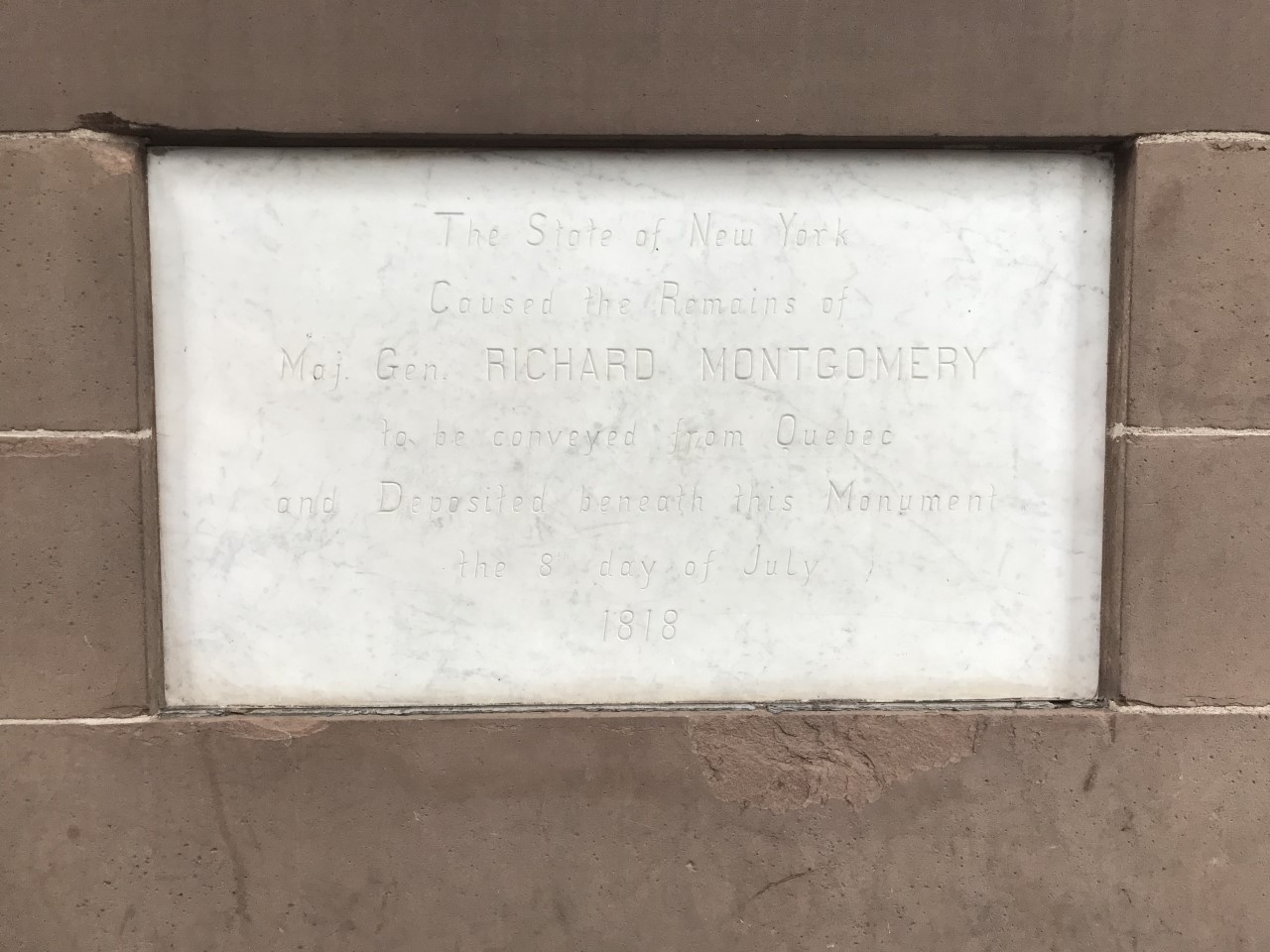
Following the news of his death, the public was quick to eulogize Montgomery through orations, sermons, songs, and poems. He became a symbol of American service and sacrifice in the great struggle for liberty. On January 25, 1776, the Continental Congress approved appropriations for a monument to be built in his memory to “transmit to Prosperity a grateful remembrance of the patriotism conduct enterprize & perseverance of Major General Richard Montgomery.” This monument would not be placed above the general’s grave as it is today—Montgomery’s body was still buried in Quebec. In fact, his remains would not be disinterred and transported to New York City until 1818.
Montgomery Monument and Tomb, St. Paul’s Chapel, New York City
The story of the Montgomery monument does not end yet. Jean-Jacques Caffieri, King Louis XVI’s personal sculptor, was commissioned by Benjamin Franklin in Paris on behalf of Congress to make the idea a reality. Upon its completion, the finished product was set to be shipped to Independence Hall in Philadelphia. Departing from the port in Le Havre, it journeyed to Edenton, North Carolina, where it was placed in storage. The war made its transfer to Philadelphia almost impossible, and the stone was seemingly lost and forgotten until after the conflict ended.
Close-up of the Continental Congress’s Inscription
With peace came a renewed resolve to have one of the nation’s “first” heroes memorialized. Rediscovered, the Montgomery monument (after a long campaign of letter writing by both Franklin and the general’s wife, Janet) was installed in St. Paul’s Chapel in June 1788, over twelve years since it was first commissioned. Thirty years later, the New York State legislature approved to transport Montgomery’s remains to New York City and entomb them beneath the monument. On July 4, 1818, the general lay in state in the capital building in Albany, and four days later he was finally interred on American soil, his adopted home he had died in the service of.[1]
1818 Tomb of General Montgomery Underneath the Monument



 Emerging Revolutionary War Era