The Zenger Trial and Seeds of The American Revolution

Emerging Revolutionary War welcomes back guest historian Eric Wiser

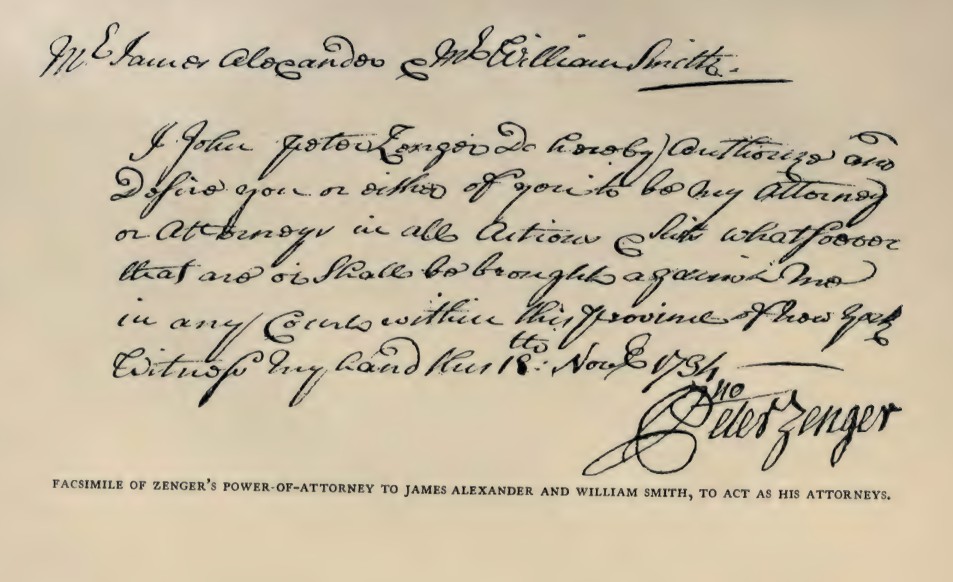
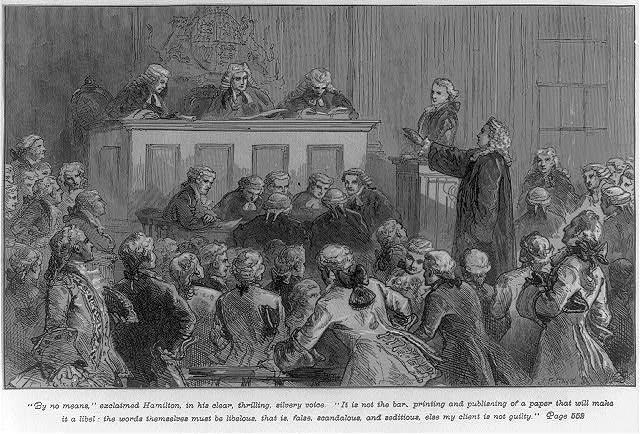
On August 4, 1735 printer John Peter Zenger was acquitted of seditious libel in a dramatic trial before a crowded courtroom in New York’s City Hall.  Zenger languished nine months in jail before his acquittal for “printing and publishing a false, scandalous and seditious libel, in which His Excellency the Governor of this Province, who is the King’s immediate representative…” Zenger’s odds were long given New York Supreme Court’s disbarment of his original attorneys in the pre-trial stage. Aggrieved Royal Gov. William Cosby had a legitimate claim under English Common Law that he was seditiously libeled.[1]  

Zenger’s fame as an early martyr of freedom of the press is well known.  In terms of America’s founding, it’s difficult to imagine independence without the dissemination of ideas through pamphlets and newspapers. Benjamin Franklin, a printer himself whose own brother James was imprisoned by authorities in Massachusetts a decade before Zenger, commented on freedom of the press: “This sacred Privilege is so essential to free Governments, that the Security of Property, and the Freedom of Speech always go together; and in those wretched Countries where a Man cannot call his Tongue his own, he can scarce call any Thing else his own.”[2] 

Despite being thirty-years before the Stamp Act of 1765, the Zenger trial and political conditions surrounding it have seedlings sprouting growth in the Revolution. The substance of these can be traced to the colonial grievances inspired by acts of Parliament which in turn became articulated in the Declaration of Independence. Factionalism between supporters of Crown representatives and those opposed was present in the Zenger episode in nascent form.  The rhetoric expressed by Zenger’s attorneys is indistinguishable from the much of the lofty language in the Revolution less “independence.”  

Continue reading “The Zenger Trial and Seeds of The American Revolution”
“Rev War Revelry” Founding Martyr Dr. Joseph Warren

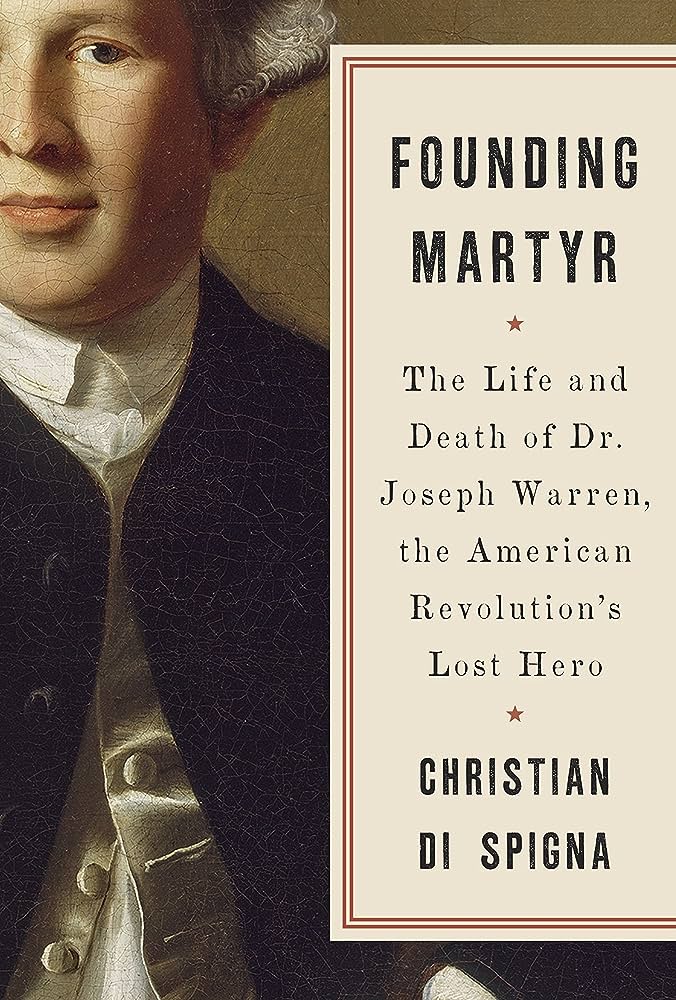
Dr. Joseph Warren is considered by many “the lost hero of the American Revolution.” Warren was the brainchild of the revolution movement in Boston. Warren was involved in almost every major insurrectionary act in the Boston area for a decade, from the Stamp Act protests to the Boston Massacre to the Boston Tea Party, and his incendiary writings included the famous Suffolk Resolves, which helped unite the colonies against Britain and inspired the Declaration of Independence.

Joining Emerging Revolutionary War will be historian and author Christian Di Spigna. He is the author of Founding Martyr: The Life and Death of Dr. Joseph Warren, the American Revolution’s lost hero. He is the Executive Director of the Dr. Joseph Warren Foundation and is the vice chairman for the Revolution 250 committee of Massachusetts Freemasons. He also serves on the board of the Bunker Hill Monument Association.

As we approach the 250th commemoration of the Boston Tea Party, we will focus on Warren’s life, his role in the Boston Tea Party and his lasting impact on the Revolution. Grab a drink and join us as we talk with author and historian Di Spigna about Warren, the patriot who once said…

“When Liberty is the prize, who would shun the warfare? Who would stoop to waste a coward thought on life?”

See you Sunday at 7 p.m. EDT on Emerging Revolutionary War’s Facebook page!

Americana Corner

Our monthly recap of what our good friend and fellow historian Tom Hand has written on his blog, AmericanaCorner. Also, check out Emerging Revolutionary War’s YouTube page for a “Rev War Revelry” with Tom Hand done earlier this month.

September 21st:
Americans with a Shared Future Meet at the Stamp Act Congress

The Stamp Act Congress was held in New York in 1765 in response to the Stamp Act, a piece of legislation passed by Parliament. The Act itself and the events that transpired because of it would prove to be hugely impactful on the destiny of America. Read it here.

September 14th:
Fort Ticonderoga: A Key Component in America’s Quest for Independence

Fort Ticonderoga in upstate New York is arguably the best-preserved fort from the 1700s in North America. It was the site of several engagements in both the French and Indian War and the American Revolution. Its military significance is matched only by the natural beauty that surrounds the site. Read it here.

September 7th:
British Colonies Work Together During the Albany Congress of 1754

The Albany Congress was held in the summer of 1754 and represents the first time the British colonies in North America ever attempted joint action. Unlike the conventions held in later decades, which focused on pushing back against England, the goal of this conference was to help the British in their fight against the French and their Indian allies. Read it here.