

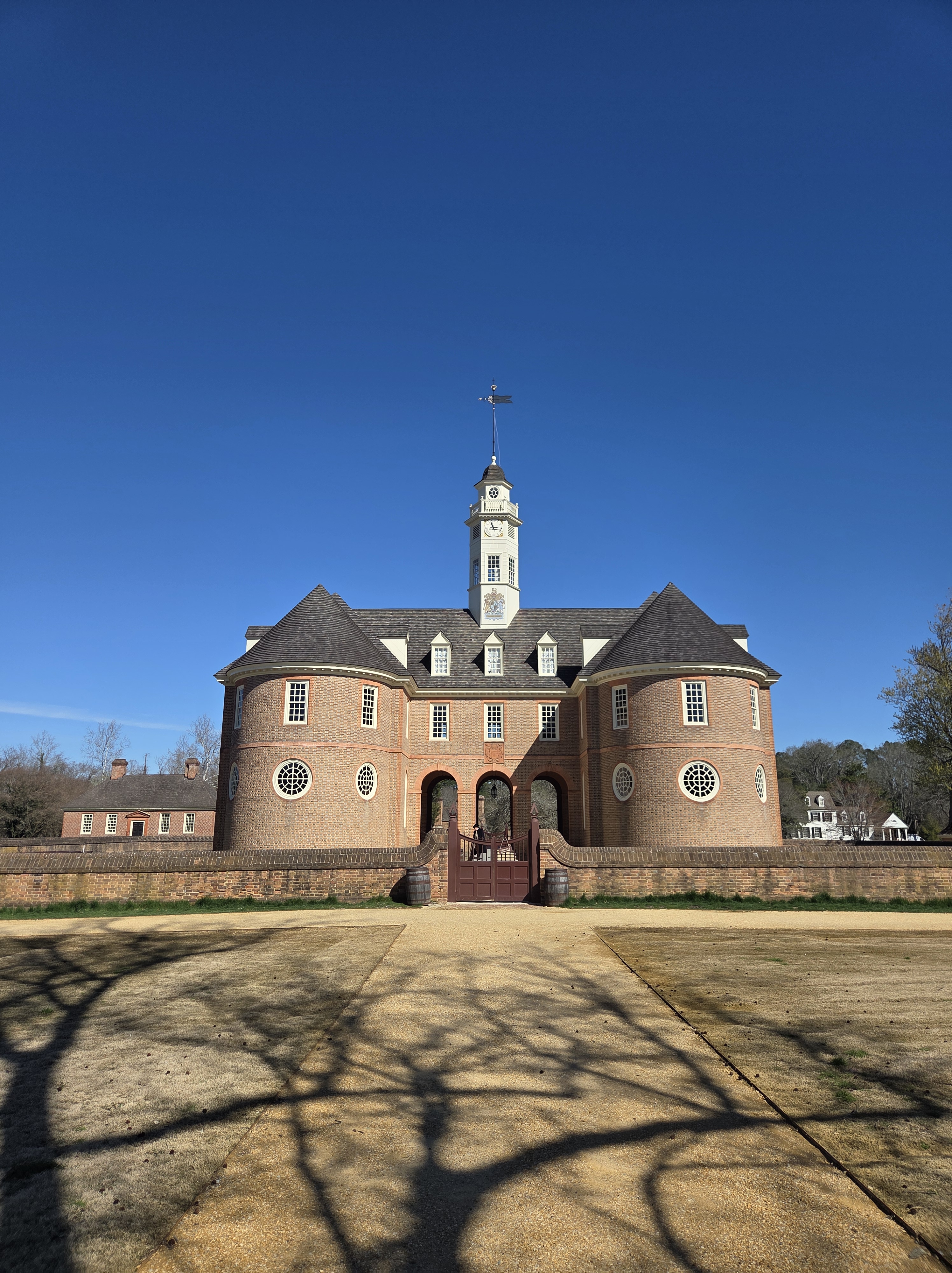
“…declare the United Colonies free and independent states…” 250th of the Virginia Fifth Convention Resolution 

Virginia Capitol in Williamsburg,
March 2026

As the Second Continental Congress in Philadelphia debated on next steps and the ultimate goal of the war with Great Britain, leaders in Virginia decided to push the needle. Virginia was the largest (population and economically wise) colony in the 13 rebellious colonies. Many of its leaders were seen as leaders in the Continental Congress and in revolutionary thought. Other colonial leaders, including John Adams, knew that for the war and independence to be successful, Virginia needed to be a leading participant in the effort.

The Fifth Virginia Convention, the extra-legal body running Virginia in the absence of Royal authority, met in the Virginia Capitol in Williamsburg on May 6, 1776. There was a lot to discuss among the members. The Convention consisted of more conservative planters from the eastern part of the colony. These members tended to favor reconciliation with the mother country. Other members of the convention, that supported a more radical response were from the western part of the colony (west of the fall line) and many of its legal and philosophical minds (George Mason, James Madison, George Wythe). These men, who held the majority of the Convention, favored independence and also held the hearts and minds of most Virginians.

The most significant action of the Fifth Convention came on May 15, 1776, adopting groundbreaking resolutions. First the Convention directed Virginia’s delegates to the Continental Congress to propose a formal declaration of independence, to “declare the United Colonies free and independent states…” This directive was the first official call from any colony for a complete break with Britain. It signaled that reconciliation was no longer the goal; independence had become both necessary and inevitable in the minds of Virginia’s revolutionary leaders.

The resolution went even further. It not only urged independence but also called for the establishment of foreign alliances and confederation among the colonies. These measures demonstrated a sophisticated understanding of what independence would require: diplomatic recognition, military support, and political unity. Virginia’s leadership recognized that separation from Britain would not be sustainable without these elements in place. Soon, on June 7, 1776 in Philadelphia, Virginian Richard Henry Lee took the direction from the Fifth Convention and proposed that the Continental Congress declare independence.

Secondly, the Convention called for constructing its own independent government, taking concrete steps to replace colonial rule with a republican system. This new constitution of the “Commonwealth of Virginia’ would set up the system for which Virginia would be governed. Finally, the convention appointed a committee to draft a declaration of rights. This effort reflected the belief that independence was not just about rejecting British authority but also about creating a new political order grounded in principles of liberty and self-government.

One of the most influential figures in this process was George Mason. Mason drafted the Virginia Declaration of Rights, a document that would become one of the most important statements of political philosophy in the revolutionary era. Adopted in June 1776, it asserted that all men are by nature equally free and possess inherent rights, including the enjoyment of life and liberty, the means of acquiring property, and the pursuit of happiness and safety. It also emphasized that government derives its power from the people and must be accountable to them.
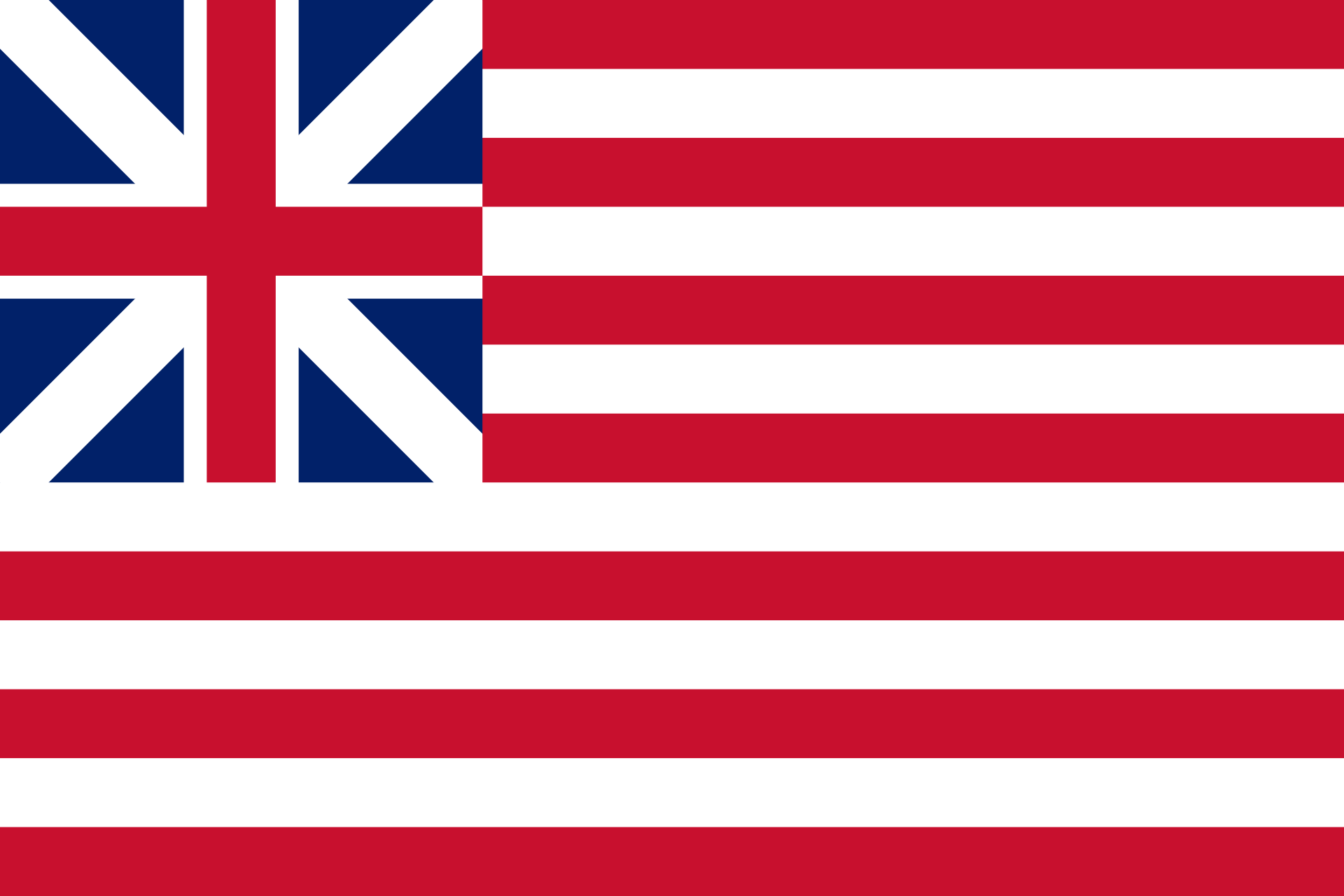
Delegate James Madison wrote
townspeople in Williamsburg took
down the Union Jack and replaced it
with the Continental Union flag.

Another key figure connected to Virginia’s revolutionary leadership was Thomas Jefferson, who was serving in the Continental Congress. Although he was not present at the Virginia Convention in May, the instructions sent by Virginia directly influenced his work. When Congress appointed a committee to draft a declaration of independence, Jefferson drew heavily on ideas similar to those expressed in Mason’s document. The resulting United States Declaration of Independence, adopted in July, echoed Virginia’s emphasis on natural rights and the legitimacy of revolution against unjust government. The Convention also created a committee to design a state seal, this committee (led by George Wythe) adopted the seal of Virginia that is the basis for the seal used today.

Virginia’s actions in May 1776 also reflected broader social and political changes within the colony. The authority of the royal governor, Lord Dunmore, had effectively collapsed, and revolutionary institutions had taken control. Local committees and militias enforced the decisions of the convention, demonstrating that power had shifted from imperial officials to colonial leaders. This transition was not without conflict, but by May 1776, the revolutionary cause had gained widespread support among Virginia’s population. In the mind of Virginians, as of May 1776, Virginia was independent of the King and Parliament of Great Britain.

On June 12th, a follow up article will commemorate the 250th anniversary of the Virginia Declaration of Rights.
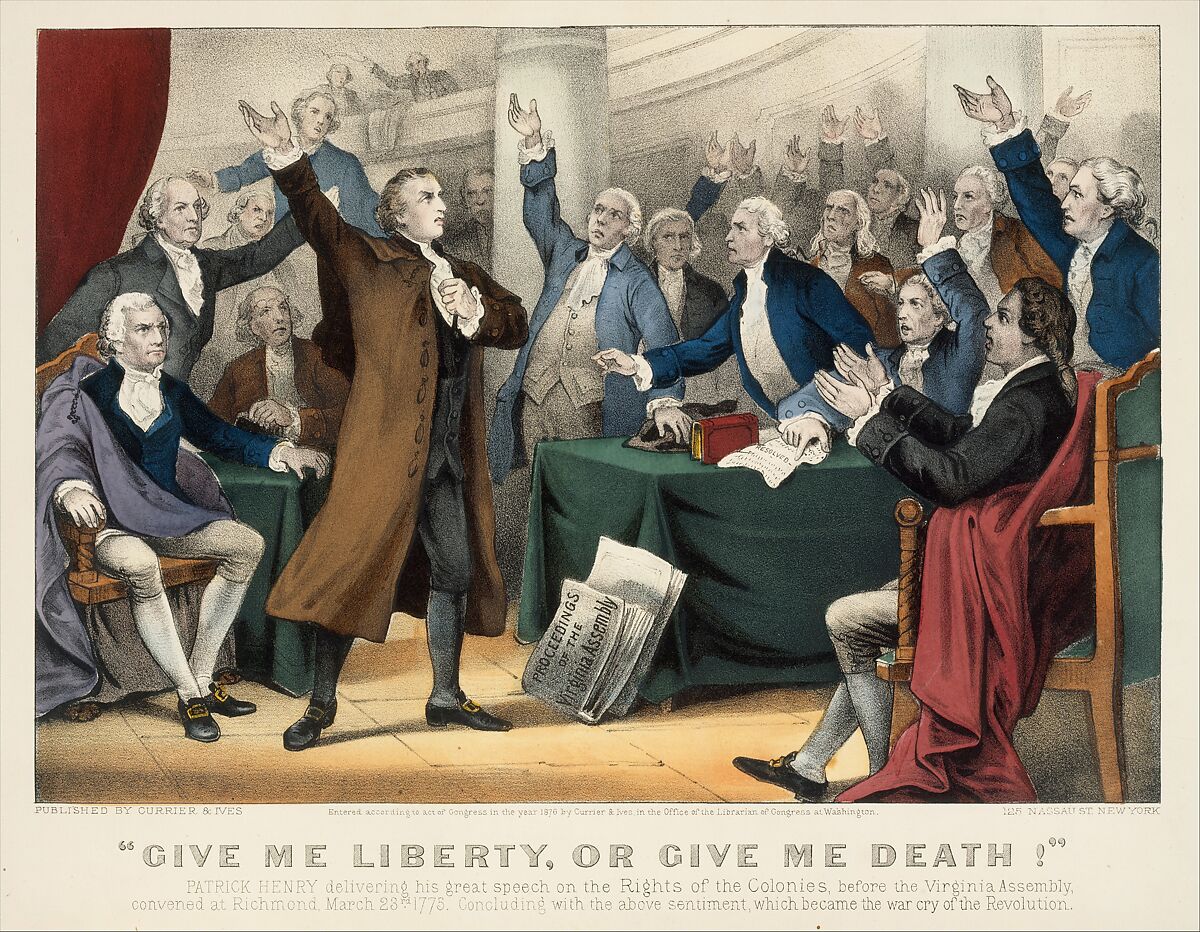

“never heard anything more infamously insolent” Loyalist and British response to Patrick Henry’s famous speech

Patrick Henry’s famous speech, delivered on March 23, 1775, before the Virginia Convention at St. John’s Church in Richmond, has become one of the most iconic calls to action in American history. His fiery declaration—“Give me liberty, or give me death!”—was a passionate plea for resistance against British tyranny and a rallying cry for colonial unity in the face of increasing oppression. While Patrick Henry’s speech electrified the American colonies and inspired many to embrace the revolutionary cause, Great Britain’s response to such sentiments, and to the broader colonial rebellion, was both dismissive and aggressive. The British government’s approach to colonial dissent during this period sheds light on their underestimation of the revolutionary movement and the rigidity of their imperial policies.

At the time of Henry’s speech, tensions between Great Britain and its American colonies had been escalating for over a decade. Following the French and Indian War (1754–1763), Britain sought to tighten its control over its colonies and recover war debts by imposing taxes such as the Stamp Act (1765) and the Townshend Acts (1767). These measures were deeply unpopular among colonists, who argued that taxation without representation was a violation of their rights. The colonies’ resistance to British authority—through boycotts, protests, and the formation of groups like the Sons of Liberty—was met with increasing hostility from Britain. By 1775, the situation had deteriorated to the brink of open conflict.

From the British perspective, Patrick Henry’s speech, and similar revolutionary rhetoric, would have been seen as treasonous and inflammatory. The British government viewed the colonies not as equal partners in the empire but as subordinate territories meant to serve the interests of the Crown. Henry’s call to arms was a direct challenge to this hierarchical structure, and British officials were likely to dismiss it as the rantings of a radical minority. However, the speech also highlighted the growing unity and resolve among the colonists, which British leaders largely failed to grasp. This underestimation of colonial sentiment was one of the key reasons why Britain’s response to the American Revolution was ultimately ineffective. Loyalist James Parker wrote ““You never heard anything more infamously insolent than P. Henry’s speech: he called the K—— a Tyrant, a fool, a puppet, and a tool to the ministry,”

The British response to colonial dissent, including the sentiments expressed in Henry’s speech, was characterized by a combination of punitive measures and military force. In the years leading up to the speech, Britain had already implemented harsh policies, such as the Coercive Acts (1774), known in the colonies as the Intolerable Acts. These laws were designed to punish Massachusetts for the Boston Tea Party and to reassert British authority over the colonies. Instead of quelling dissent, these measures only served to galvanize colonial resistance and unify the colonies against British rule.

St. John’s Church, ca 1865 – courtesy Library of Congress

After Henry’s speech, Britain’s strategy remained focused on suppressing the rebellion through force rather than addressing the colonies’ grievances. By April 1775, just weeks after Henry’s address, British troops marched to Lexington and Concord to seize colonial military supplies, leading to the first battles of the Revolutionary War. This military action demonstrated Britain’s refusal to engage in meaningful dialogue with the colonies and its commitment to maintaining control through coercion. Though considered by many as a spark of revolution, Henry’s motion and speech did not reach Great Britain until after the fighting broke out at Lexington and Concord. Though combined, hearing Virginia’s martial push with rebellion in New England proved this was not a localized issue.

One of the reasons Britain failed to adequately respond to the ideological challenge posed by Henry’s speech was its inability to understand the depth of colonial dissatisfaction. British officials often dismissed colonial leaders as self-interested agitators and underestimated the widespread support for revolutionary ideas. This miscalculation led to a reliance on military solutions, which further alienated the colonies and made reconciliation increasingly unlikely.

In addition to military measures, Britain attempted to divide the colonies and weaken their resolve. Propaganda campaigns and offers of pardons were used to sway public opinion and encourage loyalty to the Crown. However, these efforts were largely unsuccessful, as revolutionary leaders like Patrick Henry were able to inspire unity and resilience among the colonists.

Ultimately, Britain’s response to the sentiments expressed in Patrick Henry’s “Give me liberty, or give me death” speech reflected a broader pattern of misjudgment and inflexibility. By dismissing the legitimate grievances of the colonies and relying on punitive measures and military force, Britain failed to address the underlying causes of the American Revolution. Henry’s speech symbolized the growing determination of the American colonies to fight for their independence, and Britain’s inability to adapt to this reality ensured that conflict was inevitable. In the end, Henry’s passionate plea for liberty became a rallying cry for a new nation, while Britain’s response marked the beginning of its eventual loss of the American colonies.