

July 4, 2026 is not only the 250th anniversary of America’s birth, it’s also the 200th anniversary of the near-simultaneous deaths of Thomas Jefferson and John Adams. It’s one of the greatest coincidences in American history: the two Founders most responsible for independence died on the 50th anniversary of Independence Day.
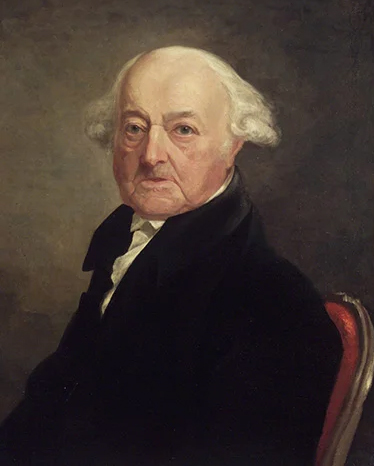
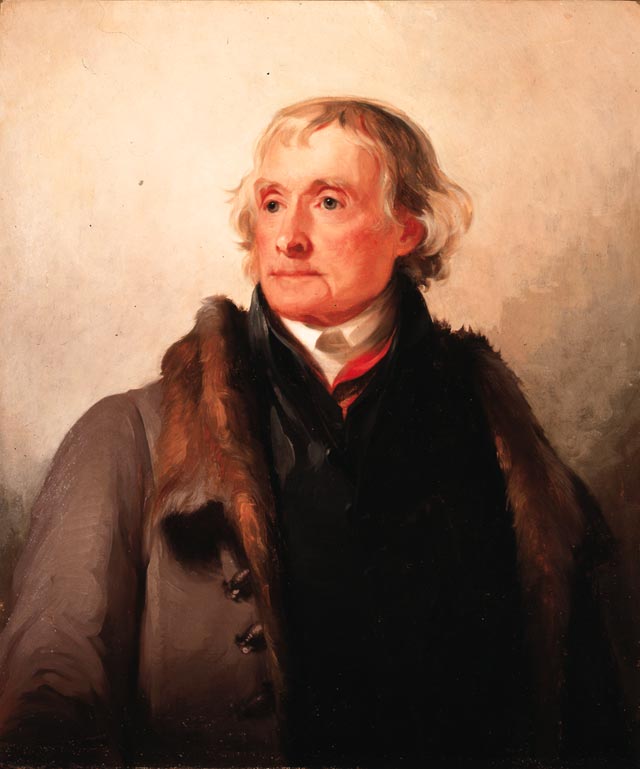
Jefferson was 83; Adams 90.
Nearly toothless, nearly blind, Adams could hardly get around. He lacked the vigor that had once let him walk miles a day for exercise. Jefferson had been slowly wearing down from an aggravated prostate problem and, by 1826, was taking large daily doses of laudanum as treatment.
Both knew they were well into their twilights. When asked to appear at commemoration ceremonies for the 50th anniversary of the Declaration, both declined. Aware their respective conditions prohibited robust orations, let alone travel to get anywhere. Adams cited his “feeble state” while Jefferson his “ill health.”
Jefferson did muster a beautiful message to be read aloud in his absence. He knew it was likely his last public message and so summoned all his powers of eloquent penmanship.
“[T]he mass of mankind has not been born with saddles on their backs, nor a favor, few booted and spurred, ready to ride the legitimately, by the grace of God.”
Adams, true to form, kept things blunt in his written message: “Independence forever. Not one word more.”
On July 4, 1826, Jefferson went first. He had been in declining health for days and by July 3, had been fading in and out of consciousness, barely hanging on. Late in the day, he woke to ask his granddaughter, “Is it the fourth yet?” Jefferson understood the symbolic power his death would have if it came on such an auspicious occasion. He had no way of knowing that his revolutionary partner/rival/friend in Quincy, Massachusetts was also on death’s door. Adams had collapsed quite suddenly on the morning of the fourth—apparently a heart attack—deteriorating throughout the day.
Jefferson lingered into July 4 and died at 12:50 p.m.—a bust of Adams watching over him from across his study. Adams died at 6:00 that evening, unaware that his old friend had preceded him by just a few hours. He was pleased to think that Jefferson, his junior, would outlast him. “Thomas Jefferson survives,” he said.
The statement had a powerful, dramatic flare, that makes such a perfect, tidy ending to the story. Although not literally accurate, Adams knew, even then, that Jefferson’s optimistic, aspirational vision of American history had triumphed over his own more realistic take on events. Adams hated the romanticized version of the American founding that had sprung up. How ironic that his death and Jefferson’s and the Declaration 50th anniversary all coincided—as romantic a flourish as possible for the end of the Revolutionary Era.
Chris Mackowski is the author of Atlas of Independence: John Adams and the American Revolution, part of the Emerging Revolutionary War Series from Savas Beatie.

