2022 Revolutionary War Symposium: The World Turned Upside Down: The Impact on a Global Scale – Registration now open!

The link to register for the Third annual Emerging Revolutionary War Symposium on September 24, 2022 is now live! To register for this year’s symposium visit: https://shop.alexandriava.gov/EventPurchase.aspx

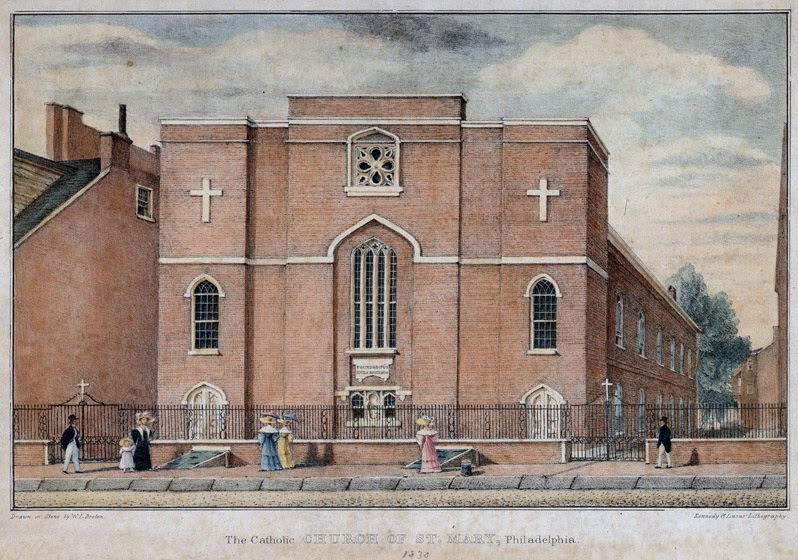
The Lyceum in historic Alexandria, VA

Emerging Revolutionary War is excited to continue our partnership with Gadsby’s Tavern Museum and The Lyceum of Alexandria, VA to bring to you a day-long Symposium focusing on the American Revolution. The theme for 2022 is “The World Turned Upside: The American Revolution’s Impact on a Global Scale.” The American Revolution created waves across the world with its lasting impacts felt even today. This symposium will study the effects of this revolution that transformed governments and the governed across the globe.

King Louis XVI

Our speakers and topics include:

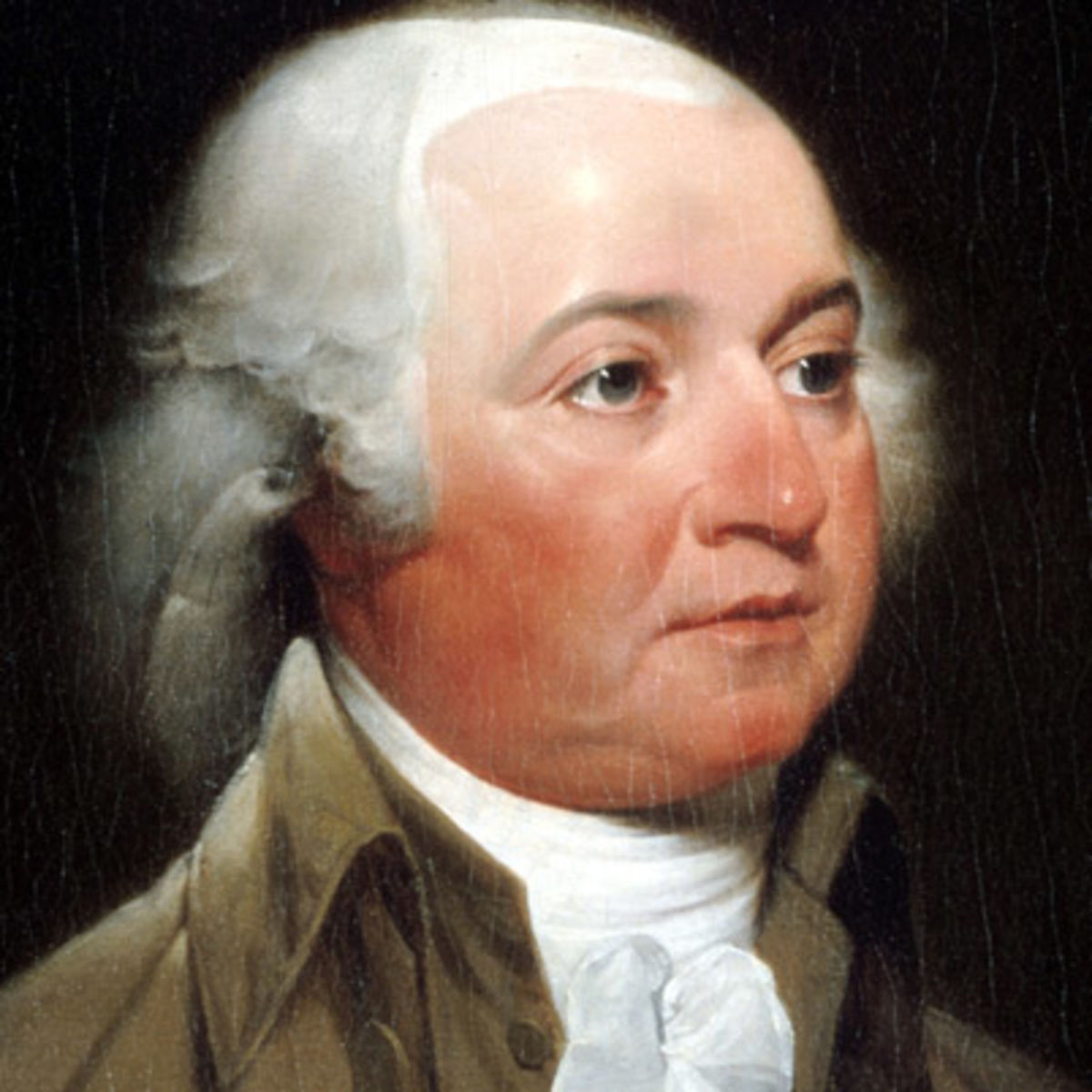
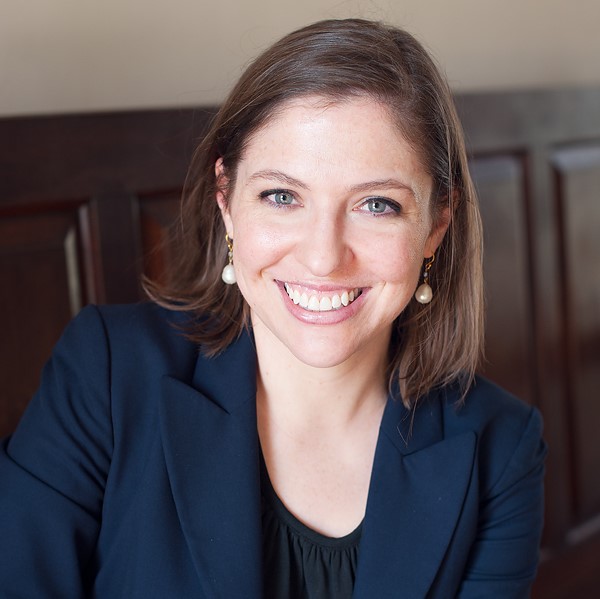
Dr. Lindsay Chervinsky: “Peace and Inviolable Faith with All Nations”: John Adams, Independence, and the Quest for Neutrality.

Dr. Norman Desmarais: “Reevaluating Our French Allies”

Kate Gruber: “A Retrospective Revolution: England’s Long 17th Century and the Coming of Revolution in Virginia”

Scott Stroh: “George Mason and the Global Impact of the Virginia Declaration of Rights”

Eric Sterner: “Britain, Russia, and the American War”

We will be highlighting each speaker and their topics in the coming weeks. Registration fee is only $60 per person and $50 for Office of Historic Alexandria members and students. If you feel more comfortable attending virtually, the fee is $30. Again, to register visit: https://shop.alexandriava.gov/EventPurchase.aspx

“Rev War Revelry” Discusses George Washington and John Adams with Tom Hand, Founder of Americana Corner

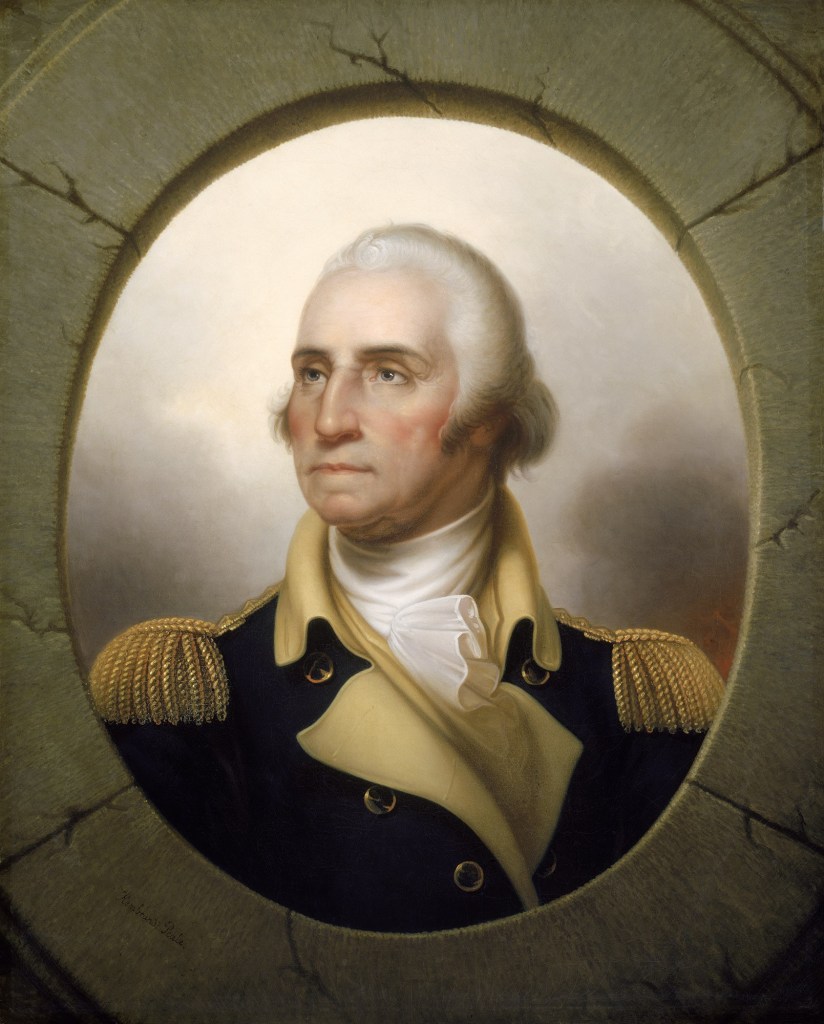
George Washington and John Adams, arguably, were America’s two most influential Founding Fathers. While General Washington was fighting for our country on the fields of battle, John Adams was fighting for it in the halls of the Continental Congress and overseas in the palaces of Europe.

As our first two Presidents, they guided our young nation through the formative first dozen years of life under the United States Constitution. They wisely and bravely set the example for others to follow.

Join Emerging Revolutionary War this Sunday at 7 p.m. EDT on our Facebook page for this week’s “Rev War Revelry” as we discuss the contributions of George Washington and John Adams to America’s fight for independence. Tom Hand will join ERW to discuss how these two men helped to shape our great nation.

Tom is the creator and publisher of Americana Corner, a site he started in 2020 to celebrate the positive stories, great events, and inspirational leaders who helped create and shape our country. Tom is a West Point graduate who founded Gilman Cheese Corporation after leaving the military.

Tom sold the business and now spends most of his time writing for Americana Corner and helping charities with a focus on early America. Tom serves on the Board of Trustees for the American Battlefield Trust and the National Park Foundation’s National Council.

Please join ERW historians and Tom Hand on September 5 for this lively discussion. We look forward to seeing you.

“Rev War Revelry” A Cigar Chat with John Adams

Join Emerging Revolutionary War historians this Sunday, at 7 p.m. EST on our Facebook page for the next historian happy hour. This week we will be joined by John Adams…no that is not a mistype.

John Adams is the founder and owner of Liberty Cigars, which “was founded to reacquaint men and women with the simple pleasure of respite and leisure. Lasting bonds, whether among one or many, are more easily formed when wrought in a relaxed and convivial atmosphere.”

Liberty Cigars

That “convivial atmosphere” will be recreated during the next installment of “Rev War Revelry” as ERW historians will discuss tobacco, cigars, and the founding generation of the United States.

“In the time to come we will share the incredible stories of our great republics’ illustrious history with the hope that through you, it will long endure. Our premium cigars are named for a seminal person, event or entity in history so that we may honor them, as we should, across the ages” according to Adams.

Liberty Cigars is part of the American History Guild, founded over a decade ago to “rekindle and stoke the sacred fire of liberty.”

We hope you can set aside an hour of your weekend to join us in “the simple pleasure of respite and leisure” with John Adams. If weather permits, there may be another twist to the “Revelry” on Sunday evening.

“Rev War Roundtable with ERW” All Things Independence Day

As this posting goes live today, July 2, there is a link to the American Revolutionary War era. This was the day that John Adams, future president of the United States, believed would be the date Americans would celebrate as their independence day.

Yet, the day reserved for that celebration would fall two days later, on July 4, the date that John Hancock affixed his signature as president of the Continental Congress.

However, join Emerging Revolutionary War historians and three guest historians this Sunday, July 5, at 7 pm EST, on our Facebook page, as another date to talk “All Things Independence Day” including John Adams and Independence Hall.

Joining ERW to discuss John Adams and Thomas Jefferson, which will be the volume in the Emerging Revolutionary War Series, is Emerging Civil War co-founder and Stevenson Ridge historian-in-residence, Dr. Chris Mackowski.

Savannah Rose, a National Park Service ranger at Independence National Historical Park and the new layout coordinator for the Emerging Revolutionary War Series. You can see her work with the upcoming A Handsome Flogging, on the engagement at Monmouth Course House, which just shipped from the printer this week.

Rounding out the triumvirate of guest historians will be Dan Welch, who you may remember from his dramatic reading of “A Midnight Ride” the poem about Paul Revere’s Ride. Dan is also a seasonal historian with the National Park Service at Gettysburg National Military Park.

As you round out your holiday weekend, we hope that you include “Rev War Revelry” as one of the events you attend to commemorate Independence Day weekend. We look forward to toasting you as we enjoy our favorite brews and discuss “All Things Independence.”

Review: American Rebels, How the Hancock, Adams, and Quincy Families Fanned the Flames of Revolution

Two of the above three last names are very familiar to even casual observers of American history. John Hancock, whose signature is readily apparent at the bottom of the Declaration of Independence, where it was joined by John Adams and Samuel Adams. Yet, that last name in the title, Quincy, may not be as obvious as should be at first glance.

What is remarkable about these last names? Besides, the simple fact that members with those three surnames played a major role in the road to revolution and surprisingly on both sides of the chasm of loyalties? All could trace their roots to a small town in Massachusetts; Braintree.

“The covenant of liberty that they shared would be sharpened by ambition and envy, polished through friendships and love, and fought for in a revolution fomented by these children of Braintree” (pg. 8).

In that town, from its first inhabiting European settlers, the spirit of questioning accepted decrees took root, matured, and blossomed. And until now, the intertwining vines of those family trees had not been put under the microscope of historic observation until the publication this year of American Rebels, How the Hancock, Adams,and Quincy Families Fanned the Flames of Revolution. Penned by Nina Sankovitch an Illinois native, author of several nonfiction works, and resident of New England, she effortlessly weaves the stories of these families into part biography, part family history, and part United States history. All parts equally important and very well written.

“Even as the fortunes of these children of Braintree diverged, their futures would bring them together again. A shared promise connected them, fostered by the history, the land, and the people of Braintree…” (pg. 8)

One of the highlights in the book is the emergence of the Quincy family into a popular history such as this. One of the unsung heroes of the road to revolution was Josiah Quincy Jr.

“As Reverend Hancock preached, the “solemn covenant….of their Liberty” was not obtained through faith alone but could only be realized through hard work performed by a community together. And this sacred covenant would be protected against any and all usurpers who attempted to take their liberty away.” (pg. 15).

Furthermore, Sankovitch brings to the forefront the role of women in the various families and their impact on the time. The best known is Abigail Adams who is the confidant and intellectual equal of her husband, John. Another is the aunt of John Hancock, Lydia, who constantly watches out for John’s place in society. She is the driving force that will bring to fruition the connection between the Quincy and Hancock families. Or Abigail Quincy, who had married Josiah Quincy, Jr., would never remarry but dedicated the rest of her days to raising their son and preserving his memory and contributions to the cause of America. The anguish of losing her beloved is quite evident:

“I have been told that time would wear out the greatest sorrow, but mine I find is still increasing. When it will have reached its summit, I know not.” (pg. 348).

Highlighted by the quote above, the author brings these historic personas and people to life, capturing the heartache, familial turmoil, ambition, and connections. Just as these families bred revolutionaries, there were sons that stayed loyal to the British crown, including a brother and brother-in-law of Josiah Quincy.

From weaving the families together, to connecting the threads of the evolution of political thought, and showing the personal strains of what the road to revolution looked like, Sankovitch has compiled an easily readable, insightful look into the 18th century world.

Enjoy!

*Book Information*

Publisher: St. Martin’s Press (March 2020)

Pages: 416

Review: John Adams Under Fire: The Founding Father’s Fight for Justice in the Boston Massacre Murder Trial by Dan Abrams and David Fisher

John Adams Under FireMost people with an interest in the American Revolutionary War have heard of the Boston Massacre, in which Captain Thomas Preston of the 29th Regiment of Foot, commanding a contingent of British soldiers, fired into a crowd, or a mob depending on one’s point of view, harassing/threatening a guard outside the Customs House.  Both sides in the growing dispute between Britain and its colonies rapidly turned the event, which occurred 250 years ago, to their political ends.  Several books have been written about the massacre and tried to sort fact from propaganda, at least in the context of revolutionary Boston.  In their latest book, John Adams Under Fire: The Founding Father’s Fight for Justice in the Boston Massacre Murder Trial, Dan Abrams and David Fisher tackle the trials of Captain Preston and his soldiers that followed. Continue reading “Review: John Adams Under Fire: The Founding Father’s Fight for Justice in the Boston Massacre Murder Trial by Dan Abrams and David Fisher”

ERW Book Review: Washington’s End: The Final Years and Forgotten Struggle by Jonathan Horn

George Washington retired from public life at the end of his second presidential term on March 4, 1797. Twenty months and ten days later he died on December 14, 1799. In between Washington was also the first in the United States to be a former president, first to deal with securing his legacy as both a military hero and political figure, and having to see the country he sacrificed so much to create, lurch forward without him having an active part in it.

Until now, these years have been either excluded, glossed over, or an anti-climatic ending to a Washington biography. Until now. Joseph Horn, a former presidential speechwriter and the author of The Man Who Would Not Be Washington lends his talent to a new biography of Washington, examining those last few years in-depth.

The author has a valid point when he argues that, “for too long, the story of Washington’s last years has been squeezed into the margins of manuscripts, if included at all” (pg. 14). Channeling the method of famed Washington biographer Douglas Southall Freeman, Horn writes this biography in the “fog of war” style that affords the reader the opportunity to read the history “through the eyes of those who made it rather than through the hindsight of historians” (pg. 14).

Continue reading “ERW Book Review: Washington’s End: The Final Years and Forgotten Struggle by Jonathan Horn”

ERW Weekender: Boston Massacre: 250 Years and 1-Day Later

Crispus Attucks. Every American school child learned that name in a social studies or history class in grade school. On the night of March 5, 1770, Attucks, an African-American was one of the six Bostonians that was killed by British soldiers.

Known in American history as the “Boston Massacre” the tragic event was used as fodder by the Sons of Liberty and pro-revolutionary minded individuals to propel the colonies toward rupture with Great Britain.

Continue reading “ERW Weekender: Boston Massacre: 250 Years and 1-Day Later”

Review: Founding Martyr, The Life and Death of Dr. Joseph Warren, the American Revolution’s Lost Hero by Christian Di Spigna

ERW Book Reviews (1)

Doctor. Major General. President of the Provincial Congress. Author of political tracts. A true patriot. Forgotten.

41mPwaMUWfL._SX336_BO1,204,203,200_All these words, plus many more, are titles that depict the life of Dr. Joseph Warren. However, the last term is most synonymous with the Massachusetts doctor who fell in the Battle of Bunker Hill on June 17, 1775 in the early stages of the American Revolutionary War. That last word, forgotten, is exactly what author and historian Christian Di Spigna is hoping to expunge with his new biography, Founding Martyr. 

Di Spigna, an early American history expert and Colonial Williamsburg volunteer, focuses his account of Dr. Warren on not the events immediately surrounding his death at Bunker Hill and subsequent martyrdom but “to fill in the more obscure parts of Warren’s life” which will lead to understanding more of the “key period in the formation of his character, his special networks, and ultimately his medical and political careers” (pg. 7). Continue reading “Review: Founding Martyr, The Life and Death of Dr. Joseph Warren, the American Revolution’s Lost Hero by Christian Di Spigna”

On this date in….1776

A few random musings on the importance of this date in American Revolutionary history…

IMG_3597
President’s chair, Independence Hall, Independence National Historical Park (author collection)

This day was the date that the assembled Second Continental Congress voted on the draft of a document that was Richard Henry Lee, a delegate from Virginia had put forth in a measure, in June, to be voted on declaring;

“That these United Colonies are, and of right out to be, free and independent States, that they are absolved from all allegiance to the British Crown, and that all political connection between them and the State of Great Britain is, and ought to be, totally dissolved.”

220px-Thomas_McKean_by_Charles_Willson_Peale
Thomas McKean by Charles Wilson Peale

On July 4, two days after this resolution passed, the final and formal version was approved by Congress. John Hancock, president of the Continental Congress affixed his signature boldly and largely at the bottom of the document. Eventually 55 other men would place their signature on the Declaration of Independence, with Thomas McKean, generally accepted, as the last to sign the document, possibly as late as January 1777.

Copies were made and four days later, on July 8, the first public reading occurred in Philadelphia. George Washington had the document read to the Continental Army in New York on the following day, July 9.

A18236.jpg
John Adams by Gilbert Stuart

For John Adams, future second president of the United States, the second day of July would and should be the day to remember American Independence, as he wrote;

“The most memorable Epocha, in the History of America. I am apt to believe that it will be celebrated, by succeeding Generations, as the great anniversary Festival…It ought to be solemnized with Pomp and Parade with shews, Games, Sports, Guns, Bells, Bonfires, and Illuminations from one End of this continent to the other from this Time forward forever more.”

And that is how many Americans choose to celebrate the anniversary of the Declaration of Independence, however, usually two days later on July 4th. Yet, it took another war; World War II, for July 4th to become a national paid holiday for workers of the Federal government when Congress approved it in 1941.

So, happy Independence Day!

*Feel free to add any interesting historical tidbits about the Second Continental Congress, the signers, or 1776 below!*