

A quick Google search reveals that approximately 230,000 men served in the Continental Army during the eight years of the American Revolutionary War. A handful of those rank-and-file soldiers are well known, like Joseph Plumb Martin. A smattering of junior officers, like John Eager Howard or Robert Kirkwood, Jr. usually ring a bell of memory for those enthusiasts of the Revolution. Of the 73 generals that received, earned, or were granted commissions in the Continental Army more names are what we colloquially refer to as “household names.” Thousands more served in militias and on the water with the fledgling Continental Navy or aboard privateers.
I would not be raising a contentious point when I say that the majority of the men who donned the Continental uniform, fought, froze, starved, were wounded, and/or survived are lost to history. Through a myriad of reasons and mostly not from any fault of theirs. That is why, when doing research, especially with the aid and power of the internet, finding personal accounts, reminiscent, and battlefield stories, the Revolutionary era historian gets excited. That excitement generated this post.
While researching in general, for posts to bring to you, and for potential upcoming publications, I came across, naturally, the website for the National Archives. Many of you have accessed the site and/or visited the archives in Washington D.C. to do primary research. Nothing new to elaborate with on that point. However, I was intrigued by a new–to me–section of the website research section. The page was labeled “Citizen Archivist Dashboard, Stories from the Pension Files.”
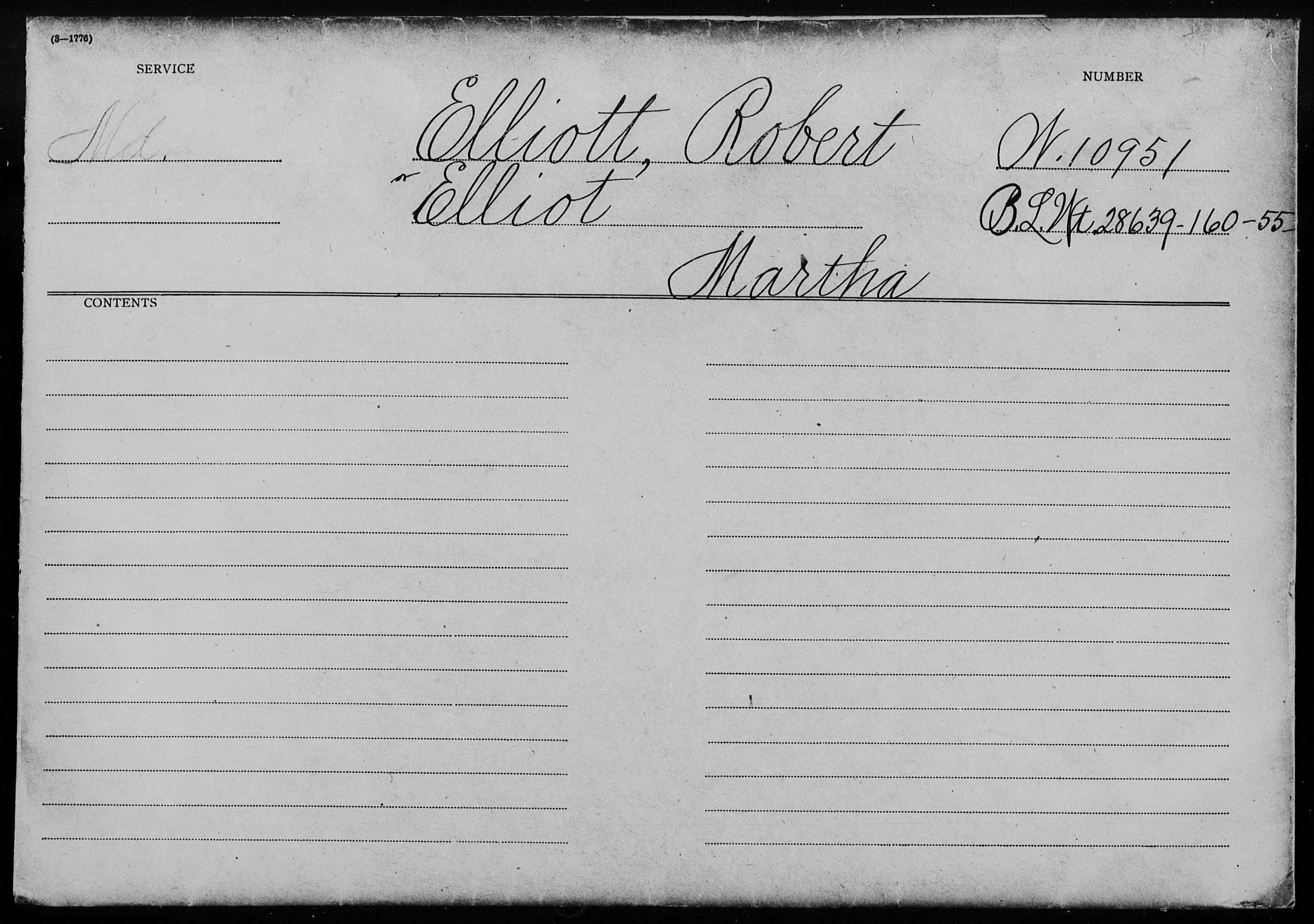
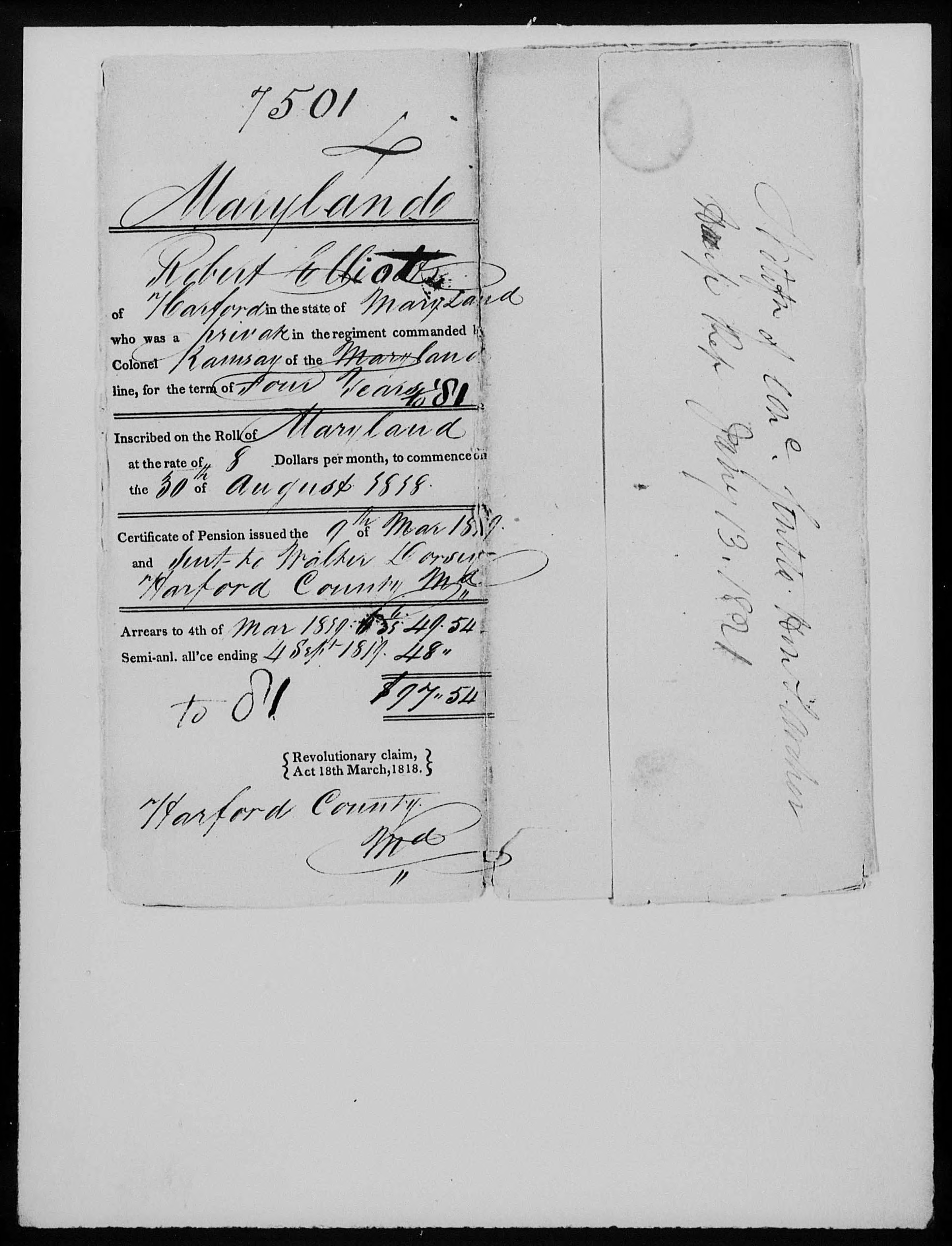
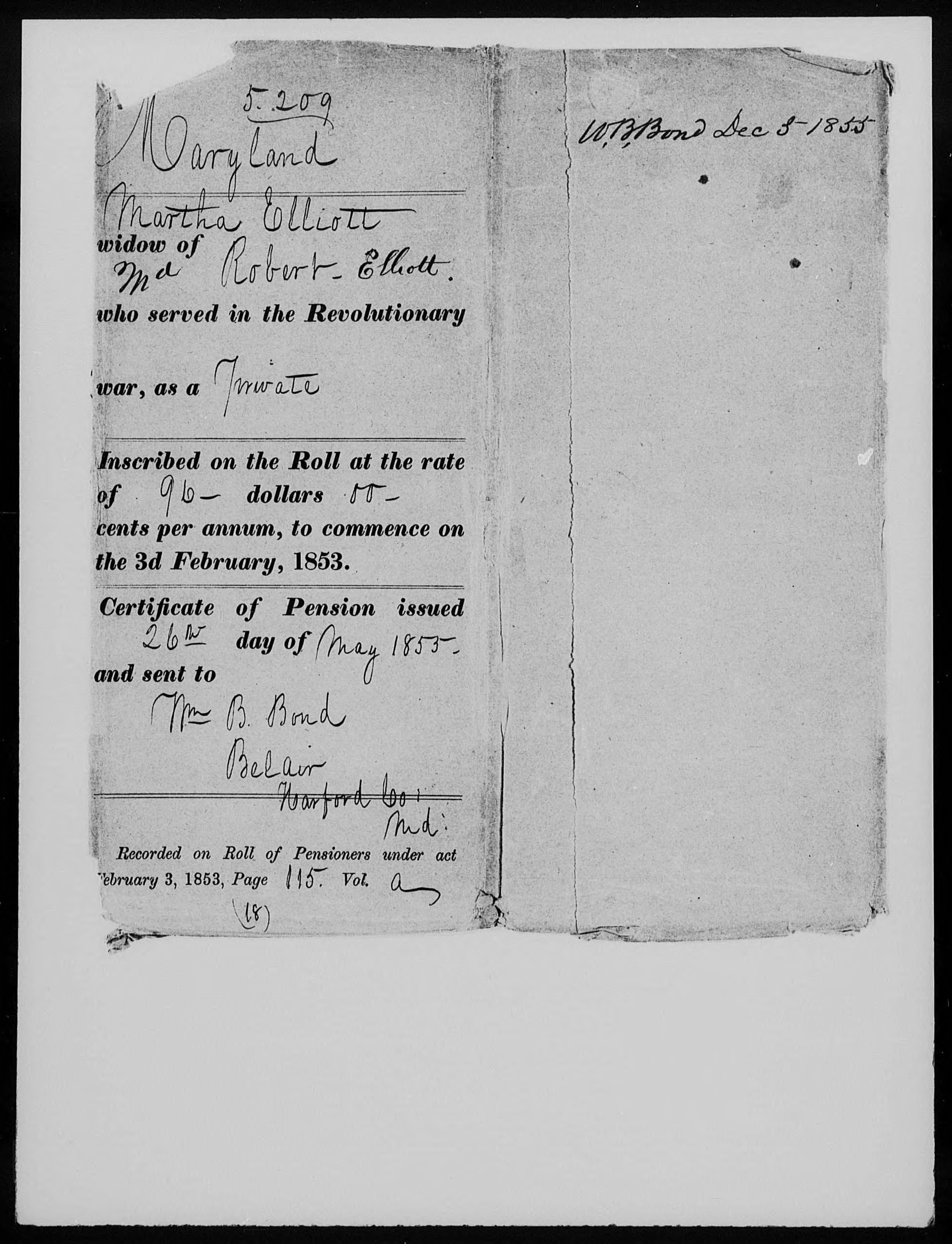
I have to admit that I first thought I stumbled upon a page of pension stories from the American Civil War and not the American Revolutionary War. Luckily for me, I was mistaken. Compiled on the page are amazing accounts of survival, commitment to service, fortitude in the face of danger, and the introduction to names of soldiers that were the backbone of the armies commanded by George Washington, Nathanael Greene, and others.
A few highlights that struck me.
William Gill fought on April 13, 1777, at the Battle of Bound Brook in New Jersey. Struck by a British musket ball in the head, he was knocked unconscious and left on the field. He awoke, most likely dazed and confused, with the musket ball still “lodged in his head.” He had the presence to quickly leave the field and caught up with his command. The bullet was still lodged in his head! An apothecary “eventually removed” the projectile. For Gill, this would be the first of two times he’d be left on the field of battle assumed by comrades that his wound was mortal, with the second being at Paoli in September 1777.
Robert Elliott was wounded in the jaw during the fighting at Germantown, Pennsylvania on October 4, 1777. He had quickly returned to service after surviving the British surprise assault at Paoli weeks before, escaping with numerous bayonet wounds on his face and in each arm. He stayed in Continental service until becoming blinded in his left eye when sparks flew unexpectedly from the discharge of his own musket.
Other accounts, some from the wives of deceased veterans, a few from naval or privateer veterans, provided rare glimpses into the service and sacrifice of the rank-and-file of the various branches during the American Revolutionary War. Hope you enjoy spending time with their stories much like I did.
To visit the page, click here,
Happy researching!


Absolutely Phill! I have worked doing this. It is fun to read personal accounts. What amazed me is that many who fought for the cause struggled to prove their service for later benefits. My ancestor, John Van Dyk, had to prove he was destitute for pension benefits in 1818. He literally had to catalog everything he owned and who he had under his roof. This for someone who was there from the storming of the Royal arsenal in 1775 to the surrender at Yorktown. Ten major engagements. He did receive 1200 acres in Indian country though. Just what a Manhattanite wanted lol.
LikeLike