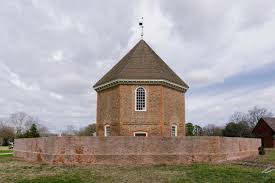
Powder Magazine, Colonial Williamsburg, VA in 2025
Today marks the 250th anniversary of the Virginia Powder Alarm in Williamsburg, VA. To commemorate the anniversary, join us this Sunday, April 27th at 7pm on our Facebook page as we welcome ERW historians Rob Orrison, Mark Maloy with Maureen Wiese and J. Michael Moore to discuss the events leading up to the April 21, 1775 Powder Incident in Williamsburg, VA. A few days after Lexington and Concord (unknown to the Virginians at the time), Governor Lord Dunmore removed powder from the magazine in Williamsburg. This event led Patrick Henry to lead militia towards Williamsburg and possible standoff with the Governor. As news arrived on April 28 of the bloodshed outside of Boston, tensions rose even higher.
Join us as we discuss another 250th anniversary event that led to the beginning of the American Revolution. This podcast will be recorded and posted on our Facebook page on April 27th at 7pm. Then it will be posted to your You Tube and Spotify pages.
We are just days away from the events in Lexington and Concord. Be sure to follow ERW here on our blog and social media pages. We will have blog content and live videos from Boston, Lexington and Concord from April 18-20, 2025. ERW will be at all the sites and events commemorating the 250th anniversary of the events leading up to and including the first shots of the war.
Also be sure to follow our good friends Alex Cain and J.L. Bell on their blogs as well, https://www.historicalnerdery.com/ and https://boston1775.blogspot.com/ These two great historians have a wealth of information on Boston, Lexington, Concord and all the events of 1775.
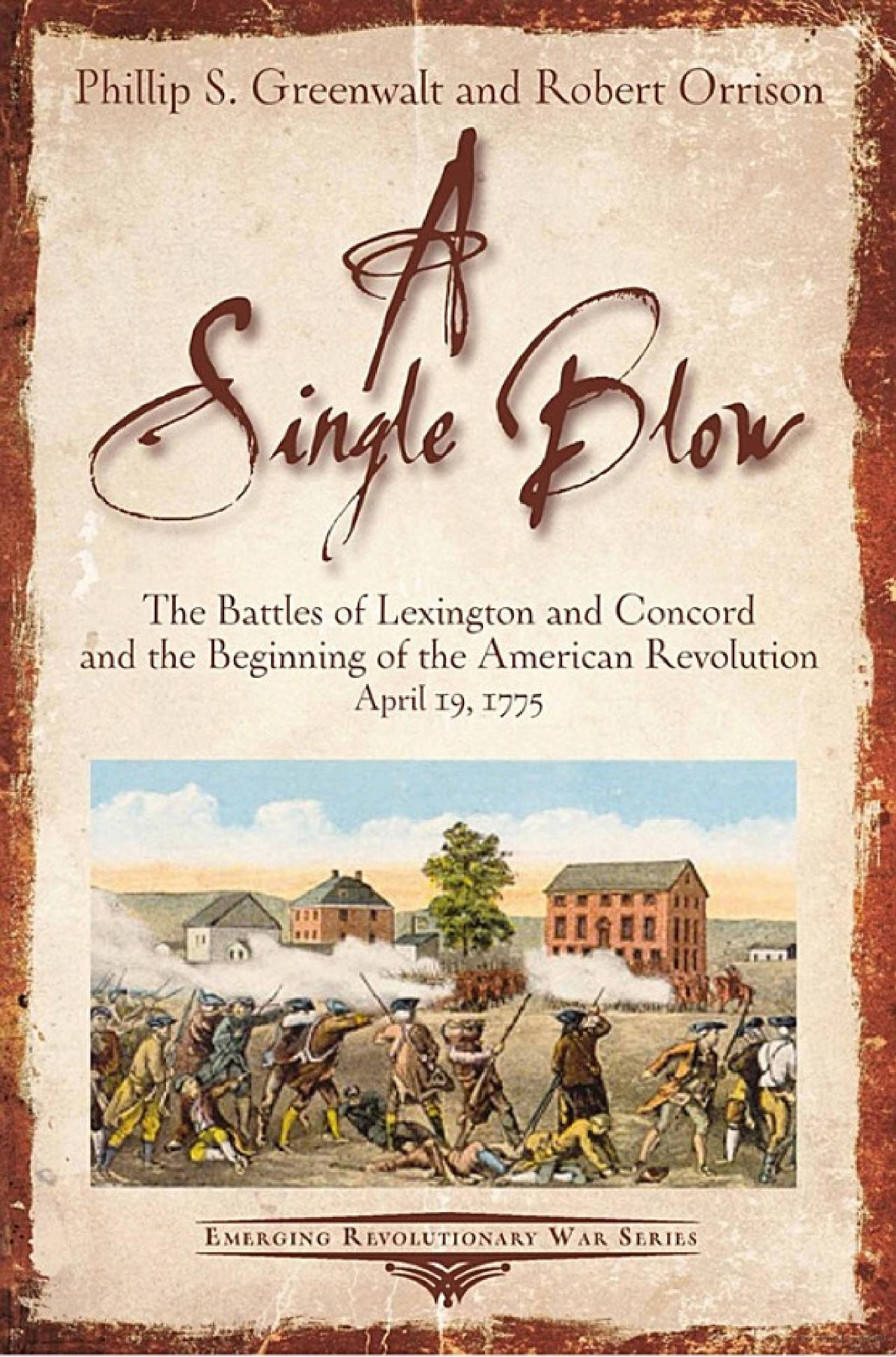
If you havent already, pick up a copy of our first ERW title, “A Single Blow: The Battles of Lexington and Concord and the Beginning of the American Revolution” by Phillip Greenwalt and Rob Orrison. Published by Savas Beatie (https://www.savasbeatie.com/a-single-blow-the-battles-of-lexington-and-concord-and-the-beginning-of-the-american-revolution-april-19-1775/ ), this book not only accounts the events of 1775 but also provides several tour guides for you to visit these locations. ERW fully believes that the best place to learn the history is where it took place.
We look forward to bringing you some great content this weekend…be prepared to have some behind the scenes looks, some guest historians and over all a fun time learning more about our great shared history.
As we approach the 250th anniversary of Lexington and Concord, on April 14, 2025 another 250th anniversary is taking place but one that is much overlooked. When we think about the fight to end slavery in the United States, names like Frederick Douglass, Harriet Tubman, and William Lloyd Garrison often come to mind. But America’s organized abolitionist movement actually began decades earlier—with a quiet but powerful group of reformers in Philadelphia.
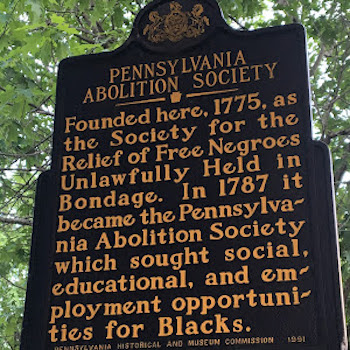
Historic marker located near the intersection of Front and Ionic Streets in the “old city” section of Philadelphia. Close to the original location of Tun Tavern.
In 1775 the American colonies were on the verge of war with Great Britain, calling for freedom and independence. But even as they demanded liberty, many Americans—including some of the nation’s founders—continued to own slaves. Amid this contradiction, a small group of Philadelphia Quakers stepped up to challenge the injustice of slavery. On April 14, 1775 in Philadelphia, they formed what would become the first formal abolitionist organization in America, the Society for the Relief of Free Negroes Unlawfully Held in Bondage.
The name was long, but its mission was clear. This group was determined to help free Black people who were illegally enslaved or kidnapped into bondage. Their founding was quiet, overshadowed by the Revolutionary War, but it planted the seeds of a movement that would eventually reshape the nation.
At the heart of the Society were the Quakers (17 of the original 24 members were Quakers) formally known as the Religious Society of Friends. Quakers believed deeply in the equality of all people and had long spoken out against slavery. Many had already freed the people they once enslaved, and by the mid-1700s, anti-slavery had become central to their faith.
So in April 1775, a group of these Quakers, joined by a few like-minded allies, came together to create the Society. Their initial goal was modest but critical: to protect the rights of free Black people and prevent them from being illegally sold into slavery. This was not uncommon at the time, especially in cities like Philadelphia where Black communities—both free and slave—lived side by side. However, the outbreak of war later that year put much of the Society’s early work on hold. But their mission didn’t die.
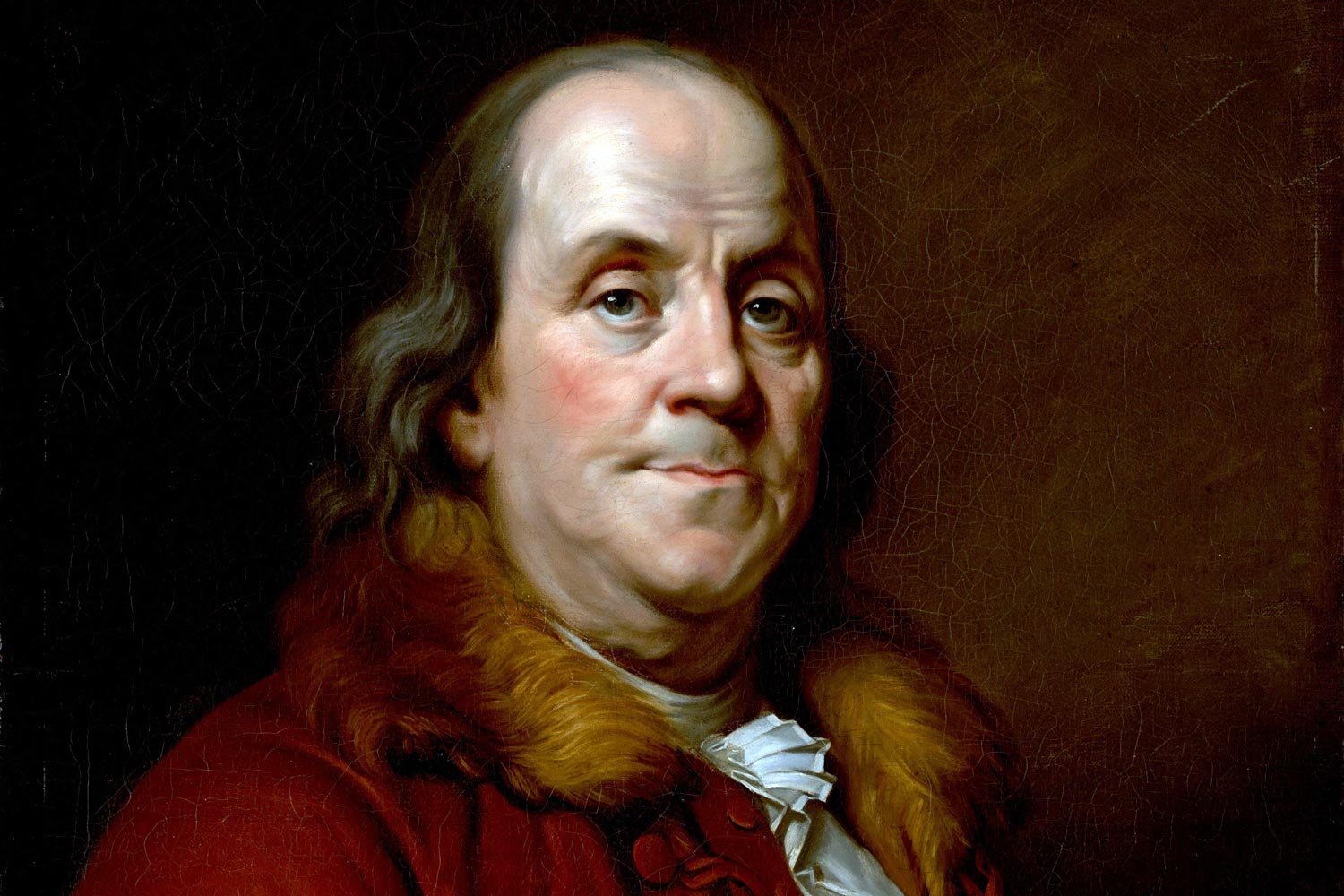
After the war, in 1784, the Society was revived with renewed energy and purpose. It was renamed the Pennsylvania Society for Promoting the Abolition of Slavery and the Relief of Free Negroes Unlawfully Held in Bondage—still a mouthful, but a more expansive vision. Benjamin Franklin, one of America’s most celebrated founding fathers, became the Society’s president in 1787. Franklin had once owned slaves himself, but his views evolved over time. By the end of his life, he was a vocal critic of slavery and used his influence to support the Society’s goals.
This time, they weren’t just focused on defending free Black people—they were actively working to end slavery altogether. Their efforts were both legal and educational. The Society hired lawyers to defend kidnapped individuals, lobbied lawmakers, and even began promoting schools for Black children.
The Society’s work helped inspire real change. Pennsylvania became the first state to pass a gradual abolition law in 1780, a huge step forward. While the Society didn’t write the law, many of its members pushed hard for its passage and later worked to ensure it was enforced.
Still, the road was far from easy. The Society operated in a world where slavery was deeply entrenched—not just economically, but socially and politically. In the South, slavery was expanding. Even in the North, racism was widespread, and support for abolition was often lukewarm.
Despite these challenges, the Society’s model paved the way for the much larger abolitionist movements of the 19th century. It showed that legal advocacy, public education, and grassroots organizing could make a difference. It also helped define Philadelphia as a hub of anti-slavery activism that would later become home to figures like Frederick Douglass and Sojourner Truth.
April 19, 2025 is a date many of us have been looking forward to for a long time. Those involved in the planning and execution of all the events and programming have put in countless hours preparing for America to commemorate its beginning in the towns of Lexington and Concord. As we are a week away from the commemoration, join us as we also celebrate our FIVE year anniversary of our Rev War Revelry podcast. On Sunday, April 13th at 7pm we welcome a host of historians and experts as we talk about the history and memory of f April 19, 1775. This Rev War Revelry will run LIVE on our Facebook page. Join in on the live chat with questions and comments.
Then on April 18-20, join ERW on our Facebook page as we will regularly post live videos from locations such as the Paul Revere House, Old North Church, Charlestown, Warren Tavern (a favorite of ERW!), Lexington, Concord, Arlington and many others. We plan on following Revere from Old North to Lexington over night April 18-19 so feel free to stay up with us as we commemorate this momentous occasion in our history.
“He said to his friend, “If the British march By land or sea from the town to-night, Hang a lantern aloft in the belfry arch Of the North Church tower as a signal light,– One, if by land, and two, if by sea;”
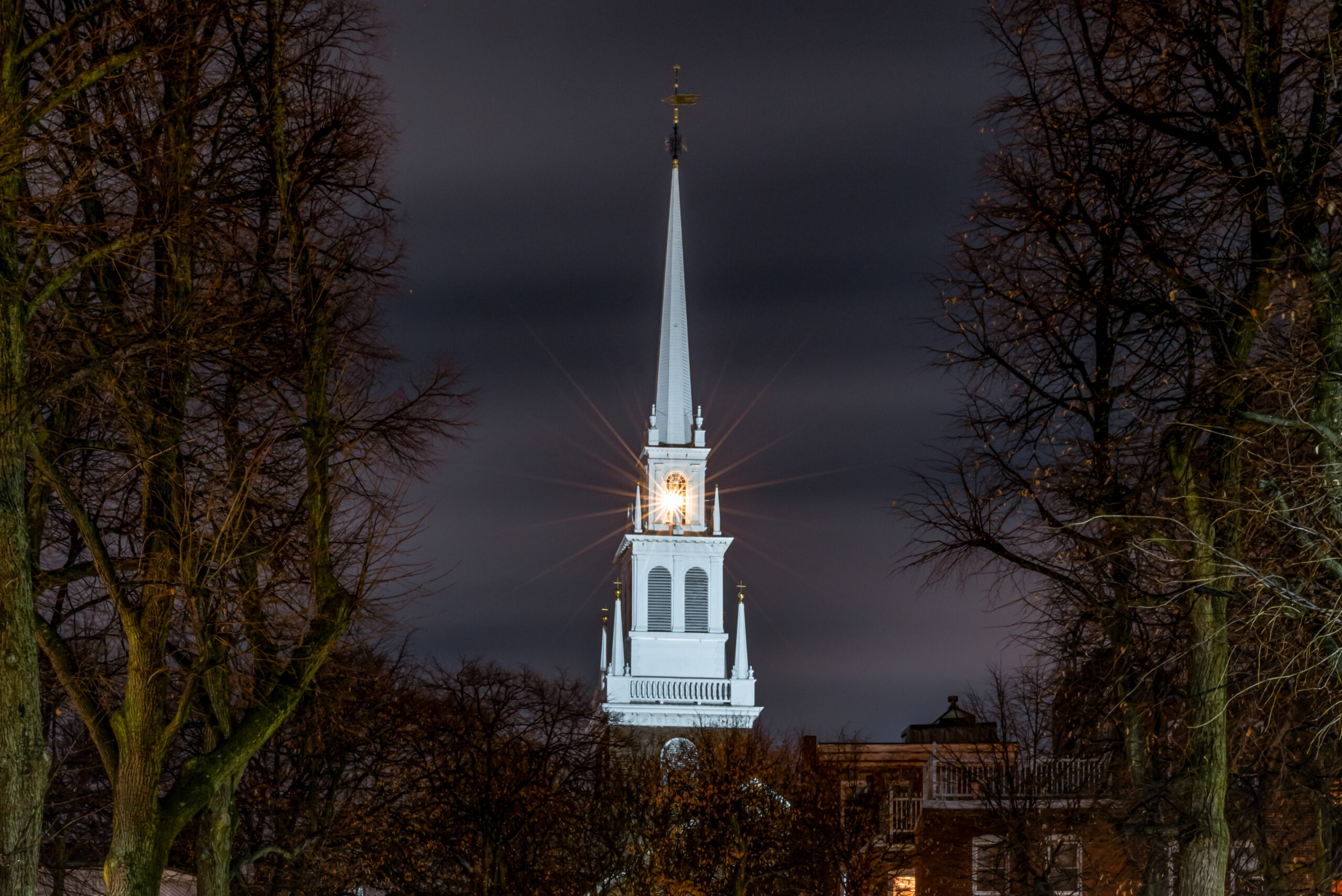
These famous words from Henry Wadsworth Longfellow’s poem about Paul Revere’s ride recount the important role the Old North Church played in the events leading up to the first shots of the Revolutionary War. Join us just a few weeks before the 250th anniversary as we sit down with Emily Spence, Director of Education at Old North Church in Boston. We’ll discuss the history of the church, what occurred on April 18, 1775 and what happened during the war. We’ll also discuss the exciting events the Old North Church will be doing on the 250th anniversary. This will be a pre-recorded video and you will be able to watch it when we post it at 7 p.m. on our Facebook page.
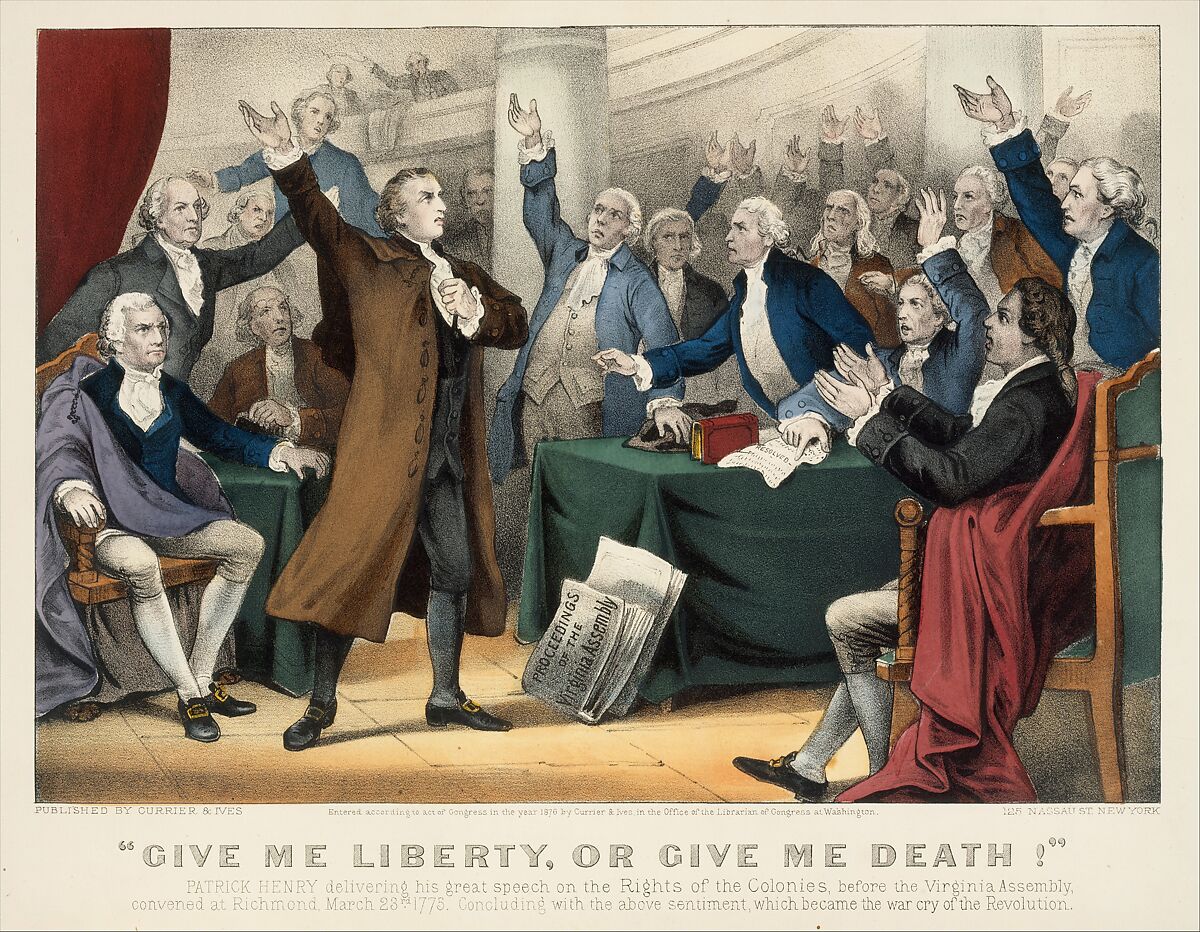
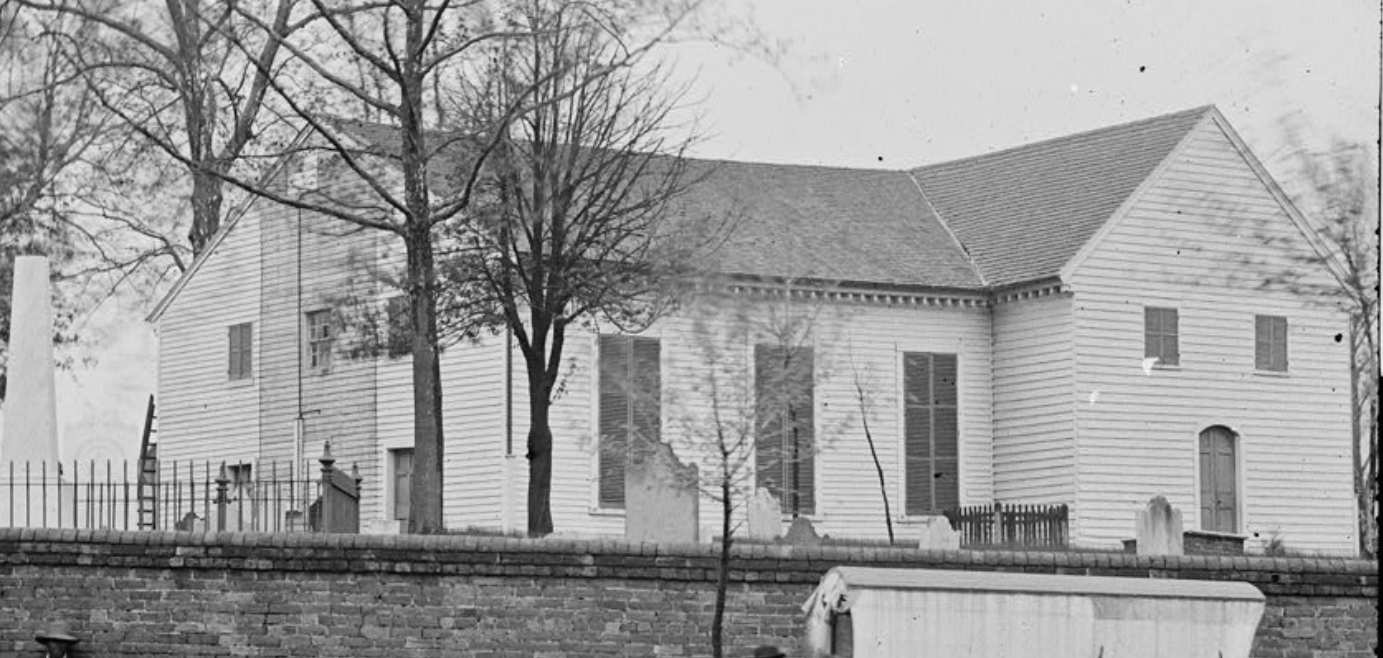
Patrick Henry’s famous speech, delivered on March 23, 1775, before the Virginia Convention at St. John’s Church in Richmond, has become one of the most iconic calls to action in American history. His fiery declaration—“Give me liberty, or give me death!”—was a passionate plea for resistance against British tyranny and a rallying cry for colonial unity in the face of increasing oppression. While Patrick Henry’s speech electrified the American colonies and inspired many to embrace the revolutionary cause, Great Britain’s response to such sentiments, and to the broader colonial rebellion, was both dismissive and aggressive. The British government’s approach to colonial dissent during this period sheds light on their underestimation of the revolutionary movement and the rigidity of their imperial policies.
At the time of Henry’s speech, tensions between Great Britain and its American colonies had been escalating for over a decade. Following the French and Indian War (1754–1763), Britain sought to tighten its control over its colonies and recover war debts by imposing taxes such as the Stamp Act (1765) and the Townshend Acts (1767). These measures were deeply unpopular among colonists, who argued that taxation without representation was a violation of their rights. The colonies’ resistance to British authority—through boycotts, protests, and the formation of groups like the Sons of Liberty—was met with increasing hostility from Britain. By 1775, the situation had deteriorated to the brink of open conflict.
From the British perspective, Patrick Henry’s speech, and similar revolutionary rhetoric, would have been seen as treasonous and inflammatory. The British government viewed the colonies not as equal partners in the empire but as subordinate territories meant to serve the interests of the Crown. Henry’s call to arms was a direct challenge to this hierarchical structure, and British officials were likely to dismiss it as the rantings of a radical minority. However, the speech also highlighted the growing unity and resolve among the colonists, which British leaders largely failed to grasp. This underestimation of colonial sentiment was one of the key reasons why Britain’s response to the American Revolution was ultimately ineffective. Loyalist James Parker wrote ““You never heard anything more infamously insolent than P. Henry’s speech: he called the K—— a Tyrant, a fool, a puppet, and a tool to the ministry,”
The British response to colonial dissent, including the sentiments expressed in Henry’s speech, was characterized by a combination of punitive measures and military force. In the years leading up to the speech, Britain had already implemented harsh policies, such as the Coercive Acts (1774), known in the colonies as the Intolerable Acts. These laws were designed to punish Massachusetts for the Boston Tea Party and to reassert British authority over the colonies. Instead of quelling dissent, these measures only served to galvanize colonial resistance and unify the colonies against British rule.
St. John’s Church, ca 1865 – courtesy Library of Congress
After Henry’s speech, Britain’s strategy remained focused on suppressing the rebellion through force rather than addressing the colonies’ grievances. By April 1775, just weeks after Henry’s address, British troops marched to Lexington and Concord to seize colonial military supplies, leading to the first battles of the Revolutionary War. This military action demonstrated Britain’s refusal to engage in meaningful dialogue with the colonies and its commitment to maintaining control through coercion. Though considered by many as a spark of revolution, Henry’s motion and speech did not reach Great Britain until after the fighting broke out at Lexington and Concord. Though combined, hearing Virginia’s martial push with rebellion in New England proved this was not a localized issue.
One of the reasons Britain failed to adequately respond to the ideological challenge posed by Henry’s speech was its inability to understand the depth of colonial dissatisfaction. British officials often dismissed colonial leaders as self-interested agitators and underestimated the widespread support for revolutionary ideas. This miscalculation led to a reliance on military solutions, which further alienated the colonies and made reconciliation increasingly unlikely.
In addition to military measures, Britain attempted to divide the colonies and weaken their resolve. Propaganda campaigns and offers of pardons were used to sway public opinion and encourage loyalty to the Crown. However, these efforts were largely unsuccessful, as revolutionary leaders like Patrick Henry were able to inspire unity and resilience among the colonists.
Ultimately, Britain’s response to the sentiments expressed in Patrick Henry’s “Give me liberty, or give me death” speech reflected a broader pattern of misjudgment and inflexibility. By dismissing the legitimate grievances of the colonies and relying on punitive measures and military force, Britain failed to address the underlying causes of the American Revolution. Henry’s speech symbolized the growing determination of the American colonies to fight for their independence, and Britain’s inability to adapt to this reality ensured that conflict was inevitable. In the end, Henry’s passionate plea for liberty became a rallying cry for a new nation, while Britain’s response marked the beginning of its eventual loss of the American colonies.
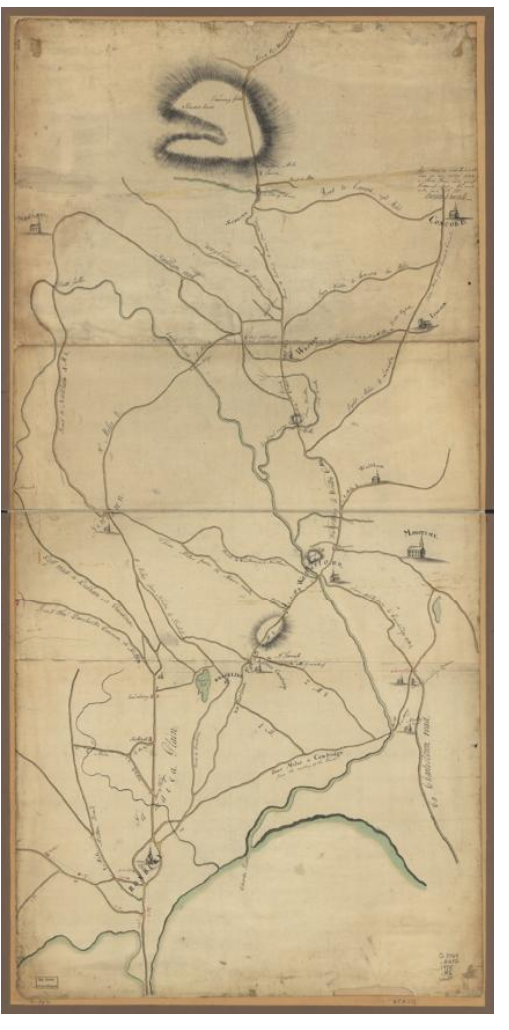
The spy network of Dr. Joseph Warren and the Sons of Liberty is well documented and written about. Few things happened in and around Boston that Warren, Paul Revere or Sam Adams were not aware of. In the winter of 1775, British General Thomas Gage also established a spy network (one of the more famous British spies was supposed “Patriot” Dr. Benjamin Church was not revealed as spy until October 1775). Gage was using all the resources at his disposal to figure out what the Whigs were doing and to find out where weapons (and four cannon that were stolen from the British in Boston) were located. On February 22nd, Gage sent out two officers, Captain John Brown and Ensign Henry De Berniere, to covertly ride out towards Worcester to locate stores and to map the road network for a possible British excursion. A few weeks later, on March 20th Gage sent out Brown and De Berniere again to map out routes towards Concord. Keeping in mind of potential geographic features that could endanger the future British column.
The following is an account of the March 20th mission by Ensign De Berniere. This account was found in Boston after the British evacuated and published by Boston printer J. Gill in 1779. Today it is located in the Massachusetts Historical Society. This mission was the precursor for the April 18-19th British raid to Concord that ignited the war.
Map, Roxbury to Concord. Roads & distances; by Brown and De Berniere, Library of Congress
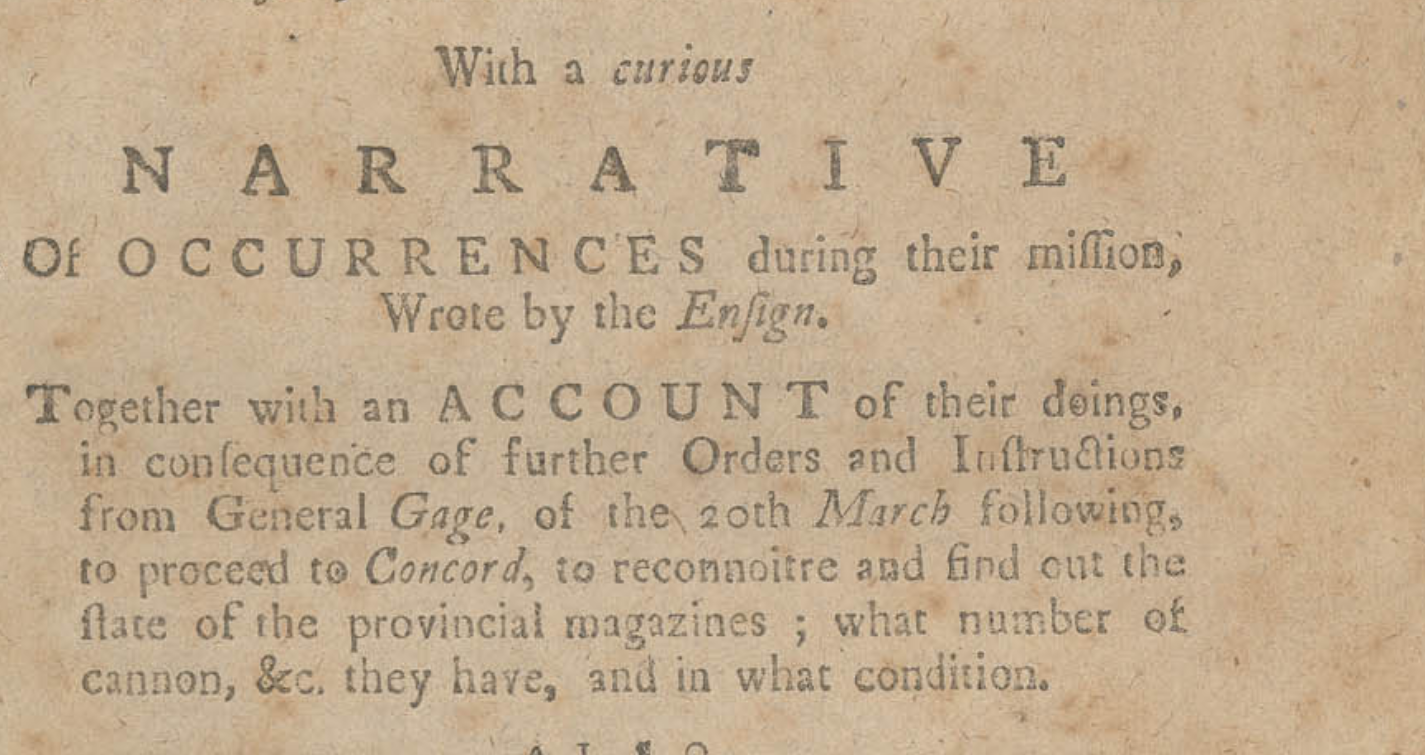
Account of the proceedings of the aforesaid officers, in consequence of further orders and instructions from General Gage, of the 20th March following ; with occurrences during their mission.
Scan of the original print by J. GILL, in Court Street. 1779, Massachusetts Historical Society
THE twentieth of March Captain Brown and myself received orders to set out for Concord, and examine the road and situation of the town ; and also to get what information we could relative to what quantity of artillery and provi- sions. We went through Roxbury and Brookline, and came into the main road between the thirteen and four- teen mile-stones in the township of Weston ; we went through part of the pass at the eleven mile-stone, took the Concord road, which is seven miles from the main road. We arrived there without any kind of insult being offered us, the road is high to the right and low to the left, woody in most places, and very close and commanded by hills frequently. The town of Concord lies between hills that command it entirely ; there is a river runs through it, with two bridges over it, in summer it is pretty dry ; the town is large and co- vers a great tract of ground, but the houses are not close together but generally in little groups. We were informed that they had fourteen pieces of cannon (ten
iron and four brass) and two cohorns, they were mounted but in so bad a manner that they could not elevate them more than they were, that is, they were fixed to one elevation ; their iron cannon they kept in a house in town, their brass they had concealed in some place behind the town, in a wood. They had also a store of flour, fish, salt and rice ; and a magazine of powder and cartridges. They fired their morning gun, and mounted a guard of ten men at night. We dined at the house of a Mr. Bliss, a friend to government ; they had sent him word they would not let him go out of town alive that morning ; however, we told him if he would come with us we would take care of him, as we were three and all well armed, — he consented and told us he could shew us another road, called the Lexington road. We set out and crossed the bridge in the town, and of consequence left the town on the contrary side of the river to what we entered it. The road continued very open and good for six miles, the next five a little inclosed, (there is one very bad place in this five miles) the road good to Lexington. You then come to Menotomy, the road still good ; a pond or lake at Menotomy. You then leave Cambridge on your right, and fall into the main road a little below Cambridge, and so to Charlestown ; the road is very good almost all the way.
In the town of Concord, a woman directed us to Mr. Bliss‘s house ; a little after she came in crying, and told us they swore if she did not leave the town, they would tar and feather her for directing Tories in their road.
[Left in town by a British Officer previous to the evacua tion of it by the enemy, and now printed for the information and amusement of the curious.]
BOSTON Printed, and to be sold, by J. GILL, in Court Street. 1779.
Join us this Sunday at 7pm, for this pre-recorded Rev War Revelry where we chat with historian and author Robert Dunkerly about the role that women played in the Southern Campaigns. Most of us know about the story of Molly Pitcher but the women of the Southern Campaigns have been mostly over looked. Grab a drink and listen in as we uncover many untold stories and little known events that show the complexity of the American Revolution. The podcast will run on our Facebook page at 7pm on Sunday, March 16th. Then will be placed on our You Tube and Spotify channels.
There has been a lot of discussion recently (and over the past few decades) on Washington, D.C.’s ability to self rule and representation. Washington (the city within the District of Columbia) is one of a kind Federal District created explicitly by the Constitution. The creation and future authority of the District was very purposeful by the founders. The authority to create a federal district was established in the U.S. Constitution. Article I, Section 8, Clause 17 states:
“To exercise exclusive Legislation in all Cases whatsoever, over such District (not exceeding ten Miles square) as may, by Cession of particular States, and the Acceptance of Congress, become the Seat of the Government of the United States.”
This clause explicitly grants Congress the power to establish a federal district and to exercise complete legislative control over it. The reasoning behind this provision was to prevent any single state from having undue influence over the national government. The framers of the Constitution wanted to ensure that the federal government had an autonomous and secure location from which to operate, free from state-level political pressures.
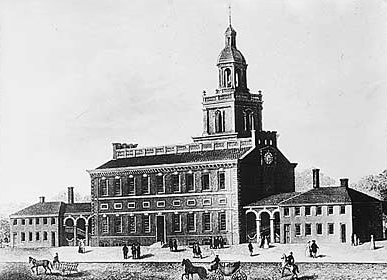
The need of a capital under Congressional control was highlighted in the Pennsylvania Mutiny of 1783. On June 20 1783 when a group of nearly 400 soldiers from the Continental Army, frustrated over unpaid wages and poor treatment, marched to Philadelphia and surrounded the Pennsylvania State House (now Independence Hall), where the Congress was meeting.
The soldiers demanded immediate payment and redress for their grievances, creating a volatile situation. The Pennsylvania government, sympathetic to the mutineers, failed to act decisively to protect Congress. As a result, Congress fled to Princeton, New Jersey, marking the first and only time the U.S. government was forced to relocate due to domestic unrest.
Pennsylvania State House, early home of the United States Congress
The mutiny underscored the weakness of the Articles of Confederation, particularly the lack of a control Congress had over its on own capital. Also, without a standing national army to maintain order, Congress relied on the state militias. Which proved to fail them in 1783.
Selecting the location for the new nation’s capital became a contentious issue. Different regions of the country had competing interests. Northern states, particularly those with economic centers like Philadelphia and New York, wanted the capital in their territory, while Southern states, particularly Virginia and Maryland, wanted it further south.
The final compromise, known as the Residence Act of 1790, resulted from negotiations between Alexander Hamilton and Thomas Jefferson, brokered by President George Washington. As part of the deal, the federal government assumed the war debts of the states, and in exchange, the capital would be located along the Potomac River, on land donated by Virginia and Maryland (near George Washington’s own Mount Vernon).
Washington, D.C., was officially established in 1791, and Congress first convened there in 1800. The land included portions of Maryland and Virginia, although the Virginia section (Arlington and Alexandria) was retroceded to the state in 1846.
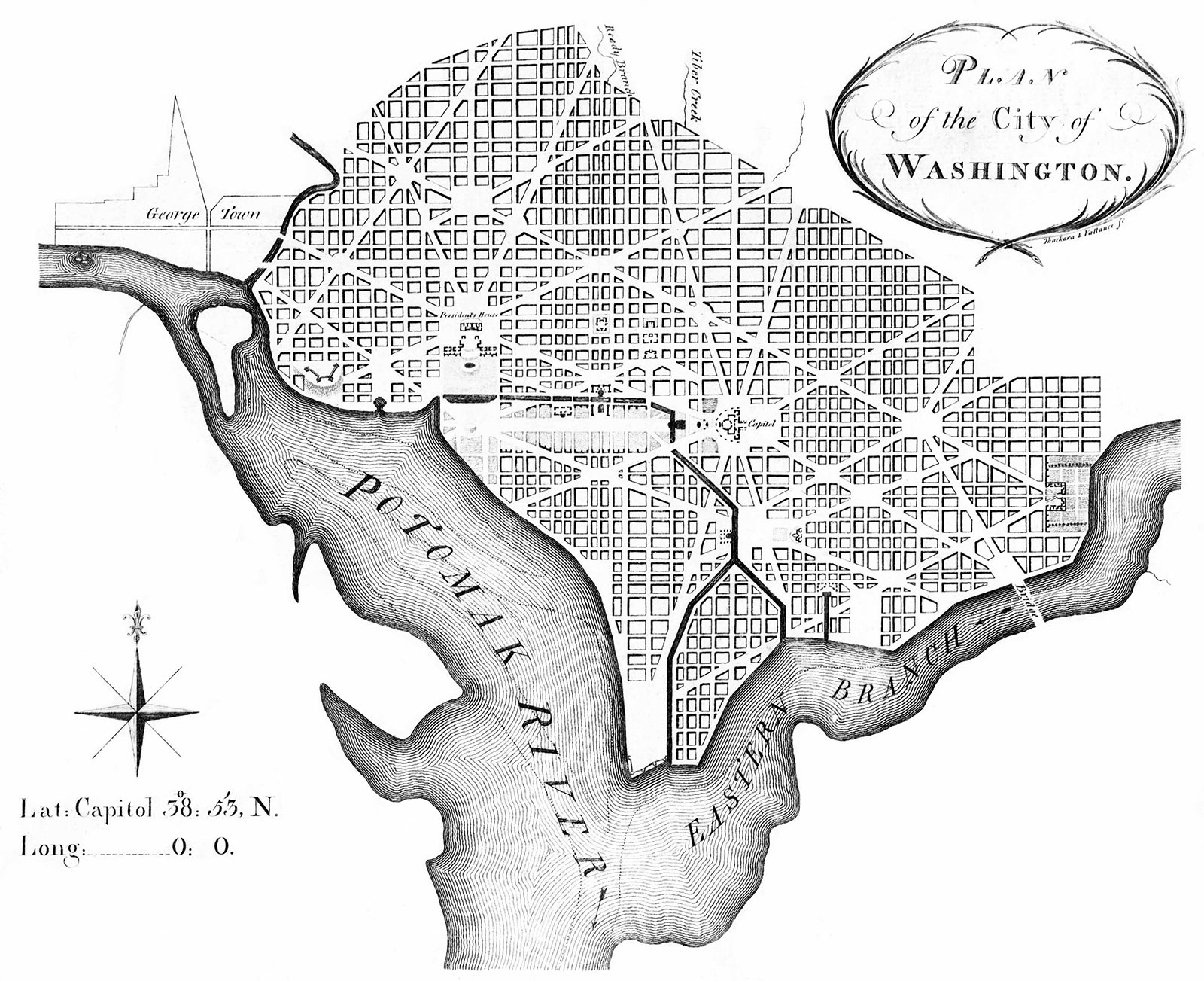
1792 plan of the City of Washington, in the District of Columbia by Pierre Charles L’Enfant
One of the primary reasons for creating Washington, D.C. as a federal district was to ensure neutrality. If the capital were located within a state, that state might wield excessive influence over the Federal government. The founders sought to prevent any potential conflicts of interest and ensure no state could claim privileged status or exert undue pressure on national affairs.
As a federal district, Washington, D.C., is directly governed by Congress. Unlike states, which have their own constitutions and legislative powers, the district’s governance structure is determined entirely by federal law. Over the years, this has led to ongoing debates about the representation and rights of D.C. residents. Today the city has an elected Mayor and City Council that manages the city’s affairs, but this authority is granted solely at the will of Congress. The debate over home rule and representation goes on, but the founding of a Federal District is rooted in a historic lesson learned by the early Congress.
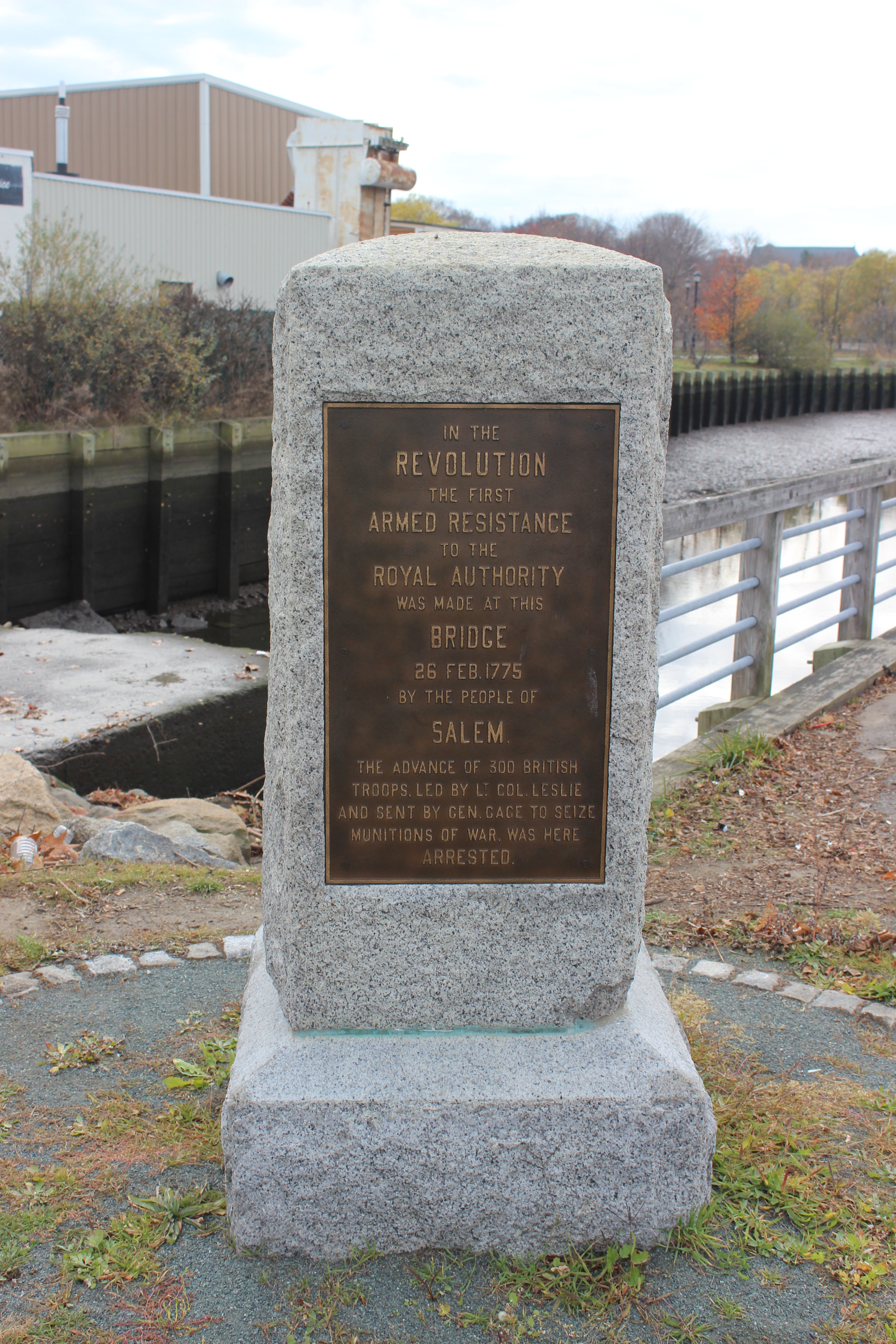
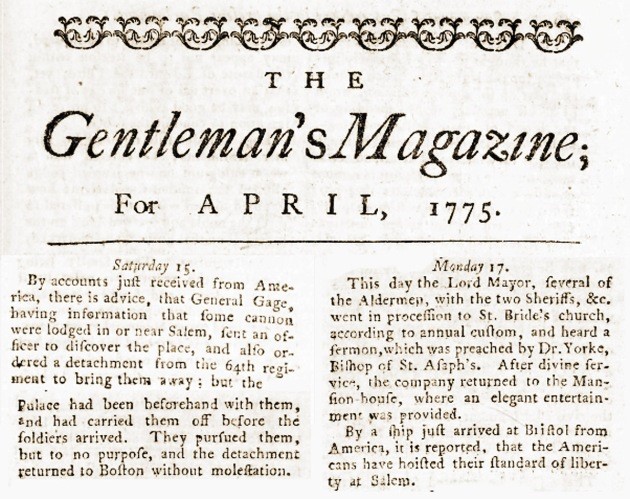
Next week on February 26, 2025, Salem, MA will mark the 250th anniversary of the Salem Alarm, or more commonly known today as “Leslie’s Retreat.” As British Gen. Gage received word from his spies that the local towns around Boston were securing various cannon for a possible war, he sent out Col. Leslie from Boston with several hundred British Regulars to Salem. Here Gage believed several of these cannon were we being refit and stored. Gage believed these cannon were to be used against him in a possible rebellion and were above and beyond a militia’s regular armament. After a tense stand off at the draw bridge across North River Bridge, Leslie returned to Boston without finding any cannon (which were removed during the stand off). This event was a critical step towards the open revolution that would take place on April 19 in Lexington. Though violence was avoided, the situation intensified the apprehension between Gage and the colonial leaders and militia of the towns around Boston. Below are two newspaper accounts of the events on February 26, 1775. One from Essex, Massachusetts and the other from London.
Essex Gazette, Feb. 28, 1775; an 1856 history of Leslie’s Retreat by Charles Endicott references the account was written by Col. Timothy Pickering.
” Last Sabbath the peace of the town was disturbed by the coming of a regiment of the King’s troops, the particulars relative to which are as follows. A transport arrived at Marblehead apparently manned as usual. Eetween 2 and o o’clock (as soon as the people had gone to meeting) the decks -were covered with soldiers, who having loaded and fixed their bayonets, landed with great dispatch, and instantly marched off. Some of the inhabitants suspecting they were bound to Salem to seize some materials there preparing for an artillery, dispatched several messengers to inform us of it. These materials were at the north side of the North River, and to come at them it was necessary to cross a bridge, one part of which was made to draw up for the convenience of letting vessels pass through. The inhabitants kept a look out for the appearance of the troops. The van-guard arrived, and took their route down in town as far as the Long-wharf; perhaps to decoy the inhabitants thither, away from the place to which the main body were destined. The main body arrived soon after and halted a few minutes by the Town-House. It is said inquiry was immediately made by some of the officers for a half brother of Col. Brown- the mandamus counsellor. Be this as it may, he was very soon whispering in the Colonel’s ear, in the front of the regiment and when he parted from the Colonel, the regiment marched off with a quick pace, in a direct course for the North Bridge ; just before their entrance upon which the draw-bridge was pulled up. The regiment however rushed forward till they came to the draw-bridge, not observing (as it seemed) that it was drawn up. The Colonel who led them expressed some surprise : and then turning about, ordered an officer to face his company to a body of men standing on a wharf on the other side the draw-bridge, and lire. One of our townsmen! (who had kept along side the Colonel from the time he marched from the Town House) instantly told him he had better not fire, that he had no right to fire without further orders, ” and if you do fire (said he) you will be all dead men.” The company neither faced nor fired.
Salem Alarm Monument at North River Bridge. Photo by Author
The Colonel then retired to the centre of his regiment, assembled his officers, and held a consultation ; At which being ended the Colonel advanced a little, and declared he would maintain his ground, and go over the bridge before he returned, if it were a month first. The same townsman replied, he might stay there as long as he pleased, no body cared for that. The half brother before mentioned (it is said) made towards the bridge, but seeing the draw-bridge up, says ” it is all over with us.” He has since disappeared. Meanwhile two large gondolas that lay aground (for it was low water were scuttled, lest they should cross the channel in them. But whilst one gentleman with his assistants was scuttling his own gondola, a party of about twenty soldiers jumped into it, and with their bayonets charged against our unarmed townsmen (some of whom they pricked) compelled them to quit it ; but before this a sufficient hole had been made in the bottom. This attack of the soldiers, and some other occurrences, occasioned a little bickering, but by the interposition of some of the inhabitants the disputes subsided.
At length some gentlemen asked the Colonel what was his design in making this movement and why he would cross the bridge? He said he had orders to cross it, and he would cross it if he lost his life, with the lives of all his men. And now (or before) asked why the King’s highway was obstructed? He was told it was not the King’s road, but the property of the inhabitants, who had a right to do what they pleased with it. Finally the Colonel said he must go over; and if the drawbridge were let down so that he might pass, he pledged his honor he would march not above thirty rods beyond it, and then immediately return. The regiment had now; been on the bridge about an hour and an half ; and every thing being secured, the inhabitants directed the drawbridge to be let down. The regiment immediately passed over, marched a few rods, returned, and with great expedition went back again to Marblehead, where they embarked on board the transport without delay. The regiment brought with them, lanthorns, hatchets, pickaxes, spades, hand-spikes, and several coils of rope.
When all the circumstances are considered, there can remain no doubt that the sole purpose of the menoeuvre was to steal away the artillery materials before mentioned. In the first place the regiment was taken from the Castle, so that the inhabitants of Boston might be prevented giving us any intelligence: The transport arrived at Marblehead a considerable time before the regiment was landed, but the men were kept snug under hatches: As soon as the inhabitants of Marblehead had got to meeting, the troops landed, and pushed on their march to Salem, and proceeded to the very spot where the materials for the artillery were lodged. But meeting with this sad rebuff and finding their plot was discovered, they then made a retreat. ‘Tis regretted that an officer of Colonel Leslie’s acknowledged worth, should be obliged, in obedience to orders to come upon so pitiful an errand.
Various reports were spread abroad respecting the troops —the country was alarmed ; and one company arrived in arms from Danvers just as the troops left the town. We immediately dispatched messengers to the neighboring towns to save them the trouble of coming in; but the alarm flew like lightning (and fame doubtless magnified the first simple reports) so that great numbers were in arms, and soon on the march before our messengers arrived.”
Little could the residents of London know that two days after the news of Salem was received in London, their American colonies would be in open rebellion.




 Emerging Revolutionary War Era