

For good reason, much has been done, discussed, developed, and disseminated regarding the voluminous correspondence between Abigail and John Adams. Yet, her spouse was not the only recipient of the wisdom and insight that Abigail possessed. She also became friends with and communicated with Catherine Sawbridge Macaulay Graham in England.
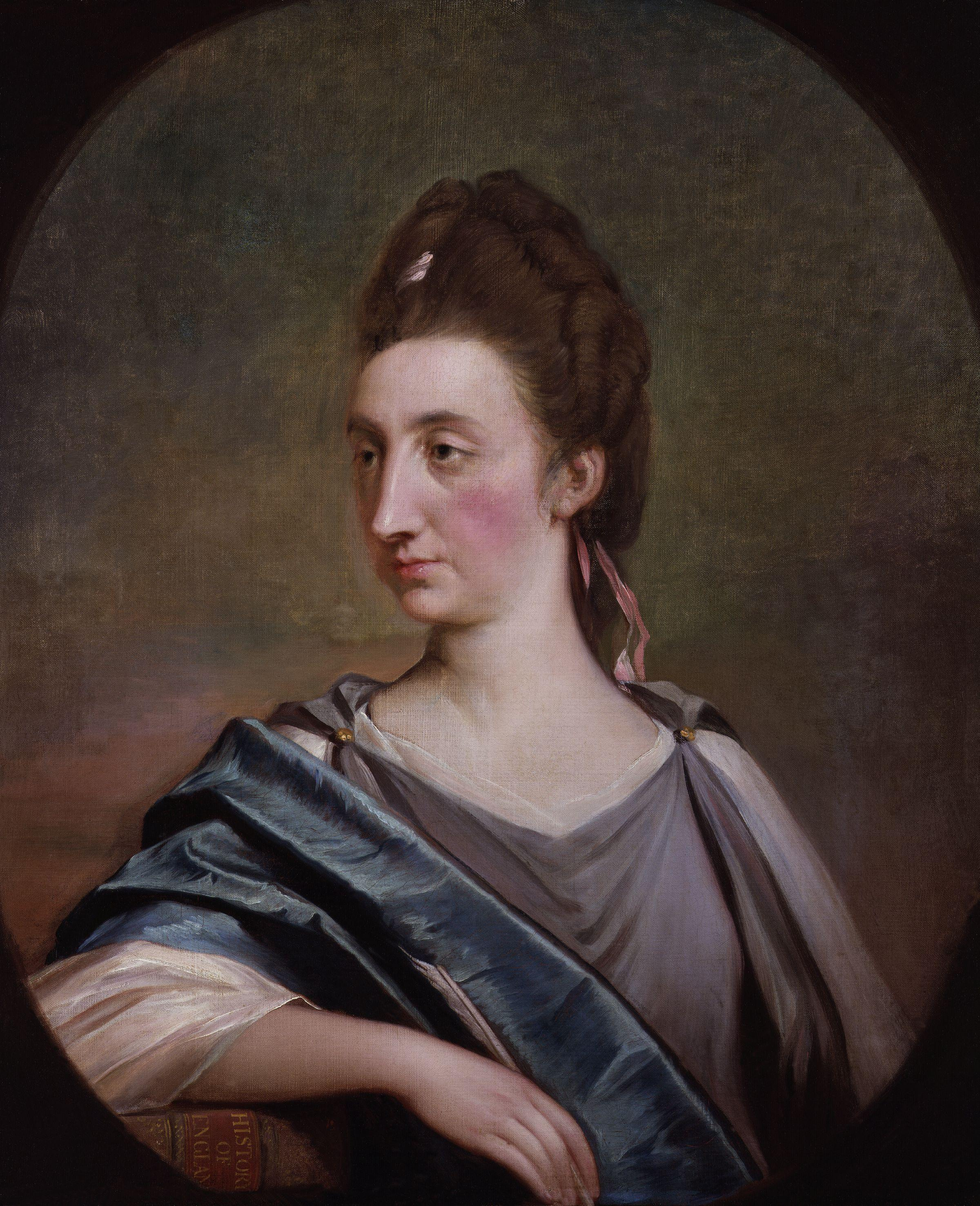
Graham was a prominent English historian and writer, “at the forefront of radical transatlantic politics in the eighteenth century.” She was a prolific pamphleteer and considered one of England’s first major historians. She was a supporter of and wrote extensively on the American and French Revolutions. Through the cause of the former, she struck up a correspondence with Abigail Adams. Below is a letter from Abigail to Catherine in 1774 that highlights the current events in Massachusetts and also how close the two ladies on either side of the Atlantic Ocean had become in their letter writing. It is truly a remarkable letter that provides emotion and description of a friendship and life in Massachusetts on the cusp of revolution.
Madam
In the last Letter which Mr. Adams had the honour to receive from you, you express a Desire to become acquainted with our American Ladies.1 To them Mrs. Macaulay is sufficiently distinguished by her superior abilities, and altho she who is now ventureing to address her cannot lay claim to eaquil accomplishments with the Lady before introduced,2 yet she flatters herself she is no ways deficient in her esteem for a Lady who so warmly interests herself in the cause of America—a Cause madam which is now become so serious to every American that we consider it as a struggle from which we shall obtain a release from our present bondage by an ample redress of our Grieveances—or a redress by the Sword. The only alternative which every american thinks of is Liberty or Death.
“Tender plants must bend, but when a Goverment is grown to strength like some old oak rough with its armed bark it yealds not to the tug, but only nods and turns to sullen state.”
Should I attempt to discribe to you the complicated misiries and distresses brought upon us by the late inhumane acts of the British parliment my pen would faill me. Suffice it to say, that we are invaded with fleets and Armies, our commerce not only obstructed, but totally ruined, the courts of Justice shut, many driven out from the Metropolis, thousands reduced to want, or dependant upon the charity of their neighbours for a daily supply of food, all the Horrours of a civil war threatning us on one hand, and the chains of Slavery ready forged for us on the other. We Blush when we recollect from whence these woes arise, and must forever execrate the infamous memory of those Men whether they are Americans or Brittons, whose contagious Ambition first opened the pandoraen Box, and wantonly and cruelly scatterd the fatal ingrediants—first taught us filled with grief and anxiety to inquire
Are these thy deeds o Britton? this the praise
That points the growing Lusture of thy Name
These glorious works that in thy [better?] Days
fild the bright period of thine early fame
To rise in ravage and with arm prophane
From freedoms shrine each sacred Gift to rend
and mark the closing annals of thy reign
With every foe subdued, and every Friend.
You will think Madam perhaps from the account I have given you, that we are in great confusion and disorder—but it is far otherways. Tho there are but few who are unfealing or insensible to the general calimity, by far the greater part support it with that firmness, that fortitude, that undaunted resolution which ever attends those who are conscious that they are the injured not the injurer, and that they are engaged in a righteous cause in which they fear not to “bare their bold Breasts and pour their generous Blood.” Altho by the obstruction of publick justice, each individual is left at a loose, to do that which is right in his own Eyes, yet each one strives to shew his neighbour that the restraints of Honour and of conscience are more powerful motives, than the judiciary proceedings of the Law. Notwithstanding the inveterate Malice of our Enimies who are continually representing us, as in a state of anarchy and confusion, torn up with intestine broils, and guilty of continual riots and outrage, yet this people never saw a time of greater peace and harmony among themselves, every one uniting in the common cause, and strengthning each other with inconceivable constancy and sumpathetick ardor.
I mean always to Except those whose venal Souls barter freedom for Gold, and would sell their Country, nay gladly see an innocent land deluged with Blood, if they could riot upon its Spoils, which heaven Avert!—Tis with anxious Hearts and eager expectations that we are now waiting for the result of the united Supplications of America. Yet having so often experienced their Enefficacy we have little reason to hope. We think we have more to expect from the firm and religious observance of the association which accompanied them3—for tho it was formerly the pride and ambition of American[s] to indulge in the fashions and Manufactures of Great Brittain now she threatens us with her chains we will scorn to wear her livery, and shall think ourselves more decently attired in the coarse and plain vestures of our own Manufactury than in all the gaudy trapings that adorn the slave.—Yet connected as we are by Blood, by commerce, by one common language, by one common religion as protestants, and as good and loyal subjects of the same king, we earnestly wish that the three fold cord of Duty, interest and filial affection may not be snapped assunder. Tis like the Gordean knot. It never can be untied, but the sword may cut it, and America if she falls to use the words of the revered and ever honourd Mr. Pitt, will fall like a strong Man, will embrace the pillars of State and pull down the constitution along with her.
I must intreet your pardon Madam for Detaining you so long from the important Services in which you are engaged, but having taken up my pen I could not refrain giving utterance to some of those Emotions which have agitated my Bosom and are the cause of many anxious hours to her who begs leave to subscribe herself Dear Madam your great admirer & humble Servant,
Abigail Adams
________________________________________________________________________________________________________________
Sources:
“Abigail Adams to Catherine Sawbridge Macaulay Graham”
https://founders.archives.gov/documents/Adams/04-01-02-0119
“Catherine Sawbridge Macaulay Graham”



 All these words, plus many more, are titles that depict the life of Dr. Joseph Warren. However, the last term is most synonymous with the Massachusetts doctor who fell in the Battle of Bunker Hill on June 17, 1775 in the early stages of the American Revolutionary War. That last word, forgotten, is exactly what author and historian Christian Di Spigna is hoping to expunge with his new biography, Founding Martyr.



 Emerging Revolutionary War Era