

ERW is pleased to welcome back to the blog historian Keith J. Muchowski.
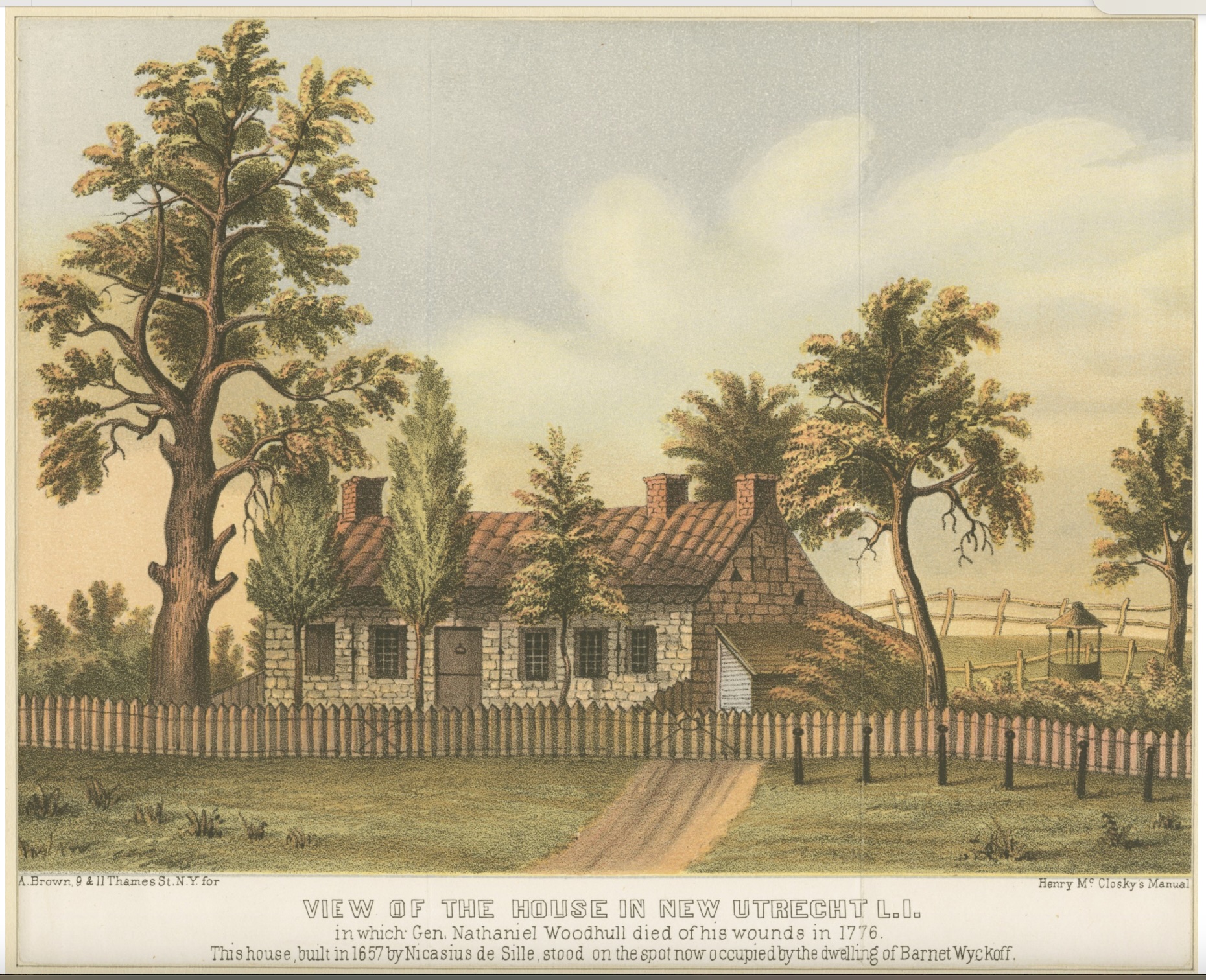
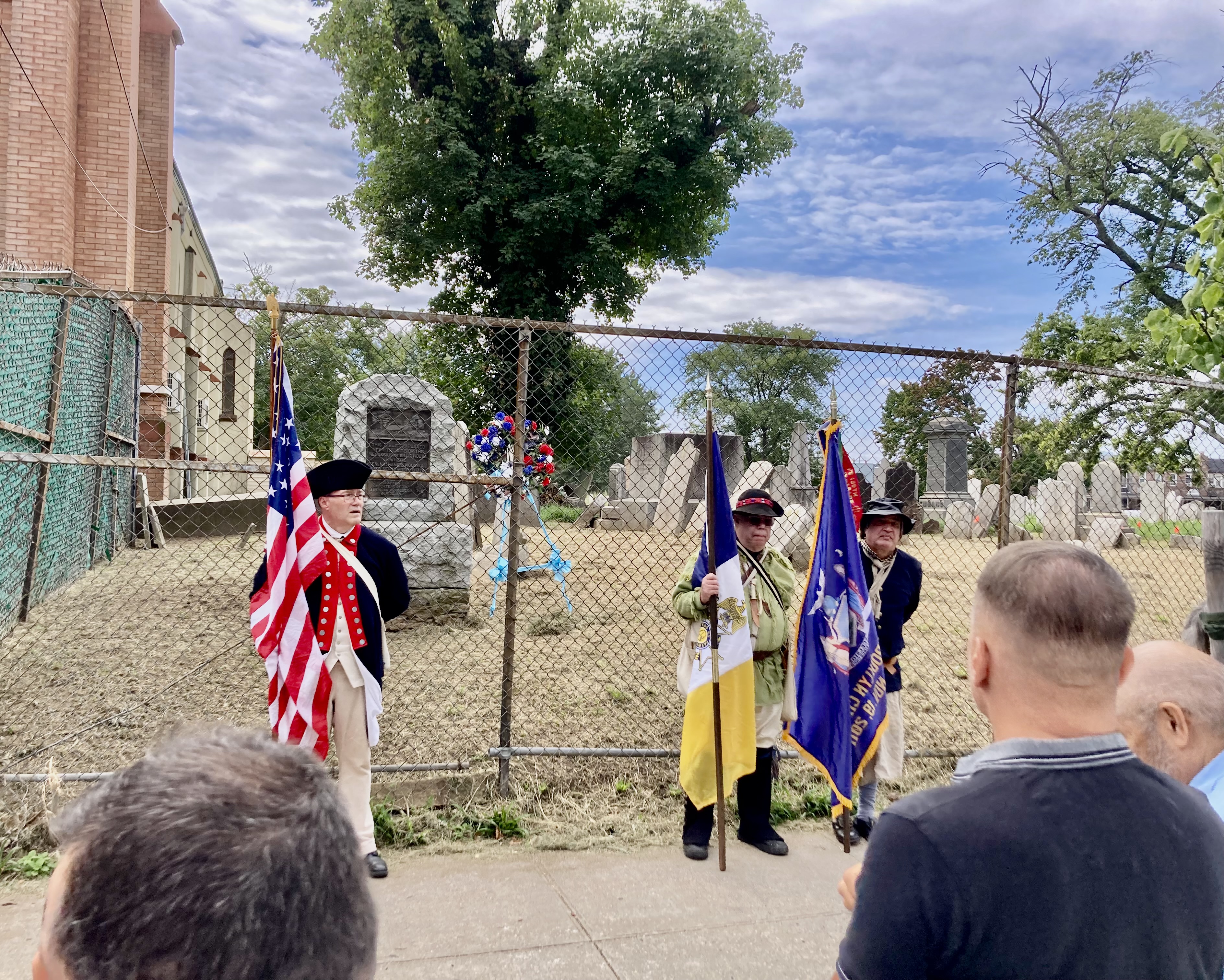
Brooklyn’s Friends of Historic New Utrecht observed the 250th anniversary of the death of General Nathaniel Woodhull this past September 19th. Attendees turned out at the Parish House of the New Utrecht Reformed Church, its congregation founded in 1677, to hear a lecture about the life and times of General Woodhull. This was then followed by a procession to the nearby New Utrecht Cemetery, itself established in 1654, for a wreath laying and words of reflection. Located in the cemetery is a tablet marking the site where once stood the Nicasius De Sille House, in which General Woodhull died on September 20, 1776. The Nathaniel Woodhull Chapter of the Daughters of the American Revolution dedicated the tablet in May 1916.
Read more: Long Island’s Own: Nathaniel Woodhull’s American RevolutionNathaniel Woodhull was born in Mastic, Long Island on December 30, 1722. He served the British cause as an officer in the French and Indian War. In 1761 he married local girl Ruth Floyd. The couple had a daughter whom they named Elizabeth the following year. Later that decade Woodhull became a member of the New York Colonial Assembly. On June 13, 1774, six months after the Boston Tea Party, Woodhull, brother-in-law William Floyd and others formed Suffolk County’s Committee of Correspondence in response to the Coercive Acts. In April 1775 Woodhull and Floyd were Suffolk County representatives to the convention held at the Exchange Building in Lower Manhattan that selected New York’s delegates to the Second Continental Congress. As British rule collapsed in the New York Colony that spring, representatives formed the New York Provincial Congress to fill the breach. Formed that May, the New York Provincial Congress’s first president was Peter Van Brugh Livingston. When Livingston stepped down, Woodhull became president pro tempore August 28, 1775. He was eventually elected permanently to that position. The New York Provincial Congress soon also appointed Woodhull brigadier-general of the Queens and Suffolk County Militia.
By early summer 1776 everyone knew that the war would soon to turn to New York City and Long Island. Commander-in-chief George Washington thus wrote to Nathaniel Woodhull on June 27, 1776 of “⟨The Necessity of the most vigorous⟩ & decisive Measures in our present Cir⟨cumstances⟩ will I doubt not justify to your Honourable ⟨Body⟩ the Removal of the Stock of Cattle & Horses from ⟨those⟩ Parts of the Coast most exposed to the Enemy.”1 Washington was warning Woodhull and the New York Provincial Congress of the need to prevent British seizure of livestock grazing in Long Island. As if on cue, British troops arrived in Sandy Hook, New Jersey in New York harbor two days later.
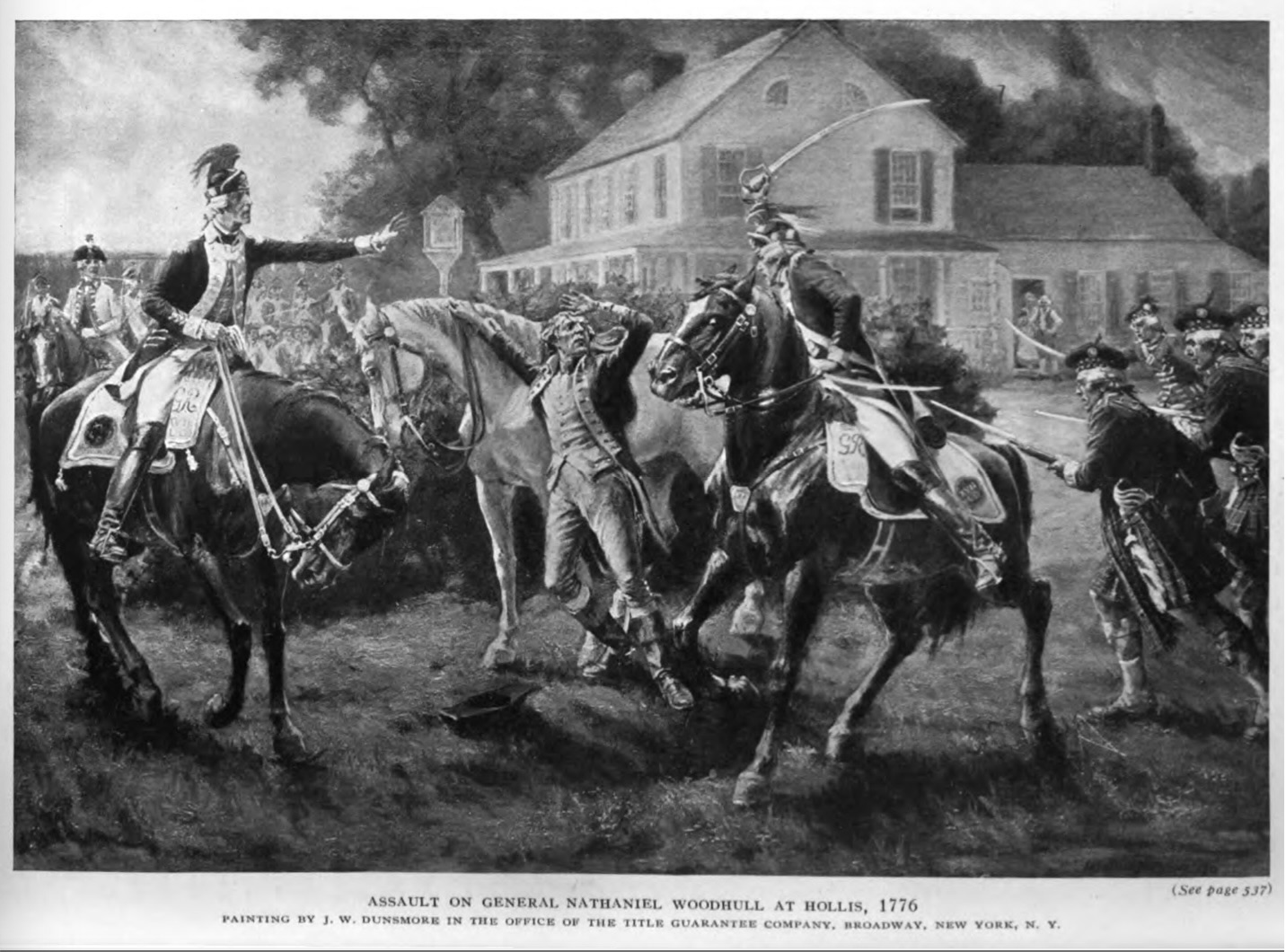
Twelve colonies ratified the Declaration of Independence on July 2. New York became the thirteenth one week later when at the courthouse in White Plains the New York Provincial Congress, Nathaniel Woodhull still presiding, ratified that edict. Woodhull’s brother-in-law William Floyd would be one of the Declaration’s signers. The day after New York’s ratification the Fourth Provincial Congress renamed itself the Convention of the Representatives of the State of New York. Woodhull would not remain president of that body for long. He stepped down a month later on August 10, 1776 and quickly returned to Mastic. The effort to protect the livestock did not go well. On August 28, one day after the Battle of Long Island, a British officer struck Woodhull repeatedly with the broad of his word in front of the inn and tavern of Increase Carpenter in what is today Hollis, Queens. Mortally wounded and now in British custody, Woodhull was moved several times in the ensuing weeks before being taken to the De Sille house. His wife Ruth with him at the end, Nathaniel Woodhull died on September 20, 1776. Ruth returned his remains to Mastic, where he rests today in a small family cemetery. It was a chaotic moment in the war; the Great Fire that consumed much of Lower Manhattan began that very night.
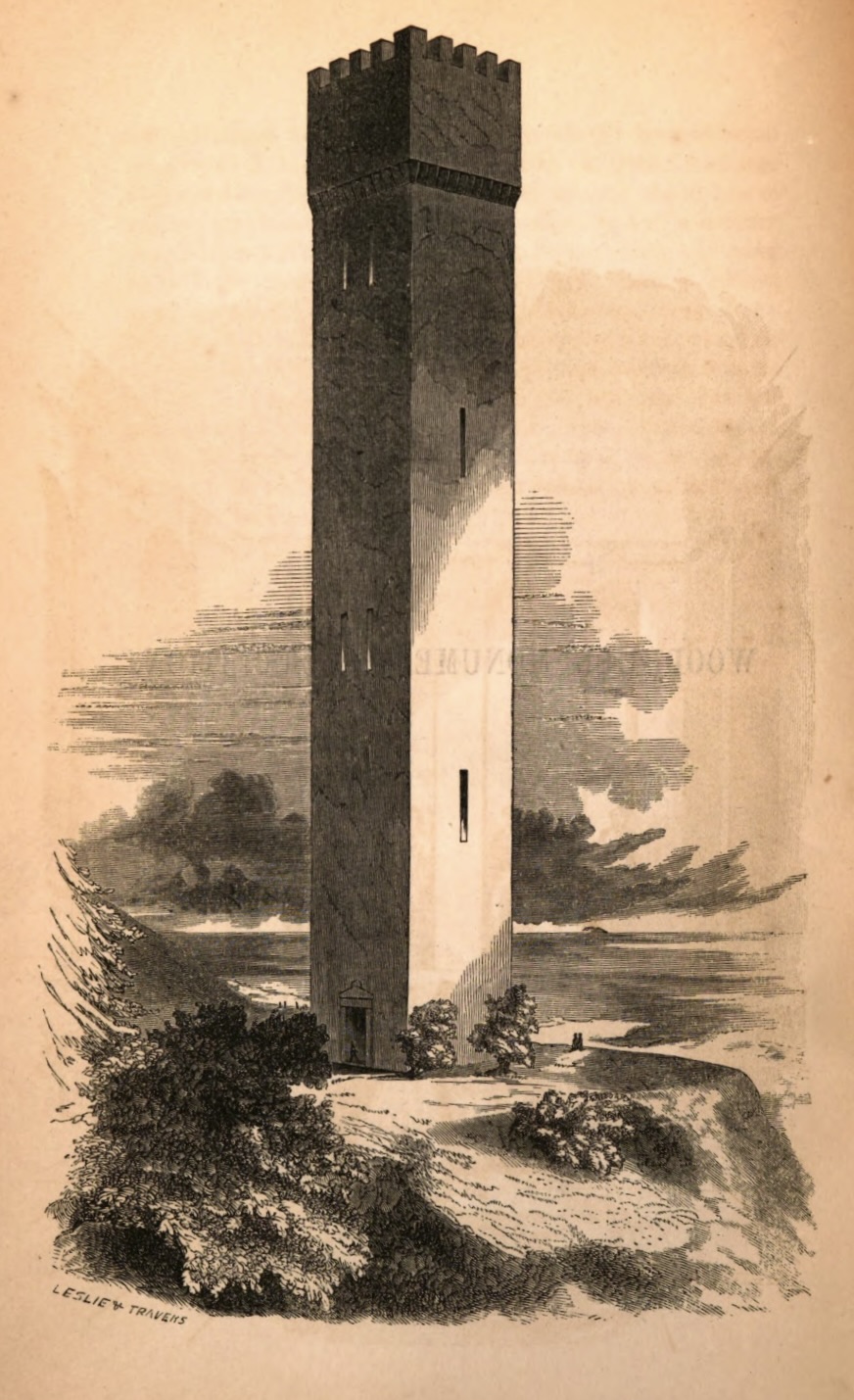
Nathaniel Woodhull’s life and achievements have been marked in numerous places across Long Island several times over the centuries. The first attempt came when a group of New Yorkers formed the the Woodhull Monument Association in September 1848. The association aspired to raise $50,000 and construct an obelisk in Cypress Hills Cemetery in Queens. Had it been built, the Woodhull Monument would have stood 300 feet tall, 40 feet square, and been divided into six chambers. For comparison, the Washington Monument is 550 feet tall. The Woodhull Monument never came to pass, though other memorials did. These included the dedication on Memorial Day 1904 of a government surplus cannon at Public School 35 in Hollis. This was followed in May 1912 by a tablet was also dedicated at PS 35. The tablet’s creator was German-American sculptor Albert Weinert, who had exhibited the bas-relief artwork at the 27th annual exhibition of the Architectural League of New York on West 57th Street from January 28 — February 17, 1912. The reason these monuments were placed where they were is because PS 35 stands near what had once been the Increase Carpenter Inn. That structure still very much existed in the 1910s, having undergone several renovations over the centuries until its final owner passed away in 1919. Despite civic efforts to save it, the historic inn was torn down shortly thereafter. On May 20, 1916 was the dedication of the marker in the New Utrecht Cemetery. A decade after that, on November 16, 1926, the Woodhull Chapter of the Daughter of the American Revolution sponsored yet another tablet, this one in the Chapel of St. Cornelius the Centurion on Governors Island, which at the time was a U.S. Army base. Descendant Ruth Woodhull Smith gave the dedication; Dr. Alexander Hamilton, grandson and namesake of the first Treasury Secretary, also spoke.
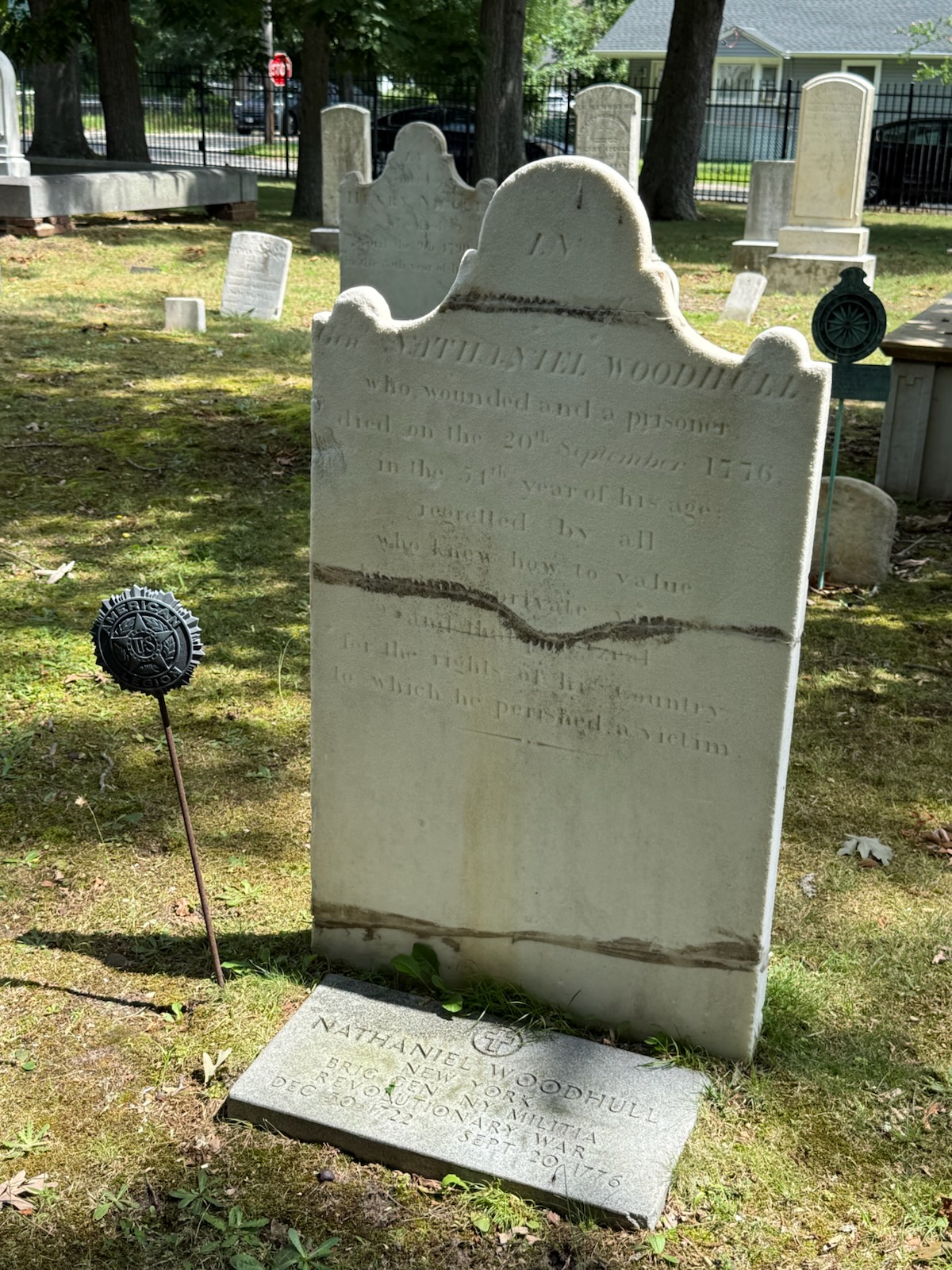
Nathaniel Woodhull was active in many of the most salient political and military aspects of the American Revolution before his untimely death in September 1776. There is no telling what other roles he may have played had lived to see the Revolution through to its conclusion.
- “George Washington to Nathaniel Woodhull, 27 June 1776,” Founders Online, National Archives. ↩︎

