
Perched approximately 125 feet above the blue waters of the Caribbean sits the imposing stone fortress of Fort Oranje on the island of St. Eustatius. Built by the Dutch West Indies Company on a site that previously stood a French fort. The company named the fort after the House of Oranje.
Although only eight square miles (8.1 to be exact), the island was nicknamed “The Golden Rock” as over 200 ships could safely come into port and anchor in its sheltered harbor. Thousands of ships called into the port, exchanging European goods for staples such as sugar and tobacco, various spices, and even weapons and enslaved. In 1754, the island was declared a duty-free port, which enhanced its trade status.
When the American Revolutionary War broke out, the port gained even more importance.
That importance was highlighted on November 16, 1776. Almost a month earlier, on October 17, 776, the Andrew Doria slipped out of the Philadelphia harbor and glided down the Delaware River into the open seas. Captain Isaiah Robinson’s orders were to head to St. Eustatius for a precious cargo of war munitions. As the Andrew Doria entered the harbor on November 16, Capt. Robinson ordered his ship to fire the customary 13-gun salute.
After the sound and smoke cleared from this salute, another sound rumbled forth in reply. For the first time—ever—a return salute was fired in the direction of a ship flying the colors of the rebellious colonies; the Grand Union Flag or Continental Colors. When the Andrew Doria docked, Capt. Robinson brought ashore a copy of the Declaration of Independence.
The First Salute.
Traveling to St. Eustatius was…simply put…a bucket list checking trip for a history enthusiast of the American Revolutionary period. I took advantage of expiring airline points and a break in my work schedule and made the plans. A whole 10 days in advance. Flying from Baltimore – Washington International Airport to St. Maarten because ‘Statia (one of the nicknames for the island) is not big enough for airline jets to land on. From St. Maarten I took a propeller plan, courtesy of WinAir, that sat 12 people, for the 20 minute flight to St. Eustatius.
The island is a gem. A magnet I saw in a local scuba and diving gift shop said, “The Caribbean’s Forgotten Island.” A lot nicer name then what British leaders called the Dutch possession in the 18th century, which was a “nest of vipers.” Staying at the Old Gin House the island was walkable. The people so welcoming. The various food options were always a treat.
Although the fort was under some construction, I was able to walk into it a bit, visit the history museum, which doubled as Sir George Rodney’s headquarters when the British temporarily took over the island during the American Revolution, and took many hikes around the island, taking in the history, greenery, and scenery.
In the end I came to the island for the history and that did not disappoint.
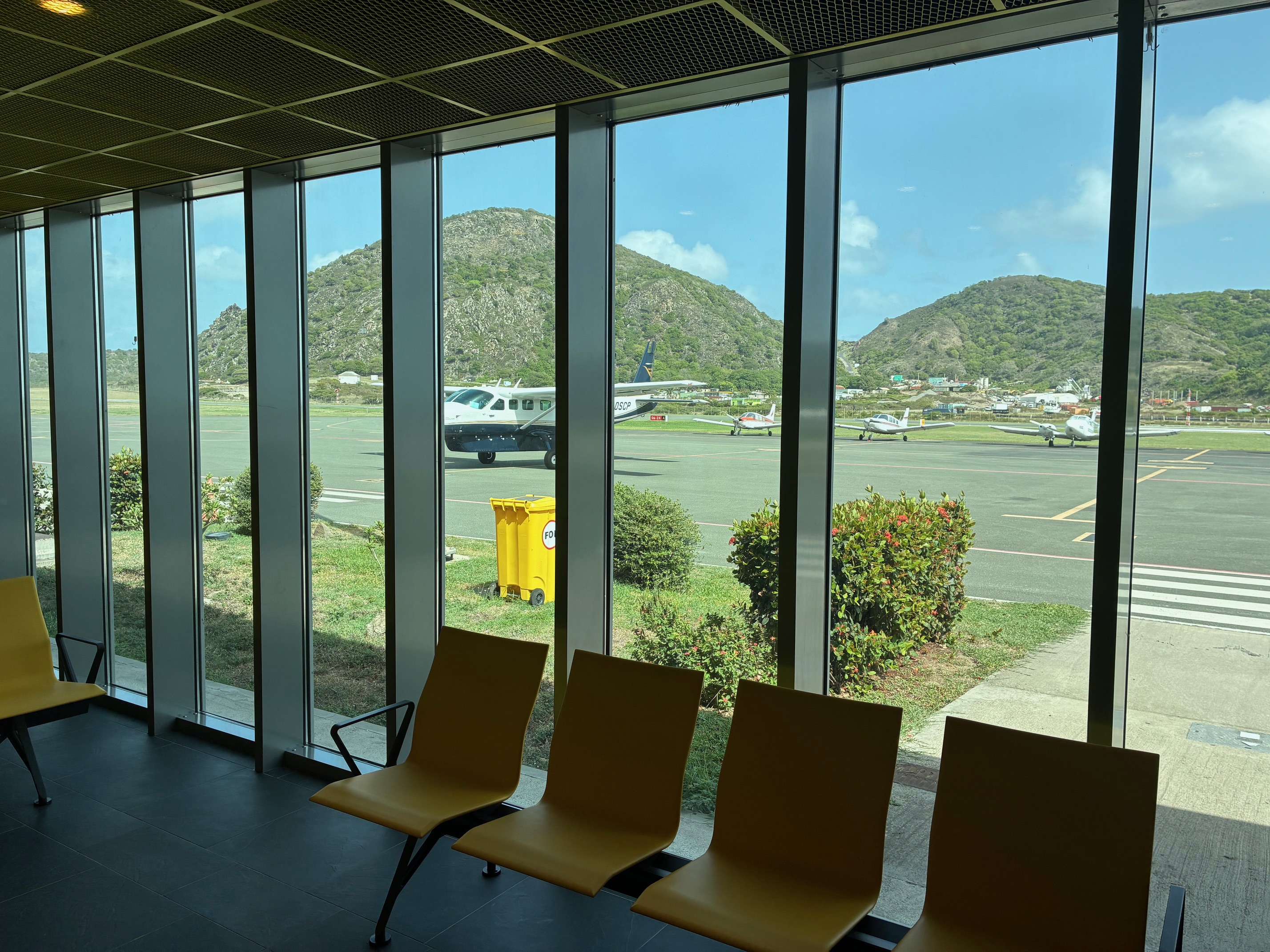
Almost got the entire airport lounge in one picture 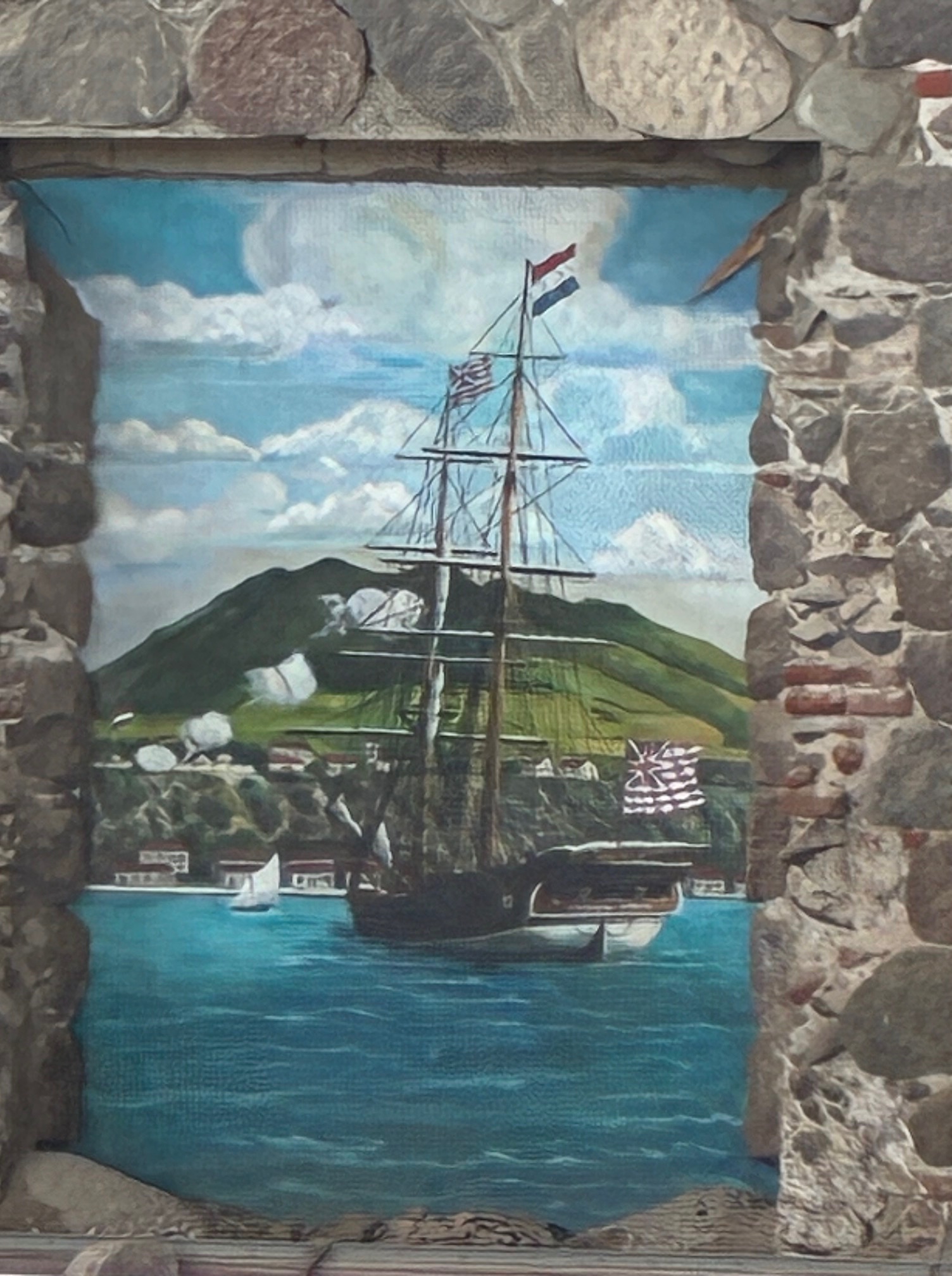
Painting of the Andrew Doria 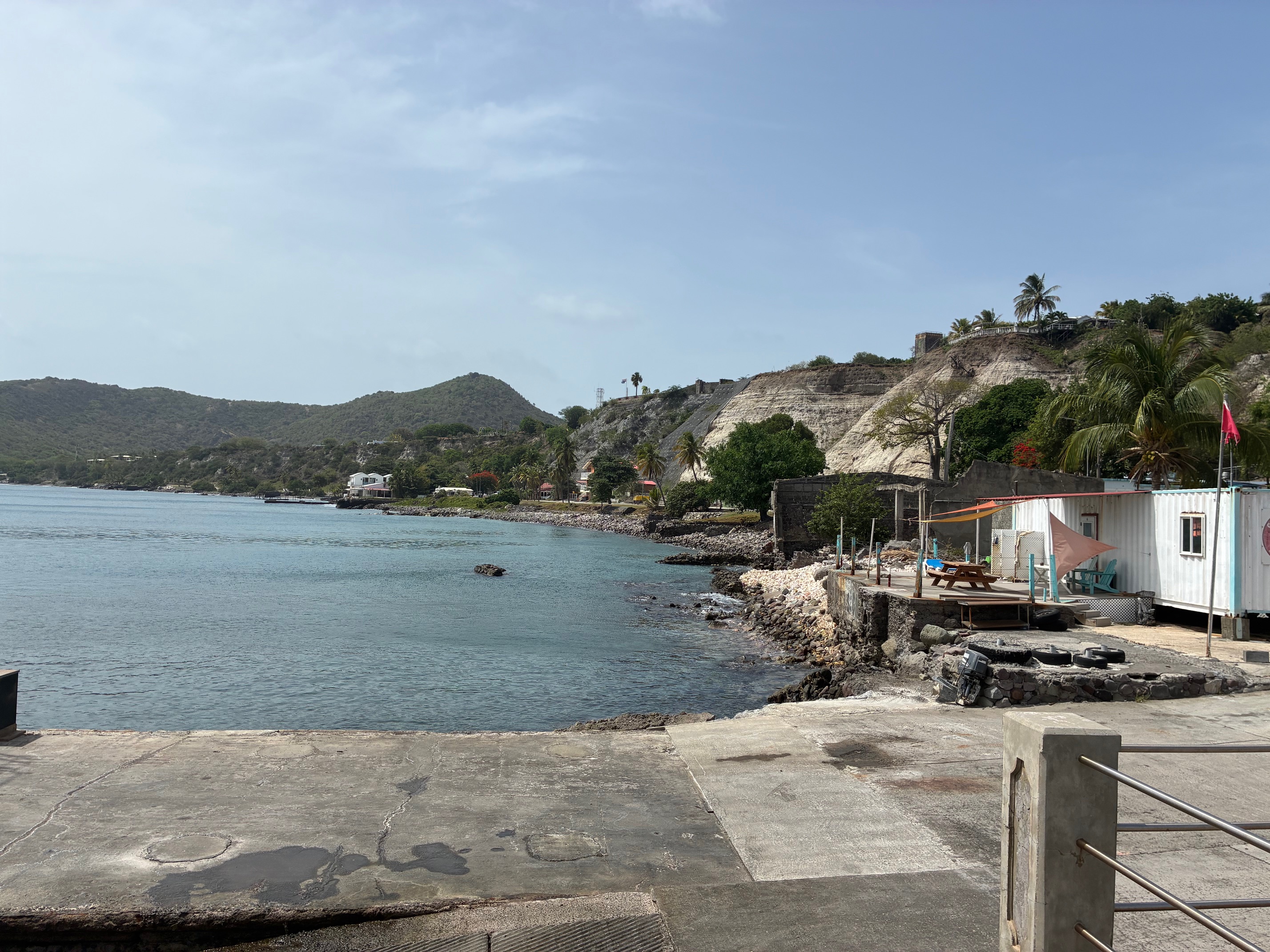
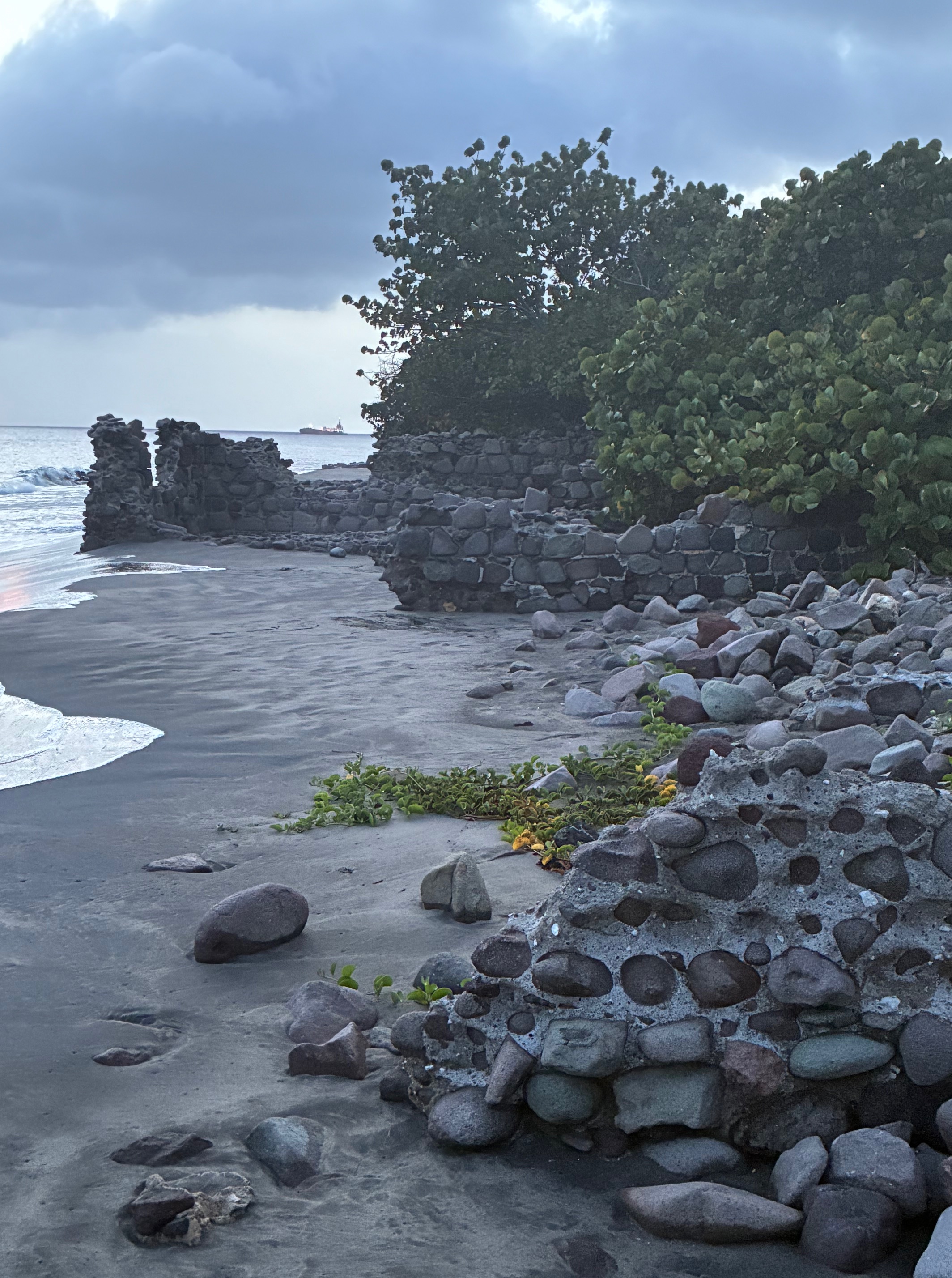
Remnants of some of the stone docks 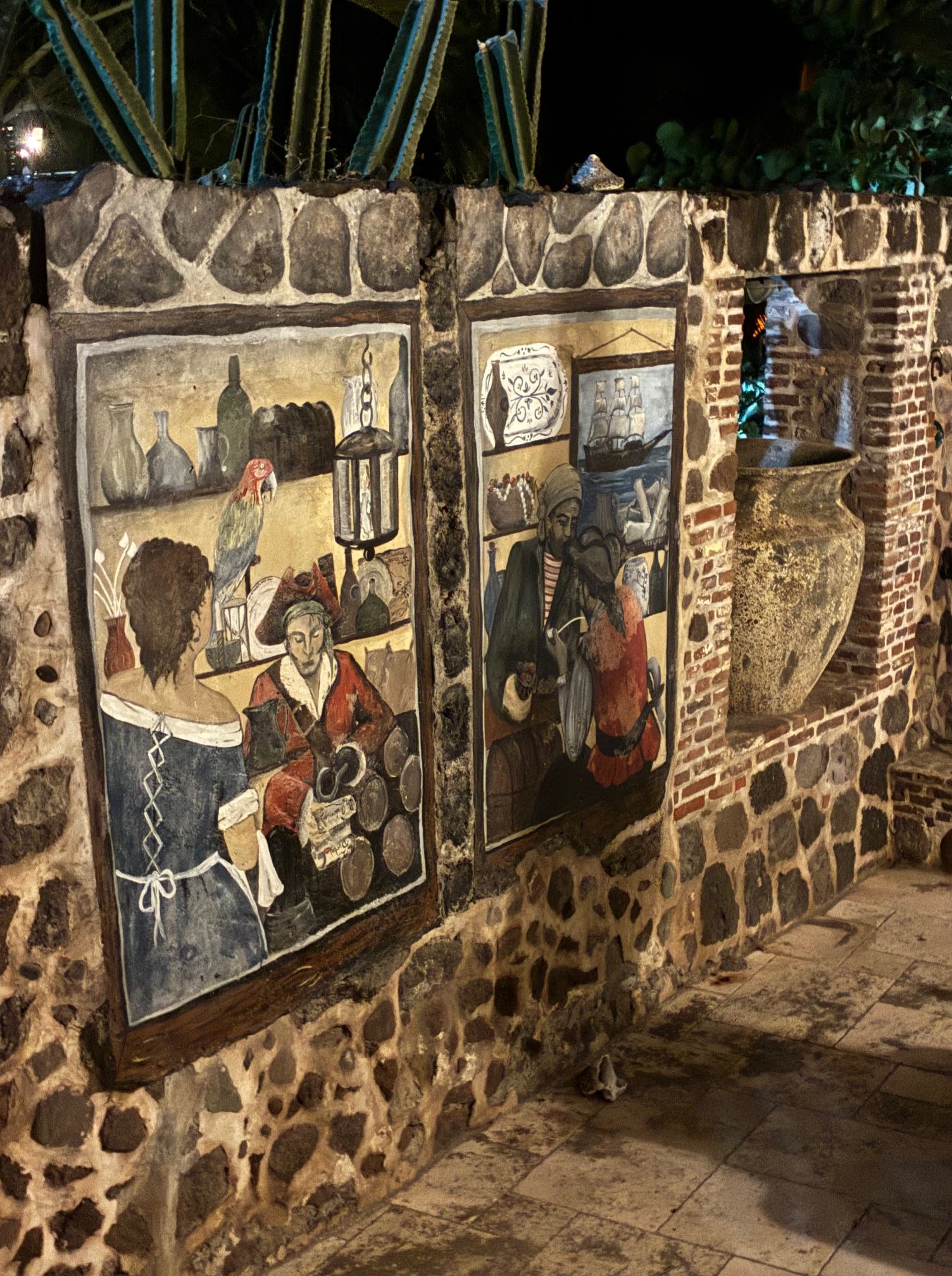
“a nest of vipers” 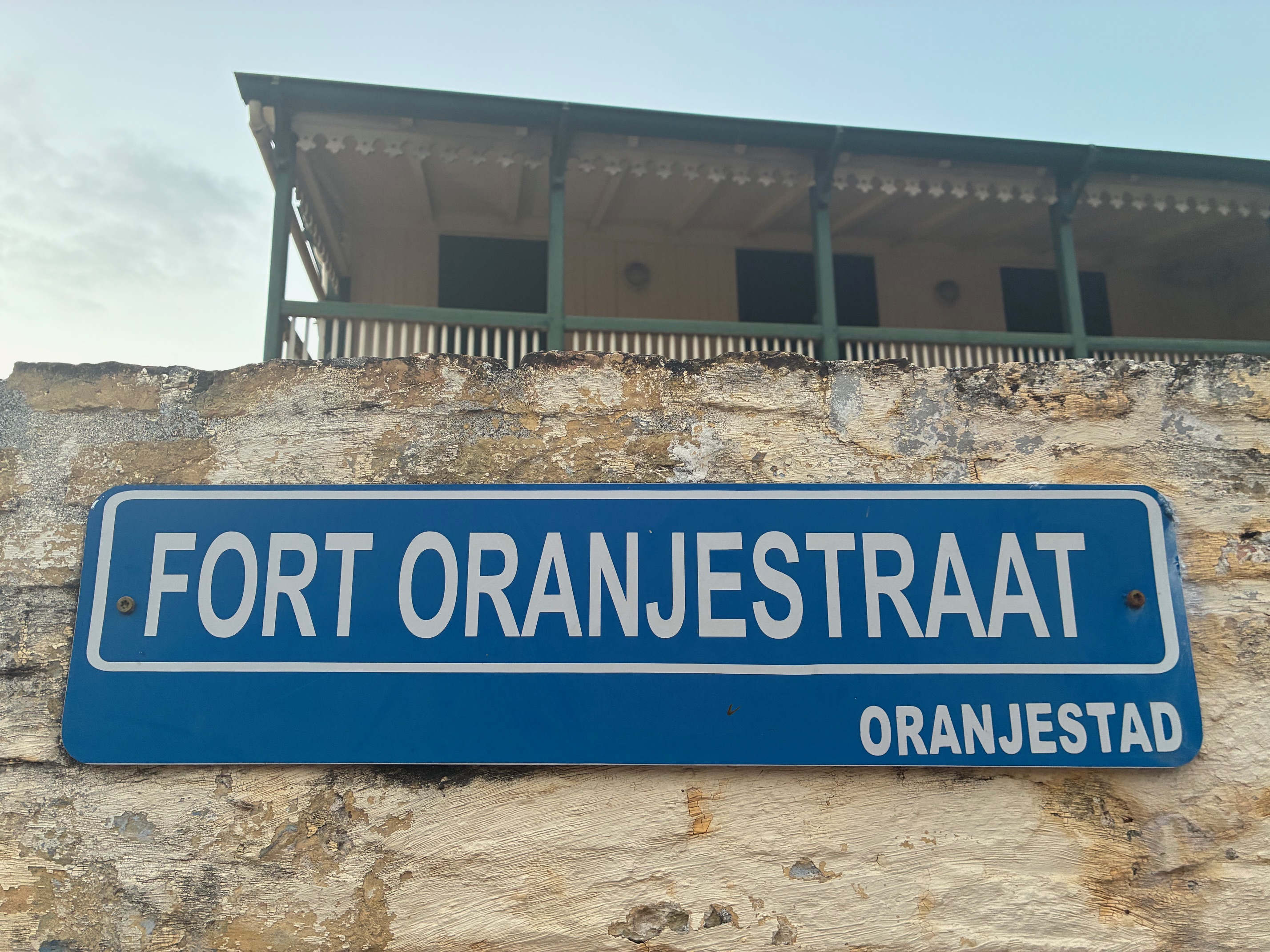
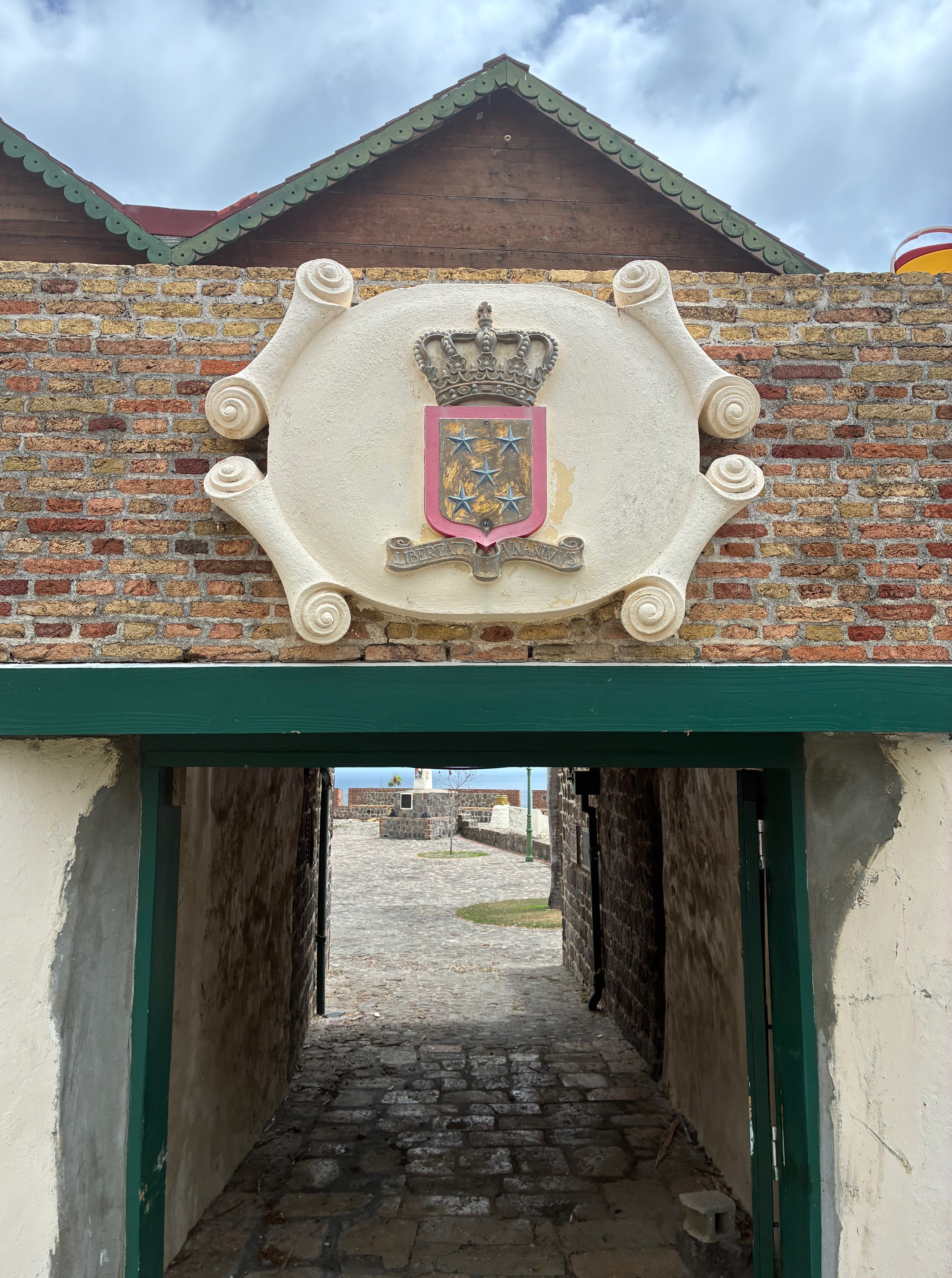
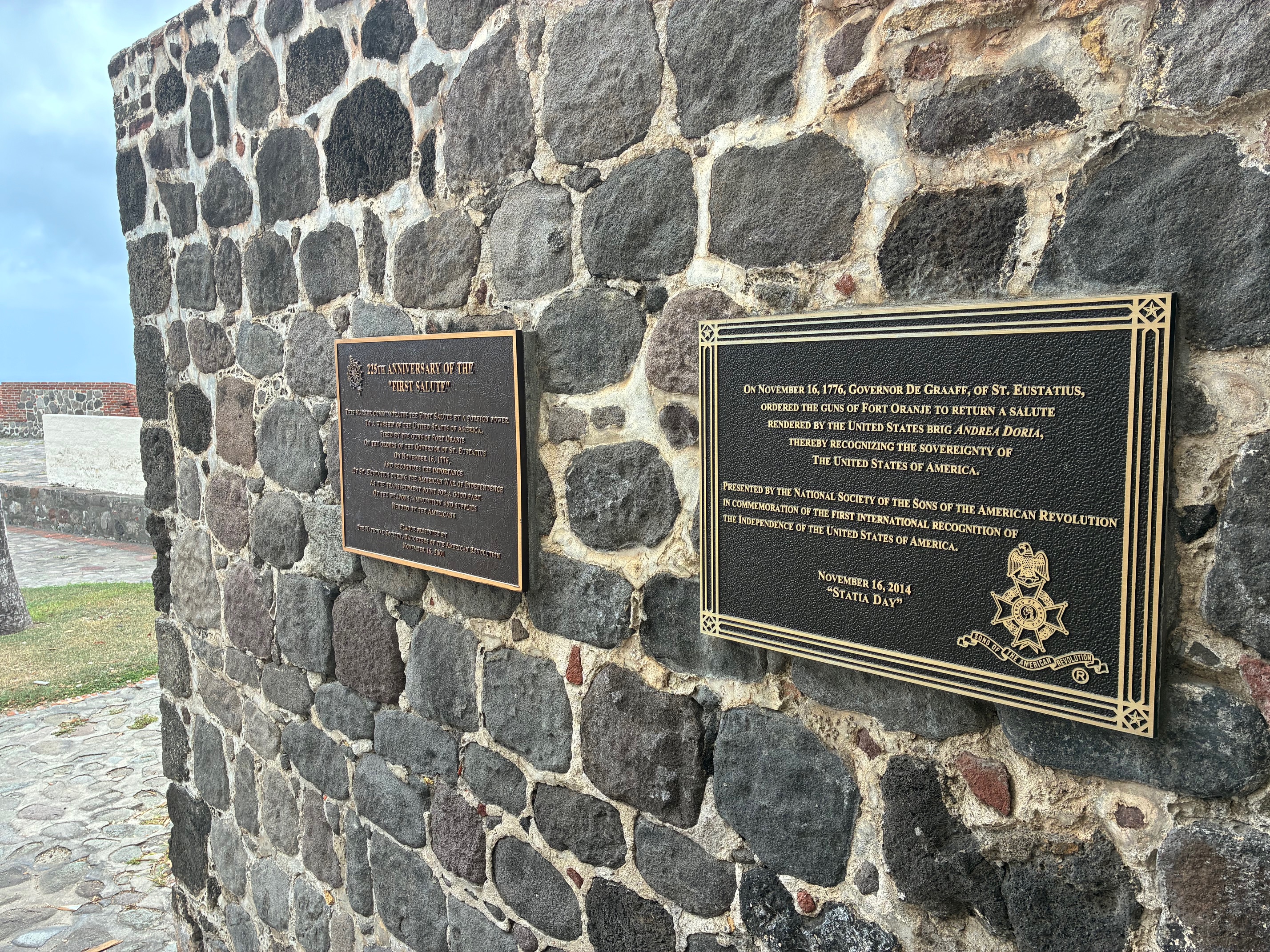
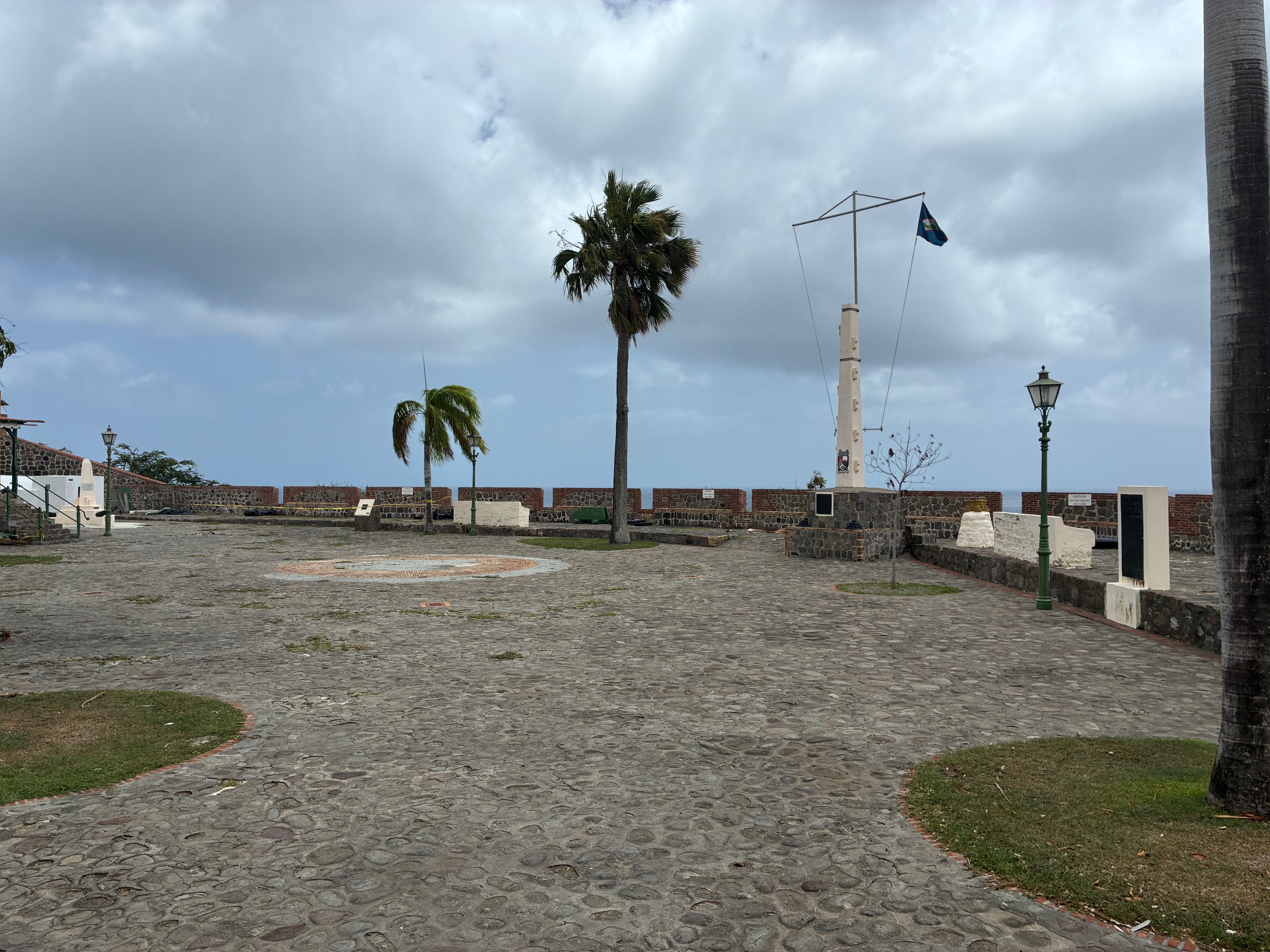
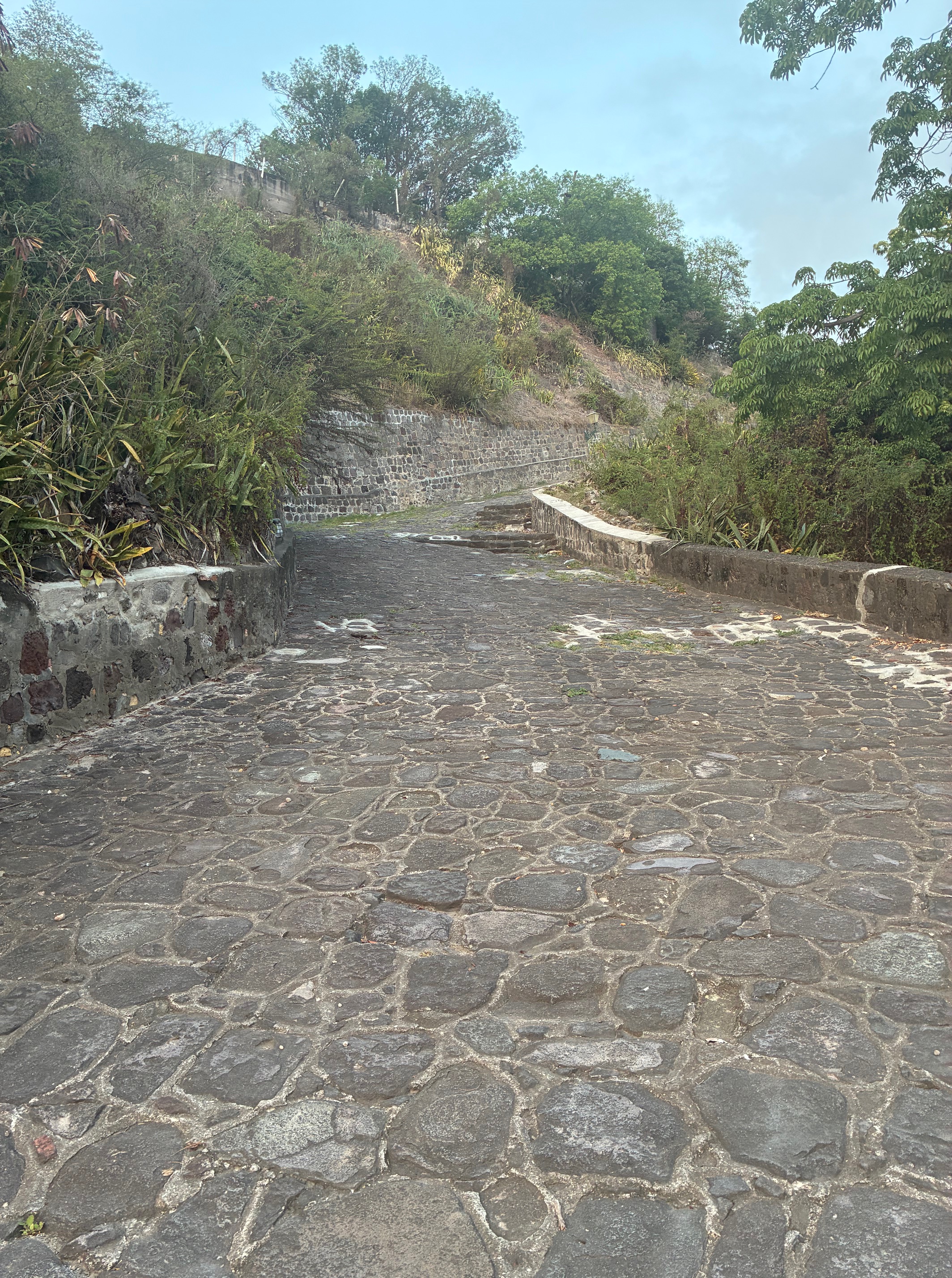
Interior of Fort Oranje 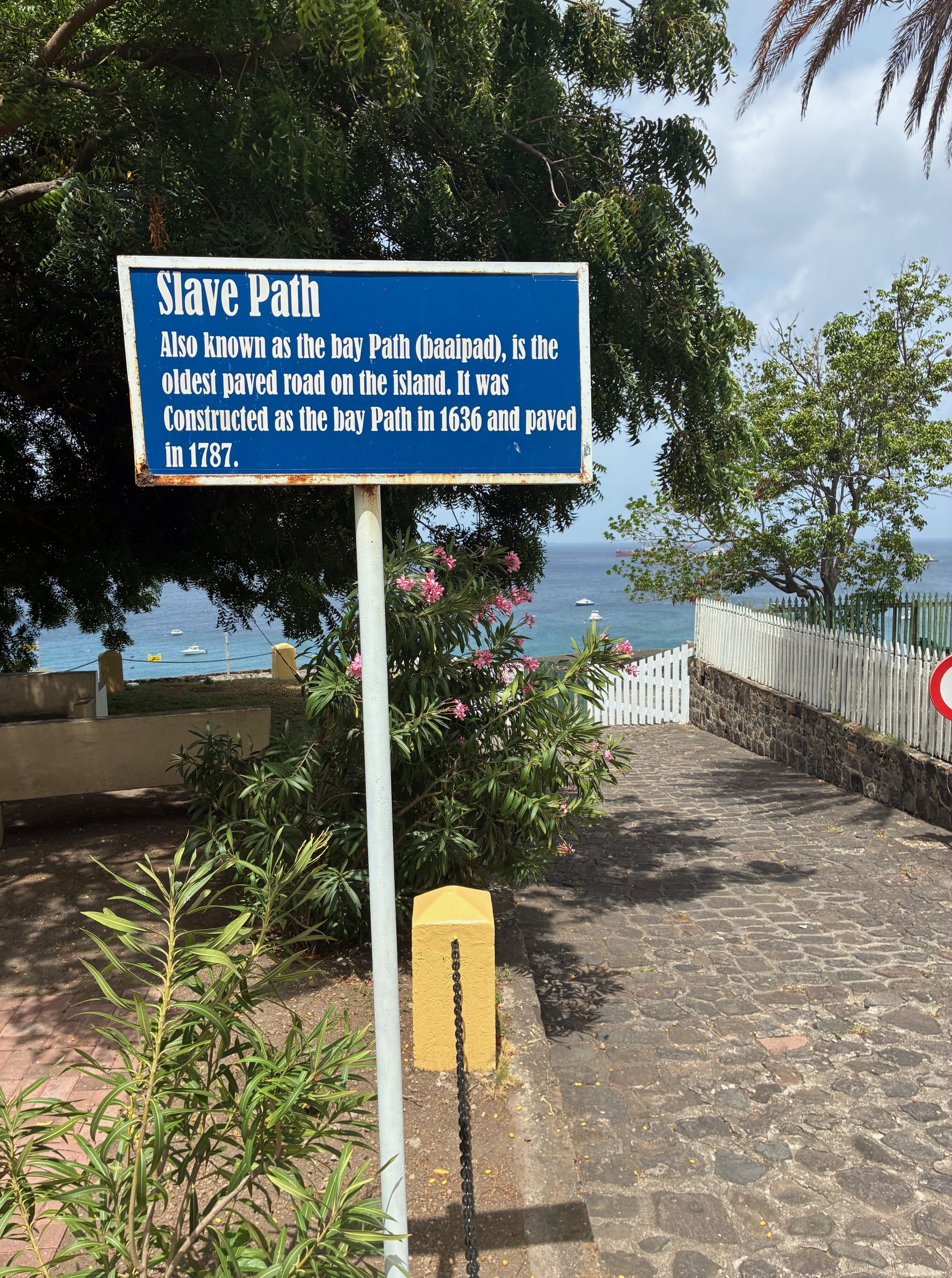
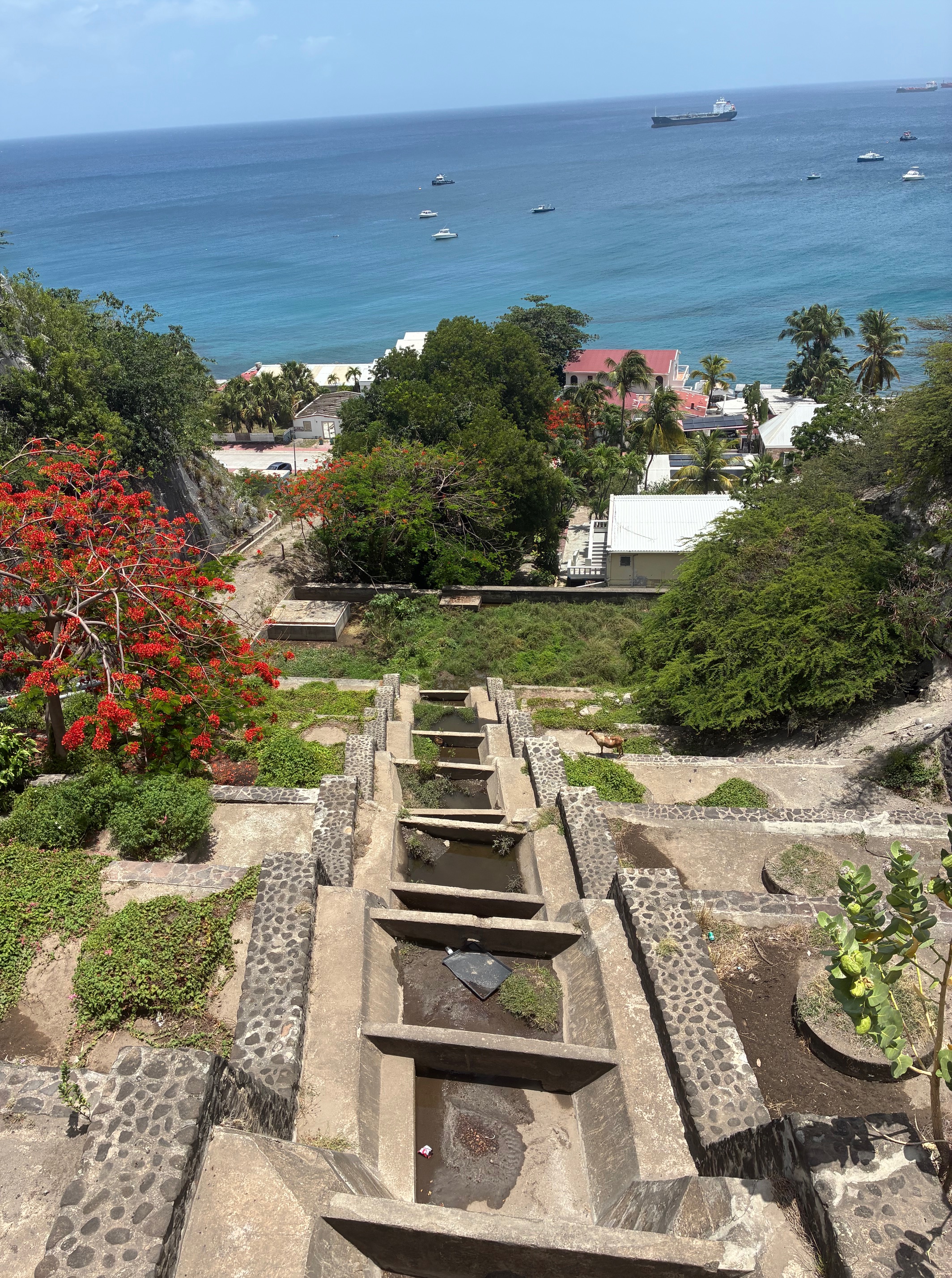
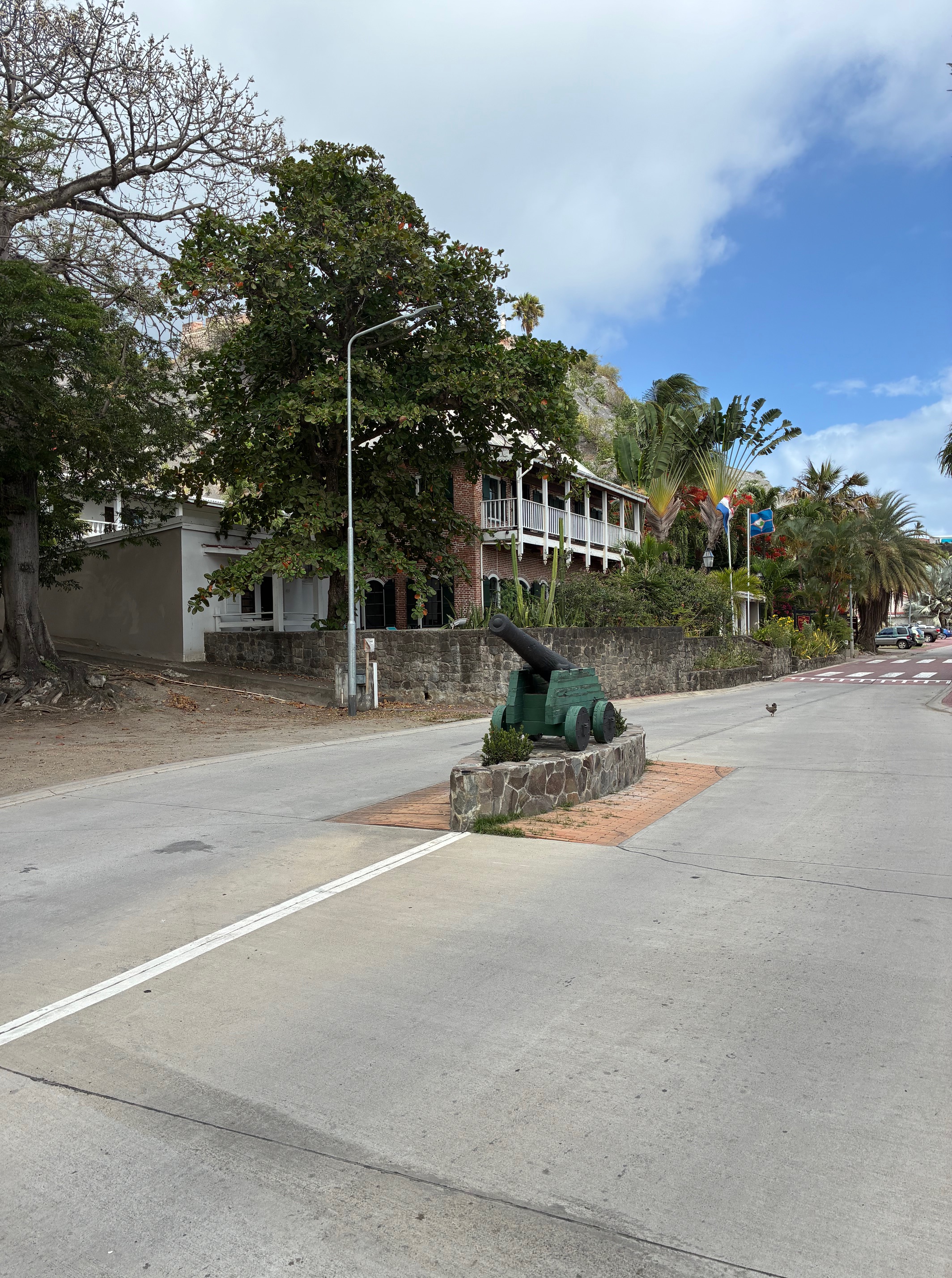
Old Gin House, one of the trading houses, now a hotel 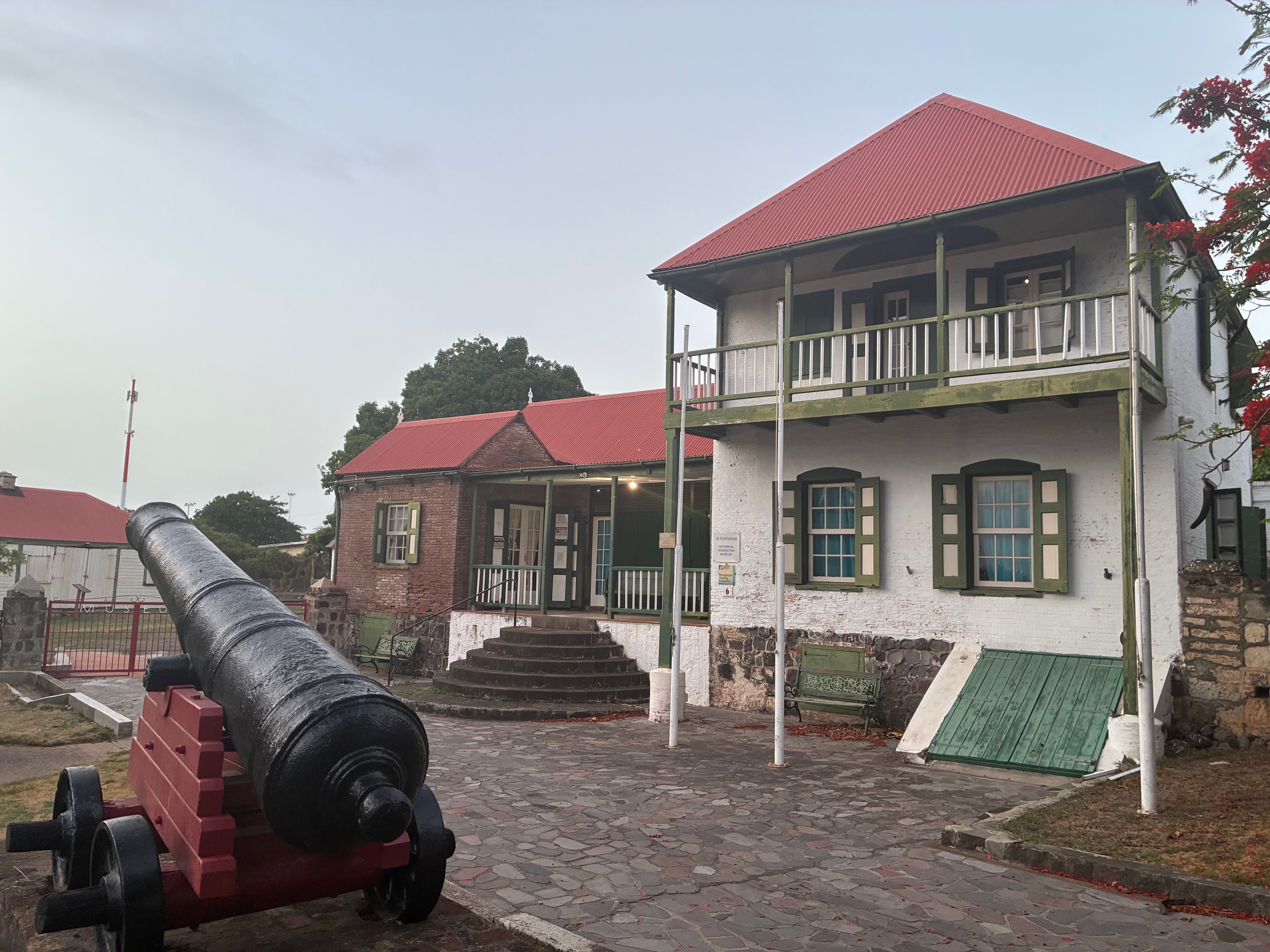
St. Eustatius Historical Foundation Museum – used as British headquarters during the American Revolution -18th century merchant house 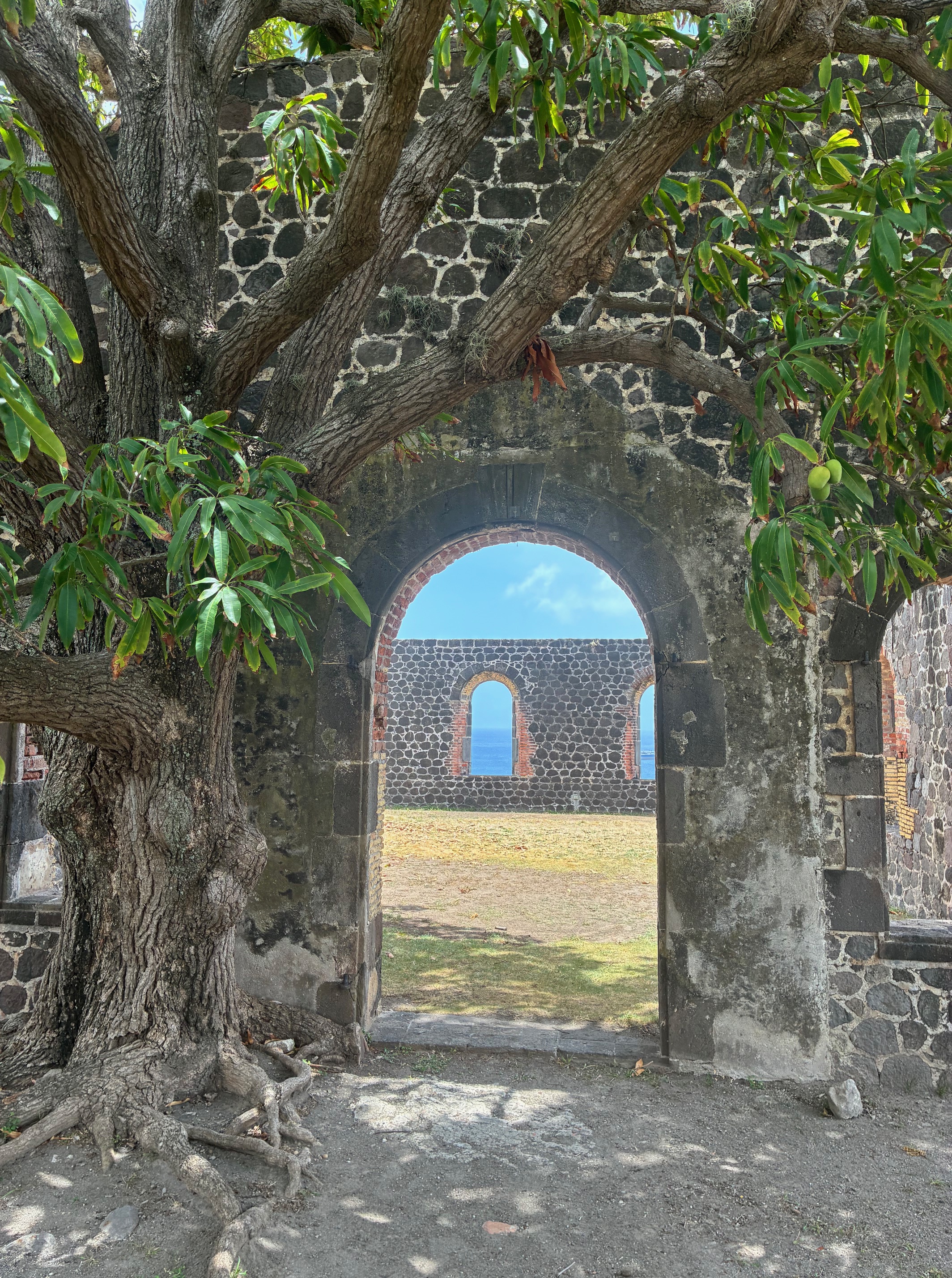
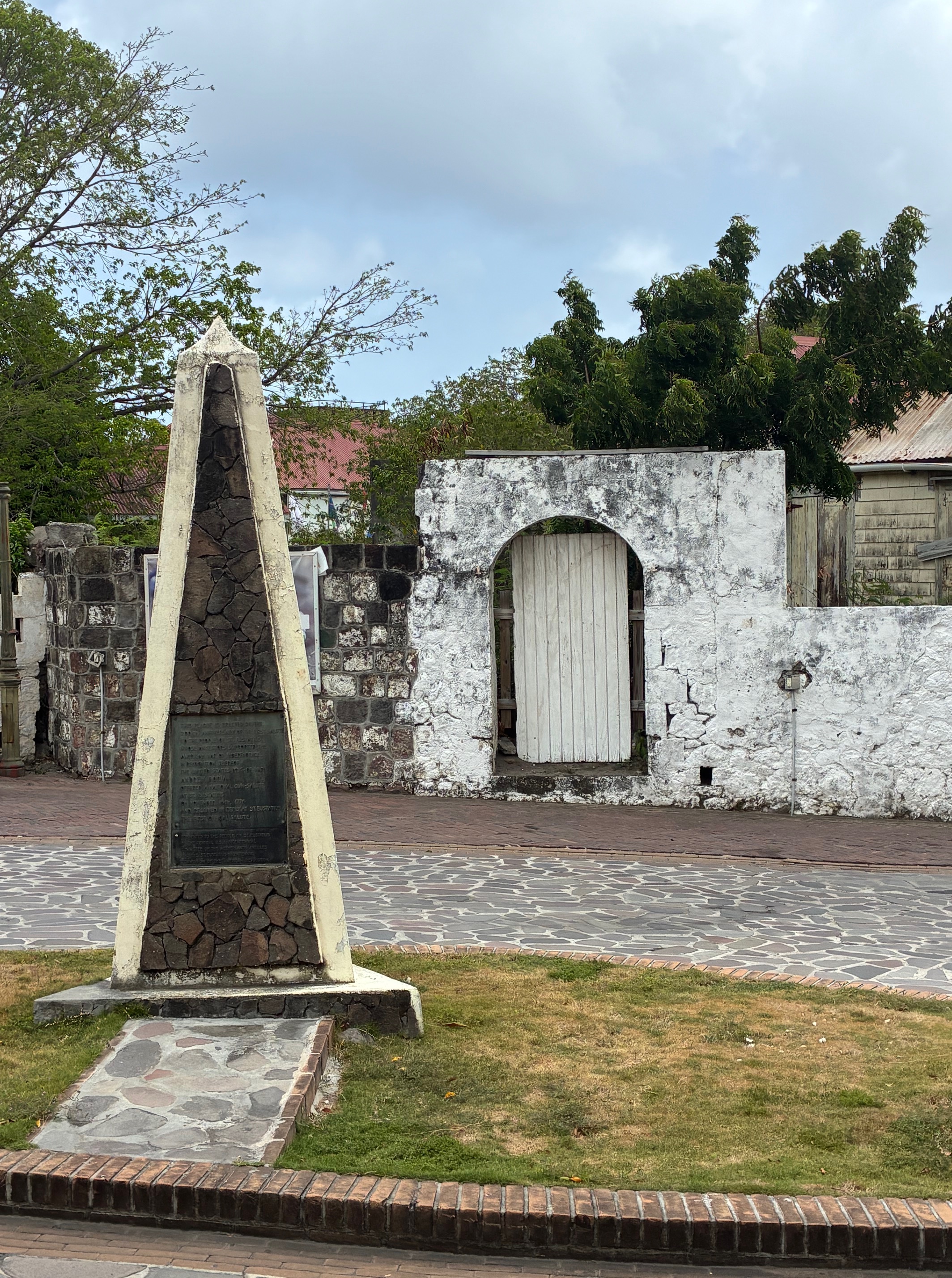
Monument to the First Salute


A great book about this was written in 1988 by the noted historian Barbra Tuchman.
LikeLike
Yes, great book! Actually read it before trip then took with me.
LikeLike