“The Line of Splendor” Guest Book Review

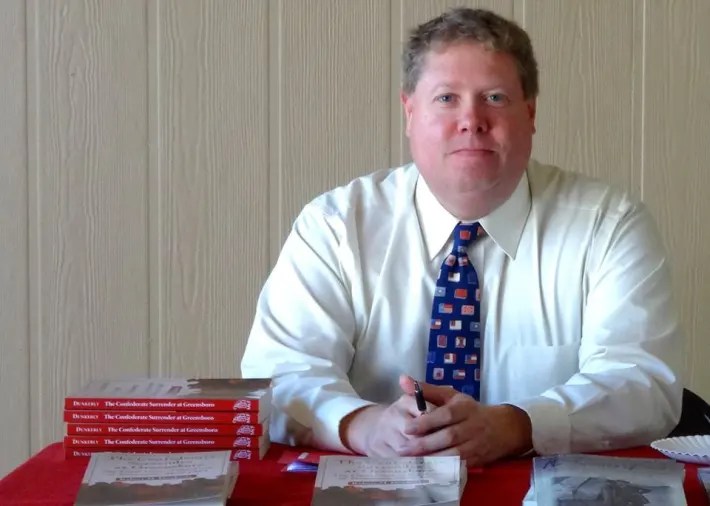
Emerging Revolutionary War welcomes guest historian Nicholas Benevento.

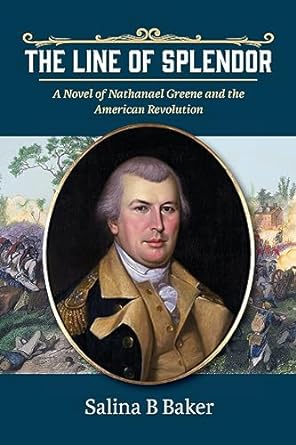
“The Line of Splendor: A Novel of Nathanael Greene and the American Revolution” is a historical novel written by Salina Baker.  In her novel, she brings to life a figure who deserves more fame and recognition for his pivotal role in the Revolution.  Nathanael Greene was a selfless general and leader who fought valiantly to defend his country and provide for his troops. He was a man who defied the odds and was placed in a position of power and leadership, a favorite of General George Washington.   He was a man willing to put everything on the line for the independence and freedom of the United States. 

Baker’s book picks up with Nathanael Greene’s life early in the 1770s when Nathanael is about the age of thirty.  At this time, there were growing tensions in the American Colonies with Mother England.  Shortly before the war broke out, Nathanael married his wife Caty in 1774, and Baker does a masterful job weaving their relationship into the story of his time in the war. 

Baker’s work is a fascinating depiction of Nathanael Greene and the American Revolution.  Readers of history often read facts and descriptions of events, which Baker provides.  But she also takes the reader into the thoughts and conversations of Nathanael Greene, as well as other key figures in his life.  Therefore, while this is a fiction novel, enthusiasts of this time period in American history would love this novel.  Baker weaves in the history of the war, while also providing us with dialogue and feelings of Nathanael.  Baker’s novel is a reminder to the reader that the generals and soldiers who fought in the Revolutionary War were not mythical figures who fought a war that would inevitably end in an American victory.  These were real men with real emotions carrying their insecurities and flaws, while experiencing the highs and many lows of the war.  Greene was central to many of the key battles early in the war, from the siege of Boston, to the debacle of New York, to the triumph of Washington’s crossing of the Delaware, to the trying times at Valley Forge.  Greene held a tremendous weight on his shoulders throughout the war, especially when he led the Southern Army late in the war during the Southern Campaign.  

Continue reading ““The Line of Splendor” Guest Book Review”

Washington’s First Headquarters

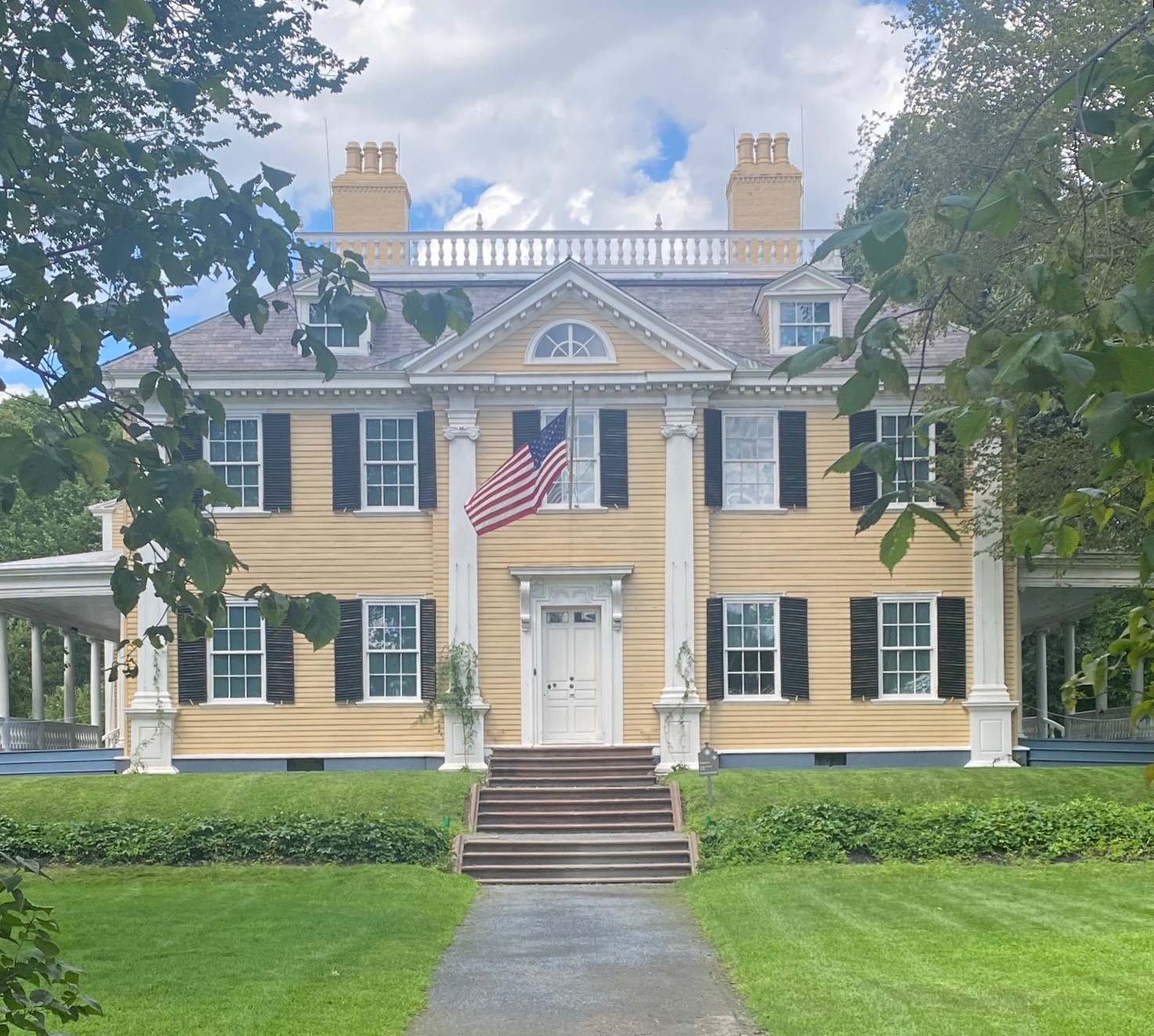
On June 15, 1775, George Washington was appointed by the Second Continental Congress as commander-in-chief of the Continental Army. Approximately a month later he rode into Cambridge, Massachusetts, to the house below, to assume command over that army. After he met the officers at Jonathan Hastings House near Harvard College campus, learning about operations and the siege. He was then directed toward an opulent residence standing about a mile away. Named the Vassall-Craigie-Longfellow residence, this place would become the focal point of the effort against the British in Boston. Washington moved in. He spent the next nine months in residence, overseeing the Siege of Boston and the British evacuation.

From this house, Washington began putting his footprints on the army and met some of the officers that became instrumental in securing American independence. This included the Rhode Islander Nathanael Greene and Massachusetts native and bookseller Henry Knox among others. Martha Washington, in December 1775, traveled over 440 miles from Mount Vernon to Cambridge to winter with her husband in this house. The making of Washington, the general, started here.

The power of place.

Today, the house preserved by the National Park Service today can be toured, click here for information.

Alcohol in the American Revolution

Emerging Revolutionary War welcomes guest historian, Nathaniel Parry, a brief bio follows this post.

The American Revolution was a victory of liberty over tyranny made possible by a mixture of courage, grit, and virtue. It was also, however, a morally ambiguous affair with some of the main participants motivated as much by ambition as they were by idealism. While many of the founding generation prided themselves on their virtue, vice also played an important role in their rebellion against the British, and to fully appreciate this reality, it is useful to examine the role of alcohol, which turns up at many of the revolution’s key moments.

In ways sometimes subtle and often quite important, alcohol provided the impetus for the nation’s founding, belying the pristine image of an honorable rebellion of virtuous patriots against liberty-hating tyrants. From John Hancock celebrating the repeal of the Stamp Act in 1766 by “treat[ing] the Populace with a Pipe of Madeira Wine,” as one newspaper reported,[i] to militiamen wetting their whistles at Buckman Tavern before the Battle of Lexington and Concord,[ii] to General George Washington ordering “an extra ration of liquor to be issued to every man”[iii] in celebration of Britain’s recognition of America’s independence in 1783, alcohol pops up again and again during the revolutionary era. This was a reflection of the fact that drinking was an integral part of daily life in early America.     

John Hancock and the Liberty Affair

With heavy drinking habits widespread among all classes and regions, the rum distillery industry flourished in the colonies, made possible by cheap imports of molasses from the West Indies. By one count, there were more than 150 rum distilleries in New England before the revolution, and throughout the colonies some five million gallons of rum were being produced.[iv] In order to ensure access to the cheapest molasses available and to bypass restrictive English regulations such as the Navigation Acts and 1733 Molasses Act, smuggling became rampant in the colonies, a problem that Parliament sought to address with the adoption of the Sugar Act in 1764. An attempt to crack down on smuggling and increase revenue, the Sugar Act had the effect of increasing the price of manufacturing rum and negatively affected the exporting capacity of New England distillers, leading to consternation among merchants. It also heavily taxed the formerly duty-free wine from Madeira, Portugal, which was popular throughout the colonies. This angered both merchants and consumers.[v]

Continue reading “Alcohol in the American Revolution”

Rev War Revelry: The Long 1774 in Massachusetts with Historian and Author J.L.Bell

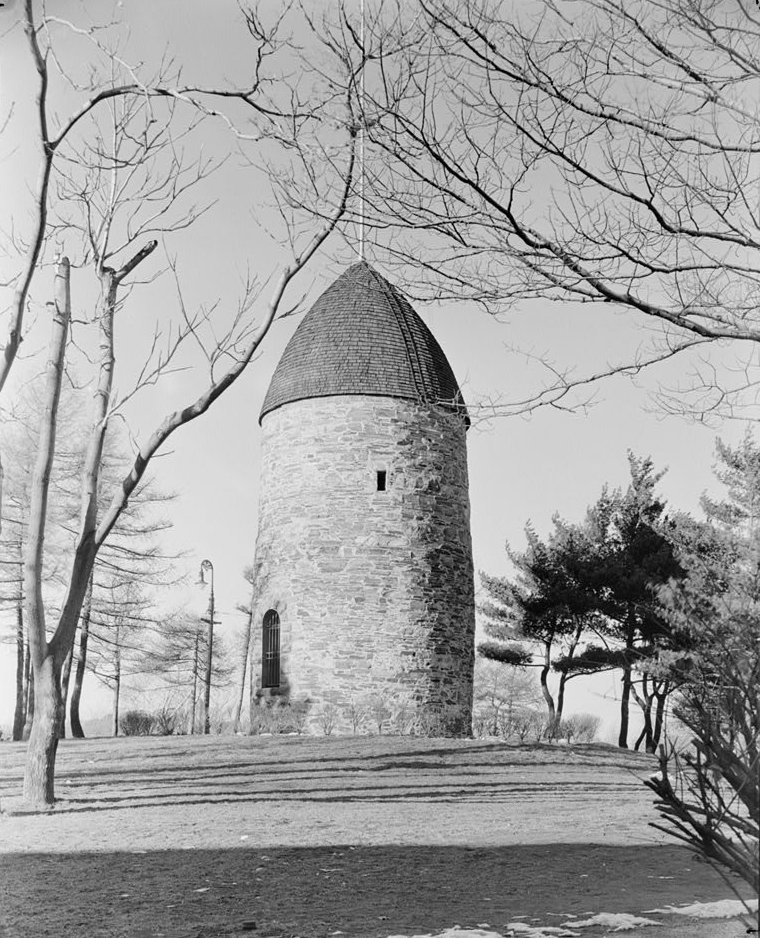
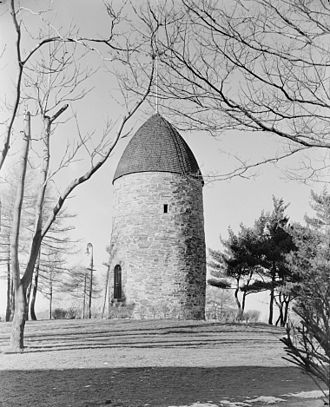
The Charlestown, now Somerville, Powder Magazine was the focus of the September 1, 1774 Powder Alarm. The historic structure still stands today.

Join ERW this Sunday at 7pm as we welcome back historian and author J.L Bell. We will discuss the events in Boston and Massachusetts in 1774 after the passing of the now popularly called “Intolerable Acts” in response to the Boston Tea Party. A time of political, social and economic upheaval for everyone in the colony, the events that transpired had big impacts across all the colonies and set the stage for April 19, 1775. J.L. Bell is a renowned historian who operates a very comprehensive blog focused on Boston 1775 (https://boston1775.blogspot.com/ )

Grab a drink and sit back and learn about the events that rapidly progressed during 1774 towards warfare and bloodshed. J.L. Bell will provide a great insight into how things quickly deteriorated in Massachusetts and how that impacted all the colonies as a whole. Unlike previous revelries, this revelry will run live on our You Tube channel at: https://www.youtube.com/@emergingrevolutionarywar8217 . Due to new rules and regulations with Facebook, we can no longer stream our revelries live on Facebook. We hope that will change in the future. We will post the You Tube video to our Facebook page after the live broadcast. We hope to see you this Sunday, June 9, 2024 at 7pm on our You Tube Channel!

“Democracy is too prevalent in America” Thomas Gage Arrives in Boston

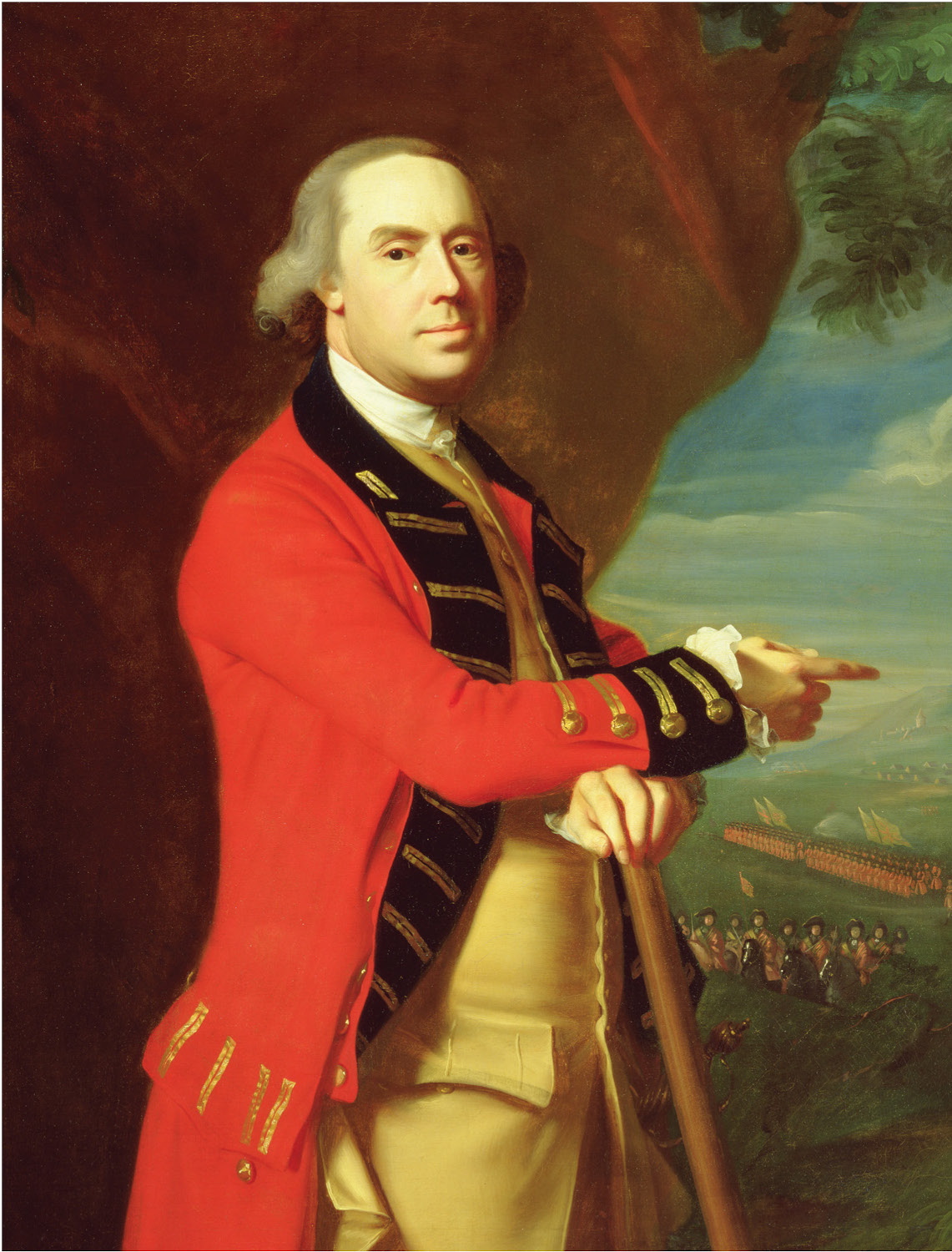
On May 13, 1774, the newly Royally appointed Governor of Massachusetts arrived in Boston. General (and now Governor) Thomas Gage was well known to the American colonists. Gage served as a Major in the 44th Regiment of Foot in the French and Indian War, most notably in the Battle of the Monongahela. When several of Gage’s officers fell, he took up temporary command of the 44th during the battle. During that time Gage got to know George Washington and both men respected each other. After the war, Gage received a promotion to Brigadier General and was appointed the military governor of Montreal.

Portrait of Thomas Gage by John Singleton Copley

Soon after, Gage became the commander in chief of all British forces in North America. He moved to New York city to administer the King’s forces in the American colonies. Gage’s popularity increased as he focused on creating peace with the Indian population along the new western border of the colonies through various treaties. Gage and his American born wife, Margaret, were well accepted into New York society. Gage always believed that the democratic spirit that pervaded the colonies were a threat to British rule. With many of the colonists accustomed to electing their own representation, he believed this created more division with the home country than making them British citizens. Gage had long believed that democracy was too rooted in colonial society. In 1772 he wrote “democracy is too prevalent in America.”

As tensions began to increase within the American colonies, Gage’s response exasperated the situation. He contracted many of the British military posts back to the colonial cities along the eastern seaboard (which in part led to the Boston Massacre in 1770). He believed a show of military strength would help put out the fires of discontent. Further, he concluded that the unrest was mostly pushed by a very small minority, not the vast majority of colonials. He underestimated how the masses would respond to his hard hand. Now Gage, who was in Great Britain when the news of the Boston Tea Party arrived, was seen as a great fit to handle the crisis in Boston. His military back ground and experience as a civil leader (and liked by many in the colonies) made him on paper an ideal candidate for Governor of Massachusetts in this unsettled time.

Many in Boston welcomed Gage when he arrived that May. Mostly because they had become so disenchanted with former Governor Thomas Hutchinson, who was completely not up to the task that faced him in 1773. The recently passed Boston Port Act (passed in March 1774, this act closed the port of Boston until the loss of the tea was paid for) grew tensions in Boston, but large segments of the population believed that those that destroyed the tea should pay for it. Soon, it was the next piece of news from Great Britain that shook the foundation of something the majority of Bay Staters took pride in, self-rule.

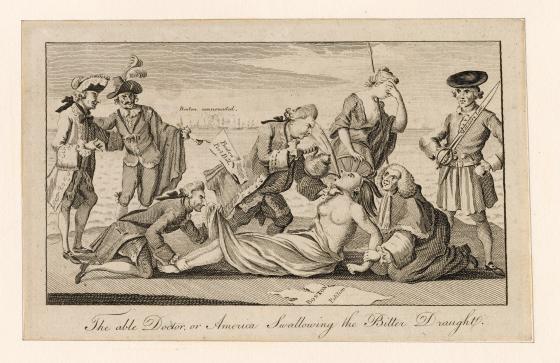
“The able doctor, or America swallowing the bitter draught,” 1774. This illustration depicts the British forcing a Native American woman (a symbol of the American colonies) to drink tea.

Word arrived of two new laws recently passed on May 20, 1774, Parliament passed the Massachusetts Government Act and Impartial Administration of Justice Act. These two acts were punitive in measure and sought to bring the colony under direct Royal control. The Government Act stated “Parliament passes this act turning the Massachusetts Council into a body of crown appointees“ (similar to other Royal colonies like Virginia) when up to then they were elected. Also, it restricted the traditional “town meeting” to just one a year. Town meetings were an essential local governing tool to not just govern localities but also to provide open communication across the colony. The Justice Act gave the governor the power to a trial to another colony or to Great Britain if he determined “that an indifferent trial cannot be had within the said province.” Judgment by one’s peers was a long-standing tradition in Massachusetts and in British law dating back to the Magna Carta. These measures essentially dissolved important aspects of the Massachusetts Charter of 1691.

Furthermore, Gage inflamed the situation more in Boston by bringing with him more British Regular troops. By the end of 1774, Gage had more than 4,000 soldiers in and around Boston.  Gage could see the situation worsening but was unable to determine how to best deal with what confronted him. Whig leaders such as Dr. Joseph Warren, Paul Revere and Samuel Adams used these newly passed acts as proof that Great Britain was infringing on their rights and liberties. Using groups like the Sons of Liberty, Whig leaders began to gain great influence as many of the colonists began to turn against Great Britian. Soon many of these community organizations began to arm themselves and coordinate with the other colonies via committees of correspondence. Gage, feeling the situation was becoming dangerous wrote back to authorities in Great Britain “Affairs here are worse than even in the Time of the Stamp Act, I don’t mean in Boston, for throughout the Country. The New England Provinces…are I may say in Arms.” Events were beginning to build towards armed revolution, not just in Massachusetts, but across a more unified American colonies.

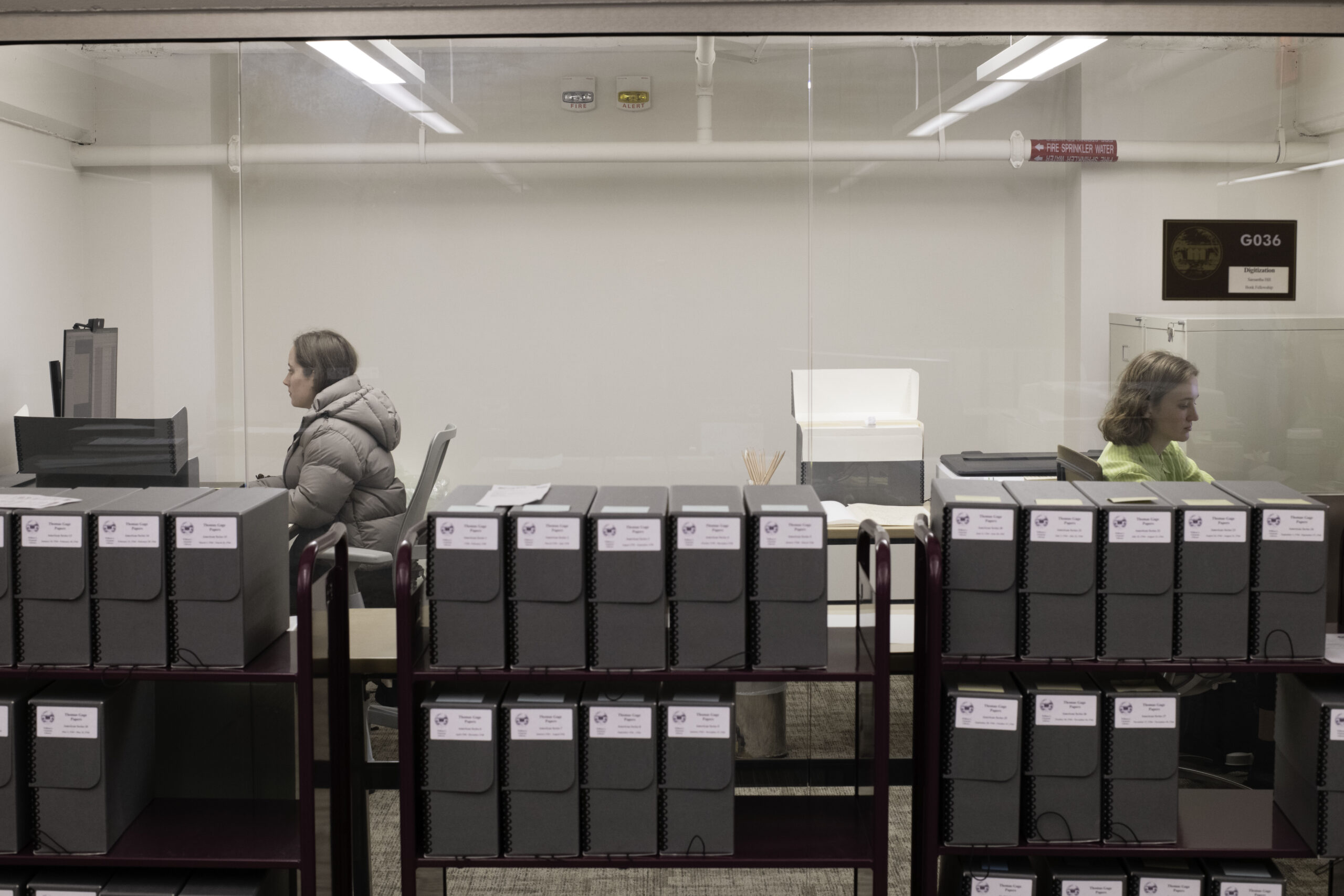
William L. Clements Library at the University of Michigan is now digitizing Gate’s papers with help from a grant of the National Endowment for the Humanities. Over the next year or so, this great resource on the colonial America will become accessible via the library’s website.

The Great Butter Rebellion

Yes, this was a protest in Massachusetts in 1766.

No, “butter” is not a typo in the title.

Yes, this may be the first college student protest recorded in what became the United States of America.

No, this was not just about butter or butter substitutes.

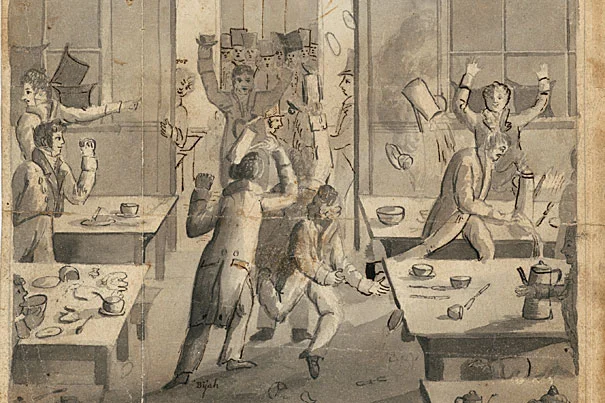
At Harvard College, in 1766, three students, all seniors at the institution, Asa Dunbar, Daniel Johnson, and Thomas Hodgson had had enough of the lack of fresh food being served to the student body. Dunbar, who may be best known as the grandfather of Henry David Thoreau, led the protest, stating that the butter served by the college was “stinketh” and he incited the student body to reject this rancid fare by jumping onto his chair and yelling

“Behold our butter stinketh! Give us therefore butter that stinketh not!”

Dunbar faced disciplinary action, being punished for insubordination and instigating a potential riot. After he received his punishment, the student body enacted another protest, by walking out of the hall, cheering loudly in Harvard Yard, and continuing into Cambridge to dine instead. To give some credit to the college, the adminstration acknowledged the butter ws rancid. With restrictions due to economic difficulties the availability of fresh food was limited however.

As Massachusetts moved closer to open rebellion in their remonstrances against British Parliament and the British crown their example was mirrored by the student body of Harvard. After a month of impassed including “insulting proceedings” the royal governor of Massachusetts, Sir Francis Bernard personally addressed the student body in the chapel on campus and the protests and insubordination of the student body concluded.

A depiction of a student protest
courtesy of The Harvard Gazette

Concluding, with a Butter Rebellion, a Tea Party, what food or drink would the colonists focus on next? For me, I think I will sip my Samuel Adams brew. Leave the butter and tea to the Massachusettans.

(Yes, I know that Samuel Adams beer was not around at the time of the American Revolution but I thought it was fitting. And beer and history go together anyways right?)

Sources:

Butter rebellion

Harvard’s long-ago student risings

Spread The Word: Butter Has An Epic Backstory

The Experience of Freehold’s Civilians during the Battle of Monmouth Courthouse

Amid the hot weather of June 28, 1778, the British army under General Henry Clinton battled General George Washington’s Continental Army in the fields outside Freehold, New Jersey. The Battle of Monmouth Courthouse ranks as the eleventh deadliest battle of the Revolutionary War, claiming at least 700 casualties between the two armies. While the armies moved on after the sharp fight, the citizens of Freehold were left to deal with the battle’s aftermath.

Below are excerpts from two letters written by citizens of Freehold in the immediate aftermath of the battle that describes the toll the armies and battle took on their homes.

An unidentified “young gentleman, an inhabitant of Freehold,” penned the first letter on June 29, 1778. This citizen marched during the battle with Nathanael Greene’s troops, who only arrived on the battlefield proper near the end of the fight. Thus, he could “form an idea of the particular movements of the…engagement only from the dead…” There was abundant evidence provided by the corpses on the battlefield as the British “left very many dead upon the field of action…” Beyond the furrowed ground sliced by artillery shots and musket balls, the British columns left a path of destruction in their wake. “The destruction the enemy have made is dreadful. A great number of houses, barns and out-houses, on and near the public roads, are entirely reduced to ashes. They have been all round us, and yet we have escaped.”

A lady of Freehold wrote her letter two days after the battle. She equally said the horrid aftermath of an 18th-century conflict. “The enemy declared, at Robert McKnight’s, they intended to pay us a visit the next day, as they went down to the Court-house, and said their orders were to burn all the houses in this neighborhood. Doctor Henderson is burnt out, as also Peter Foreman, David Foreman, Benjamin Covenoven, George Walker, Mr. Solomon, David Covenoven, Garret Vanderveer, David Clayton, and a number of others. Most of the people on the public road have lost every thing the enemy could carry off or destroy.”

This anonymous woman was pleased that the British army had passed on, though they left their dead behind “as thick as bees round Mr. Sutfin’s.”

The occupation of the area by the warring armies “I fear…will make a famine among us,” she sadly concluded.

The Battle of Monmouth Courthouse was only one of a long stretch of days for central New Jersey’s civilians between 1775 and 1783.

This sketch of British troops burning homes around Lexington, Massachusetts, is a view similar to the one had by Freehold’s citizens as the British army passed through their homes.

Rev War Revelry: Women of the Revolution with Saratoga Historian Lauren Roberts

Join us this Sunday at 7 pm as we welcome Saratoga historian Lauren Roberts. Lauren will discuss with us the upcoming as we discuss their upcoming Women in War Symposium and Bus Tour hosted by the Saratoga County 250th Commission. The third Annual Women in War Symposium will be held on May 4, from 8:15 a.m. to 3:30 p.m. at the Old Saratoga American Legion Post, located at 6 Clancy St. As an enhancement to the Symposium, a bus tour of historic sites will be offered on May 5.

Lauren will also discuss some of the topics being covered at the Symposium and some of the diverse history in Saratoga that relates to the American Revolution. We all know about the Battle of Freeman’s Farm and Bemis Heights, but how many know about the “witch of Saratoga”? Grab a drink and join us this Sunday night at 7pm on our Facebook page for a fun and insightful discussion into the great work that Saratoga County is doing to commemorate “America’s Turning Point.”

Why Tea? Events Leading up to the Boston Tea Party

As we move towards to the 250th anniversary of the Boston Tea Party, we at ERW have gotten a lot of questions with a central theme…” why was it tea that led to revolution?” Was tea so central to colonial life that it was worth risking war or was it something else? The answer is somewhere in the middle and as with most history, there is nuance to the story (and yes, tea WAS a big part of everyday live in British America).

On May 10, 1773, Parliament passed the Tea Act, this act was a way for the British government to help bail out a major corporation, the British East India Company. The British East India Company was one of the largest global companies and faced immense debt and financial trouble. Furthering their troubles, they held a large amount of tea stored in warehouses in London. The British East India Company sought a way to offload this tea, which was considered some of the best tea in the world. The company’s success was directly tied to Great Britain’s international strategy, as the company spread British influence across the globe especially in India where they basically managed the British colony. The Tea Act reduced the cost on the tea (cutting out the “middleman” in Great Britain), and now the colonists could buy the tea directly from the British East India Company.

The British colonies in North America consumed on average of 1.2 million pounds of black tea annually. In 1773, about 1/3 of the population drank tea at least twice a day. It was a common luxury among most middle- and upper-class colonists. They preferred black tea but also drank green tea. Black tea varieties included Bohea, Congou and Souchong and common green tea varieties included Singlo and Hyson. All the tea that the British East India Company sold was grown and imported from China. Tea from China was preferred by most for better flavor, but it tended to be more expensive. The North American colonies consumed a lot of smuggled tea from the Dutch, the quality of the tea was not the same but much cheaper. A large market grew for smuggled tea with most British port officials looking the other way. All of this changed when the Tea Act was passed.

Nineteenthcentury lithograph depicting a tea plantation in Qing China 

Many in Parliament believed the colonists would have little opposition to this new act. They could now purchase their preferred tea for a cheaper price than the smuggled tea from the Netherlands. Unfortunately for Royal leaders, this was not the case. As word reached the colonies Whig leaders such as Samuel Adams called it nothing more than a British authorized monopoly of the tea market, cutting into the pockets of colonial merchants (though their tea smuggling business was illegal to begin with). The Tea Act also highlighted a British policy that the colonists opposed for many years, the Townshend Acts. The Townshend Acts imposed duties on imported lead, glass, paper, paint, and tea. This “tax” was payable at ports and funded the salaries of colonial judges, governors, and other government officials. This angered many colonial leaders for two reasons. First, it levied another tax on the colonists without having their own representation in Parliament. Secondly, it made the government officials more beholden to the British government (and the tax) than the colonial governments.

Whig groups like the Sons of Liberty used local taverns as places for their meetings. The most famous being the Green Dragon Tavern in Boston. It no longer stands today.

As the news of the Tea Act reached the colonies, the reaction was mixed. Whig leaders in major cities such as Charleston, New York, Philadelphia and Boston saw it as a way to reinvigorate their cause of opposing British rule. Recently things were mostly quiet with little interest by the public for protest. But now the Whig spin machine went into full affect. The Tea Act was a direct affront to colonial self-rule and economic interest. The taxes paid for the tea went to British officials in the colonies and the cheaper priced (and better quality) tea would put many American merchants out of business. Whigs were able to control the message that the Tea Act was just another way for Parliament to make money off the colonists, who did not have representation in Parliament.

As part of the Tea Act, consignees were appointed to oversee the sale of tea and the collection of the taxes on behalf of the British East India Company. As the tea began to arrive in colonial ports, public pressure was put on consignees to resign. This pressure was successful in New York, Philadelphia and in Charleston. Each of these cities were able to either stop the tea from being offloaded or, as in the case of Charleston, they confiscated the tea and didn’t allow any duties to be paid on it. All of these were direct affronts to the law but the events in Boston proved to be the most dramatic.

Ca, 1780 view of Charleston Harbor, and the Exchange Building where the confiscated tea was locked away by Whig leaders.

Unlike in other port cities, the consignees in Boston refused to resign. Richard Clarke, leading merchant in Boston and one of consignees faced a mob at his warehouse trying to pressure him and the other consignees to resign. Encouraged by the Massachusetts Governor Thomas Hutchinson (who had two sons serving as tea consignees) to stand their ground, the consignees refused to resign. Soon news arrived that the first ship carrying the tea, the Dartmouth, was arriving in Boston soon.

Hosting several town meetings, some hosting thousands of people, Whig leaders such as Samuel Adams, Dr. Joseph Warren and John Hancock were able to organize a strong opposition to the tea. Of course, Boston was already a tinderbox due to the “Boston Massacre” in 1770 and the large contingent of British regular troops stationed in Boston. Bostonians were reminded daily of Royal influence. The Whigs protested to the Governor to order the ships to return to England, but Hutchinson refused to do so and claimed he didn’t have that authority. Many historians believed Hutchinson, who recently had resigned as Governor and was awaiting his replacement, had grown tired and frustrated with the likes of the Whigs and Sons of Liberty in Boston and was trying to press the issue.

On November 28, the Dartmouth arrived in Boston Harbor. Captain James Hall was turned away at the first wharf he sailed too and was redirected to Griffins Wharf. Everyone knew that once a ship entered the harbor, the captain had twenty days to unload the cargo and pay the custom duties. Soon two more ships arrived at Griffins Wharf with more tea. With the Governor refusing to allow the ships to leave the harbor and local patrols watching the ships to make sure the tea was not offloaded, the stage was set for December 16th, the last day the ship’s captains had to unload their cargo.

2024 ERW Bus Tour Announcement – Lexington and Concord!

We are excited to announce our 2024 (fourth annual!) bus tour location will be Lexington and Concord on October 11-13, 2024. Join historians Phillip Greenwalt, Rob Orrison and Alex Cain as we tour the sites associated with the beginning of the American Revolution on April 19, 1775. The tour will cover events in Lexington, Concord and sites along the “Battle Road.” Tickets are $250 per person and includes a Friday night lecture, all day tour on Saturday and half day tour on Sunday (bus tour transportation and Saturday lunch included in cost).

Lodging is not included in the ticket fee. Our host hotel is the Courtyard Marriott – Waltham, a room block is set aside for $239 a night. For reservations contact 781-419-0900 or visit https://www.marriott.com/events/start.mi?id=1699298201894&key=GRP

Join us for our FOURTH annual tour as we take on the beginning of the American Revolution just a few months before the 250th anniversary. Learn about the dramatic events that led to the first shots for the Revolution and the bloody aftermath. We will visit Lexington Green, Buckman’s Tavern, North Bridge in Concord, Battle Road including Merriam’s Corner, Parker’s Revenge and the Jason Russell House. There is no better way to experience history than to stand in the footsteps of where it happened!

To register, visit: https://www.eventbrite.com/e/760200178197?aff=oddtdtcreator

For more questions, please email emergingrevolutionarywar@gmail.com.