Timothy Newell kept a very vivid diary of life in Boston in 1775 and 1776. He started the entry below on this date, 250 years ago, by copying the “sundry papers lent me…relative to the Siege and Evacuation of Boston in 1775…”
To the Commanding Officer at Roxbury
March 8, 1776
As His Excellency Gen Howe is determined to leave the Town with the troops under his command, a number of the respectable Inhabitants, being very anxious for its preservation and safety, have applied to General Robertson for this purpose, who at their request have communicated the same to his Excellency Gen Howe, who has assurred him, that he has no intention of destroying the Town, unless the Troops under his command are molested, during their embarkation, or at their departure by the armed force without; which declaration he gave General Robertson leave to communicate to the Inhabitants. If such an opposition should take place, we have the greatest reason to expect the Town will be exposed to entire destruction. As our fears are quieted, with regard to General Howe’s intentions, we beg we may have some assurances, that so dreadful a calamity may not be brought on by any measures without. As a testimony of the truth above we have signed our names to this Paper, carried out by Mess Thomas and Jonathan Amory, and Peter Johonnet, who have at the earnest entreaties of the Inhabitants, through the Lieu Governor solicited a flag of truce for this purpose.
John Scollay 2. Timothy Newell 3. Thomas Marshall 4. Samuel Austin
*The General Robertson mentioned above was Brigadier General James Robertson, who commanded the 4th Brigade during the Siege of Boston
Situated one block from where independence was declared, the structure was home to two presidents as the building served as the third residence of United States presidents. Built in 1767 by Mary Masters, the home was familiar with tenants of great importance. During the American Revolutionary War, British general Sir William Howe during the British occupation of the city. Months later Benedict Arnold, then a general in the Continental Army, moved in as he served as the military governor of Philadelphia.
After the war and a disastrous house fire, Robert Morris, the great financier, purchased the property and rehabilitated the structure. When the United States capital moved to Philadelphia, Morris offered the residence to President George Washington, and the Morris family moved next door to another property. Washington insisted that Morris receive rent for the use of one of his dwellings.
Months later, in November 1790, more people arrived to inhabit the house. Though unlike those previously mentioned, these souls did not come willingly. Washington brought eight enslaved African Americans from Mount Vernon to serve the needs of the first family, their guests, and maintain the house. One of the enslaved, Ona Judge, took the opportunity of being in a northern state to abscond from the Washingtons, never to be caught and returned. To avoid the Pennsylvania law, the Gradual Abolition of Slavery Act of 1780, which read that any enslaved person residing within the state boundaries for six months or longer owned by a non-resident would gain their freedom. Washington rotated the enslaved back to Mount Vernon in Virginia.
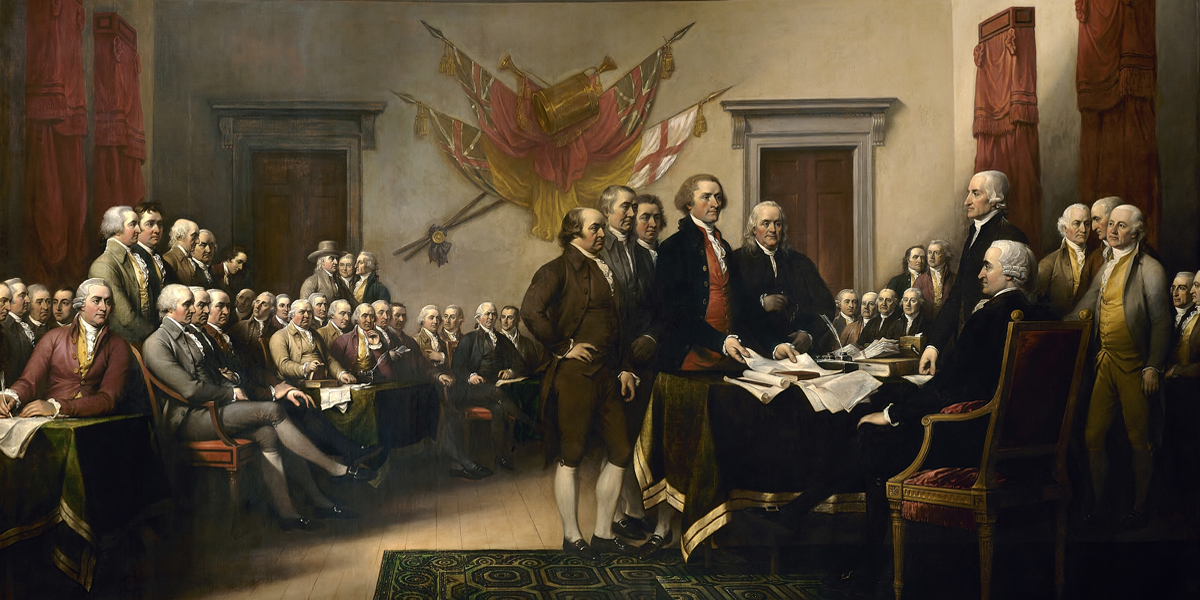
Besides Ona, who left the President’s House in May 1796 to gain her freedom and made her way to Portsmouth, New Hampshire. She did correspond with George and promised to return to the Washingtons’ under the condition that she would be freed upon their deaths. Belonging to Martha Washington, though, George did not have the legal right to agree to that promise. Judge created a life in New Hampshire, marrying and having three children before she passed away on February 25, 1848.
After Washington’s two-terms as president expired, John Adams, the second president of the United States, moved into the residence. On November 1, 1800, near the end of his four years, Adams relocated to the yet-unfinished White House in the new capital of the United States at Washington, D.C.
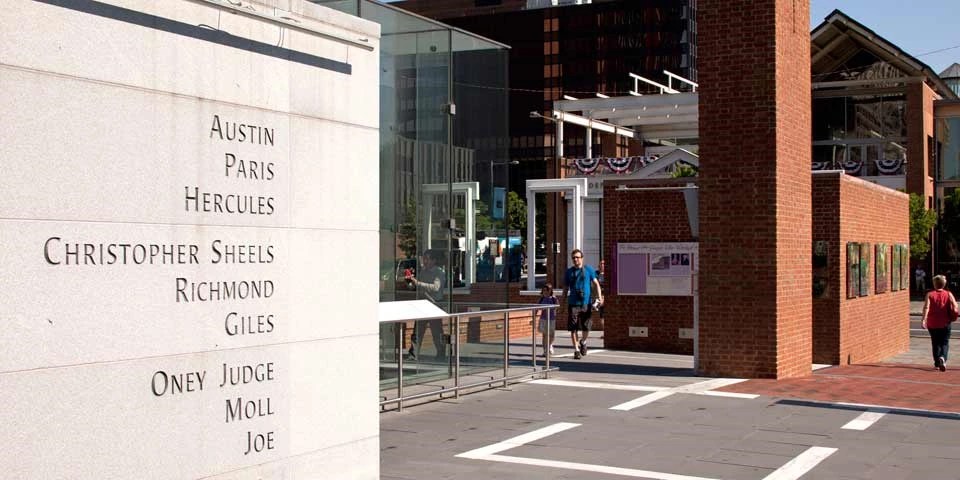
A century and a half later, the house’s remaining walls were accidentally demolished. Through the advocacy of historians and African American remembrance groups, the site was commemorated, with some of the foundation displayed under plexiglass covering. Information panels discussed those enslaved who served the house. A ghost structure showed the outline of the original structure, and the entire area was administered by the National Park Service.
The site became the center of attention again in January 2026 with the removal of those panels discussing the African American and enslaved experiences in the house that served presidents and hosted dignitaries. Their stories, though, remain as part of the fabric of the complete history of the United States. Very much including the role slavery and the enslaved played in the early American republic.
President’s House, with list of the enslaved to the left (courtesy of the NPS)
As this blog post publishes, the plight of the panels, the history of African-Americans in general, and the enslaved at the President’s House remain a topic of conversation and controversy. Continue to check the National Park Service website (click here) or other history-focused webpages for updates. Emerging Revolutionary War encourages dialogue and discussion on this topic.
Emerging Revolutionary War welcomes guest historian Dr Lawrence Howard
Many people have not been taught that slavery was practiced in early America’s northern colonies, later states. Though fewer people were enslaved in the north than in the south, where the plantation economy was highly reliant on enslaved labor, people were also held in bondage in the north. Also not often taught is the contribution such enslaved persons made to the success of America’s Founding, though recent scholarship seeks to amend this. This article explores the 1779 Petition to the New Hampshire Government, written by Prince Whipple – born in Africa in 1750 and purchased by William Whipple of Portsmouth, New Hampshire at a young age. In this petition, twenty black men requested emancipation from slavery. The African American petitioners echoed some of the same political ideas that the delegates to the Second Continental Congress had staked their own lives on just three years earlier in the Declaration of Independence, announcing American political independence from Britain.
Emerging Revolutionary War welcomes back guest historian Avellina Balestri
As I have increased research and work on my American Revolution trilogy All Ye That Pass By, I have noticed a trend towards making this particular season between the anniversary of Nathan Hale’s hanging (September 22, 1776) and John Andre’s hanging (October 2, 1780) into a strange sort of macabre festival I have dubbed “Hangemtide.” I suppose one could consider it a sort of Halloween for historical enthusiasts, as the autumnal chill starts to creep into the air, greenery dies, and horror releases hit the market. But a strange pseudo-religious reality I have observed is a tendency to treat these hangings as secular passion plays of a kind, connected by a secular Advent calendar of daily memorials, with the overarching takeaway being a strange sense of catharsis for the salvation of a newborn nation.
As a Catholic, I very well know the thematic beats, and I can sense them in an unsettling way in these commemorations. We must have our scapegoat; a man, or two, must die so the nation might live in our origin myth. But though the narrative may comfortably place Hale as the first Christ-figure, it uncomfortably assures that Andre is the second. We as the audience, while intended to shed tears for the first, are meant to bay for the blood of the second. Perhaps we may pity him in passing moments, but never so much that we truly desire him to be spared. His death is a foregone conclusion of the ritual which must be affirmed. We are recalling the traditional readings on Passion Sunday, and hardly realize it. We have, perhaps, lost the much greater plot of Christianity, that in the death of each, the other perishes, and in every death, we partake, in the killing and the dying, and in every human catastrophe, there is planted the original Passion Tree, no less in the past than in the present. History is not safe from our iniquity, nor from grace breaking in upon it, oftentimes painfully.
Touching back upon the historical events being remembered according to our national needs, I have often gently chided friends involved in “Hangentide” that I am ever on call to be the defense lawyer Major Andre never got should they wish to shuttle me into the past on circuit. I do not intend to make that defense the core of my current thesis, but put simply, I believe that if he had received a proper legal defense, Andre may well have had his sentence reduced based on extenuating circumstances. But that was not to be, because it could not be, not in the narrative as it is presented to us over and over again. This was a necessary death; a payment to Justice itself. It is language used to mask what was essentially a revenge hanging for both Hale’s execution at the hands of Crown forces and Arnold’s betrayal of the revolution for hard cold coin. The true foundation stone of “Hangemtide” is a satisfaction we are meant to share in nearly 250-year-old retribution. It is meant to, in some way, bring the country together through our most primal tribal instinct. But does it?
Emerging Revolutionary War welcomes back guest historian Michael Aubrecht
As someone who enjoys the occasional cocktail I am admittedly curious as to the rumored excessive-drinking habits of our Founding Fathers.
After conducting a casual examination, I think it would be fair to say that their wealth, power, and the period in which they lived in made alcohol a mainstay in their daily lives. Most of these gentlemen were the political playboys of their day and we already know that many of them had a penchant for wine, women and song. Today most people assume that the common table wine was the preferred beverage of colonial times and that most folks simply enjoyed it as a compliment to meals.
According to research conducted by Stanton Peele, the Founders had a much broader palette when it came to engaging in the Spirit of ‘76. Simply put, these boys liked to party:
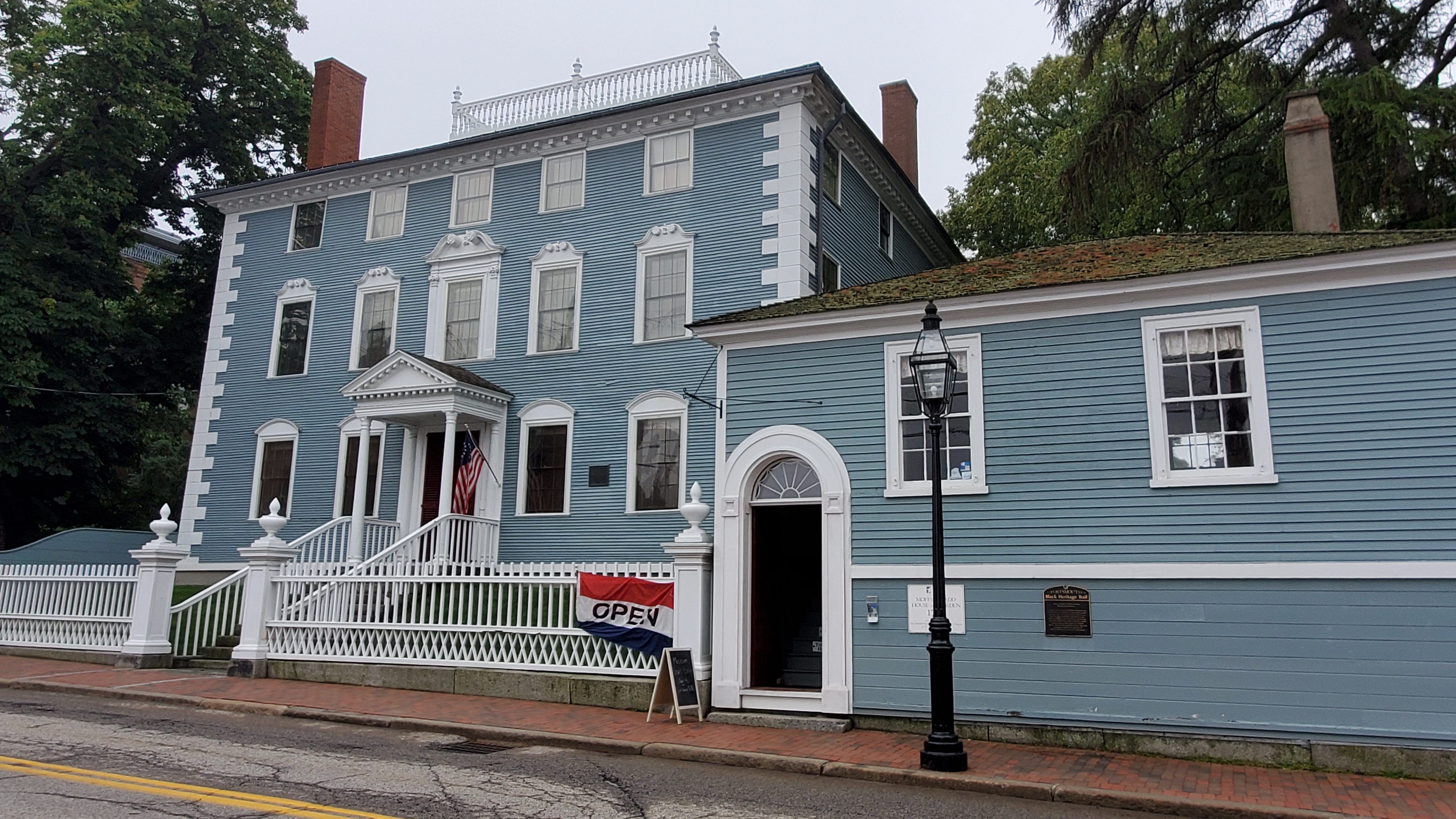
How do we know the Founding Fathers as a group drank a lot? Well, for one thing, we have records of their imbibing. In 1787, two days before they signed off on the Constitution, the 55 delegates to the Constitutional Convention partied at a tavern.
According to the bill preserved from the evening, they drank 54 bottles of Madeira, 60 bottles of claret, eight of whiskey, 22 of porter, eight of hard cider, 12 of beer and seven bowls of alcoholic punch. That’s more than two bottles of fruit of the vine, plus a few shots and a lot of punch and beer, for every delegate. Clearly, that’s humanly impossible.
Emerging Revolutionary War welcomes guest historian Avellina Balestri
My American Revolution historical fiction trilogy, “All Ye That Pass By,” is thematically centered upon the pros and cons of oath-taking. Although the topic has been very much on my mind during the researching and writing process, I think many people who engage with the American Revolution on a popular level forget about the profound moral quandary of making and breaking solemn declarations before God and Man.
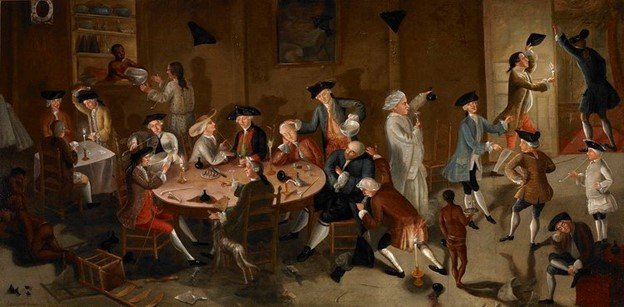
When the signers of the Declaration of Independence pledged their “lives, fortunes, and sacred honor” to the cause of rebellion, there could not help but be an element of contradiction, for they were committing an act of treason against the King to whom they had previously sworn fealty. Too often we reduce this decision to a test of courage, necessary to take the risks and face the consequences that accompany defying one’s sovereign. We get a certain thrill from the idea of defiance because it fits a certain popularized narrative framework. But perhaps this is partly because we have forgotten the rubrics of more religious ages in which hierarchies represented divine realities that dignified mankind.
Swearing oaths to kings and queens was a grave matter in both a spiritual and interpersonal sense. Most oath-taking rituals involved placing one’s hand (and often lips) upon the Cross on the Holy Bible, the symbol of salvation, and in the old rendering of such vows, wishing that one’s heart be cut out if proven false to the liege lord or lady, who would henceforth be held higher than family ties or even one’s own life. Calling down the heart-cutting curse was both a literal reference to execution and a symbolic statement of self-destruction, for what was a man’s heart if his word was worthless to the one you had sworn to defend by your life or death?
By contrast, unwavering zeal for one’s royal master may lead to one’s early demise, but that is not merely tolerable, but glorious, indeed, the most glorious hour of one’s life (as Major John Andre declared before minutes before his own life was taken), because it proved the depths of one’s ability to be a good and faithful servant, and what is a man without a lord to serve? What liberty can a knight enjoy if he will not swear his sword and be chained? These perennial questions hearken back to the Anglo-Saxon epic of the Men of Maldon, who preferred death to abandoning their lord, even as he lay slain by Norsemen upon the field. It is no small irony that one of Maldon’s other famous sons was General Horatio Gates, whose trajectory runs in quite a different direction.
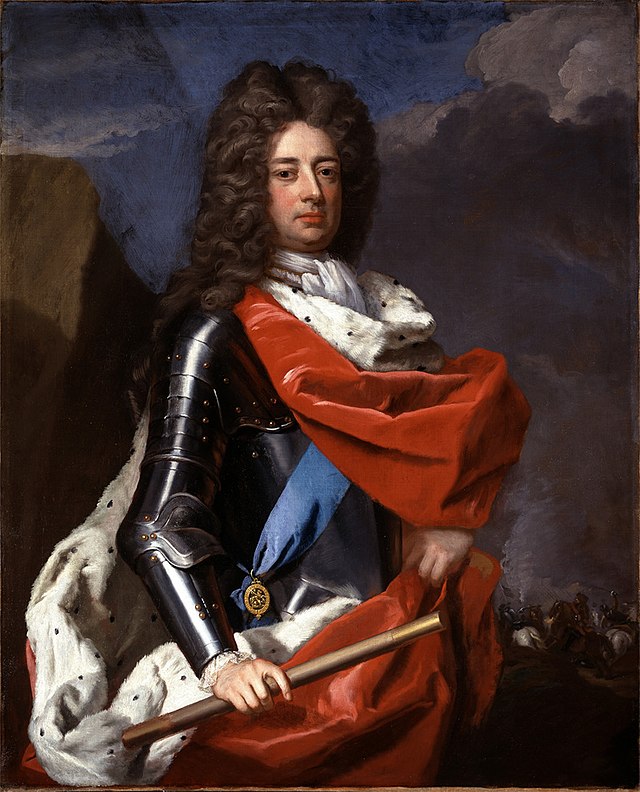
Duke of Marlborough
On that note, it is worth turning to the various figures in the long history of the British Isles and her overflowing empire who chose to break their oaths to reigning sovereigns by way of rebellion, from Lord Brooke (who fought in The English Civil War against Charles I), to the Duke of Marlborough (who took part in The Glorious Revolution against James II), to Lord Murray (who fought in The Second Jacobite Rebellion against George II). To justify themselves under God and before Man, they usually appealed exception clauses based on a higher religious obligation or a superior royal claim. For Brooke and Marlborough, it was because the kings were leaning too Catholic for their Protestant convictions; for Murray, it was because the Stuarts were the rightful rulers, unlawfully sent into exile.
Even in these cases, however, there is a sense that the participants never fully managed to escape the shadow over their broken oaths. Yes, they might appeal to those “rare cases” brought forward by philosophers and theologians from Thomas Aquinas to Samuel Rutherford, but they had still committed what Dante deemed the most mortal of sins in the depths of his inferno. Bearing that weight is exhausting for any mortal man, doomed to make constant self-defenses while knowing the world will never truly trust them again. It is, in effect, to be branded by the mark of Caine, for one who breaks his oaths has murdered the worth of his own word, a nearer thing than even his own brother.
Jumping forward in time, the American Revolution is a unique case in that it was not fundamentally grounded in either a doctrinal nor a dynastic dispute. One would have to squint incredibly hard to make the arguments of either Aquinas or Rutherford translate neatly into a stamp of approval for the American Revolution. This is not to say the revolutionaries did not borrow from the rhetoric of past uprisings, especially regarding the curbing of royal prerogative (albeit colonial complaints were more directed at Parliament than at the King, even though the King upheld his Parliament). But humanistic philosophies that flourished during the Enlightenment introduced rubrics for revolution based on the will of the people. This, in turn, started the domino effect that established the modern consensus of Democracy being inherently positive, even though General Thomas Gage’s warning about the effects of “democratic despotism” is perhaps more relevant than we wish to admit.
Coming back to my own literary exploration, I strive to cast a particular light upon the experiences of Catholic recusants in the British Isles and North America from the 16th-18th centuries, who found themselves between a rock and a hard place in terms of oath-taking. This was especially the case for English Catholics of prominent lineage, who were forced to pay taxes and tithes for refusing to conform to the Anglican Church, leaving their resources drained and their status diminished. By the latter part of the 18th century, following multiple failed Jacobite risings in favor of Catholic claimants, most were eager to dispel accusations of cowardice at best and treason at worst for the old faith they keep against the odds. Even the pope acknowledged the House of Hanover by 1766. But in order to participate fully in British society, it was mandatory to take the Test Act, an oath acknowledging the King as Governor of the Church in England, a claim inherently repugnant to Catholic consciences.
Some resisted this temptation; others yielded to it. One of the most famous cases of apostasy in the period pertains to General Gage’s father and his father’s cousin, both coming from a staunchly Catholic lineage, who took the Test Act ostensibly to save their racing horses from being confiscated. That was the tip of the iceberg, of course; Catholics were not only forbidden from owning horses, but also bearing arms, voting, holding most offices, attending universities, serving in the military, and much more.
The decision to conform to the religion of the state often haunted those who made it. Oaths were understood religiously by society as whole, but for noble families there was a particular weight involved, since the Test Act was a successor of ancient chivalric vows taken by their ancestors. By taking it, Catholics would have sworn their souls to something which they believed put them in a state of mortal sin. Yet…would not breaking that oath be a mortal sin too?
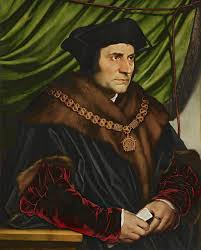
St. Thomas More
In this quandary, whatever they did would be a slap in the face to saints and martyrs most highly praised in their tradition, such as Thomas More and Edmund Campion, who preferred to die rather than sign the Oath of Supremacy. Nevertheless, they met their fates praying for the King and Queen who killed them, embodying fidelity under fire. Another case honored by the oppressed Catholic community was Lord Derwentwater, who rose up in the first Jacobite Rebellion of 1715, and preferred beheading to either recanting his faith or swearing an oath to the House of Hanover which he deemed to be illegitimate. Interestingly, it was said Derwentwater’s heart remained incorrupt, in counteraction to the curse of having it cut out.
Again, we see the crushing effects of previous failed rebellions, and cannot help but compare them to the effects of the American Revolution. The rebellion, predicted to be a flash in the pan by the British establishment, proves more successful than most imagined, shattering old structures in a manner which some will find terrifying and others liberating. In this new world, many hope to enjoy a chance to start over with a clean slate. But for those who have taken the Test Act, going down such a path would require trekking into uncharted territory, calling into question every aspect of loyalty and identity, on earth as it is in heaven. Embracing the revolutionary cause would inherently be a process of unbecoming, shedding one’s understanding of past obligations and hoping the gamble would pay in the end.
For Catholic recusants, the experiences of Charles Carroll of Carrollton served as an example of what might be possible in America. His claim was that King George is a traitor to them rather than them being a traitor to him, and that having been placed under religious suppression, his fellow Catholics had the right to seek alternative options for their own betterment as a community of faith. The outcome of the revolution might have been a risk, but he had proven that it was already disrupting the old order and causing the disabilities placed upon Catholics to crumble. Prejudice might remain, but Carroll has already overcome various civil obstacles against his faith in Maryland, the one-time Catholic colony laid low, and George Washington, commander-in-chief of the Continental Army, who once took the Test Act himself, had demonstrated his willingness to uphold religious toleration in his army.
And yet…the question of an oath’s weight still bore down on those confronted with such a choice, raised with the conviction that even an oath with questionable aspects was considered worthy of adhering to “as far as the law of God allows.” The way in which each man and woman wrestled with their conscience when it came to such heavy matters was as complex and fascinating as the war itself, and my experience of bringing that inner conflict to life as a writer has been one of the most rewarding aspects of the creative process.
Avellina Balestri is a Catholic author and editor based in the historic borderlands of Maryland and Pennsylvania. She represented the state of Maryland at The Sons of the American Revolution National Orations Contest and is the author of the American Revolution historical fiction trilogy “All Ye That Pass By,” the first installment of which, “Gone for a Soldier,” is available on Amazon. Avellina is also the Editor-in-Chief of Fellowship & Fairydust, a magazine inspiring faith & creativity and exploring the arts through a spiritual lens.
For more information about the author and her various projects, please visit the following websites:
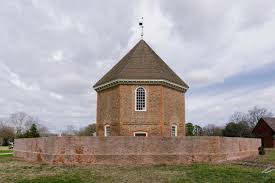
Powder Magazine, Colonial Williamsburg, VA in 2025
Today marks the 250th anniversary of the Virginia Powder Alarm in Williamsburg, VA. To commemorate the anniversary, join us this Sunday, April 27th at 7pm on our Facebook page as we welcome ERW historians Rob Orrison, Mark Maloy with Maureen Wiese and J. Michael Moore to discuss the events leading up to the April 21, 1775 Powder Incident in Williamsburg, VA. A few days after Lexington and Concord (unknown to the Virginians at the time), Governor Lord Dunmore removed powder from the magazine in Williamsburg. This event led Patrick Henry to lead militia towards Williamsburg and possible standoff with the Governor. As news arrived on April 28 of the bloodshed outside of Boston, tensions rose even higher.
Join us as we discuss another 250th anniversary event that led to the beginning of the American Revolution. This podcast will be recorded and posted on our Facebook page on April 27th at 7pm. Then it will be posted to your You Tube and Spotify pages.
As we approach the 250th anniversary of Lexington and Concord, on April 14, 2025 another 250th anniversary is taking place but one that is much overlooked. When we think about the fight to end slavery in the United States, names like Frederick Douglass, Harriet Tubman, and William Lloyd Garrison often come to mind. But America’s organized abolitionist movement actually began decades earlier—with a quiet but powerful group of reformers in Philadelphia.
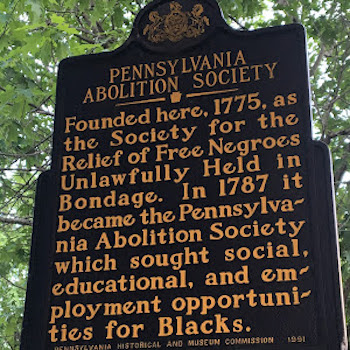
Historic marker located near the intersection of Front and Ionic Streets in the “old city” section of Philadelphia. Close to the original location of Tun Tavern.
In 1775 the American colonies were on the verge of war with Great Britain, calling for freedom and independence. But even as they demanded liberty, many Americans—including some of the nation’s founders—continued to own slaves. Amid this contradiction, a small group of Philadelphia Quakers stepped up to challenge the injustice of slavery. On April 14, 1775 in Philadelphia, they formed what would become the first formal abolitionist organization in America, the Society for the Relief of Free Negroes Unlawfully Held in Bondage.
The name was long, but its mission was clear. This group was determined to help free Black people who were illegally enslaved or kidnapped into bondage. Their founding was quiet, overshadowed by the Revolutionary War, but it planted the seeds of a movement that would eventually reshape the nation.
At the heart of the Society were the Quakers (17 of the original 24 members were Quakers) formally known as the Religious Society of Friends. Quakers believed deeply in the equality of all people and had long spoken out against slavery. Many had already freed the people they once enslaved, and by the mid-1700s, anti-slavery had become central to their faith.
So in April 1775, a group of these Quakers, joined by a few like-minded allies, came together to create the Society. Their initial goal was modest but critical: to protect the rights of free Black people and prevent them from being illegally sold into slavery. This was not uncommon at the time, especially in cities like Philadelphia where Black communities—both free and slave—lived side by side. However, the outbreak of war later that year put much of the Society’s early work on hold. But their mission didn’t die.
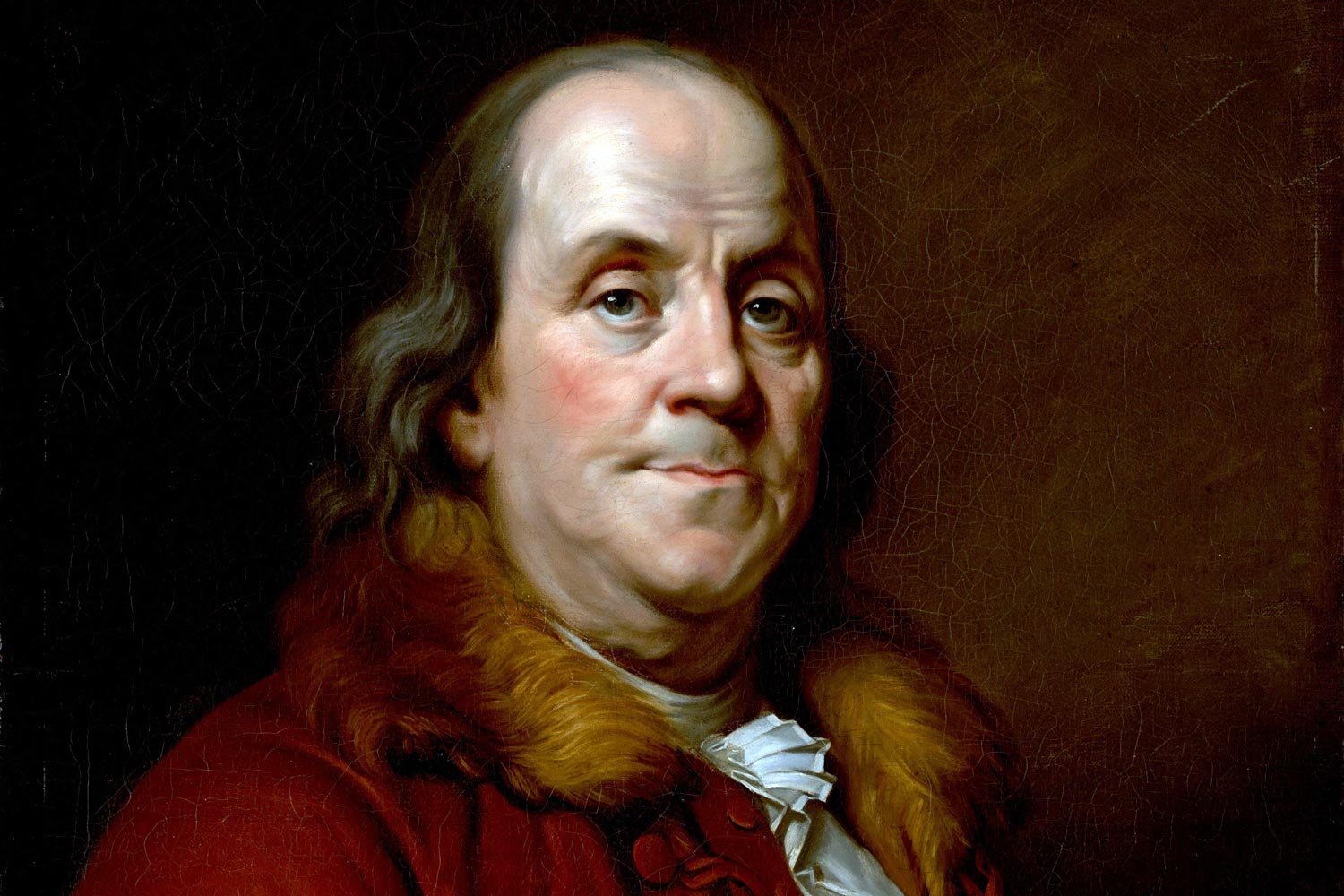
After the war, in 1784, the Society was revived with renewed energy and purpose. It was renamed the Pennsylvania Society for Promoting the Abolition of Slavery and the Relief of Free Negroes Unlawfully Held in Bondage—still a mouthful, but a more expansive vision. Benjamin Franklin, one of America’s most celebrated founding fathers, became the Society’s president in 1787. Franklin had once owned slaves himself, but his views evolved over time. By the end of his life, he was a vocal critic of slavery and used his influence to support the Society’s goals.
This time, they weren’t just focused on defending free Black people—they were actively working to end slavery altogether. Their efforts were both legal and educational. The Society hired lawyers to defend kidnapped individuals, lobbied lawmakers, and even began promoting schools for Black children.
The Society’s work helped inspire real change. Pennsylvania became the first state to pass a gradual abolition law in 1780, a huge step forward. While the Society didn’t write the law, many of its members pushed hard for its passage and later worked to ensure it was enforced.
Still, the road was far from easy. The Society operated in a world where slavery was deeply entrenched—not just economically, but socially and politically. In the South, slavery was expanding. Even in the North, racism was widespread, and support for abolition was often lukewarm.
Despite these challenges, the Society’s model paved the way for the much larger abolitionist movements of the 19th century. It showed that legal advocacy, public education, and grassroots organizing could make a difference. It also helped define Philadelphia as a hub of anti-slavery activism that would later become home to figures like Frederick Douglass and Sojourner Truth.
Emerging Revolutionary War welcomes back guest historian Eric Olsen. Eric is a historian with the National Park Service at Morristown National Historical Park. Click here to learn more about this site.
Visitors always want to know, “How much did “that” cost back then?” We used to tell them because of inflation and the conversion from pounds to dollars it was really hard to give a definitive answer. It is even harder to figure during the American Revolution when the value of the dollars changed dramatically just over the course of a few months. There are all sorts of fancy conversion sites on the internet today but since math was not my strong point, I don’t know how accurate they are.
One book tried another approach to explain 18th century vs. modern prices. “A person today, purchasing the same product made the same way out of materials made the same way, will pay roughly the same percentage of their wages for the product as a person of equal economic status in the past would have. For comparison, at the present time [1997 book] an average shop rate runs thirty-five dollars an hour for labor. If you make ten dollars an hour, this costs you three and a half hours of work, and the same ratio applied to a craftsman making thirty pounds a year or two pence per hour.” Makes sense but seems a bit too complicated.
However, I did find one primary source that can give a clue to the relative value of items. It comes from Theophile Cazenove, a Dutchman who traveled through New Jersey and Pennsylvania in 1794 looking for investment opportunities for Dutch bankers. At his various stops in Morris County, Cazenove recorded the prices of farms, livestock, and even labor.
Sometimes the prices were in pounds, other times they were in dollars. When he included both prices for one item, I did some very simple math and found that it took eight shillings to make one dollar, and that $2.50 equaled one pound. According to the online conversion applications, one pound in 1790 equaled 167.58 pounds today. One dollar in 1790 equaled 32.20 dollars in today’s money.
But without doing any math or conversions if we look at the prices Cazenove listed we can see what items were more expense than other ones. From that we can also assume the more expensive items were more highly valued.
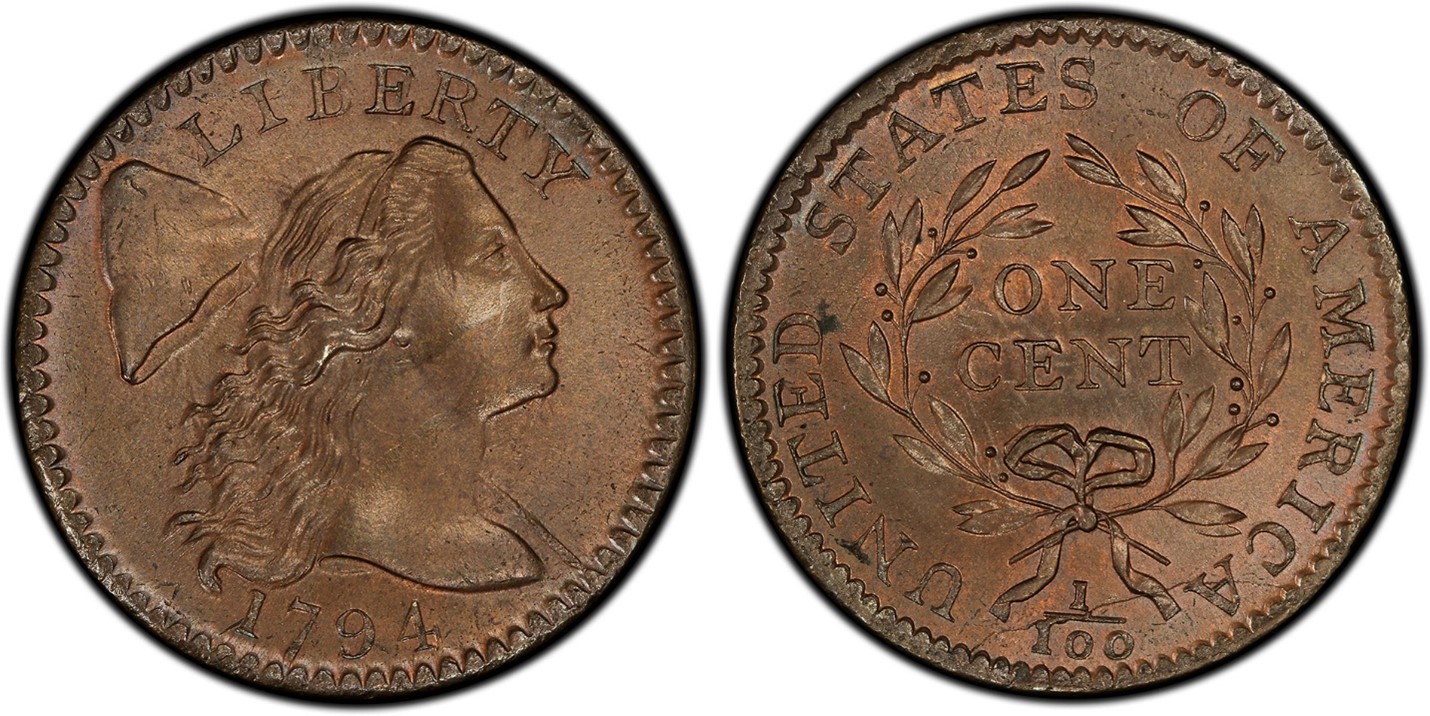
Keep in mind, on the local level in 18th century America, it was not a cash driven economy. Specie, Hard Money or coins, made of valuable metals such as silver and gold were in short supply in North America and used infrequently. Paper Money was rarely used, appearing briefly during periods of war when armies needed a large source of money to buy goods and services.
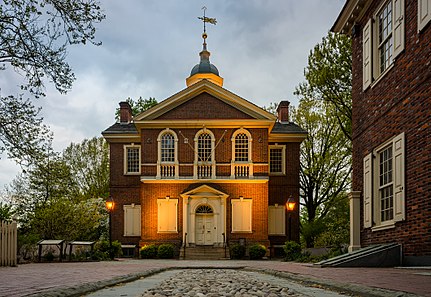
Join us this Sunday, July 7th at 7pm for our next Rev War Revelry as we continue to commemorate the 250th anniversary of the events that led to the American Revolution. We welcome Executive Director Michael Norris to discuss the historic Carpenters Hall in Philadelphia and the role it played in hosting the First Continental Congress. The First Continental Congress convened in Carpenters’ Hall in Philadelphia, Pennsylvania, between September 5 and October 26, 1774. Delegates from twelve of Britain’s thirteen American colonies attended. The Congress was a direct result of the Parliament’s reaction to the Boston Tea Party (December 1773). This gathering of colonial leaders intended to create a united front in their response to what they believed was Parliamentary over reach in the “Coercive Acts.”
Grab a drink and join us on our You Tube Channel: https://www.youtube.com/@emergingrevolutionarywar8217 Feel free to interact with the discussion by adding questions in the video chat. Once the video is over we will repost the video to our Facebook page and our Spotify account. We hope to see you then!


 Emerging Revolutionary War Era