

Emerging Revolutionary War welcomes guest historian Marc Lee.
At first glance, it is an unremarkable accounting ledger filled with columns of figures and financial calculations. Yet hidden among its entries is the story of a Revolutionary War soldier whose compensation claim continued to circulate through Connecticut’s bureaucracy years after the fighting had ended. The surviving manuscript, together with wartime muster rolls and treasury records, allows us to follow Edmund Fowler’s claim from military service to a replacement for a lost note, revealing how the Revolution’s paperwork could outlive the war itself.[i]
The document at the center of this story is an Invoice of Officers’ and Soldiers’ Notes, Payable June 1783, a manuscript created as Connecticut settled the financial obligations left by the Revolutionary War. Rather than recording the service of a single soldier, the ledger summarizes military notes issued to officers and enlisted men, listing an aggregate amount exceeding £10,700 and bearing a notation that the account was “charged July 9, 1784.” At first glance, it appears to be little more than a routine accounting record.[ii]
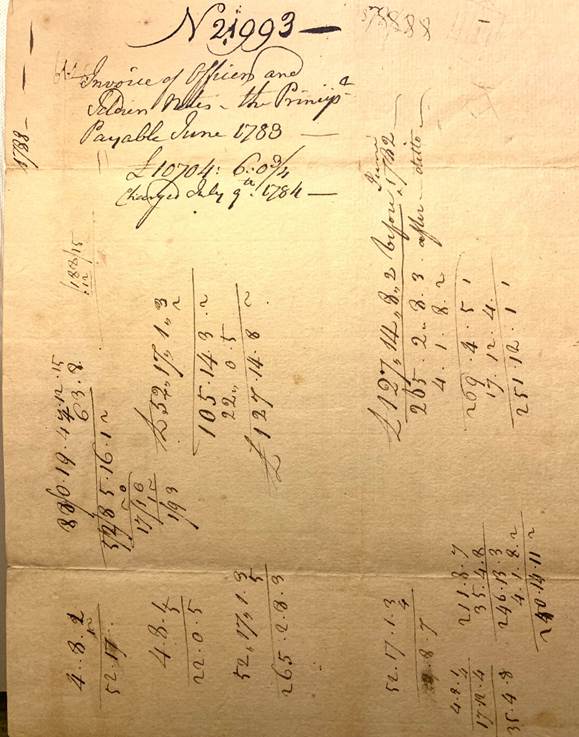
A closer examination tells a different story. The manuscript remained in active use long after it was first prepared. While the principal heading and endorsements were written in one hand, later calculations were added in a different ink and by a different hand, indicating that officials returned to the account years after the notes first became payable.[iii]
Those physical clues reveal an important reality about the Revolution’s aftermath. Paying veterans was not accomplished through a single transaction. Military service had to be verified, financial obligations reconciled, and documentary evidence maintained as claims moved through the state’s accounting system. What appears to be an ordinary ledger therefore preserves part of the administrative machinery that transformed wartime service into recognized financial compensation.
Among the many entries associated with Connecticut’s officers’ and soldiers’ notes is one that allows this broader process to be examined on a human scale. Through a series of surviving military and treasury records, the documentary trail of Revolutionary War veteran Edmund Fowler can be followed from his wartime muster rolls to the postwar administration of his compensation claim, offering a rare glimpse into how one soldier’s service continued to generate paperwork long after the fighting had ended.[iv]
The ledger identifies many officers and enlisted soldiers, but one name stands out because his surviving records extend well beyond this single document. Edmund Fowler appears in a series of Connecticut military records that preserve different stages of his wartime service, allowing his postwar compensation to be traced across several distinct record groups.[v]
Continue reading “From Muster Roll to Lost Note: The Paper Trail of Edmund Fowler’s Revolutionary War Compensation”
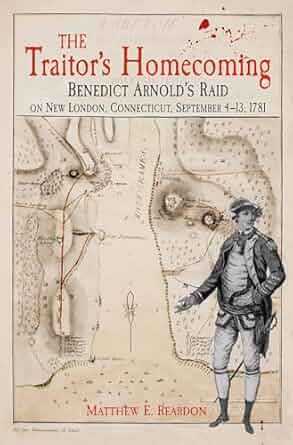
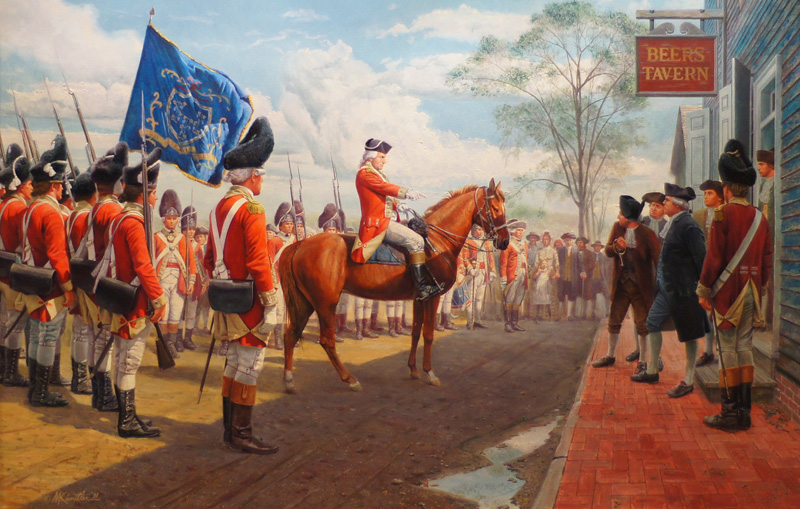
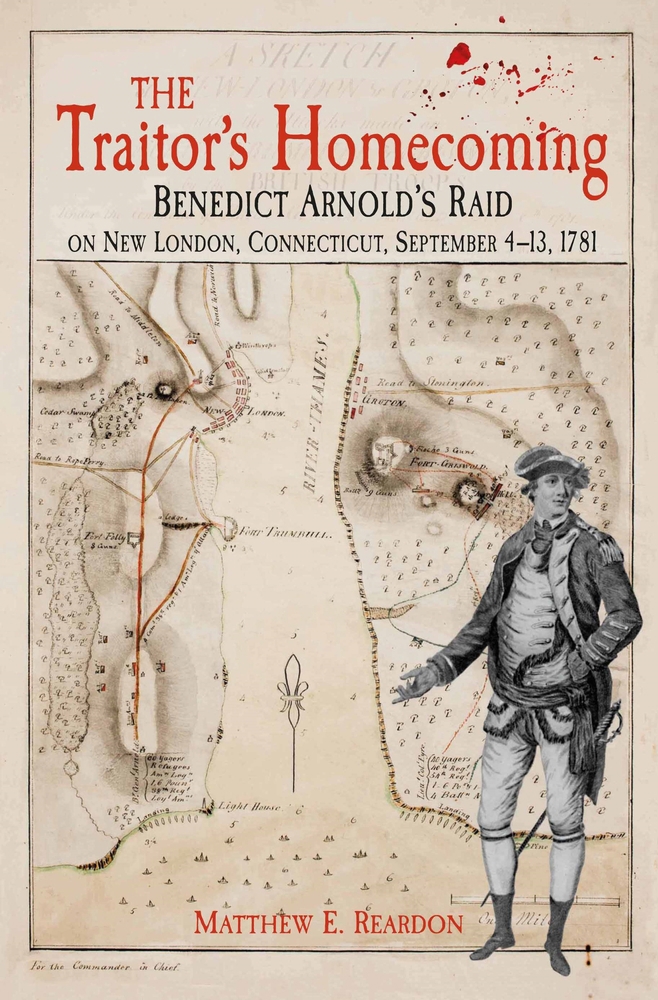


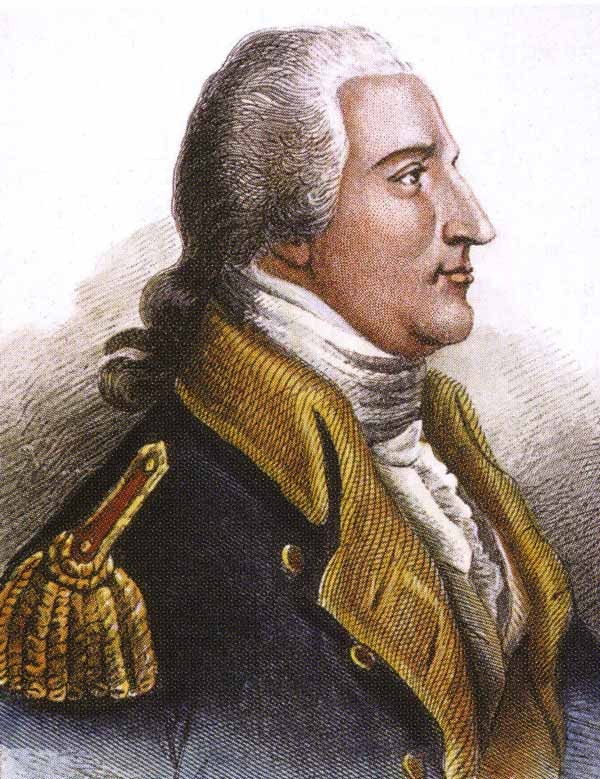
 Instead, Clinton decided to launch a raid into Connecticut in the hope of forcing Washington to respond. Clinton intended that this be a raid, but he also recognized that New London could be used as a permanent base of operations into the interior of New England. Clinton appointed Arnold to command the raid because he was from Connecticut and knew the terrain.
