

Our monthly recap of what our good friend and fellow historian Tom Hand has written on his blog, AmericanaCorner.

The Midnight Ride of Paul Revere
October 26th
The story of Paul Revere and his Midnight Ride is one of the many fascinating subjects of the grand American past. Taking place in conjunction with the Battles of Lexington and Concord, on April 19, 1775, the tale has passed down from generation to generation. Read more here.
Forefathers Gather at Historic First Continental Congress
October 19th
The First Continental Congress was a key link in the chain of events that led to our nation’s gaining its independence from England. The brief convention brought together most of the influential leaders from colonial America to determine an answer to Parliament’s recently enacted Coercive Acts. Read more here.
The Boston Tea Party Takes Colonists Past the Point of No Return
October 12th
The Boston Tea Party is one of the most iconic moments in American history. In some ways, it sealed our fate to separate from England and become our own nation. The road that led to this watershed event began several years earlier with the Townshend Acts. Read more here.
Aftermath of the Boston Massacre
October 5th
The violence on the evening of March 5, 1770, in Boston is known to us today as the Boston Massacre. It was an unfortunate incident that left five people dead and growing anger between American colonists and leaders in England. Read more here.


 All these words, plus many more, are titles that depict the life of Dr. Joseph Warren. However, the last term is most synonymous with the Massachusetts doctor who fell in the Battle of Bunker Hill on June 17, 1775 in the early stages of the American Revolutionary War. That last word, forgotten, is exactly what author and historian Christian Di Spigna is hoping to expunge with his new biography, Founding Martyr.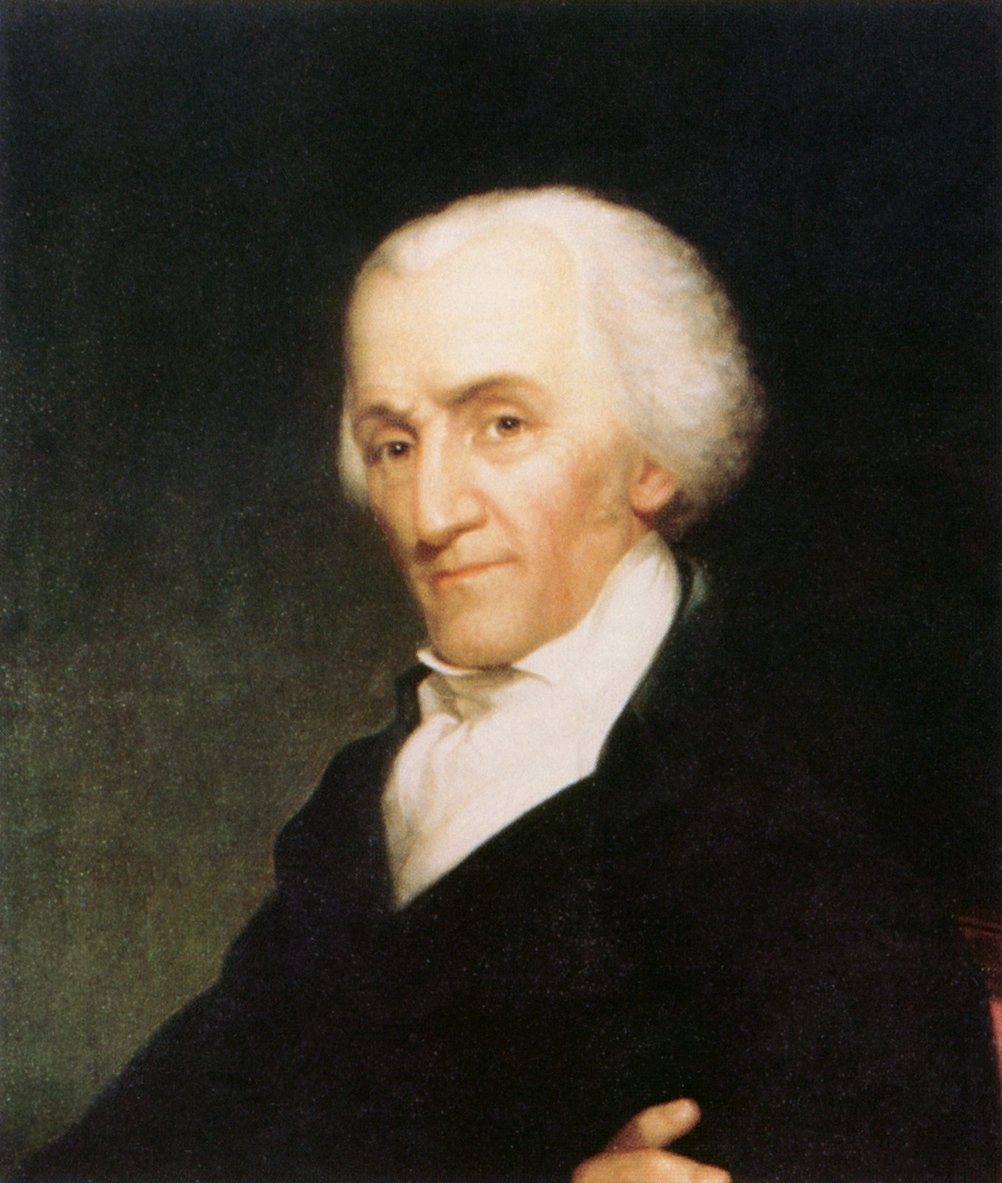
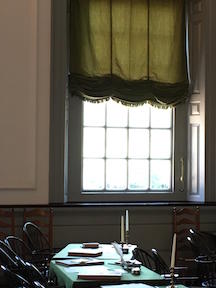 As I stood in Independence Hall, in the room where the Founders debated the Declaration of Independence, I suddenly started thinking of the opening scene from the musical 1776, when John Adams cries for independence while everyone else complains about either the heat or the flies. “Won’t somebody open up a window?” one of the delegates pleads. “Too many flies!” others respond, shouting him down. Adams is advocating the most lofty of ideas but everyone else is mired in their own personal discomfort. What a great metaphor.

 Emerging Revolutionary War Era