“…to the Liberty Peace and Safety of America: Cut the Gordian knot…”

On this date in 1776, Major Joseph Ward, serving as a staff officer for Major General Artemas Ward, second in command of the Continental Army that had just evicted the British from Boston, sat down at his desk to pen the following letter. The recipient was John Adams, a fellow Massachusettsan then serving in the Second Continental Congress in Philadelphia, Pennsylvania. Ward continued his correspondence of keeping Adams apprised of military affairs around Boston. In this letter, however, he makes the case for the colonies to “cut the Gordian knot” and declare independence, months before Richard Henry Lee’s proposal to call for independence in late June 1776.

Boston 23 March 1776

Sir,

The 17th Instant the Pirates all abandoned their Works in Boston and Charlestown and went on board their Ships, and on the 20th they burnt and destroyed the works on Castle Island. They now lye in Nantasket Road waiting for a fair wind; we keep a vigilant eye over them lest they should make an attack on some unexpected quarter. The particulars with regard to the Seige, the Stores taken, &c. you will receive from better authority, therefore it is unnecessary for me to mention them. Our Troops behaved well, and I think the flight of the British Fleet and Army before the American Arms, must have a happy and very important effect upon the great Cause we engaged in, and greatly facilitate our future operations. I wish it may stimulate the Congress to form an American Government immediately. If, after all our exertions and successes, while Providence offers us Freedom and Independence, we should receive the gloven cloven foot of George to rule here again what will posterity, what will the wise and virtuous through the World say of us? Will they not say, (and jusly) that we were fools who had an inestimable prize put into our hands but had no heart to improve it! Heaven seems now to offer us the glorious privilege, the bright preeminence above all other people, of being the Guardians of the Rights of Mankind and the Patrons of the World. It is the fault of the United Colonies (a rare fault among men) they do not sufficiently know and feel their own strength and importance. Independence would have a great effect upon the Army, some now begin to fear that after all their fatigue and hazards in the Cause of Freedom, a compromise will take place whereby Britain may still exercise a power injurious to the Liberty Peace and Safety of America: Cut the Gordian knot, and the timid and wavering will have new feelings, trimming will be at an end, and the determined faithful friends of their Country will kindle with new ardour, and the United Colonies increase in strength and glory every hour.

Yesterday I saw your Brother, who informed that Mrs. Adams and your Children were well.

General Ward, on account of his declining health, has wrote his Resignation to the President of the Congress. I expect the greatest part of the Army will march for New York, or the Southern Colonies as soon as the Fleet is gone to Sea; and the Troops that remain here will be employed in fortifying the most advantageous Posts to defend the Town and harbour. I do not much expect the Enemy will make any attempts to regain possession of Boston, for I think they are sufficiently convinced that they cannot penetrate the Country in this part of America; ’tis probable they will try their fortune to the Southward and if they fail there the game will be up with them. We hear many accounts about Commissioners coming from Britain to treat with the Colonies separately, or with the Congress. Many fear we shall be duped by them, but I trust the congress is too wise to be awed by the splendor or deceived by the cunning of British Courtiers.

I know not of one discouraging circumstance attending either our civil or military affairs in this part of the Continent. I have lately heard with pleasure that the Farmer is become an advocate for Independence.Wishing the Congress that Wisdom which is from above, I am Sir with much Respect Your most Humble Servant,Joseph Ward

________________________________________________________________________________________________________

To learn more background about the letter, click here. Courtesy of the Massachusetts Historical Society.
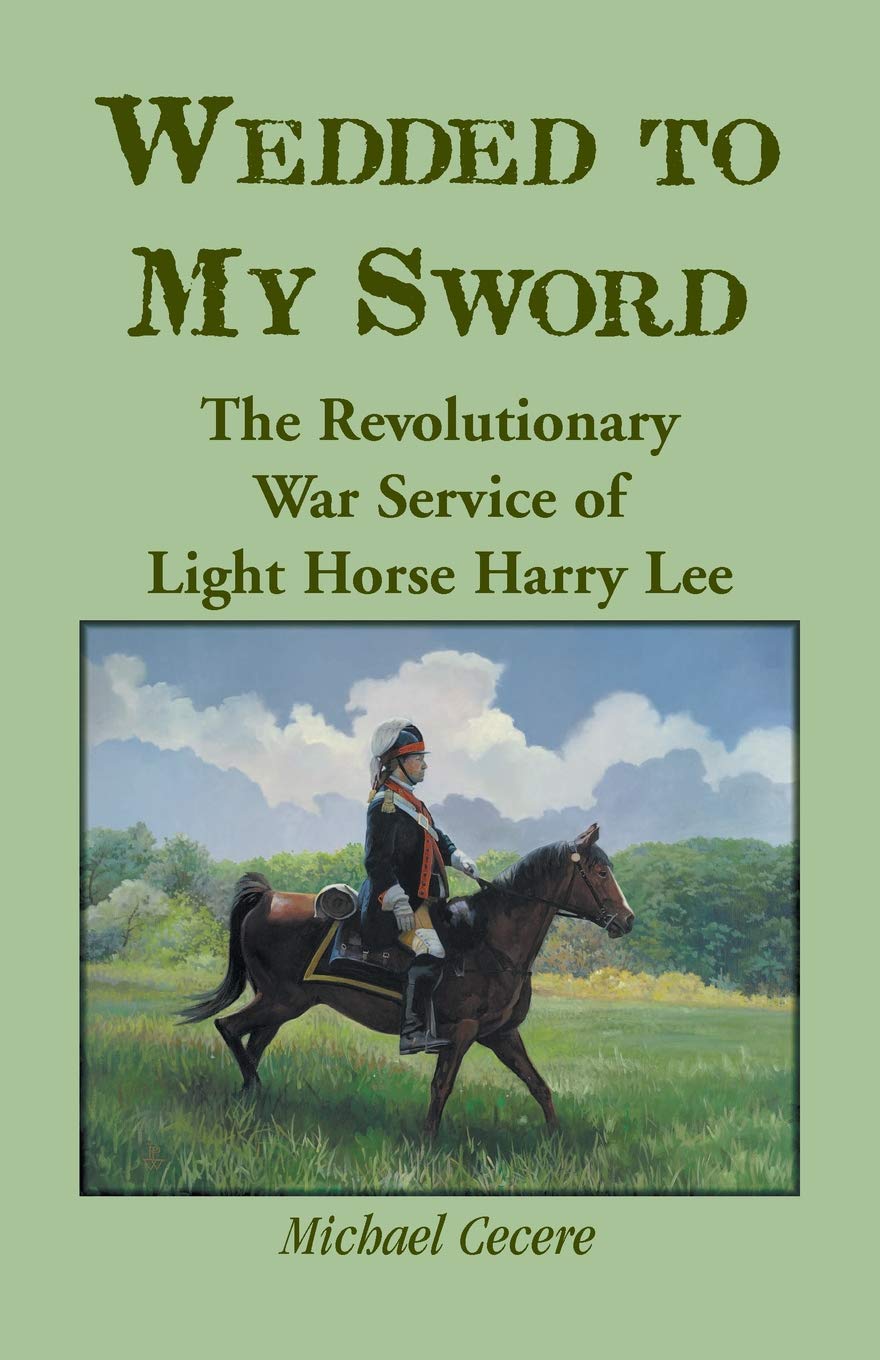
“Rev War Revelry” Light Horse Harry Lee Discussion

On January 29, 1756, Henry Lee III is born at Leesylvania Plantation in Prince William County, Virginia. Part of the prestigious Lee family of Virginia, his father was a cousin of Richard Henry and Francis Lightfoot Lee, two brothers who signed the Declaration of Independence.

Henry Lee would blossom into one of the better cavalry commanders in the American Revolution, earning the nickname, “Light Horse Harry” Lee because of his accomplishments. With January being his birth month, Emerging Revolutionary War welcomes historian and author Mike Cecere, who will discuss his book, “Wedded to my Sword, The Revolutionary War Service of Light Horse Harry Lee.”

Cecere, former high school and community college history teacher is the author of thirteen books on the American Revolution, most focused on aspects of the colony of Virginia and/or her native sons.

This Sunday we hope you spend some time joining us on the next installment of “Rev War Revelry’ as we discuss the Lee that was born in January and became a military hero of the American Revolution. This historian happy hour will be live on our Facebook page at 7 pm EST.

(Yes, we do know there is another Lee that is born in January and plays a prominent role in history).

On this date in….1776

A few random musings on the importance of this date in American Revolutionary history…

IMG_3597
President’s chair, Independence Hall, Independence National Historical Park (author collection)

This day was the date that the assembled Second Continental Congress voted on the draft of a document that was Richard Henry Lee, a delegate from Virginia had put forth in a measure, in June, to be voted on declaring;

“That these United Colonies are, and of right out to be, free and independent States, that they are absolved from all allegiance to the British Crown, and that all political connection between them and the State of Great Britain is, and ought to be, totally dissolved.”

220px-Thomas_McKean_by_Charles_Willson_Peale
Thomas McKean by Charles Wilson Peale

On July 4, two days after this resolution passed, the final and formal version was approved by Congress. John Hancock, president of the Continental Congress affixed his signature boldly and largely at the bottom of the document. Eventually 55 other men would place their signature on the Declaration of Independence, with Thomas McKean, generally accepted, as the last to sign the document, possibly as late as January 1777.

Copies were made and four days later, on July 8, the first public reading occurred in Philadelphia. George Washington had the document read to the Continental Army in New York on the following day, July 9.

A18236.jpg
John Adams by Gilbert Stuart

For John Adams, future second president of the United States, the second day of July would and should be the day to remember American Independence, as he wrote;

“The most memorable Epocha, in the History of America. I am apt to believe that it will be celebrated, by succeeding Generations, as the great anniversary Festival…It ought to be solemnized with Pomp and Parade with shews, Games, Sports, Guns, Bells, Bonfires, and Illuminations from one End of this continent to the other from this Time forward forever more.”

And that is how many Americans choose to celebrate the anniversary of the Declaration of Independence, however, usually two days later on July 4th. Yet, it took another war; World War II, for July 4th to become a national paid holiday for workers of the Federal government when Congress approved it in 1941.

So, happy Independence Day!

*Feel free to add any interesting historical tidbits about the Second Continental Congress, the signers, or 1776 below!*


Review: First Founding Father: Richard Henry Lee and the Call for American Independence by Harlow Giles Unger

ERW Book Reviews (1)

A member of one of Virginia’s first families, Richard Henry Lee was a critical voice in America’s struggle against Great Britain. Born at the family home, Stratford Hall, in Westmoreland County, Lee was educated in England. In 1758, he entered Virginia’s House of Burgesses. Seven years later, Lee’s efforts on the road to independence began.

In response to the recent passage of the Stamp Act, Lee co-authored what became known as the Westmoreland Resolves. The document condemned fellow colonists who paid the related tax as well as the British Parliament. As tensions rose with Britain, Lee proposed a means for the individual colonies to communicate with one another. This idea birthed the Committees of Correspondence. In 1774, Lee was elected to the Continental Congress which met in Philadelphia. It was here in the early summer of 1776 that Lee suggested a bill for the colonies to break all allegiance with England and form a United States. The proposal was the basis of the Declaration of Independence. Continue reading “Review: First Founding Father: Richard Henry Lee and the Call for American Independence by Harlow Giles Unger”

“Happy Independence Day”

Whether you are about to enjoy a firework display, finishing up a family barbecue, or enjoying this holiday in some other form, the historians here at Emerging Revolutionary War wish all our readers and fellow historians a “Happy Independence Day.”

For those protecting our country on this day, around the world, a big “thank you” to go along with this July 4th, to you as well.

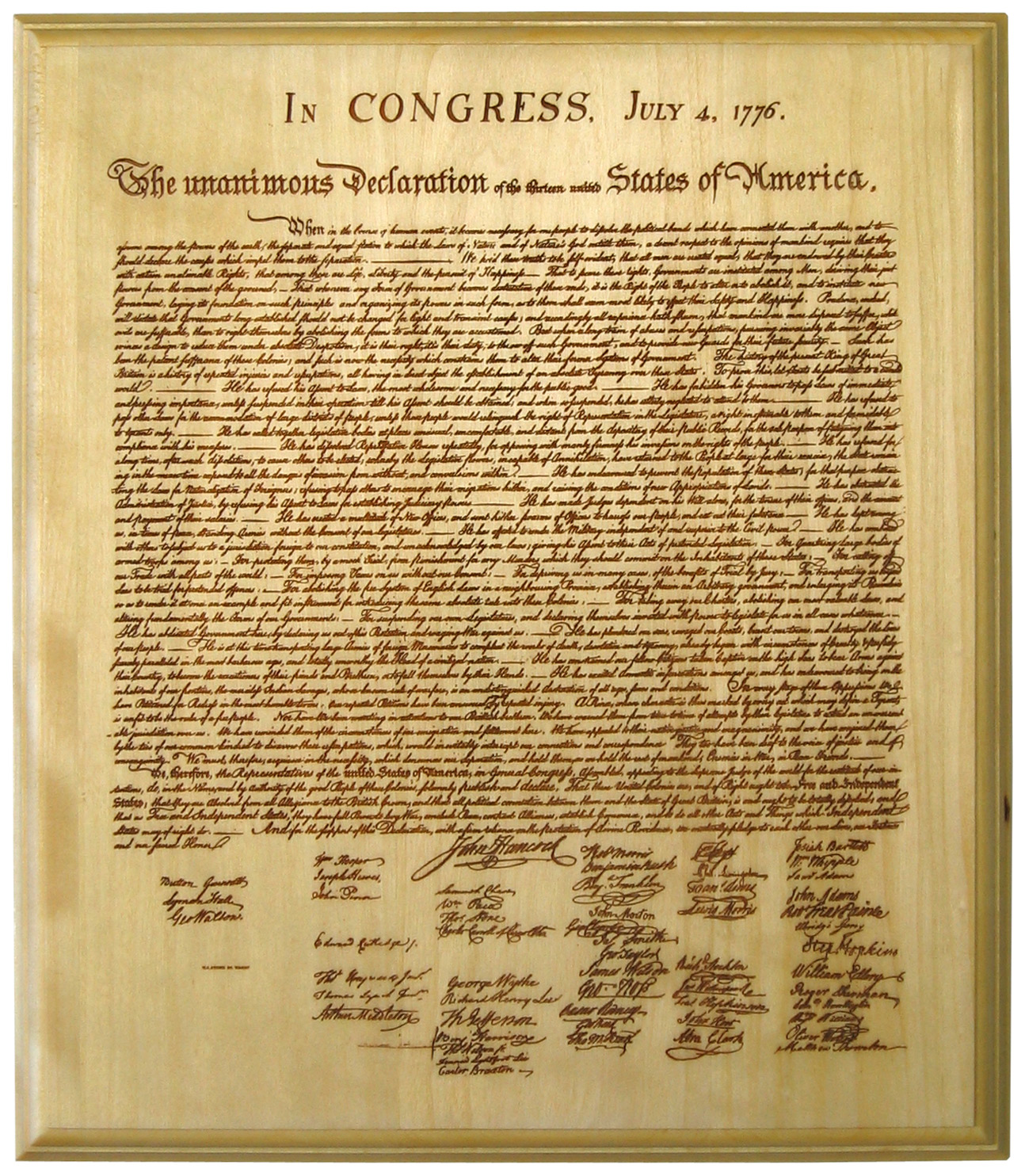
But, let’s not forget the true meaning of this day. When, in 1776, in Philadelphia, Mr. John Hancock, as president of the Second Continental Congress, affixed his signature to the document below, which declared to the world the break from Great Britain.

DOI
Declaration of Independence

From the words of Richard Henry Lee, “Resolved, That These United Colonies are, and of right ought to be, free and independent states,” to the quill of Thomas Jefferson, “When in the course of human events it becomes necessary for one people to dissolve the political  bands which have connected them,” let us truly remember the history behind this day and the build-up to that fateful decision in Philadelphia.

Have a “Happy Independence Day.”


The Second of July’s Importance

This year, July 4th, which falls on a Monday, and will be celebrated as America’s Independence Day around the country. Americans remember that date, in 1776, as the day that John Hancock, as president of the Second Continental Congress, put quill to ink and then parchment, to affix his signature in a bold stroke at the bottom of the Declaration of Independence. Interestingly, only one other person signed their name to the document that day, secretary to the Second Continental Congress, Charles Thompson.

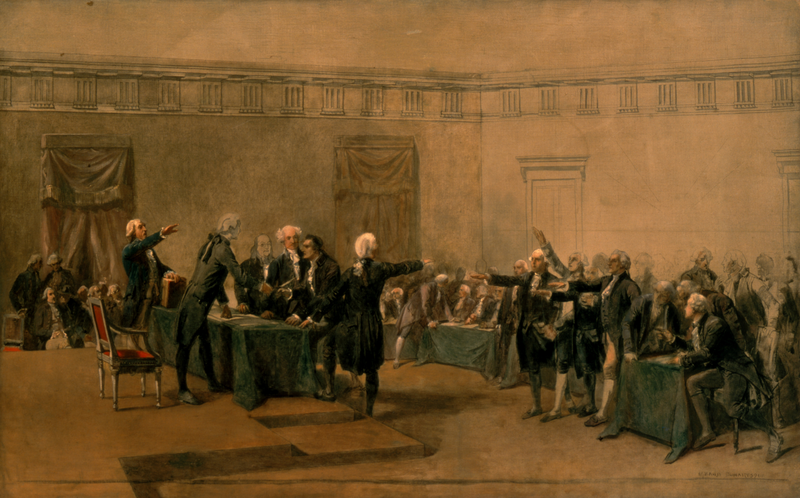
However, the important date to remember, is today, July 2. On this date in 1776, the Second Continental Congress will adopt Virginia delegate Richard Henry Lee’s resolution to declare independence from Great Britain. This document, crafted by another Virginia, Thomas Jefferson, was originally brought up for debate in June. By June 28th, Jefferson, chosen by a sub-committee to write the declaration, had presented it to Congress assembled in Philadelphia for review.

800px-Signing_of_Declaration_of_Independence_by_Armand-Dumaresq,_c1873
Artist Charles E. A. Dumaresq’s rendition of the Second Continental Congress signing the Declaration of Independence

Continue reading “The Second of July’s Importance”