A Portrait of John Cuppy

Emerging Revolutionary War welcomes guest historian Gabriel Neville

Most of the enlisted men of the Revolutionary War are faceless and forgotten—just names on lists. Biographies and painted portraits are honors that were reserved for officers. Even so, it is possible to trace the lives of some common soldiers using original sources. Many of them applied for pensions after 1818, which required them to provide (usually brief) narratives of their service. Some gave similar attestations when they applied for military bounty land. A small number left detailed accounts of their experiences in interviews, letters, or diaries. Finally, and very rarely, we have photographs taken in the last years of some veterans’ lives. Virginian John Cuppy may be the only Revolutionary War soldier to leave us an artifact in each of these categories.

John Cuppy

Cuppy was born near Morristown, New Jersey on March 11, 1761. While still an infant, he was brought to Hampshire County, Virginia by his German parents. Their new home was on the South Branch of the Potomac River near the town of Romney, which is now in West Virginia. About forty miles west of the Shenandoah Valley, this was the very edged of settled Virginia territory. John was just fourteen years old when the war began—too young to be a candidate for service when Hampshire was directed to raise a rifle company in July of 1775. He was still too young when Dutch-descended Capt. Abel Westfall recruited a company there that winter for Col. Peter Muhlenberg’s new 8th Virginia Regiment.[1]

Continue reading “A Portrait of John Cuppy”

Review: Rick Atkinson, The British Are Coming: The War for America, Lexington to Princeton, 1775-1777

Emerging Revolutionary War welcomes guest historian Joshua Shepherd to the blog who reviewed the book mentioned above. Short bio of Joshua is at the bottom of this post.

In recent years, there’s been a fortunate resurgence of interest in the Revolution and founding era. To meet the mounting demand for Revolutionary history, some of the nation’s most gifted popular authors have written highly successful volumes that cover the War for Independence and the Early Republic.

Some outstanding books have consequently gone to press, but, by and large, the publications have very often been biographies; occasionally, publishing houses introduce monographs that cover a single campaign. From professional circles, much of the new scholarly research focuses on the currently-vogue academic preference for social history. At least in recent decades, the relative paucity of military history has left an appreciable gap in the historiography of the Revolution. With the release of The British Are Coming, author Rick Atkinson has met a vital need for an up-to-date and comprehensive military history of the American Revolution.

Continue reading “Review: Rick Atkinson, The British Are Coming: The War for America, Lexington to Princeton, 1775-1777”

Following Washington

Emerging Revolutionary War welcomes guest historian Terry Rensel.

I despise driving the Pennsylvania Turnpike, so for my drive from Fredericksburg, Virginia to Erie, Pennsylvania to visit family for Thanksgiving I decide to go cross-country to Cumberland, Maryland and then play it by ear from there. As I realized that I was going to be close to Fort Necessity, I decided to make that a stop since I’ve never been there, then see what the day held.

Although a child of NW Pennsylvania, and getting plenty of young George Washington in school, Fort Necessity was a place that I have never been before. It appealed to both my interest in, and desire to visit as many, National Park Service sites as possible. I also have an interest in travelling historic roads, so the fact that US 40, the National Road, was included made it a bit of a two-for for me.

I knew that Fort Necessity itself was a small fortification, I had no idea just how small until I saw it with my own eyes. I can’t believe that this unassuming stockade was the place was a place where the opening acts of the French and Indian War occurred.

Fort Necessity from treeline

The National Park Service has signage, and recently planted trees, where the historic 1754 tree line was. There wasn’t much room for maneuver. The Visitor Center isn’t a very large building, but their exhibits were fantastic. Along with battle related items, there is also a series of items and interpretation for the National Road.

Continue reading “Following Washington”

Annis Boudinot Stockton, Mythmaking, and the American Revolution (cont.)

Emerging Revolutionary War welcomes back guest historian Blake McGready for part two of the series. To read part one, click here.

While her poetry avoided wartime setbacks and conjured stories of revolutionary unity, Stockton’s poems did confront the violent realities of what she called “a most cruel and eventful war”. Her choice allusions demonstrate how, in her mind, wartime violence bound the revolutionaries together. Following the death of General Joseph Warren at the battle of Bunker Hill she lamented, “That heart, which, studious of his countries good / Held up her rights and seal’d them with his blood!” In 1776 Stockton wrote of revolutionary soldiers who “fought and bled to save their native land / From bowing to a tyrant’s stern command,” and honored great men dying on battlefields “Made fertile by the blood of heroes slain.” Whereas historians have noted how the war’s violence was often deliberately excluded from the popular imagination, by contrast, Stockton’s war and violence were inseparable.[i]

Continue reading “Annis Boudinot Stockton, Mythmaking, and the American Revolution (cont.)”

Annis Boudinot Stockton, Mythmaking, and the American Revolution

Emerging Revolutionary War welcomes guest historian Blake McGready. A short bio is at the end of this post.

In December 1776, Richard Stockton of Princeton, New Jersey, a signer of the Declaration of Independence, disavowed the American Revolution and swore allegiance to King George III. After British forces imprisoned Stockton, he accepted his captor’s amnesty offer. Revolutionaries considered Stockton’s decision an act of cold betrayal and condemned his perfidy. And yet, following his death in 1781, most biographies avoided or ignored Stockton’s questionable political commitment; one tribute claimed his conviction inspired “the utmost confidence of his associates and the country at large.” Stockton owed much of this comeback to his wife, Annis Boudinot. As a prolific and published poet, she helped erase much of her husband’s political infidelity in her writings. At the time of his death she praised him in one tribute, “Can we forget how patiently he bore / The various conflicts of the trying hour / While meekness, faith, and piety refin’d.” She carefully forgot that her husband abandoned the revolutionaries during “the trying hour.”[i]

Annis Boudinot (Mrs. Richard) Stockton by James Sharples Senior, from life, 1796-1797. Courtesy, Independence National Historical Park.
Continue reading “Annis Boudinot Stockton, Mythmaking, and the American Revolution”

The Ring Fight and the Emergence of Andrew Pickens

While the Second Continental Congress met in the early summer of 1776, colonists in the far away backcountry of South Carolina faced a threat from a perennial foe, the Cherokees. While delegates debated a declaration of independence, war parties struck settlements between the Broad and Saluda Rivers in the Ninety Six District. In response to these raids, militia Major Andrew Williamson mustered his Ninety Six regiment. Augmented by militia from the Carolinas and Virginia, he commenced a campaign against the Cherokee villages along the eastern face of the Blue Ridge.

General Andrew Pickens of South Carolina

Williamson struck at Esseneca on August 1. The colonials sustained twenty casualties but forced the warriors to abandon the village. Over the course of the next week, Williamson moved further into enemy territory. Rather than engage his force, the Cherokees retreated before the advance. Williamson burned a number of towns including Oconee, Estatoe and Toxaway.

The regiment reached Tamassee on August 12. Once again, Williamson found the village abandoned. He decided to send out scouting parties to examine the nearby hills. One of the patrols was led by a company commander from the Long Canes region of South Carolina, Captain Andrew Pickens. He took with him about sixty men. To cover more ground, Pickens divided his group and continued on with thirty five militiamen.

Symposium Recap

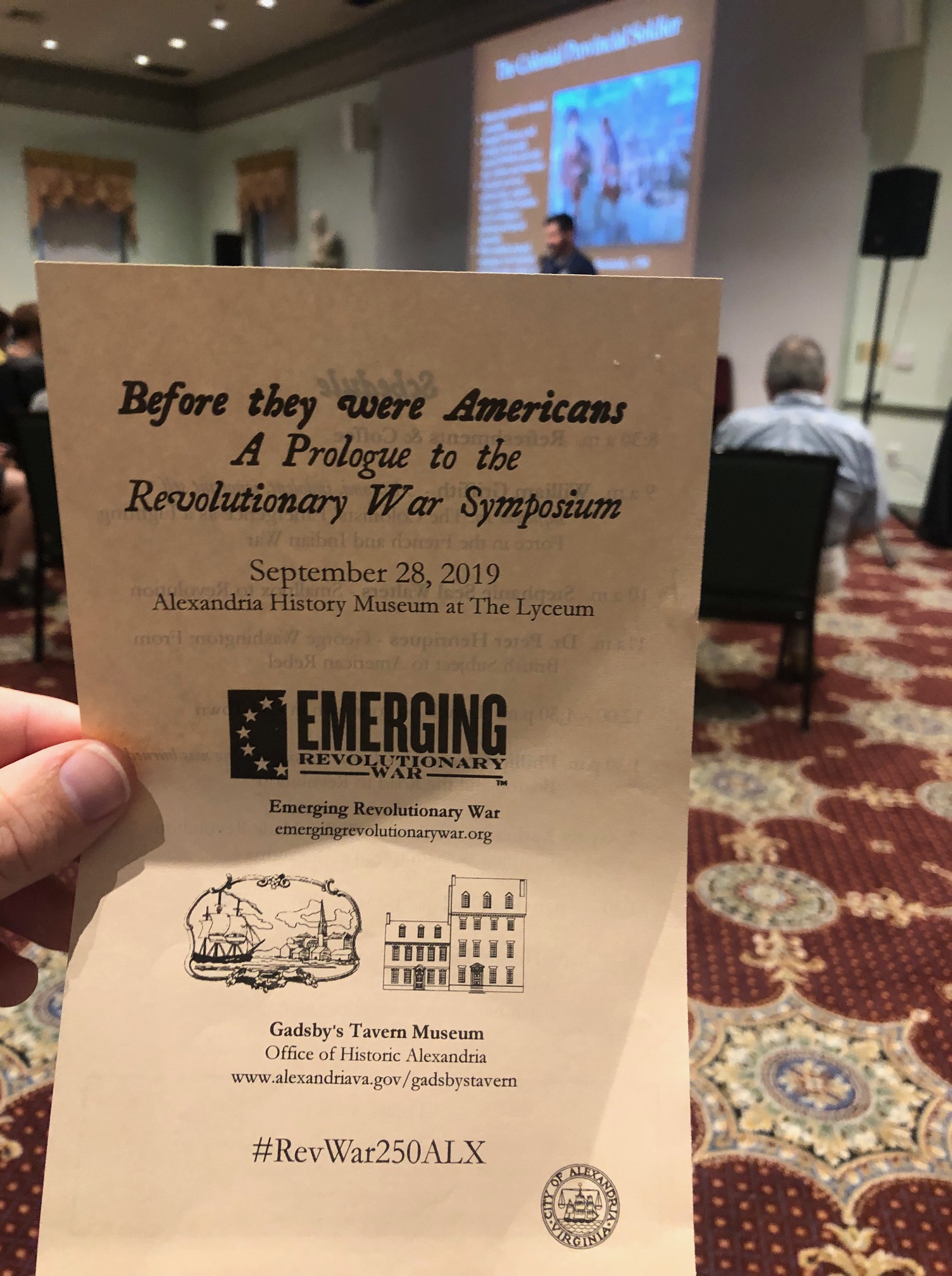
One week has passed since the first annual Emerging Revolutionary War symposium. Held in conjunction with Historic Alexandria, Virginia at the Lyceum, the theme was “Before they were Americans.”

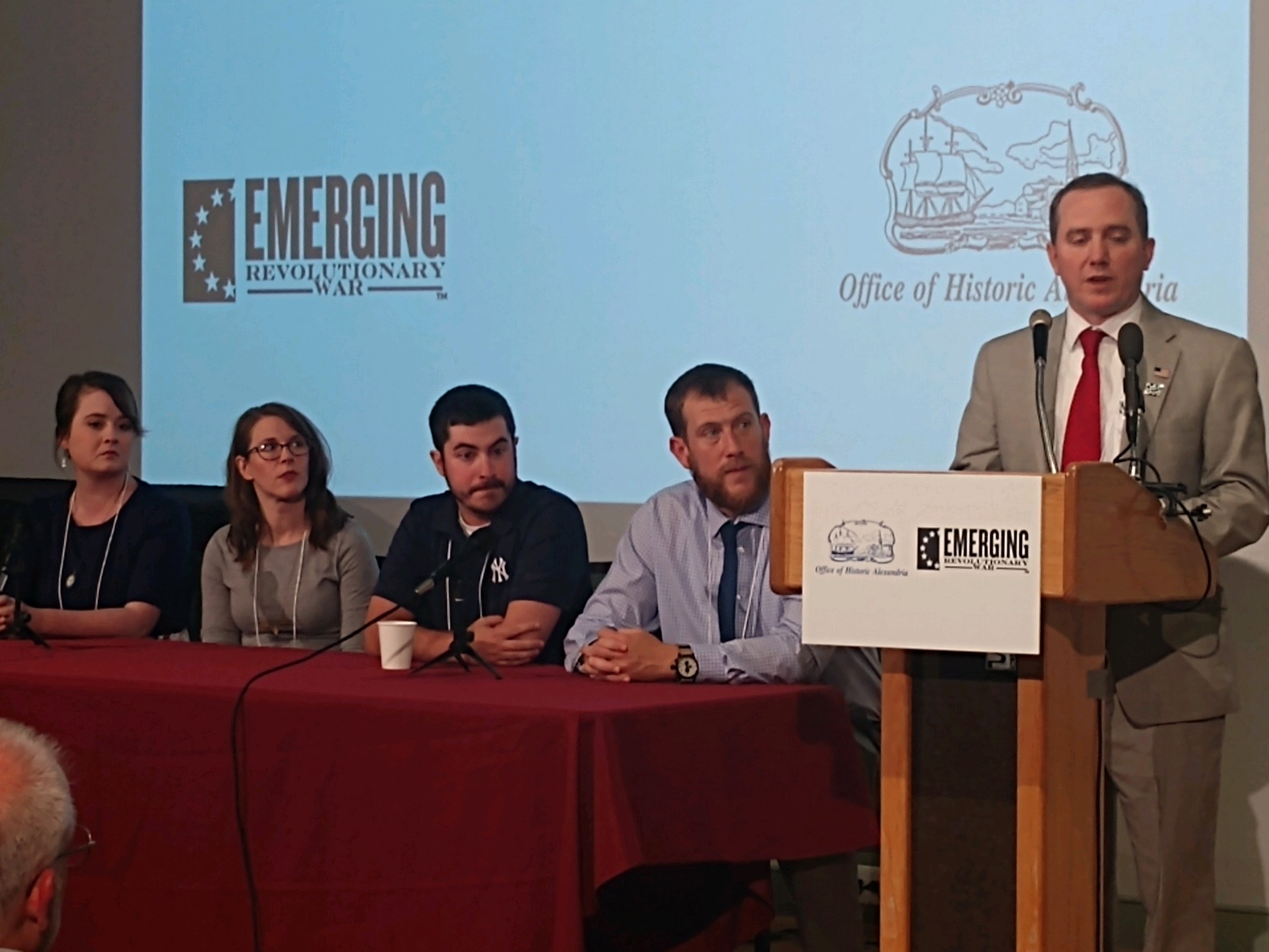
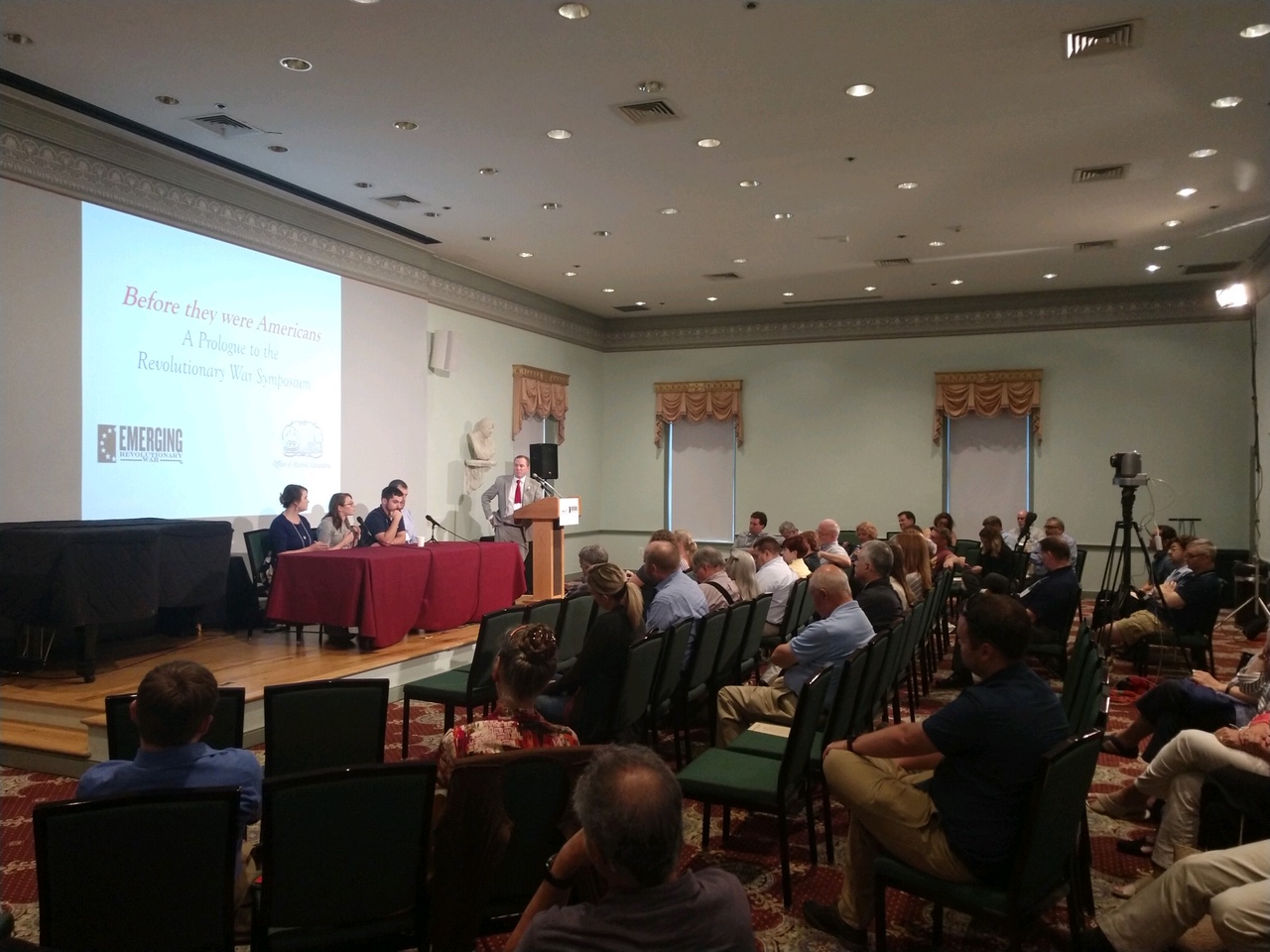
With a day of lectures, keynoted by Dr. Peter Henriques, professor emeritus of George Mason University the topics ranged from the French and Indian War, to George Washington, to material culture, smallpox, and Boston on the Road to Revolution. The day ended with a panel of historians in a Q&A session.

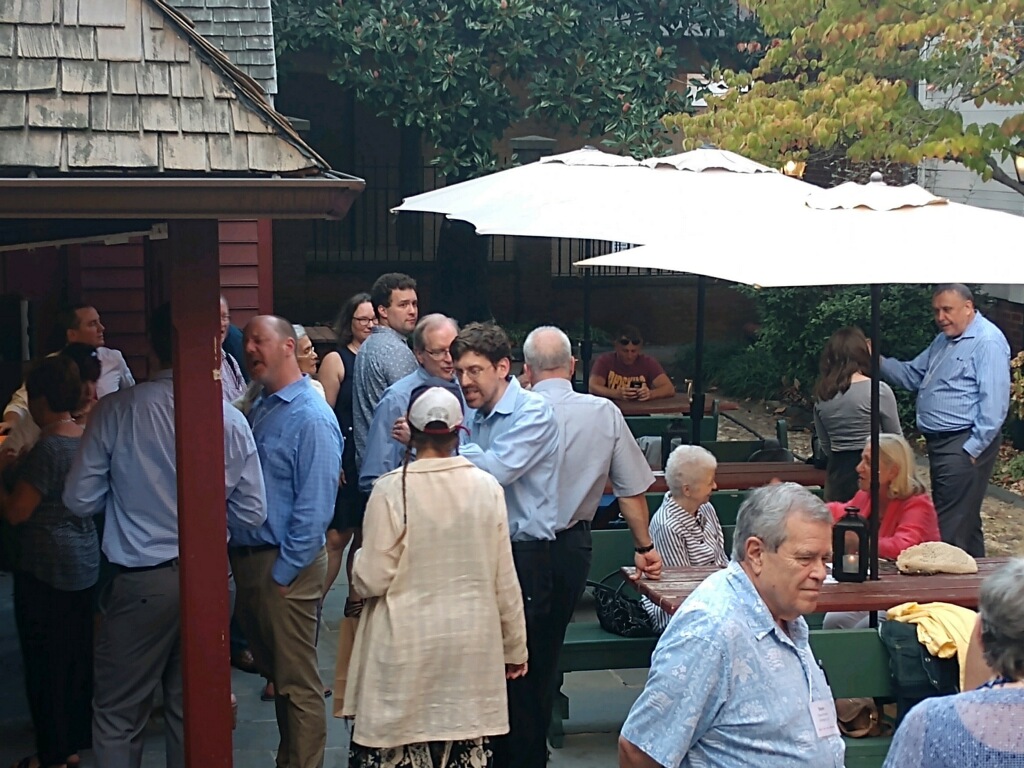
Over 70 people attended and many joined members of Emerging Revolutionary War and Historic Alexandria at Gadsby’s Tavern, an 18th century tavern with a great connection to American history, including a a ballroom used by Washington to celebrate his birthdays!

Plans are already in motion for the second annual Emerging Revolutionary War symposium to be held in late September of 2020 back in Alexandria, Virginia. Stay tuned to this blog and our Facebook page for information as that day draws near.

In the meantime, check out some of the photos below, taken by ERW historian Rob Orrison, who along with Liz Williams of Historic Alexandria were the driving forces behind making this symposium possible. A big thank you to all who attended and we hope to see you next year!

“Judiciously Designed and Vigorously Executed”: The March to the Dan River

Emerging Revolutionary War welcomes back guest historian Daniel T. Davis. 

Last month, I heard Emerging Revolutionary War co-founder Phill Greenwalt remark “when you think about retreats, victory is a word that doesn’t come to mind.” The period of January 18 to February 14, 1781 is the exception to the rule. During this time frame, the American army under Maj. Gen. Nathanael Greene and the British under Charles, Lord Cornwallis, marched across the backcountry of the Carolinas. Known as the “Race to the Dan”, this episode between the engagements at Cowpens and Guilford Courthouse, is a largely forgotten but consequential even in the Southern Campaign of 1781.

13615353_10154159045361343_4661891239939243645_n
The Dan River (courtesy of Rob Orrison)

Continue reading ““Judiciously Designed and Vigorously Executed”: The March to the Dan River”

Committees of Safety and the Revolutionary War: King’s District, New York

Emerging Revolutionary War welcomes guest historian Kieran O’Keefe. 

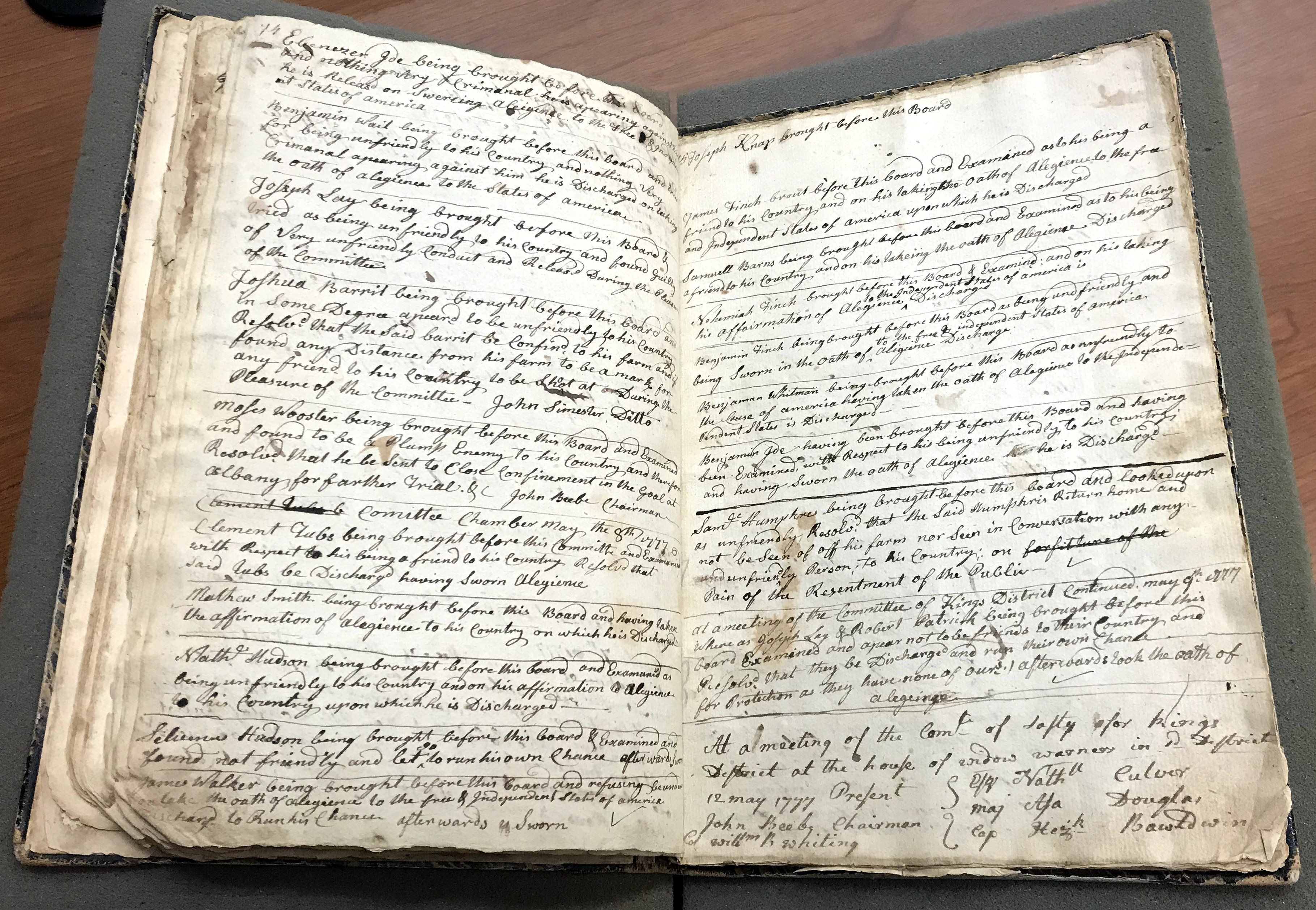
While the most famous scenes of the American Revolutionary War involve major battles or deliberations in Congress, the driving force behind the Revolution within small towns were committees of safety. As the war progressed and British authority dissipated, these committees became the effective government in most localities until the formal establishment of state governments. They had responsibilities such as regulating the economy, suppressing loyalists, procuring military supplies, raising revolutionary forces, and overseeing civil and criminal justice. Despite their ubiquity, it is rare to find the records of a committee completely intact. One such exception is the King’s District Committee of Albany County, New York, whose minutes survive in the Library of Congress.

The First Continental Congress created the committee system when it adopted the Continental Association in 1774. The Association called for the non-importation, non-consumption, and non-exportation of goods between the colonies and Great Britain, Ireland, and the British West Indies. This boycott was to put economic pressure on Britain to repeal the punitive Coercive Acts, which punished Massachusetts for the Boston Tea Party by closing the port of Boston and bringing the colony under tighter royal control with the aid of British redcoats. The Continental Association also stated that “a committee be chosen in every county, city, and town, by those who are qualified to vote for representatives in the legislature, whose business it shall be attentively to observe the conduct of all persons touching this association.” These committees were to ensure that all Americans adhered to the boycott stipulated in the Association. Committees began forming throughout the colonies in late 1774 and soon took on a greater role than originally designed, frequently seizing the reins of local government. The committees were unusually democratic. They generally consisted of about five men who were popularly elected, and many members were from the middling ranks of society with no prior political experience.

King's District
The King’s District Committee record book (author collection) 

Continue reading “Committees of Safety and the Revolutionary War: King’s District, New York”

ERW Weekender: In the Footsteps of James Madison

Emerging Revolutionary War welcomes guest historian Kate Bitely 

In the Foot Steps of James Madison.

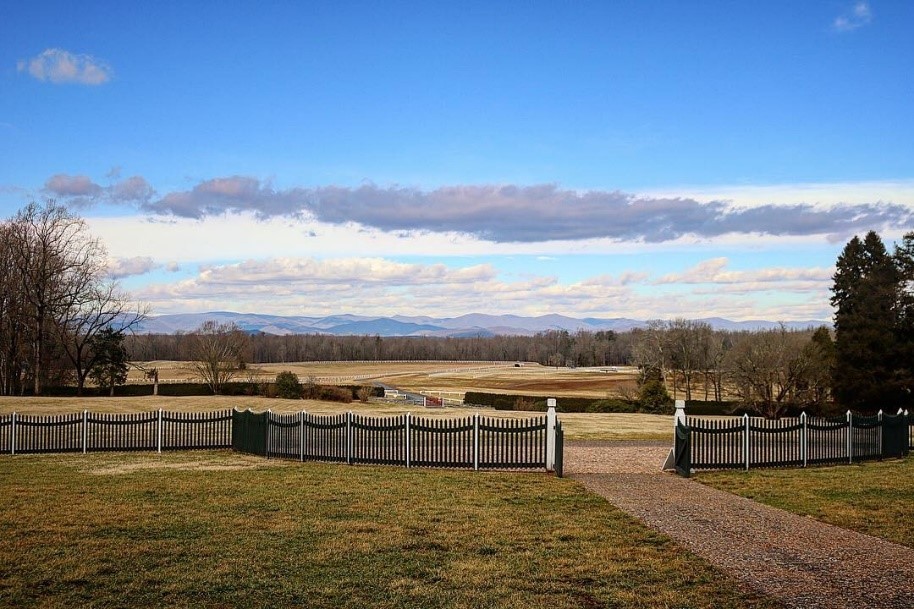
A view of the front yard of Montpelier
A view from the front yard of Montpelier (author collection)

Spring is finally here in Virginia and if you are looking for a place to explore that offers a great outdoor experience, get in the car and head to Montpelier, in Orange Virginia. James Madison’s plantation home offers visitors a glimpse of what life was like in colonial America.   Be sure to start your trip with the feature film in the welcome center that provides highlights of Montpelier’s lengthy history dating back to the mid 1700’s.  The preserved property has something to offer everyone including hikes, gardens, and a breath-taking view of the blue ridge mountains. The grounds are filled with opportunities to learn about our nation’s early history and the impact it still has on our country today. Continue reading “ERW Weekender: In the Footsteps of James Madison”