Civil War Nurse Saves Mount Vernon & Valley Forge

Valley Forge consists of acres of undulating countryside where General George Washington and some 11,000 Continental Army troops spent the winter of 1777-1778. Today, it is one of the nation’s most hallowed shrines. Few, if any, modern visitors recognize the woman who fought to save it, nor her heroic work as a nurse during the American Civil War.

Read more: Civil War Nurse Saves Mount Vernon & Valley Forge

Anna Morris Ellis was born in Muncy, Pennsylvania, on April 9, 1824. On September 26, 1848, she married William Hayman Holstein. At 38 years old, Anna became involved in the Union army’s war effort during the American Civil War after the battle of Antietam in September 1862. Her husband returning home after serving a 90-day enlistment, told of wounded men lying in barns and fields around Sharpsburg, Maryland because there weren’t enough medical corpsmen. Despite an overhaul to the Union Army of the Potomac’s Medical Department by Dr. Jonathan Letterman earlier that summer, the combined evacuation of the Virginia Peninsula from their failed late spring and summer campaigns and the Second Manassas campaign outside of Washington, D.C. in August had left this medical department in a state of chaos, confusion, and wholly unprepared to meet the medical needs of such another large scale engagement as Antietam. Anna and her husband William immediately left for the Antietam battlefield in response to the distressing scenes he had painted for her. 
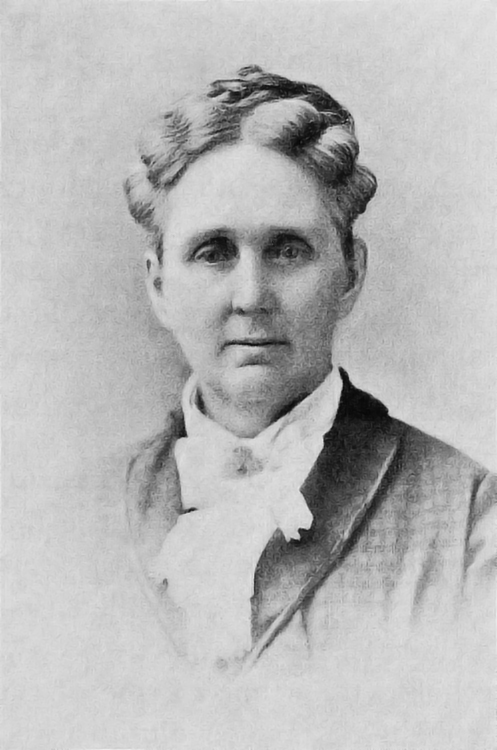
Anna Morris Ellis Holstein

The Holstein’s served for months around the Antietam battlefield, caring for the sick and wounded. Their role as post-battle caretakers continued just a month after the battle of Gettysburg when the large army field hospital of Camp Letterman opened just east of the borough on the York Road. This time, however, Anna was already numbed to the scenes of shattered limbs and the despondently ill wearied from disease. By this time her husband had secured a position with the U.S. Sanitary Commission which also setup at Gettysburg to aid the wounded and sick in the wake of the battle. That agency, along with the U.S. Christian Commission, offered supplies and personages to aid in the aftermath of not only Gettysburg, but other battles in the final years of the war.

Anna’s role for caring for those soldiers left behind by both armies was significant. She was made matron-in-chief of Camp Letterman by Dr. Cyrus Nathaniel Chamberlain, which, under her and Chamberlain’s care, attended to over 3,000 wounded soldiers. Anna continued to work at Camp Letterman until it closed on November 19, 1863. Later that day, both her and her husband sat on the platform near Abraham Lincoln while he delivered the Gettysburg Address. Following her work at Gettysburg, Anna continued to nurse the sick and wounded back to health. By the end of the Civil War in 1865 and into 1866, she worked as a matron in a hospital in Annapolis, Maryland, caring for returned prisoners of war that were sick or wounded.

In the post Civil War years, Anna turned to the preservation of the places and material culture from America’s first war for independence. She was no stranger to the importance of this era and the necessity of keeping the memory of those that served during that turbulent era alive for future generations. Anna’s great-grandfather was Capt. Samuel Morris. Morris was the captain of the First City Troop of Philadelphia when it served as George Washington’s body guard. Captain Morris was with Washington during the Ten Crucial Days and was on the field him at the battles of Trenton and Princeton. Morris even earned the sobriquet as leader of the “fighting Quakers.” Anna’s grandfather, Richard Wells, also served the American cause. He was commissioned to provision the U.S. fleet on the Delaware River during the revolutionary war.

One of her first missions was to save and restore George Washington’s Virginia estate, Mount Vernon. The home had fallen into significant disrepair, with the recent war years only aiding to its material decay. Both Anna and her husband, who also had strong ancestral ties to the War for Independence, were among the first to promote the struggles at Mount Vernon, the necessity for saving it, and the fundraising to back those plans. It was her skills in fundraising so successfully for Mount Vernon that led her to be named as regent for the Valley Forge Centennial and Memorial Association. Anna also was one of the founders, and also named regent as well, of the Valley Forge Chapter of the D.A.R.

By 1878, The Centennial and Memorial Association of Valley Forge, was incorporated in Montgomery County, Pennsylvania. Once incorporated, she led the charge as regent to save, acquire, restore and preserve General Washington’s Valley Forge Headquarters and surrounding acreage as parcels became available. Much needed funds for this charge would be needed, however. On June 19, 1878, to commemorate the 100th anniversary of the Continental Army marching out of Valley Forge, the Association held a large, organized event. With the funds generated from the anniversary commemoration, the Association was able to not only purchase General Washington’s Headquarters, but also additional acreage around the farm complex. They were also able to purchase original artifacts to place in the home, begin renovations to restore the home back to its 1777-78 appearance, and plant a tree from Washington’s Mt. Vernon on the property.

By 1893, when the Commonwealth of Pennsylvania assumed control of the camp sites and headquarters at Valley Forge, with Anna credited as the person “to whom the Nation is indebted more than any other” for her tireless efforts to ensure this national shrine was preserved and protected in perpetuity. Decades later, the National Park Service would assume ownership and operational leadership of the park from the state of Pennsylvania.

Anna and William’s home still stands in King of Prussia, Pennsylvania today at 211 Henderson Road. In 2021 the Pennsylvania Historical and Museum Commission placed a marker at the entrance drive to the home. Anna’s work at saving material culture from the Revolutionary War and ensuring the legacy of the veterans of that conflict lived on was vast. Hopefully this small summation of her activities inspires others to dig deeper into her efforts.
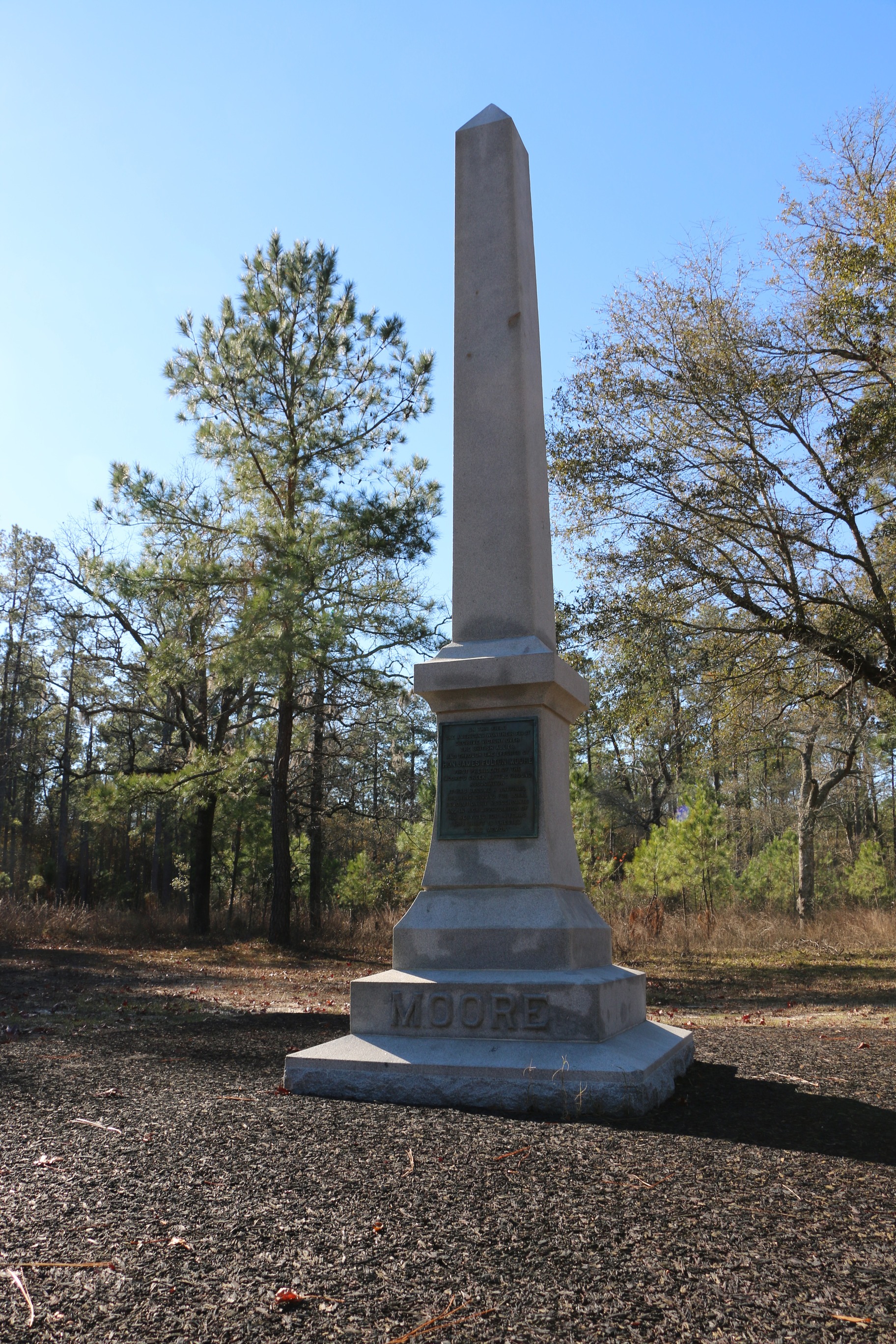
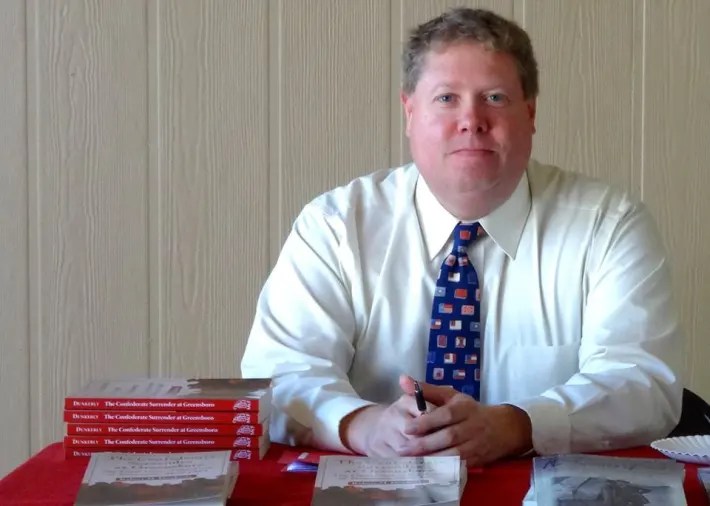
Rev War Revelry: King George and Broadswords, The Battle of Moores Creek Bridge with Bert Dunkerly

On February 27, 1776 Patriot and Loyalist forces faced off at Moores Creek Bridge in southeastern North Carolina. Loyalist forces anticipated support from a British army arriving along the North Carolina coast and planned to use this combination force to return British authority in North Carolina. Though, when help did not arrive, a mixed bag of North Carolina Patriots turned back an attack at Moores Creek Bridge. Their victory, combined with the Patriot victory at Great Bridge, VA in December 1775, solidified their control of North Carolina. Additionally, the Loyalist defeat served as a major deterrent for Loyalist support until the opening of the Southern Campaign four years later. This small action had long lasting impact on the entire war in the south.

Join us this Sunday night at 7pm on our You Tube Channel ( https://www.youtube.com/@emergingrevolutionarywar8217 ) as we welcome back our own ERW historian Bert Dunkerly. Bert has extensive knowledge on the history of this battle and experience working at the battlefield itself. We will discuss the complex situation leading up to the battle and how this small battle changed the war strategy in the south. Grab a drink and join in on the discussion!

Washington’s First Headquarters

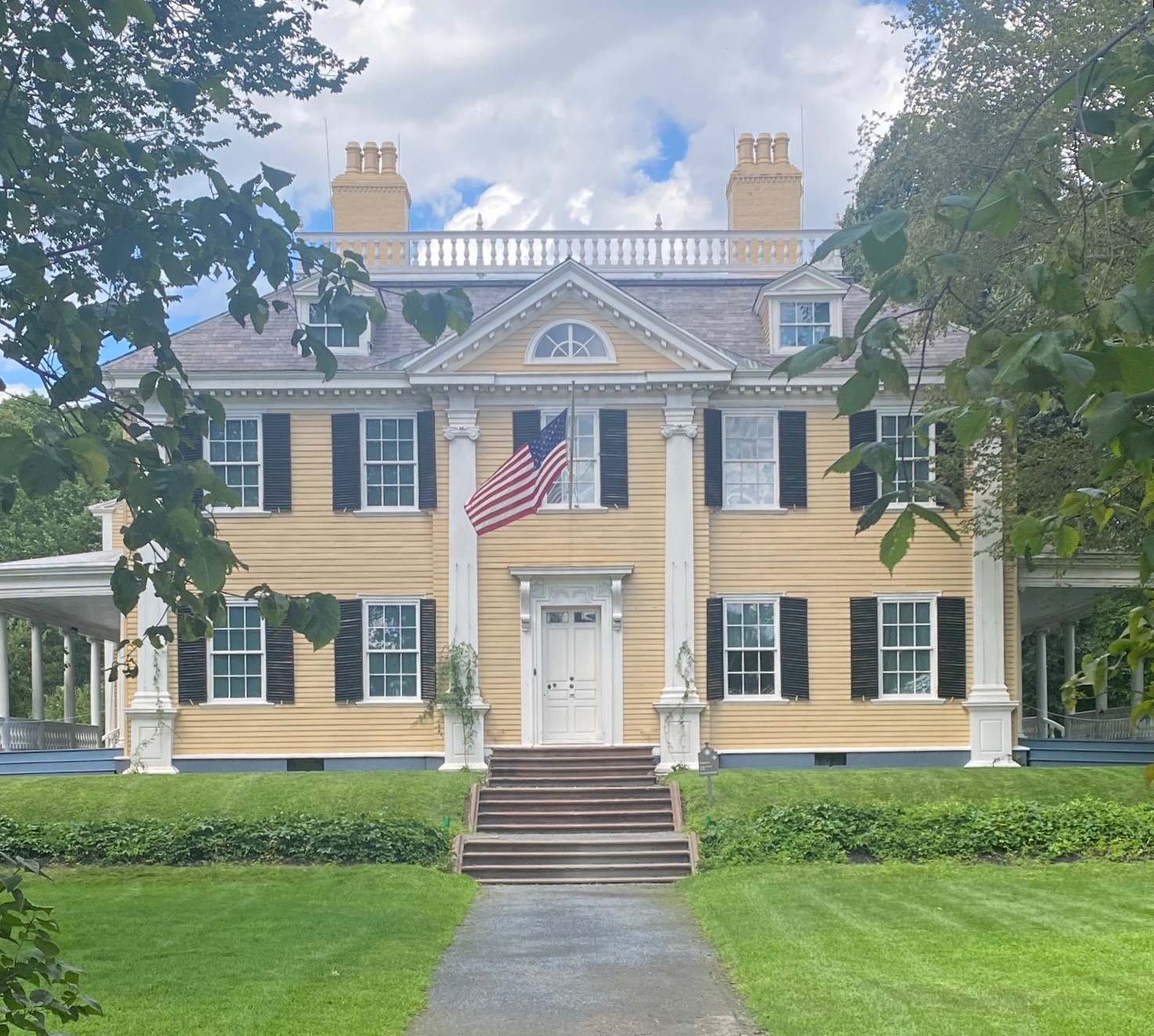
On June 15, 1775, George Washington was appointed by the Second Continental Congress as commander-in-chief of the Continental Army. Approximately a month later he rode into Cambridge, Massachusetts, to the house below, to assume command over that army. After he met the officers at Jonathan Hastings House near Harvard College campus, learning about operations and the siege. He was then directed toward an opulent residence standing about a mile away. Named the Vassall-Craigie-Longfellow residence, this place would become the focal point of the effort against the British in Boston. Washington moved in. He spent the next nine months in residence, overseeing the Siege of Boston and the British evacuation.

From this house, Washington began putting his footprints on the army and met some of the officers that became instrumental in securing American independence. This included the Rhode Islander Nathanael Greene and Massachusetts native and bookseller Henry Knox among others. Martha Washington, in December 1775, traveled over 440 miles from Mount Vernon to Cambridge to winter with her husband in this house. The making of Washington, the general, started here.

The power of place.

Today, the house preserved by the National Park Service today can be toured, click here for information.

Transcribe Revolutionary War Veteran Pensions

The National Archives and the National Park Service recently announced a collaborative project that allows members of the public to transcribe Revolutionary War Pension Files. This initiative has been launched in celebration of the upcoming 250th anniversary of America’s independence.

During the Revolutionary War, the Continental Congress offered pensions to American soldiers for their service. Later, they extended the pensions to the widows and orphans of deceased soldiers. Each pension file contains a wealth of information about the common Continental or militia soldier who fought for American independence.

As you might expect, the public transcription project is a large undertaking. The National Archives reports that they have 2,322,134 objects digitally scanned and ready for transcription.

If you want to help keep the story of a Revolutionary War Patriot alive and accessible, consider joining the National Archives’ Citizen Archivist program to get started today. For more information and to sign up, visit https://www.archives.gov/citizen-archivist/missions/revolutionary-war-pension-files.

2024 ERW Bus Tour Announcement – Lexington and Concord!

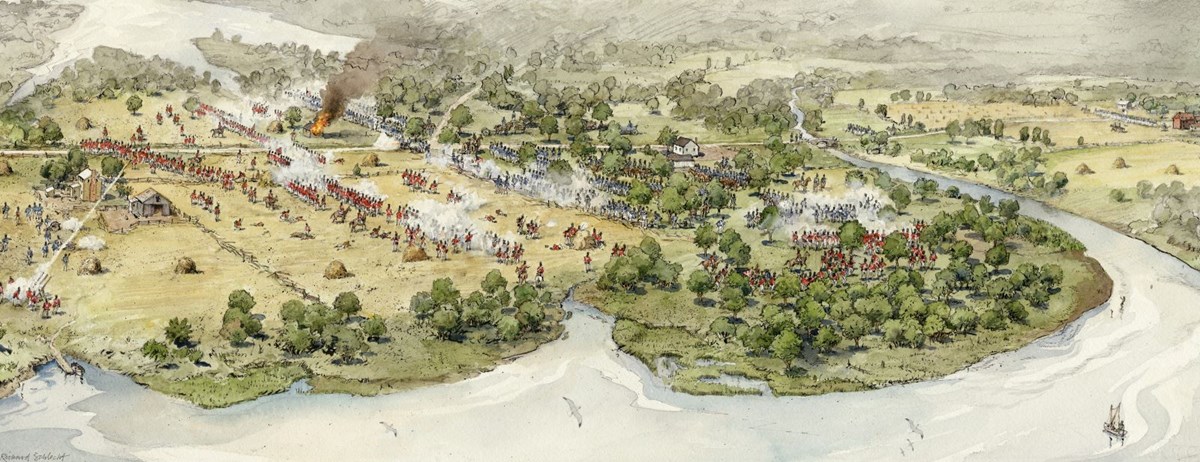
We are excited to announce our 2024 (fourth annual!) bus tour location will be Lexington and Concord on October 11-13, 2024. Join historians Phillip Greenwalt, Rob Orrison and Alex Cain as we tour the sites associated with the beginning of the American Revolution on April 19, 1775. The tour will cover events in Lexington, Concord and sites along the “Battle Road.” Tickets are $250 per person and includes a Friday night lecture, all day tour on Saturday and half day tour on Sunday (bus tour transportation and Saturday lunch included in cost).

Lodging is not included in the ticket fee. Our host hotel is the Courtyard Marriott – Waltham, a room block is set aside for $239 a night. For reservations contact 781-419-0900 or visit https://www.marriott.com/events/start.mi?id=1699298201894&key=GRP

Join us for our FOURTH annual tour as we take on the beginning of the American Revolution just a few months before the 250th anniversary. Learn about the dramatic events that led to the first shots for the Revolution and the bloody aftermath. We will visit Lexington Green, Buckman’s Tavern, North Bridge in Concord, Battle Road including Merriam’s Corner, Parker’s Revenge and the Jason Russell House. There is no better way to experience history than to stand in the footsteps of where it happened!

To register, visit: https://www.eventbrite.com/e/760200178197?aff=oddtdtcreator

For more questions, please email emergingrevolutionarywar@gmail.com.

“Our Flag Was Still There…” Book Talk on “Rev War Revelry”

On September 14, 1814, United States forces defending Fort McHenry in Baltimore repelled the British attempt to capture the city. Flying defiantly over the brick parapets was a 30 x 42 -foot the following day, clearly seen by the British and one captive American, Francis Scott Key. Over 100 years later the poem Key began writing on September 15 became the national anthem of the United States of America. But, what about the flag that the military commander of Fort McHenry, Major George Armistead had made? Well, this iconic flag became a part of the Armistead family for almost the next century as well.

Now, historian Tom McMillan, who has written on another member of the Armistead family, returns with his latest publication, Our Flag Was Still There: The Star-Spangled Banner that Survived the British and 200 Years–and the Armistead Family Who Saved It. This fascinating read, tracing the flag and its intertwined connection with the Armistead family, will be the subject of this week’s “Rev War Revelry.” McMillan gave a bit of a teaser to entice you to listen in on Emerging Revolutionary War’s Facebook page Sunday at 7 p.m. EDT.

OUR FLAG WAS STILL THERE details the improbable two-hundred-year journey of the original Star-Spangled Banner — from Fort McHenry in 1814, when Francis Scott Key saw it, to the Smithsonian in the 21st century – thanks to three generations of an enduring military family, the Armistead’s, who defended, kept, hid, and ultimately donated the most famous flag in American history.”

We hope you grab your favorite beverage and tune in. The book is now available for purchase and Tom will have details on how to attain a copy!

Rev War Revelry Discusses NEW Emerging Rev War Book!

Charleston, South Carolina is one of the most beautiful and historic cities in the United States. Numerous sites, battlefields, and buildings from the period of the Revolution still exist.

Join us this Sunday at 7pm as we discuss ERW’s newest release “To The Last Extremity: The Battles for Charleston” by Mark Maloy. In To the Last Extremity: The Battles for Charleston, historian Mark Maloy not only recounts the Revolutionary War history of Charleston, he takes you to the places where the history actually happened. He shows you where the outnumbered patriots beat back the most powerful navy in the world, where soldiers bravely defended the city in 1779 and 1780, and where thousands suffered under occupation. Through it all, brave patriots were willing to defend the city and their liberty “to the last extremity.”

We will talk to Mark about his research, his favorite and most compelling stories and why this book is a “must have” for any history buff. Join us this Sunday, April 16 at 7pm on our Facebook page to join in on the conversation. As always, if you can not join us live you can catch the talk at any time on our You Tube or podcast channel.

“Rev War Revelry” Battle of North Point

On September 12, 1814, approximately 4,700 soldiers, a mix of British infantry and marines, were landed on the North Point peninsula, a jut of land between the Back and Patapsco River and on a direct line of march toward Baltimore. While the infantry and marines advanced toward the city, the British Navy’s task was to subdue the American fortifications in Baltimore harbor. The latter was foiled by the stout defense of Fort McHenry which served as the backdrop for the future national anthem, the Star-Spangled Banner.

Less is known about the accompanying land engagement, fought at North Point between the British and American militia. That battle, which cost the life of Major General Robert Ross, the British commander, saw the American militia retreat, but in order, and stymied the initial approach of the British toward Baltimore. Furthermore, the battle gave the Americans more time to add to their defenses.

To shed light on this aspect of the Battle of Baltimore, Emerging Revolutionary War will be joined by two historians, both of who have worked on volunteered at Fort McHenry National Monument and Historic Shrine.

Jim Bailey is now the Chief of Visitor Services and Education at Manassas National Battlefield Park but is a former park ranger at Fort McHenry. The other guest historian is Chris Boyle who has been a National Park Service volunteer at Fort McHenry National Monument & Historical Shrine since 2005 in both the Fort McHenry Guard living history program and as an historical interpreter focusing on the Fort’s history from the War of 1812 through the Civil War. While not a native Baltimorean, he has called the city home for the last 20 years.

We hope you can join us on Sunday at 7 p.m EDT on our Facebook page for this historian happy hour.

“Rev War Revelry” Convention Army Discussion

On October 17, 1777, British General John Burgoyne surrendered his joint British, Canadian, and Hessian and Brunswicker forces to patriot General Horatio Gates near Saratoga, New York. Over 6,000 soldiers, the number placed by one historian is 6,222, became captives of war. Under the terms of the convention agreed upon by Burgoyne and Gates, the vanquished army was to march to Boston, Massachusetts, board British ships, and sail to England, to await formal exchange and to not participate in the war in America further.

When news reached the Continental Congress of this concession, that political body demanded a complete list of the troops surrendered to ensure the terms of the convention was to be upheld. When this was not forthcoming by the British, Congress reacted by vowing to not adhere to the stipulations of the convention. Burgoyne’s forces would not head back to Great Britain to await an exchange that year. Instead, these men were to be confined in camps both in New England and Virginia for the duration of the war. This force came to be called the Convention Army.

This Sunday, March 6, at 7 p.m. EDT, join Emerging Revolutionary War on our Facebook page for the next historian happy hour, as Dan Welch and Phillip S. Greenwalt discuss the Convention Army and what happened after the pivotal battle of Saratoga in October 1777.

Washington’s First Valley Forge Abode Location

As the Continental Army marched into Valley Forge on December 19, 1777, staff officers under the commanding general had scoured the local area for a residence suitable for George Washington that winter. While discussions and negotiations were taking place, since the Continental Congress had decreed that the army had to ask and could not just commandeer private residences which was a chief complaint of the British policy prior to the war, Washington spent five nights in his marquee.

Afterwards Washington and his military family, later joined by Martha Washington, the general’s wife, moved into the Isaac Potts House for the remainder of the winter encampment.

This tent, called a marquee and served as headquarters, sleeping quarters, and dining area, was pitched in a field in the valley. The site is now marked by a stone monument and within the boundaries of Valley Forge National Historical Park.

On the second annual Emerging Revolutionary War Bus Tour, “The Rise of the American Army: Valley Forge and the Battle of Monmouth” from November 11 -13, 2022, this site, where Washington’s marquee tent was hoisted, will be one of the sites shown to tour participants.

To secure your spot, click here or the link on the banner at the top of this page.