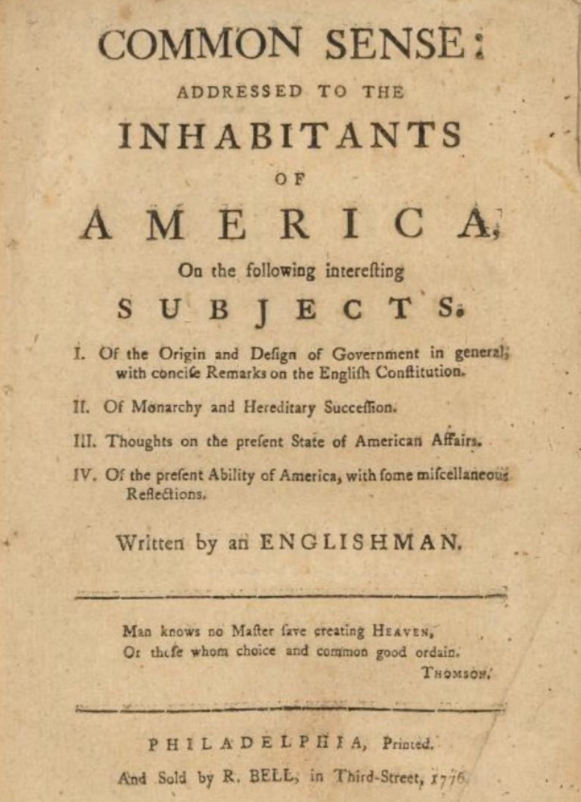
Virginian Landon Carter was vocal about the latest pamphlet sweeping through the American colonies in 1776. In several diary entries from the first four months of that momentous year, he commented on Common Sense, written anonymously “by an Englishman.” Carter described its contents in February as “rascally and nonsensical as possible, for it was only a sophisticated attempt to throw all men out of principles.” By April, as he continued to criticize the work, he reached a conclusion about its author: “I begin now more and more to see that the pamphlet called Common Sense, supporting independency, is written by a member of the Congress …” Carter could not have been further from the truth.
“An Englishman” was, in fact, an apt description for the author of Common Sense, first advertised to the American public on January 9, 1776, and first released on January 10. Thomas Paine was an Englishman—born there and, by most measures, matured there as a failure. He failed at his corset-making business. Teaching, collecting taxes, privateering, and working as a grocer—none of these occupations suited him either. He married twice (his first wife died in childbirth), and his second marriage collapsed. Amid this string of failures, Paine found success with the written word, which caught Benjamin Franklin’s attention in England in 1774. With little left for him in England, Paine embarked for America, arriving later that year. There, he scraped by as a writer, publishing essays in Philadelphia newspapers.
Emerging Revolutionary War welcomes back guest historian Evan Portman
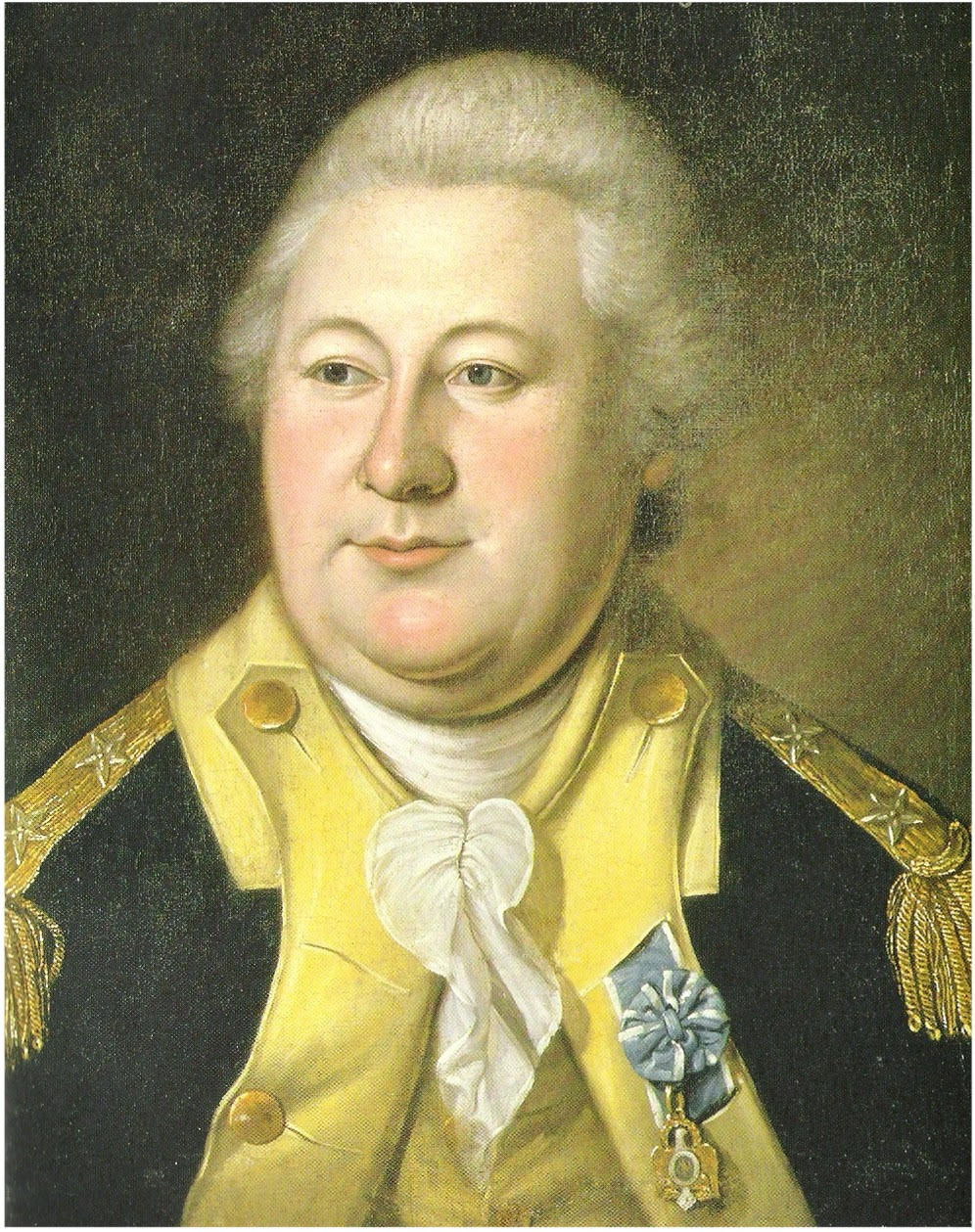
It’s often said that politics makes strange bedfellows, but that’s also true of war. On a blistering December night in 1775, Col. Henry Knox found himself sharing a cabin with the unlikeliest of people: the British officer John André.
Henry Knox
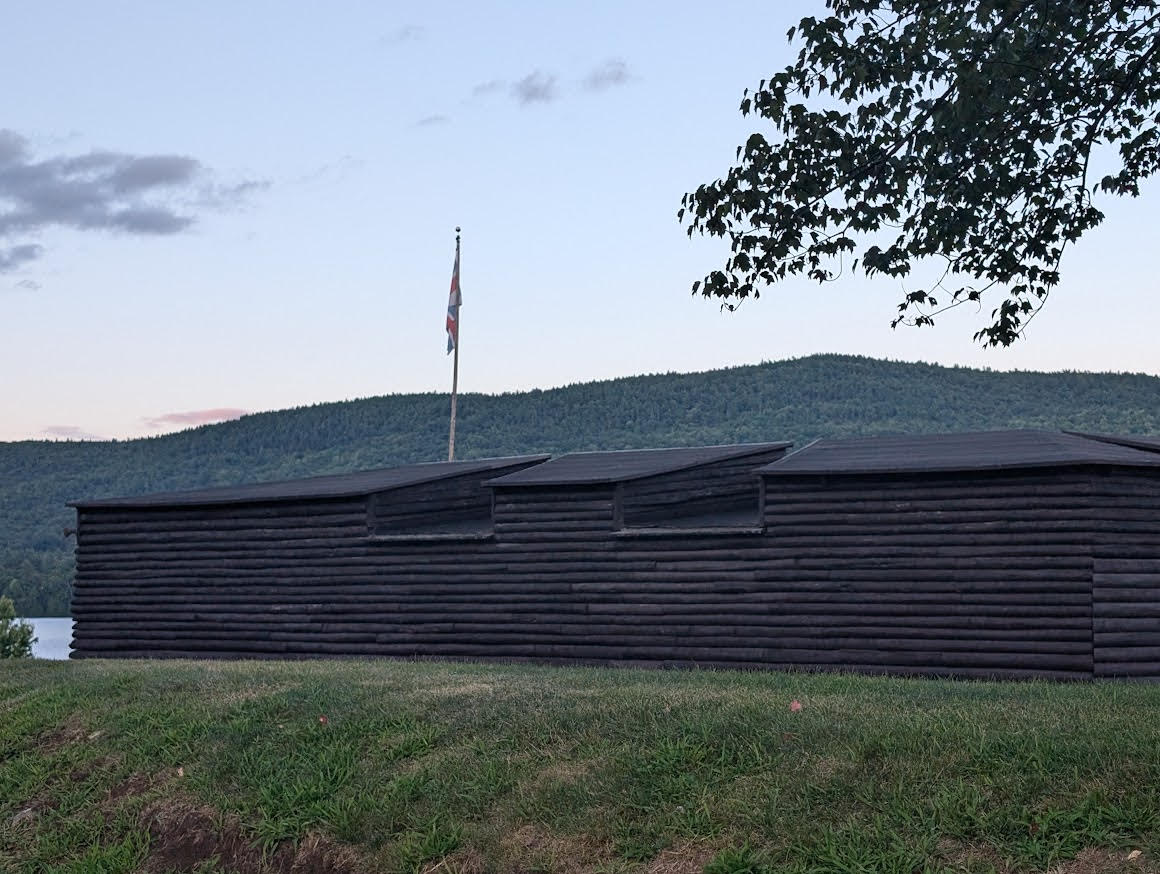
Knox was on his way to retrieve captured artillery at Fort Ticonderoga alongside his brother, William. The pair traveled up the Hudson River, facing heavy winds and harsh winter weather along the way. On December 4, a snowstorm hit just as Knox and his brother reached Fort George at the south end of Lake George, about 40 miles from Ticonderoga. Colonel Knox decided to spend the night there and sail up the lake to Fort Ticonderoga the following day.[1]
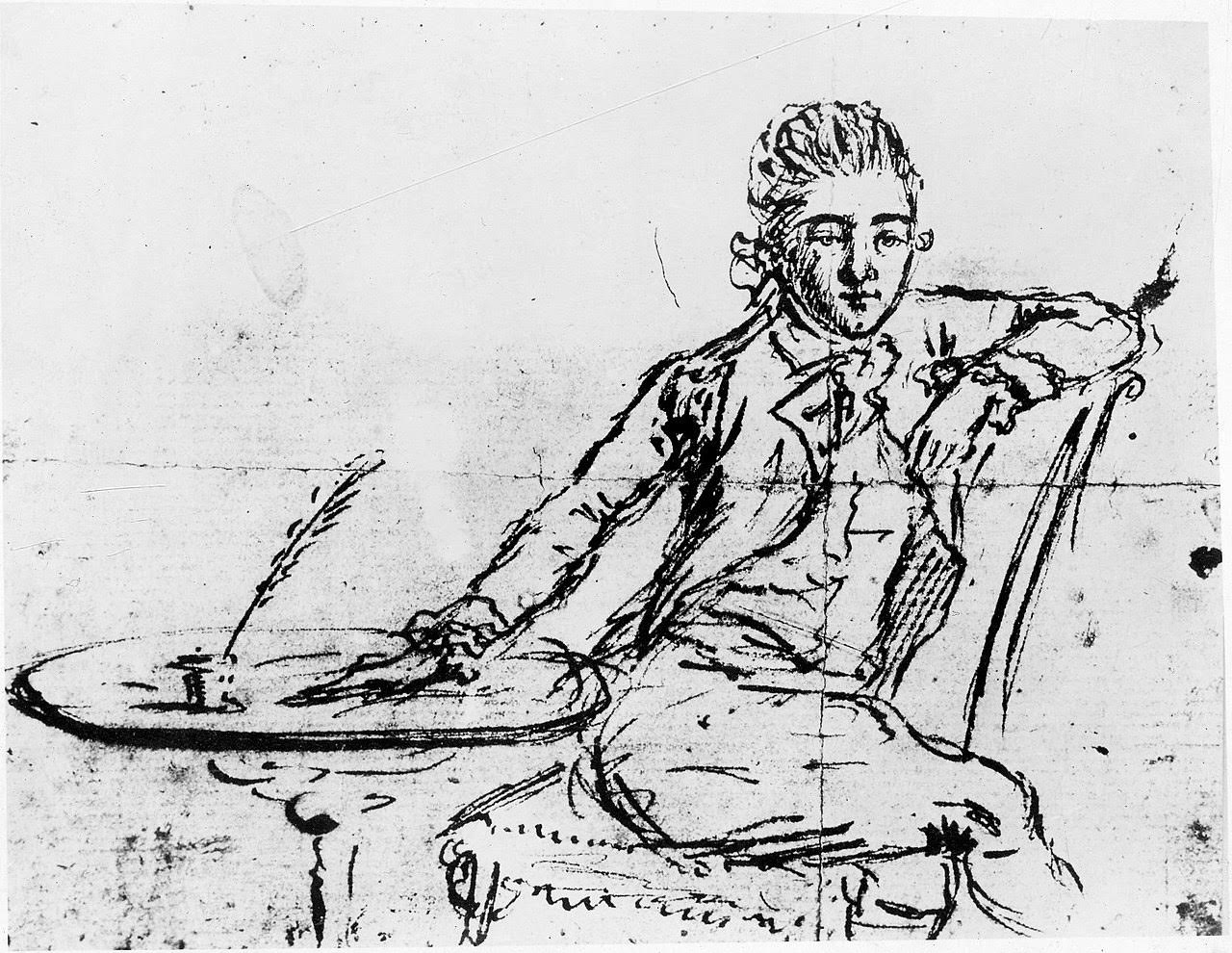
Knox received a one-room log cabin for the night, which, for lack of proper quarters, he shared with a captured British lieutenant named John André. André had surrendered during the American siege of Fort Saint-Jean in November 1775 and was being transported as a prisoner of war to Lancaster, Pennsylvania. The chance encounter sparked a brief companionship between the two men. Knox and André were the same age and shared a variety of intellectual pursuits, including a deep passion for art and literature. Both had also given up their respective trades to pursue a military career.[2]
However, Knox was careful not to betray the secrecy of his mission. The colonel, who was dressed in civilian clothes, probably did not reveal his military affiliation as a chief lieutenant of George Washington. Nonetheless, the two bedfellows passed the night by the firelight discussing their common interests. André charmed Knox, as he did most men who made his acquaintance, and the British officer’s intelligence and charisma made left a lasting impression on the artilleryman. Alexander Hamilton later recalled that “there was something singularly interesting in the character and fortunes of André” who “united a peculiar elegance of mind and manners, and the advantage of a pleasing person.”[3] The two men cordially parted ways the following day, as Knox made his way to Fort Ticonderoga and André departed for Lancaster.[4]
John André
Five years later Knox and André met again under much different circumstances. By 1780, André had risen to the rank of major and taken charge of the British spy network. It was in this role that the young officer found himself caught up in one of the great dramas of American history: the treachery of Benedict Arnold. André helped facilitate Arnold’s betrayal and eventual defection to the British army, but he was captured by American sentries in the process. Washington appointed a tribunal of 14 Continental Army officers to try André. Among them was Brig. Gen. Henry Knox.
The tribunal unanimously found André guilty of espionage and therefore ordered his death by hanging—the typical form of execution spy in the eighteenth century. Knox did not record his feelings on the matter, and André did not relate whether he recognized the portly artilleryman with whom he had once shared a cabin. Regardless, any companionship between the two men had evaporated as Knox signed André’s death warrant alongside his Continental comrades.[5]
Despite his tragic circumstances, André maintained marked civility even in the face of his execution. Knox looked on as André approached the gallows and declared, “I have said all I have to say before, and have only to request the gentlemen present to bear testimony that I met death as a brave man.”[6] With that, the cart moved out from under André’s feet, and Knox watched as his one-time companion hung.
Despite his role in André’s untimely death, Knox looked back fondly upon his one-time companion. James Thacher, who was stationed at West Point in 1780 and witnessed André’s trial, recalled that Knox “often afterward expressed the most sincere regret, that he was called by duty, to act on the tribunal that pronounced his condemnation.”[7] Though André’s life ended that October day, Knox served in the Continental army with distinction for the rest of the war. However, he never forgot his chance encounter with the charming British officer on that cold, winter night in 1775.
Fort George
[1] Mark Puls, Henry Knox: Visionary General of the American Revolution (New York: St. Martin’s Press, 2008), 37.
[2] Puls, Henry Knox, 37; Noah Brooks, Henry Knox: A Soldier of the Revolution, Major-General in the Continental Army, and Washington’s Chief of Artillery (New York: Cosimo, Inc., 2007), 42.
[3] Alexander Hamilton to Lieutenant Colonel John Laurens, 11 October 1780, The Papers of Alexander Hamilton, vol. 2, 1779–1781, ed. Harold C. Syrett, (New York: Columbia University Press, 1961), 460.
[4] Puls, Henry Knox, 37-38; Winthrop Sargent, Life and Career of Major John André (Boston: Ticknor and Fields, 1861), 85.
As you settle into your winter holidays or looking for one more gift for that history enthusiast on your Christmas list (and speaking for fellow book-lovers, a late Christmas gift book is always appreciated), Emerging Revolutionary War welcomes you to join us for the return of Tom Hand, of AmericanaCorner as he discusses his second volume, America Victorious, Lesser Known Campaigns and Commanders That Helped Win American Independence.
Tom, who created AmericanaCorner in 2020, is a graduate of the United States Military Academy at West Point, Class of 1982, and a lifelong student and enthusiast of American History. He also sits on the Board of Trustees for the American Battlefield Trust.
During the Revelry on Sunday night, at 7 p.m. EDT, a special discount code (we have heard from our sources) will be offered for those interested in purchasing the book. Tom will also discuss upcoming book signings and other happenings at AmericanaCorner.
Tune in and end the weekend (and the last Revelry of 2025) with Emerging Revolutionary War and Tom Hand!
Emerging Revolutionary War welcomes back guest historian Michael Aubrecht
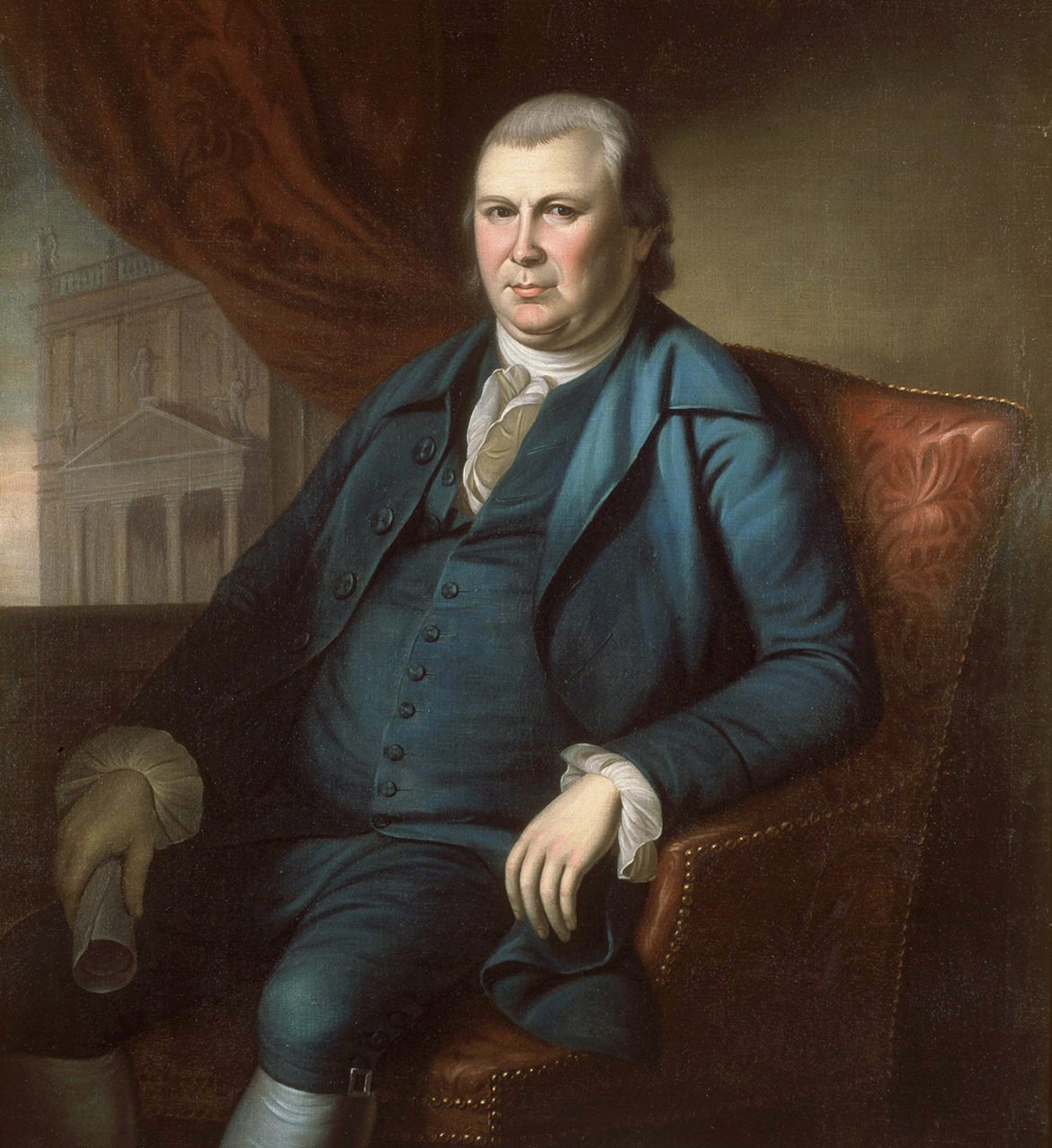
To call Robert Morris “a political renaissance man” would be an understatement. He was vice president of the Pennsylvania Committee of Safety (1775–76) and was a member of the Continental Congress (1775–78) as well as a member of the Pennsylvania legislature (1778–79, 1780–81, 1785–86). Morris practically controlled the financial operations of the Revolutionary War from 1776 to 1783. He was a delegate to the Constitutional Convention (1787) and served in the U.S. Senate (1789–95). Perhaps most impressive is the fact that he signed the Declaration of Independence and the Articles of Confederation and later signed the U.S. Constitution.
At the start of the war Robert Morris was one of the wealthiest men in the colonies, but he would go on to claim bankruptcy after some catastrophic decisions. To fully appreciate the contributions of Robert Morris we must go back and examine him from the beginning.
Robert Morris
Robert Morris was born on January 31, 1734, in Liverpool, England, the son of Robert Morris, Sr., and Elizabeth Murphet Morris. His mother died when he was only two and he was raised by his grandmother. Morris’ father immigrated to the colonies in 1700, settled in Maryland and in 1738 he began a successful career working for Foster, Cunliffe and Sons of Liverpool. His job was to purchase and ship tobacco back to England. Morris Sr. was known for his ingenuity, and he was the creator of the tobacco inspection law. He was also regarded as an inventive merchant and was the first to keep his accounts in money rather than in gallons, pounds, or yards.
In 1750 tragedy would once again strike the Morris family. In July Morris Sr. hosted a dinner party aboard one of the company’s ships. As he prepared to depart a farewell salute was fired from the ship’s cannon and wadding from the shot burst through the side of the boat and severely injured him. He died a few days later of blood poisoning on July 12, 1750. The tragedy had a terrible effect on Morris who became an orphan at the age of 16. Looking for a change he left Maryland for Philadelphia in 1748. He was taken under the wing of his father’s friend, Mr. Greenway, who filled the gap left by the death of Morris’ father. Raised with a tremendous work ethic Morris flourished as a clerk at the merchant firm of Charles Willing & Co.
Following in his father’s footsteps Morris was also gifted with successful ingenuity. In his twenties he took his earnings and joined a few friends in establishing the London Coffee House. (Today the Philadelphia Stock Exchange claims the coffee house as its origin.) Morris was sent as a ship’s captain on a trading mission to Jamaica during the Seven Years War (1756-1763). He was captured by a group of French Privateers but managed to escape to Cuba where he remained until an American ship arrived in Havana. Only then was he able to secure safe passage back to Philadelphia.
Shortly after Morris’ return to the colonies Willing retired and handed the firm over to his son Thomas who offered him a partnership. This resulted in the formation of Willing, Morris & Co. The firm boasted three ships that were dispatched to the West Indies and England importing British cargo and exporting American goods. This relationship lasted for over 40 years and was immensely successful. At one point, Morris was ranked by the Encyclopedia of American Wealth, along with Charles Carroll of Carrollton, as the two wealthiest signers of the Declaration of Independence.
As influential merchants, Morris and Willing disagreed with the changes in tax policy. In 1765, the Stamp Act was passed and was met with massive resistance. Morris was at the forefront and led protests in the streets. His fervor was so striking that he convinced the stamp collector to suspend his post and return the stamps back to their origin. The tax collector stated that if he had not complied, he feared his house would have been torn down “brick by brick.” In 1769, the partners organized the first non-importation agreement, which forever ended the slave trade in the Philadelphia region.
Morris married Mary White on March 2, 1769, and they had seven children. In 1770, he bought an eighty-acre farm on the eastern bank of the Schuylkill River where he built a home he named “The Hills.” Due to his growing reputation Morris was asked to be a warden of the port of Philadelphia. Showing his tenacity, he convinced the captain of a tea ship to return to England in 1775.
Later on, Morris was appointed to the Model Treaty Committee following Richard Henry Lee’s resolution for independence on June 7, 1776. The resulting treaty projected international relations based on free trade and not political alliance. The treaty was eventually taken to Paris by Benjamin Franklin who transformed it into the Treaty of Alliance which was made possible by the Continental Army’s victory at Yorktown in 1781.
Scholars disagree as to whether Morris was present on July 4 when the Declaration of Independence was approved. But when it came time to sign the Declaration on August 2 he did so. Morris boldly stated that it was “the duty of every individual to act his part in whatever station his country may call him to in hours of difficulty, danger and distress.” Until peace was achieved in 1783, Morris performed services in support of the war. His efforts earned him the moniker of “Financier of the Revolution.”
Michael is the author of “The Letters of Robert Morris: Founding Father and Revolutionary Financier.“
Join us this Sunday, December 14th at 7pm as we return LIVE for this Rev War Revelry on the Canadian Campaign of 1775. We will discuss Arnold, Montgomery, Morgan and others on America’s attempt to capture Montreal, Quebec and create a “14th state.” From Arnold’s arduous march to Quebec through the wilds of Maine to Montgomery’s capture of Montreal, our historians Alex Cain and Mike Cecere will cover the entire campaign and answer the question “was the capture of Canada possible?”
This fall and winter mark the 250th anniversary of the campaign and the battles of Montreal and Quebec, and both of our speakers have taken part in the commemorative events. Grab a drink and watch live on our Facebook page, also add questions in the chat.
Approximately two months after waging the defense of Breed’s Hill, on the Charlestown peninsula, against the British, Colonel William Prescott put quill to paper to write to John Adams. In this communique, he discussed the action at Breed’s Hill, known as the Battle of Bunker Hill, fought on June 17, 1775, to his fellow Massachusetts native. Take note that he even wrote his account about the orders he received and which hill that missive directed him to. Since the waft of smoke has drifted from the battle on that June day, veterans, officers, and historians have debated why Prescott and company chose Breed’s Hill instead of Bunker Hill. This letter is just another wrinkle in that timeless debate.
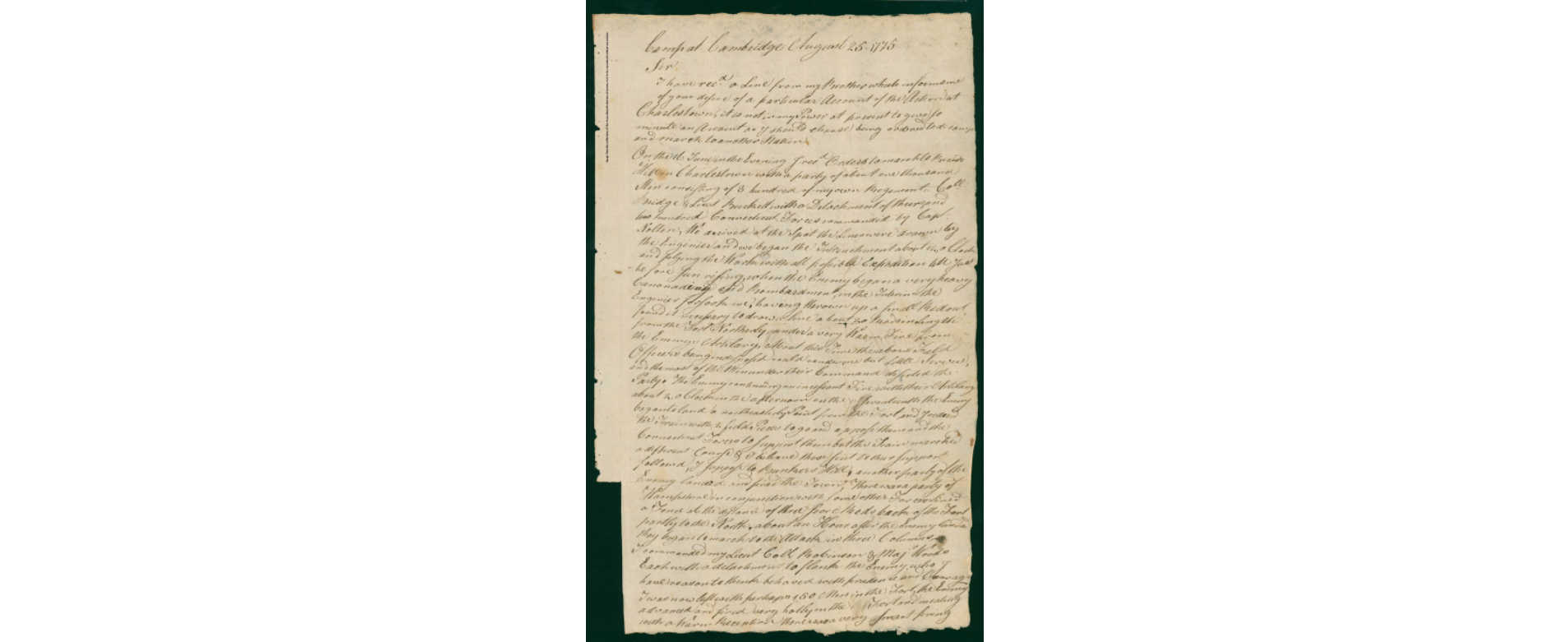
Camp at Cambridge August 25.1775
Sir
I have recd. a Line from my Brother which informs me of your desire of a particular Account of the Action at Charlestown, it is not in my Power at present to give so minute an Account as I should choose being ordered to decamp and march to another Station.
On the 16 June in the Evening I recd. Orders to march to Breeds Hill in Charlestown with a party of about one thousand Men consisting of 3 hundred of my own Regiment, Coll. Bridge & Lieut Breckett with a Detachment of theirs, and two hundred Connecticut Forces commanded by Capt. Nolten, We arrived at the Spot the Lines were drawn by the Enginier and we began the Intrenchmant about 12, o Clock and plying the Work with all possible Expodition till Just before sun rising, when the Enemy began a very heavy Canonading and Bombardment, in the Interin [Interim] the Enginier forsook me, having thrown up a small Redout, found it necessary to draw a Line about 20 Rods in length from the Fort Northerly, under a very Warm Fire from the Enemys Artilary, About this Time the above Field Officers being indisposed could render me but Little Service, and the most of the Men under their Command deserted the Party. The Enemy continueing an incessant Fire with their Artilary. about 2, o Clock in the afternoon on the seventeenth the Enemy began to land a northeasterly Point from the Fort, and I orderd the Train with 2 field Pieces to go and oppose them and the Connecticut Forces to support them but the Train marched a different Course & I believe those sent to their support followd, I suppose to Bunkers Hill, another party of the Enemy landed and fired the Town, There was a party of Hampshire in conjunction with some other Forces Lined a Fence at the distance of three score Rods back of the Fort partly to the North, about an Hour after the Enemy landed they began to march to the Attack in three Columns, I commanded my Lieut Coll. Robinson & Majr. Woods Each with a detachment to flank the Enemy, who I have reason to think behaved with prudence and Courage.
I was now left with perhaps 150 Men in the Fort, the Enemy advanced and fired very hotly on the Fort and meating with a Warm Reception there was a very smart firing on both sides. after a considerable Time finding our Amunition was almost spent I commanded a sessation till the Enemy advanced within 30 yards when we gave them such a hot fire, that the [y] were obliged to retire nearly 150 yards before they could Rally and come again to the Attack. Our Amunition being nea [r ]ly exaustid could keep up only a scattering Fire. The Enemy being numerous surrounded our little Fort began to mount our Lines and enter the Fort with their Bayonets, we was obliged to retreat through them while they kept up as hot a fire as it was possible for them to make we having very few Bayonets could make no resistance, we kept the fort about one hour and twenty Minutes after the Attack with small Arms, This is nearly the State of Facts tho’ imperfect & too general which if any ways satisfactory to you will afford pleasure to your most obedient humble Servt.
William Prescott To the honble John Adams Esqr.
Image of original letter from Prescott to Adams, courtesy of Massachusetts Historical Society
Emerging Revolutionary War welcomes guest historian David Stowe.
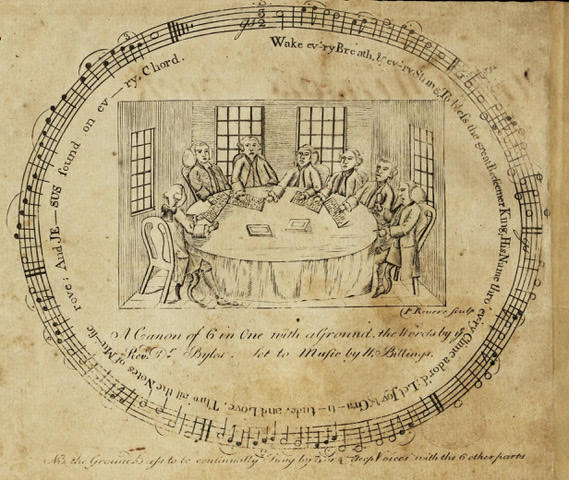
William Billings looked like an oaf, wrote poetry, snuffed small fistfuls of tobacco in company, taught himself to write music, was a street-cleaner, was an artist.
-David McKay and Richard Crawford, William Billings of Boston (1980)
I knew I wanted to write a book about William Billings. I just wasn’t sure which kind would be possible. I’ve been writing about the quirky Boston composer since my second book, How Sweet the Sound (2004) and always find more to say about him. His colorful adaptation of a Hebrew psalm to the American Revolutionary cause helped fuel my interest in what became Song of Exile: The Enduring Mystery of Psalm 137 (2016).
So how did I come to write a historical novel about him?
Partly because I came to the end of my sources and didn’t have nearly enough to tell the story I thought he deserved. There were many parts of Billings’s experience, including the most important ones, I’d never have access to. But his life was too rich and interesting to leave alone. So I was left with no choice but to make it up.
There were some other, possibly better reasons. One had to do with audience.
Emerging Revolutionary War welcomes guest historian Kenneth Bancroft
“Nothing but War is talked of…This cannot be redressing grievances, it is open rebellion…”1
250 years ago on October 20, 1775 a 25 year old Englishman wrote these words in Alexandria, Virginia, noting that “everything is in confusion…soon they will declare Independence.”2.Nicholas Cresswell had arrived in America a year and a half prior to that entry in a journal that he kept to chronicle his venture to “shape his course in the world” and set up a new life inVirginia, “as I like the situation of that Colony the best.”3 He was aware of grumblings from colonials, but his focus was on land and his adventure had him traveling and trading with the Native Americans in the Ohio country and experiencing the slave culture in the colonies, especially the horrific sugar plantations in Barbados.
But what his journal is most known for is his observations and critique of the revolutionary world from Virginia to New York in 1774 through 1777. Cresswell’s misfortune, among others, was that he arrived in America seeking opportunity just as the Imperial Crisis over the Intolerable Acts had began. News of, and reaction to the closure of the port of Boston frequently disrupted his schemes and social life. As an Englishman still loyal to the Crown, his Revolutionary War journal offers a unique outsider look at the costs of the conflict in the country and towns as opposed to the more common tomes of soldier life.
“No prospect of getting home this winter, as I am suspected of being a Spy.”4 Cresswell’s tenure in America was tenuous. Unsuccessful in trying to establish himself with land and basically broke, he blamed his misfortune on the “Liberty Mad”5 political climate that considered him a ‘Tory’ who would not commit to the cause. His penchant for getting into drunken political arguments did not help and kept getting him in trouble with local Committees of Safety.
“Am determined to make my escape the first opportunity.”6By that point Cresswell knew it was time to forgo his quest and return to England, but the question was how, especially with non- importation measures and the war closing ports. What followed next for Cresswell was an amazing account of encounters with revolutionary notables and locations such as Thomas Jefferson, Patrick Henry, and British General Howe in Philadelphia, Williamsburg, and New York respectively. Ultimately, Cresswell was able to secure passage back to England where he reluctantly picked up where he left off by order of his father to “shear or bind corn.”7
1 Nicholas Cresswell, The Journals of Nicholas Cresswell, 1774-1777, (North Charleston, South Carolina: reprinted 2024), 97.
The Journals of Nicholas Cresswell was first published in 1924 and offers a candid account of the American Revolution from a viewpoint not typically explored. Its accounts of mustering militia, salt shortages, political pulpits, and anti-Tory riots and fights add color to our revolutionary origins. Add to that Cresswell’s experiences with the Native Americans in the Ohio country and the plantations in Barbados which further inform our understanding of our colonial past. Join Cresswell’s journey! To read more about Cresswell’s journey click here. The blog is an online platform and resource to follow his daily posts as they occurred 250 years ago. Keyword search features and research links are featured as well. Follow along on Facebook, too, at Nicholas Cresswell Journals.
Emerging Revolutionary War welcomes back guest historian Avellina Balestri
As I have increased research and work on my American Revolution trilogy All Ye That Pass By, I have noticed a trend towards making this particular season between the anniversary of Nathan Hale’s hanging (September 22, 1776) and John Andre’s hanging (October 2, 1780) into a strange sort of macabre festival I have dubbed “Hangemtide.” I suppose one could consider it a sort of Halloween for historical enthusiasts, as the autumnal chill starts to creep into the air, greenery dies, and horror releases hit the market. But a strange pseudo-religious reality I have observed is a tendency to treat these hangings as secular passion plays of a kind, connected by a secular Advent calendar of daily memorials, with the overarching takeaway being a strange sense of catharsis for the salvation of a newborn nation.
As a Catholic, I very well know the thematic beats, and I can sense them in an unsettling way in these commemorations. We must have our scapegoat; a man, or two, must die so the nation might live in our origin myth. But though the narrative may comfortably place Hale as the first Christ-figure, it uncomfortably assures that Andre is the second. We as the audience, while intended to shed tears for the first, are meant to bay for the blood of the second. Perhaps we may pity him in passing moments, but never so much that we truly desire him to be spared. His death is a foregone conclusion of the ritual which must be affirmed. We are recalling the traditional readings on Passion Sunday, and hardly realize it. We have, perhaps, lost the much greater plot of Christianity, that in the death of each, the other perishes, and in every death, we partake, in the killing and the dying, and in every human catastrophe, there is planted the original Passion Tree, no less in the past than in the present. History is not safe from our iniquity, nor from grace breaking in upon it, oftentimes painfully.
Touching back upon the historical events being remembered according to our national needs, I have often gently chided friends involved in “Hangentide” that I am ever on call to be the defense lawyer Major Andre never got should they wish to shuttle me into the past on circuit. I do not intend to make that defense the core of my current thesis, but put simply, I believe that if he had received a proper legal defense, Andre may well have had his sentence reduced based on extenuating circumstances. But that was not to be, because it could not be, not in the narrative as it is presented to us over and over again. This was a necessary death; a payment to Justice itself. It is language used to mask what was essentially a revenge hanging for both Hale’s execution at the hands of Crown forces and Arnold’s betrayal of the revolution for hard cold coin. The true foundation stone of “Hangemtide” is a satisfaction we are meant to share in nearly 250-year-old retribution. It is meant to, in some way, bring the country together through our most primal tribal instinct. But does it?
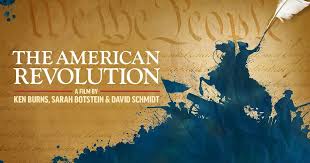
Starting on Sunday, November 16, 2025 PBS will air the much anticipated “The American Revolution” documentary. The 12 hour documentary will run every night from 8pm-10pm, Sunday through Friday (November 21st). Years in the making, the documentary coincides with the 250th anniversary of the American Revolution and the birth of our nation.
We are excited to announce that every night during the documentary at 10pm, Emerging Revolutionary War will live stream a discussion on our Facebook page with ERW historians discussing that night’s episode. You can join in via the online chat to ask questions and respond to our reviews of each episode. There will be different historians on each night, so tune in and join the lively discussion!



 Emerging Revolutionary War Era