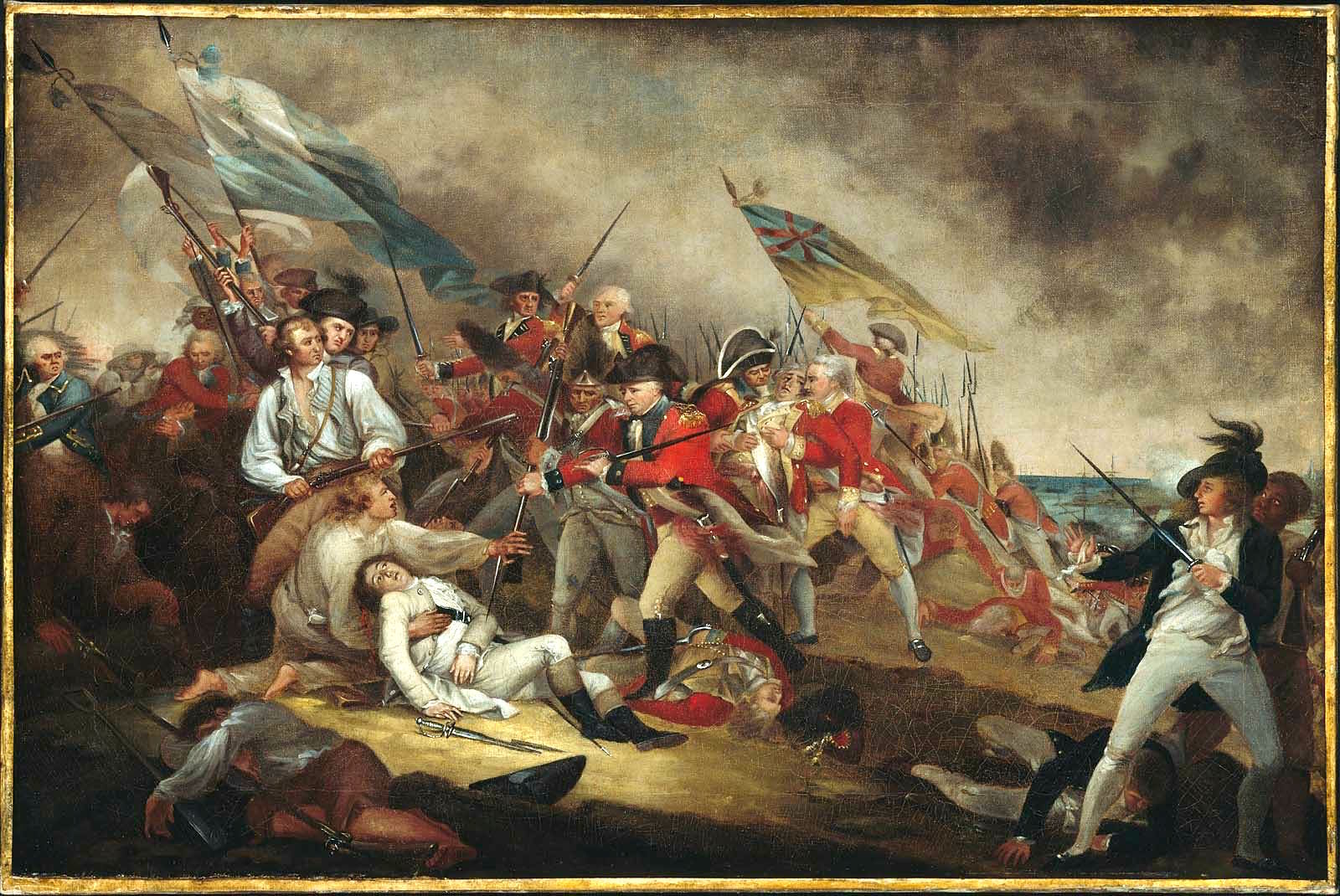
On Tuesday, the 250th anniversary of the Battle of Bunker Hill, fought on Breed’s Hill on Charlestown Peninsula, will be remembered. On June 17, 1775, the last major engagement before George Washington arrived in Massachusetts to take command was fought between militia under Colonel William Prescott and British forces under General William Howe. Although a defeat for the patriots, resulting in the death of Dr. Joseph Warren, the victory was a pyrrhic one for the British.
Join Emerging Revolutionary War historians as they discuss the engagement, the personas, and the ramifications of the Battle of Bunker Hill. Also, stay tuned until the end for an announcement as well.
So, two days before the 250th, grab your favorite beverage and tune into our Facebook page at 7 p.m. EDT and have your questions ready. If you are unable to attend the live on Sunday evening, don’t fret, the video will be posted to YouTube by the anniversary and to our podcast channel as soon as possible
Emerging Revolutionary War welcomes guest historian Riley Sullivan, Professor of History at San Jacinto College in Houston, Texas.
While many might be familiar with famed engagements at places like Bunker Hill, Saratoga, and Yorktown during the Revolutionary War, few are familiar with the actions that took place near New London, Connecticut in September of 1781. However, for the people of Connecticut, the battles that took place near Groton Heights and New London have been immortalized as a campaign highlighted by treachery and massacre. Largely, this interpretation has been adopted due to the commander of the British forces who engaged in this raid, Benedict Arnold.
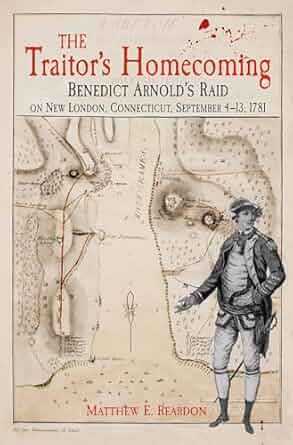
Perhaps no other name in American History brings about more scorn than that of Benedict Arnold. Having defected to the British cause late in the Revolutionary War, for Americans at the time–and even today–he is viewed as a modern day Judas. However, with such infamy ultimately comes much misinterpretation of this historical figure and the events he was involved in. In Matthew E. Reardon’s recent study The Traitor’s Homecoming, he attempts to undo much of this misinterpretation. Drawing on previously unused primary sources, Reardon constructs an engaging argument that challenges the traditional view of Arnold’s conduct in the New London raid.
To construct this narrative of the New London raid, Reardon attempts to place into context the setting of the New London raid. By this stage in the war, the conflict in New York had been a state of stalemate for the previous few years. However, with Generals Washington and Rochambeu’s combined Franco-American forces on the move, the British commander in the region, Henry Clinton—informed by faulty intelligence as Reardon demonstrated—was convinced that an attack on New York was imminent. As a result, to divert Washington’s attention away from a possible attack on New York, Clinton authorized Arnold to lead a contingent of British troops to attack the vulnerable Connecticut coastline.
New London made the ideal target for a British raid as it had been a hotbed for commerce and privateering for the Patriot cause. To conduct such a raid, Clinton turned to Arnold as he was both a native of Connecticut and familiar with the New London area. Largely only being contested by militia behind a number of forts that guarded approaches to both the town and the Thames River, Arnold’s combined force of Loyalists, Hessian Jaegers, and British regulars made quick work of the Patriot militia throughout the campaign. Even with New London in their hands, outside events–notably Clinton’s realization that Washington was moving on Cornwallis at Yorktown–led to Arnold having to relinquish his gains. However, with the high casualties suffered by both sides during the raid, coupled with the burning of much of the town, the events “cemented Benedict Arnold’s reputation for villainy.” (x)
When considering the traditional interpretation of Arnold’s raid on New London, Reardon makes it clear throughout his work that a “distorted interpretation” of the events had emerged (ix). From veterans to the Groton Battle Monument at Fort Griswold Battlefield State Park, the events that took place in Connecticut in 1781 have been enshrined as a massacre of Connecticut militia at the hands of Arnold. However, when looking at contemporary letters, diaries, and later pension records, Reardon demonstrates that there are some noticeable gaps within the traditional account of this campaign. In particular, when examining the death of Colonel William Ledyard–who was alleged to have been killed while attempting to surrender–Reardon concluded that through these sources, the traditional accounts accepted proved to be inconsistent with contemporary accounts of the campaign.
But, even with these inconsistencies, this is not to say that the fighting at Fort Griswold and the subsequent burning of New London was less than brutal. Reardon wrote that “the immediate reaction of the community was shock” and that “for many it was beyond comprehension.” (339) To no surprise, this sheer shock of the fighting coupled with Arnold’s involvement led to this distorted narrative of the campaign.
Through the examination of contemporary letters, diaries, and later pension applications, Reardon is able to reconstruct in great detail the events of Arnold’s New London raid and offer an unbiased narrative. By providing these fresh sources in The Traitor’s Homecoming, Reardon effectively builds on the existing literature of the subject and demonstrates how public perception can lead to the misinterpretation of historical events like that of the New London raid.
Details:
Matthew E. Reardon, The Traitor’s Homecoming: Benedict Arnold’s Raid on New London, Connecticut, September 4-13, 1781. Published by: Savas Beatie LLC. Summer 2024. 448 Pages.
*Check out Emerging Revolutionary War’s YouTube page as well for a “Rev War Revelry” interview with author Matthew E. Reardon.*
Following the initial skirmishes at Lexington and Concord on April 19, 1775, colonial militias from throughout New England converged around Boston, with the area of Cambridge and Roxbury serving as the epicenters of the camps. These New England militia effectively layed siege to the city where British General Thomas Gage concentrated after April 19th. The British, cut off from the countryside, relied heavily on supplies brought in by sea. At the same time, American forces were eager to secure resources and deny the British any additional supplies from nearby coastal areas.
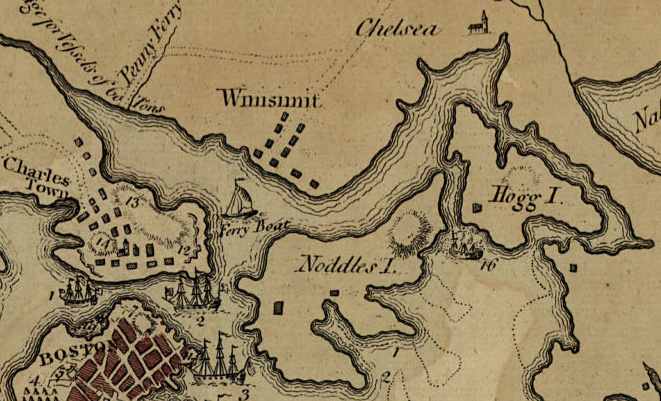
The location of the HMS Diana is marked with “16” on the map
One such resource-rich area was Noddle’s Island and Hog Island both located in Boston Harbor. These islands contained valuable livestock and hay, which the British had been attempting to secure to feed their troops and horses. American intelligence reported that the British were planning to remove these resources, prompting a proactive operation by the colonial forces to beat them to it.
In early May, Dr. Joseph Warren led a group inspecting the islands and recognized their imporance. As part of the Massachusetts Committee of Safety, Warren led the effort for a reslolution to be passed to either capture or destroy the supplies on the islands. On May 14th, the Committee stated “Resolved, as their opinion, that all the live stock be taken from Noddle’s Island and Hog Island, and from that part of Chelsea near the sea coast, and be driven back; and that the execution of this business be committed to the selectmen of the towns of Medford, Malden, Chelsea, and Lynn, and that they be supplied with such a number of men, as they shall need, from the regiments now at Medford.” Soon the commander of the New England army around Boston, General Artemas Ward, put a plan in motion to quickly strike both islands.
The American expedition was led by Colonel John Stark and Colonel Israel Putnam, both future generals in the Continental Army. The colonial forces, primarily composed of New Hampshire and Massachusetts militias, planned a nighttime amphibious raid to remove the livestock and destroy hay supplies that might benefit the British. On the night of May 27, colonial forces quietly moved onto Hog Island and began driving off livestock and burning haystacks. British forces, stationed in Boston and alerted to the colonial activity, responded by dispatching marines and the British schooner HMS Diana, a lightly armed but maneuverable vessel well-suited for operations in the shallow waters of the harbor.
As the colonists worked to transport livestock to the mainland, they encountered resistance from British marines who had landed on Noddle’s Island and began advancing toward their position. A sharp skirmish ensued, during which the American militia used the terrain to their advantage, fighting from behind trees, stone walls, and other natural cover. The colonial forces managed to repel the British marines, inflicting casualties and forcing a retreat.
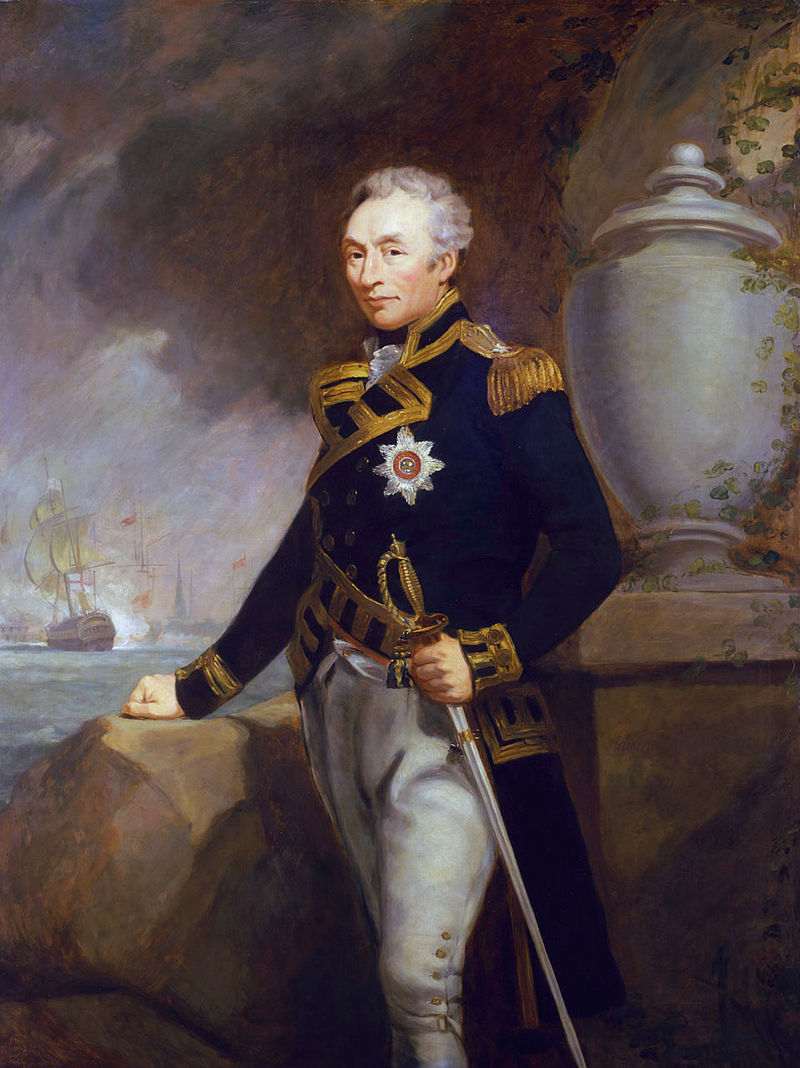
Lieutenant Thomas Graves (nephew of Vice Admiral Samuel Graves) commander of the HMS Diana. Shown in his rear admiral uniform in ca. 1801. Often confused with Lord Thomas Graves, British commander during the Battle of the Capes
The turning point of the engagement came with the involvement of the HMS Diana. The schooner attempted to support the marines by moving up the narrow Chelsea Creek to engage the colonial militia and cut off their withdrawal. However, as the tide receded and the ship ventured too far inland, it became grounded in the shallow, muddy waters.
Seeing an opportunity, the colonists brought up field artillery from shore and opened fire on the stranded vessel. Over the course of the battle, they subjected the Diana to intense musket and cannon fire. Unable to refloat the ship due to the falling tide and increasing colonial pressure, the British crew was forced to abandon it. American forces quickly boarded the vessel, stripped it of usable supplies, weaponry and its 76 foot mast, and then set it ablaze, destroying the schooner completely.
The Battle of Chelsea Creek resulted in a clear American victory, both strategically and psychologically. The destruction of the HMS Diana marked the first loss of a Royal Navy vessel in the Revolutionary War, dealing a symbolic blow to British morale. For the colonists, it was a tangible demonstration of their ability to challenge British authority not only on land but at sea.
Major General Israel Putnam said after the fight on Chelsea Creek “I wish we could have something of this kind to do every day,”
Tactically, the victory helped to solidify American control of the Boston-area islands and limited the British army’s ability to forage for supplies. This contributed to the worsening conditions inside besieged Boston and increased pressure on General Gage. The morale boost for the colonial militias was significant; it reinforced the notion that British troops and naval forces were not invincible and that well-coordinated militia operations could succeed.
In addition, the battle was notable for showcasing early instances of American military ingenuity and leadership. Figures like Israel Putnam and John Stark went on to distinguish themselves in later battles, and the ability of the militia to effectively coordinate a land-sea operation foreshadowed the more sophisticated tactics that would develop over the course of the war. A few months later on August 1st, the mast of the HMS Diana was raised on Prospect Hill as a liberty pole. A symbol that was seen by not just the Americans around Cambridge but also the British in Boston. This location was also where legend states that George Washington ordered the first American flag, the Grand Union, to be raised on January 1, 1776.
While over shadowed by Lexington, Concord, or Bunker Hill, the Battle of Chelsea Creek played a crucial role in the early war. It helped secure the outer perimeter of the Siege of Boston, denied the British critical supplies, and emboldened the colonial cause at a time when confidence was still fragile. The success of the operation, including the destruction of the Diana, offered a dramatic image of colonial resistance and ingenuity that resonated beyond New England.
Today, the location of Noddle’s and Hog Island are gone. Nineteenth century and modern infill has completely reshaped the area from mudflats and tidal marshes to buildable land. Modern day East Boston, Winthrop and Logan Airport cover the area. The community of Somerville contines to commemorate the raising of the Grand Union flag on January 1 Diana‘s mast with a flag raising ceremony. Though mostly forgotten, the fighting along Chelsea Creek continued to embolden men like Joseph Warren and Israel Putnam and encourage their agressiveness a few weeks later on the Charlestown peninsula.
Much has been written about the “shot heard around the world,” as the poet Ralph Waldo Emerson eloquently wrote in the 19th century. Yet, what about those actual shots? The musket balls fired on April 19, 1775? What was the damage, and how does this material culture history add to our overall understanding of the events that unfolded on that fateful day? Thanks to historian Joel Bohy, who is part of a duo of historians, along with Doug Scott, we now have insight into that answer.
Using forensic techniques, seemingly straight out of CSI, the authors have done painstaking research into the bullet holes and artifacts struck by bullets to shed even more light on the events that unfolded along Battle Road, Lexington, and Concord on the first day of the American Revolution.
Join Emerging Revolutionary War for this pre-recorded “Rev War Revelry” this Sunday evening at 7 p.m. EDT with author Joel Bohy as he explains the history and research behind this book. A much-needed addition to any Revolutionary War enthusiast’s bookshelf!
We are just days away from the events in Lexington and Concord. Be sure to follow ERW here on our blog and social media pages. We will have blog content and live videos from Boston, Lexington and Concord from April 18-20, 2025. ERW will be at all the sites and events commemorating the 250th anniversary of the events leading up to and including the first shots of the war.
Also be sure to follow our good friends Alex Cain and J.L. Bell on their blogs as well, https://www.historicalnerdery.com/ and https://boston1775.blogspot.com/ These two great historians have a wealth of information on Boston, Lexington, Concord and all the events of 1775.
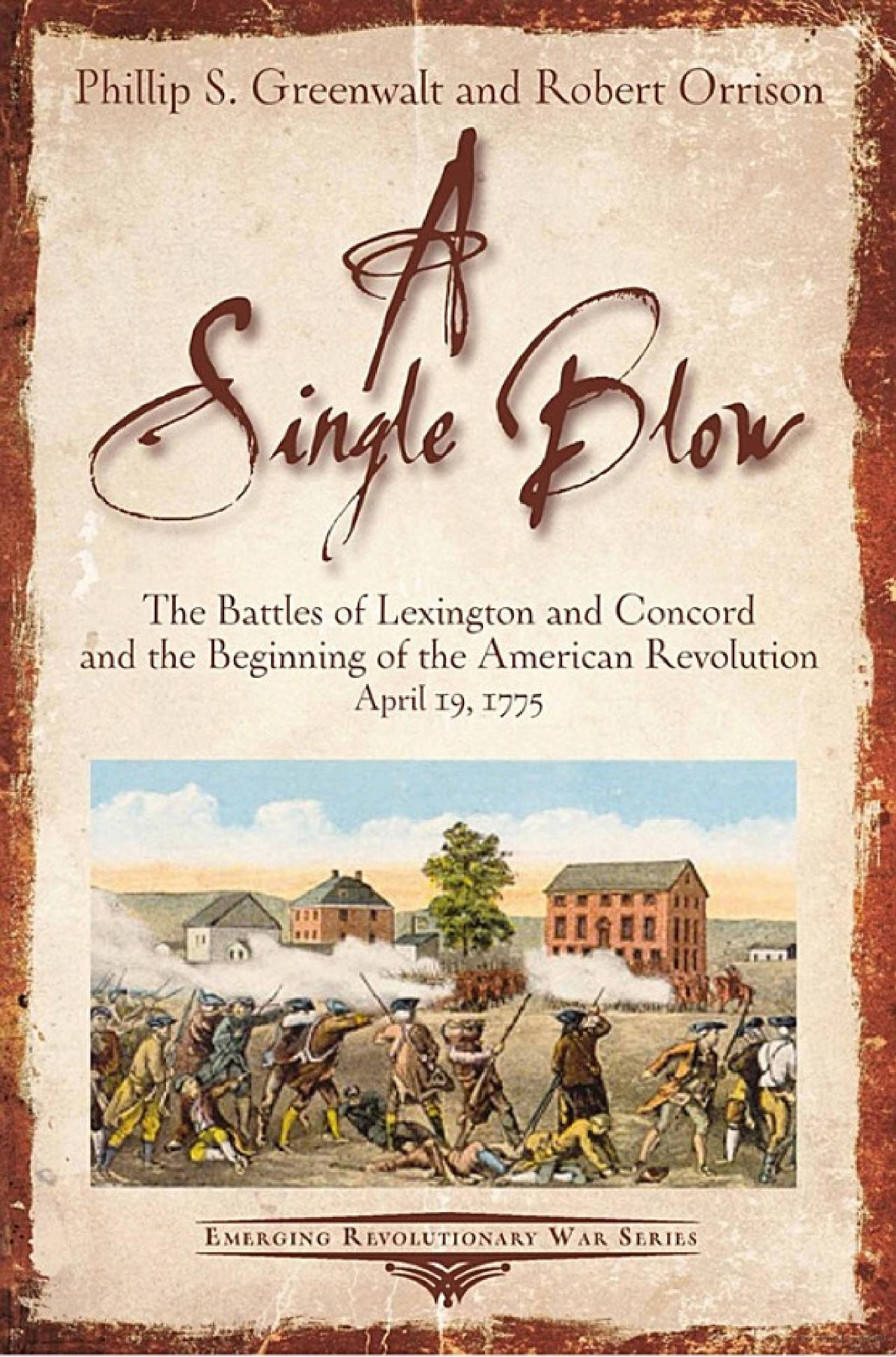
If you havent already, pick up a copy of our first ERW title, “A Single Blow: The Battles of Lexington and Concord and the Beginning of the American Revolution” by Phillip Greenwalt and Rob Orrison. Published by Savas Beatie (https://www.savasbeatie.com/a-single-blow-the-battles-of-lexington-and-concord-and-the-beginning-of-the-american-revolution-april-19-1775/ ), this book not only accounts the events of 1775 but also provides several tour guides for you to visit these locations. ERW fully believes that the best place to learn the history is where it took place.
We look forward to bringing you some great content this weekend…be prepared to have some behind the scenes looks, some guest historians and over all a fun time learning more about our great shared history.
Emerging Revolutionary War welcomes back guest historian Eric Olsen. Eric is a historian with the National Park Service at Morristown National Historical Park. Click here for more information about the site.
Years ago, while I was looking at a list of disabled Revolutionary War veterans from Rhode Island I noticed some curious things. The list didn’t provide much information. It just gave the name and age of the veteran, their disability and how they were injured. At first, I was excited because I found a couple of guys who were wounded at the battle of Springfield in June 1780. But then I noticed a number of other men whose information seemed a little odd.
Several men were listed as having lost toes. Those same men had all lost their toes at a place called Oswego. Their wounds had all occurred in February 1783. A couple of the men even had the same unusual name of “Prince.” For me this raised several questions which required more research.
Fort Ontario at Oswego in 1759
Where in the World is Oswego?
It turns out Oswego is a town in New York state on the eastern shore of Lake Ontario where it connects with the Oswego River. The name “Oswego” comes from the Iroquois word meaning “pouring out place” which is appropriate since it is where the Oswego River flows out into Lake Ontario. Heading inland, the Oswego River connects with the Oneida River which flows out of Oneida Lake.
In the 18th century lakes and rivers were the interstate highways of the day. Boats traveling on water could travel faster and carry heavier loads than wagons could on dirt roads. As a result, settlements developed along waterways and forts were built at strategic points where waterways connected.
The British originally established Oswego as a trading post on the northwest side of the mouth of the Oswego River. It was first fortified in 1727 and was known as the Fort of the Six Nations or Fort Oswego. By 1755 Fort Ontario was built on the opposite side of the river to bolster the area’s defenses during the French and Indian War. That fort was destroyed by the French in 1756 and rebuilt by the British in 1759. During the Revolutionary War, the fort was the starting point for St. Leger’s march against Fort Stanwix in 1777. Later the fort was abandoned by the British and destroyed by the Americans in 1778. The British returned and rebuilt the fort in 1782.
We reshare a post from 2018 about the Salem Alarm also known as “Leslie’s Retreat.” As we approach the 250th anniversary of this important event (February 26, 1775), we will share primary source accounts of the event. This event set the kindling for the spark that lit a war in Lexington a month later.
As events quickly spiraled out of control in the winter and spring of 1774-1775 around Massachusetts, several armed confrontations between local “Patriots” and the British army heightened tensions. On many occasions, both sides adverted open confrontation and were able to diffuse the situation. Understanding these events and how they made an impression on both sides helps explain what happened on the Lexington Common on April 19, 1775.
As soon as British General Thomas Gage arrived in Boston in the spring of 1774, he set about enforcing the newly passed “Coercive Acts.” In response to these new laws that restricted many of the rights the people of Massachusetts had grown accustomed too, local groups began to arm themselves in opposition to British authority. Even though Gage was once popular in the colonies, he soon became an enemy to those around Boston who believed the Coercive Acts were an overstep of British authority. Continue reading ““If you Fire, You’ll all be dead men” The Salem Alarm”→
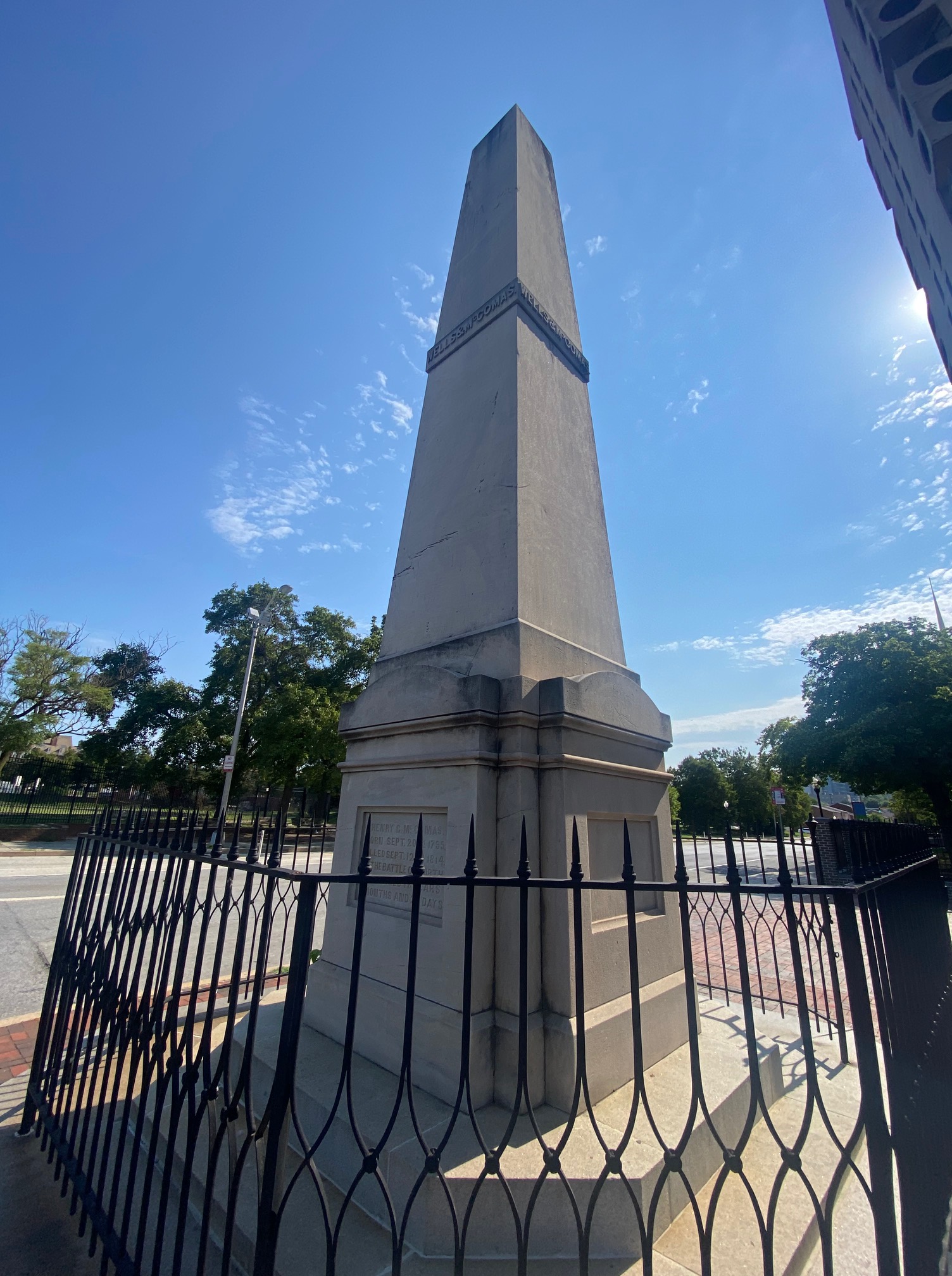
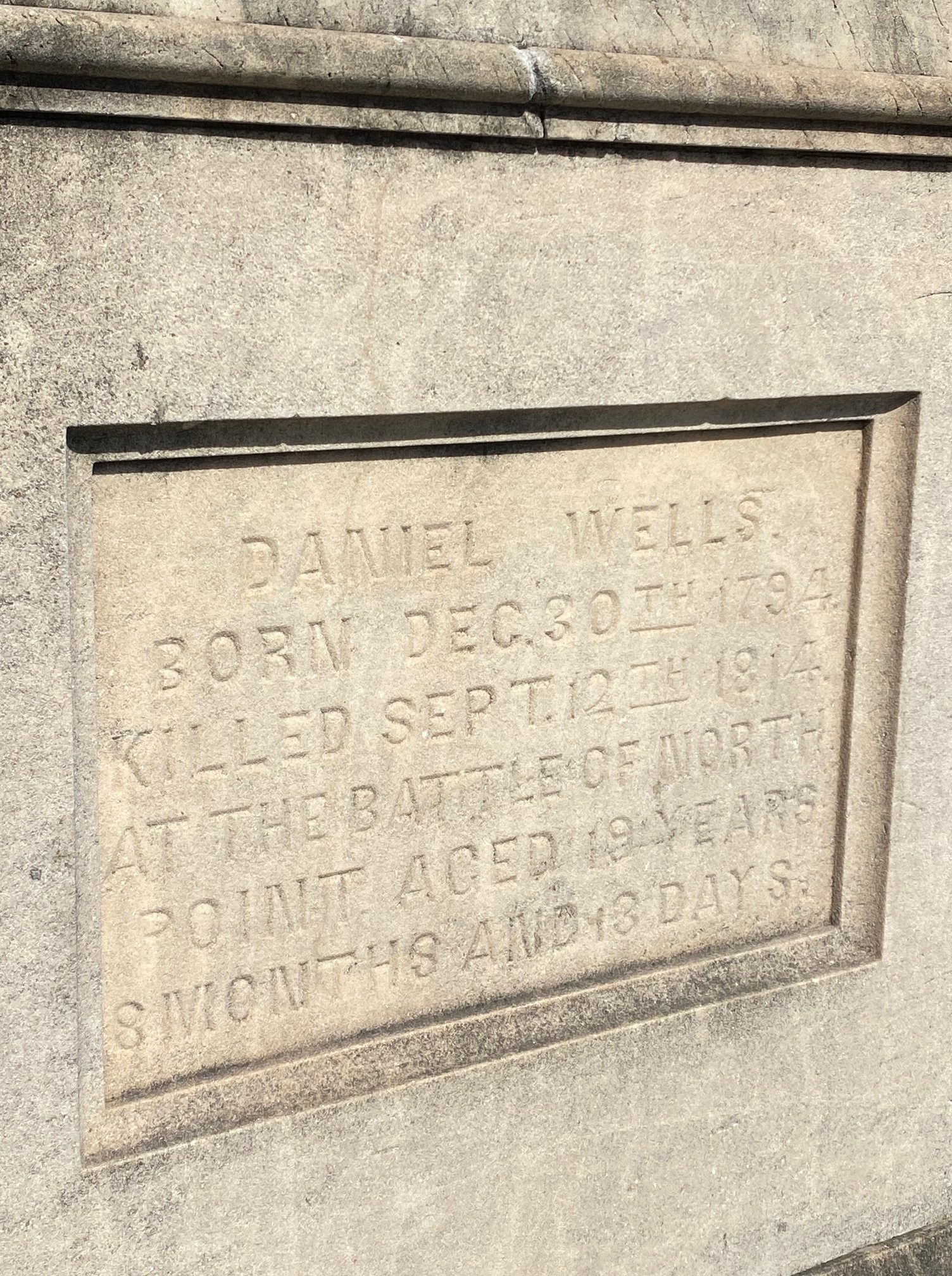
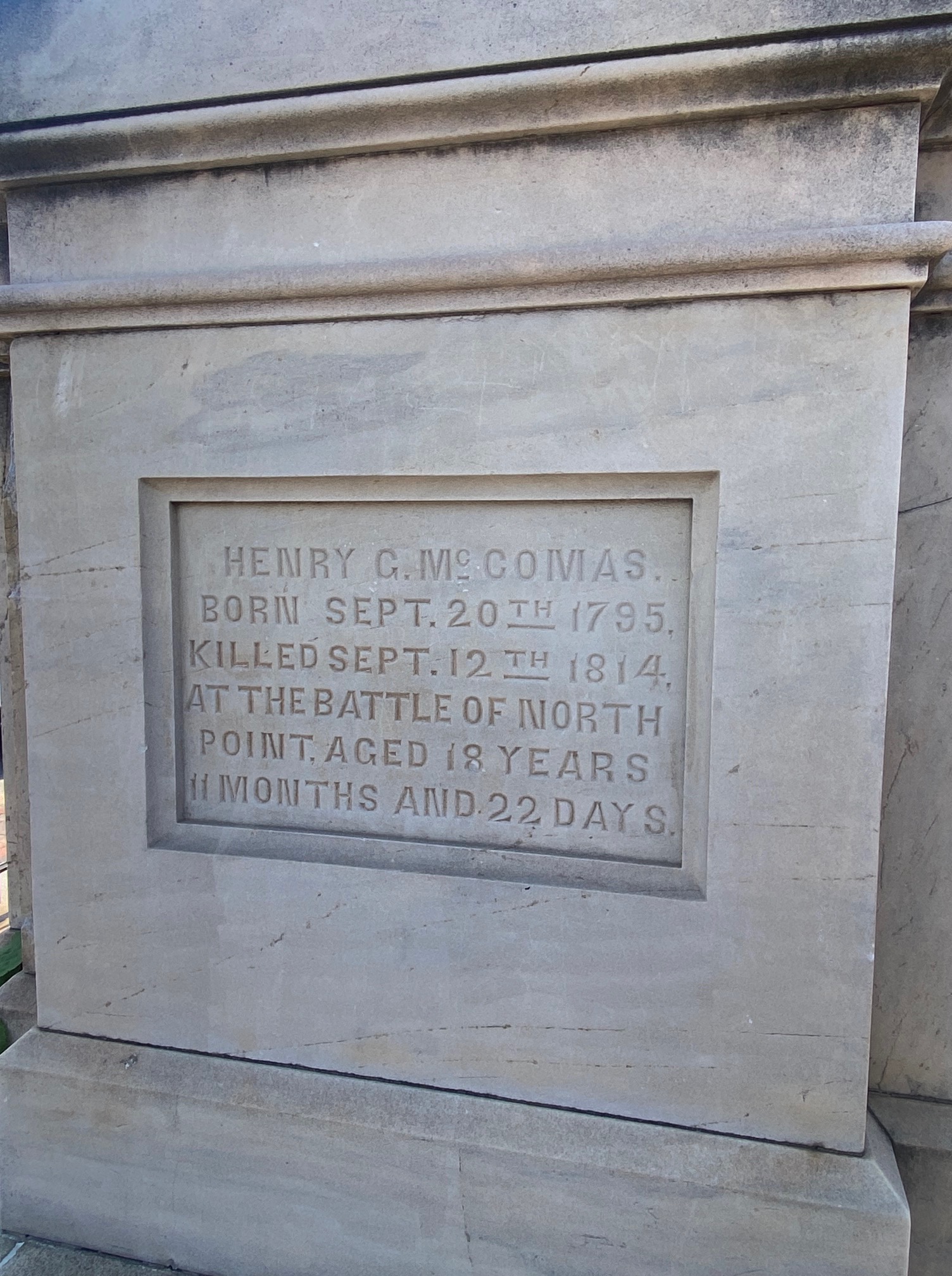
Situated along East Monument Street is a stone monument surrounded by a black iron fence. A wayside informational marker is placed right outside the fence. Underneath this monument rests the remains of Daniel Wells and Henry McComas. On September 12, 1814, one of their firearms changed the entire scope of the Battle of North Point, part of the Chesapeake Bay Campaign during the War of 1812.
Both young militia members, sent to the frontlines to skirmish and harass the approaching British infantry, fired a musket round that slammed through the left elbow and into the chest of Major General Robert Ross, British land commander, mortally wounding him. Both Wells and McComas, aged 19 and 18 respectively, would be killed during the day’s fighting. A third soldier, Aquila Randall, also slain that day, has his own small monument and crediting him with firing the fateful shot.
Although most historians credit either Wells or McComas. Both soldiers were reinterred here, the second time their remains had been moved, in 1858 when the monument was completed and a funeral song and dramatic play rounded out the day’s commemoration.
The site is part of the Star-Spangled Banner National Historic Trail. To learn more about the trail, click here.
In July 2024, Minute Man National Historical Park announced the discovery of five musket balls fired at Concord’s North Bridge on April 19, 1775. Park Ranger Jarrad Fuoss will join Emerging Revolutionary War on Sunday, January 5, 2025, at 7 pm, for a behind-the-scenes look at how the bullets were unearthed and will also provide a preview of the park’s 250th-anniversary events this April.
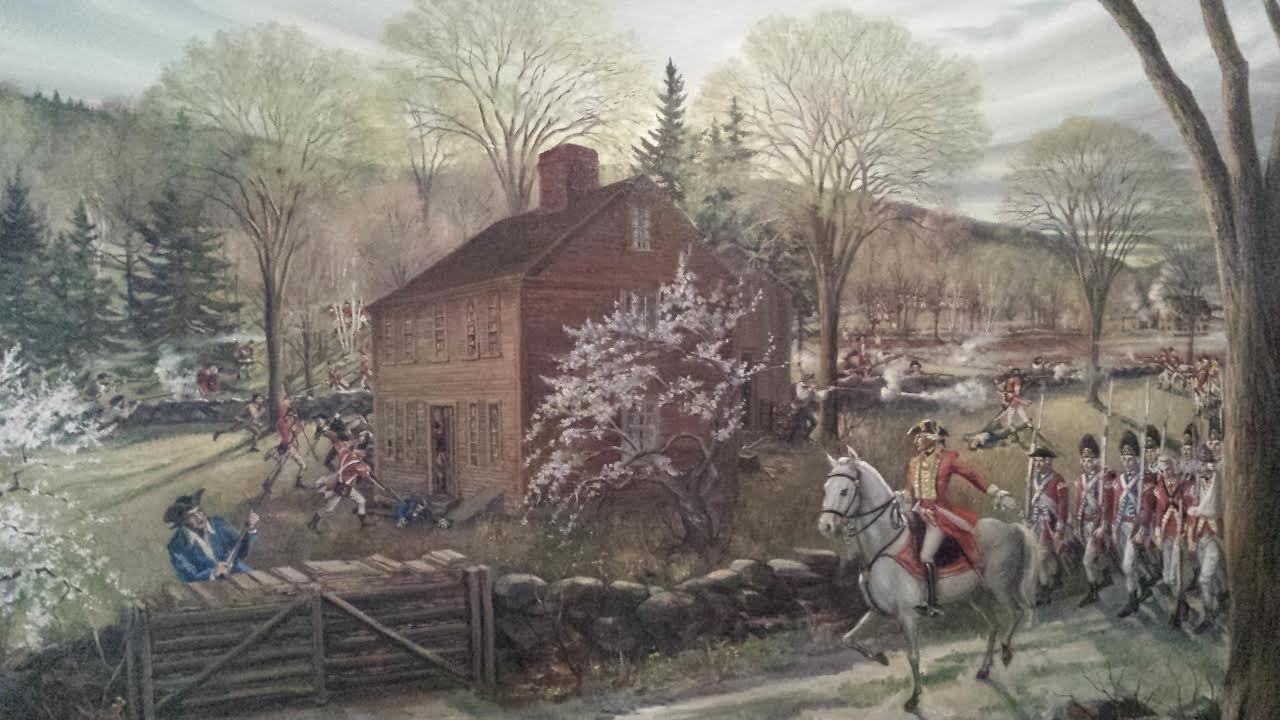
The Fight at the Jason Russell House, bicentennial painting by Ruth Linnell Berry (1974). Appearing with permission from the Arlington Historical Society.
Though the American Revolution started on the green at Lexington and North Bridge in Concord, the bloodiest part of April 19, 1775 took place in the community of Menotomy (modern day Arlington). Join us as we welcome Matt Beres from the Arlington Historical Society. We will discuss the viciousness of the fighting on the afternoon of April 19th along the road back to Boston, including stories like the Jason Russell House, Cooper Tavern and more. Join us as we talk about the much overlooked part of April 19th, 1775 as we move towards the 250th anniversary. This episode is pre-recorded and will be posted on Sunday, November 24th at 7pm on our You Tube and Facebook pages.






 Emerging Revolutionary War Era