“It is my father!”: Francis Halkett’s Mission to the Monongahela Battlefield

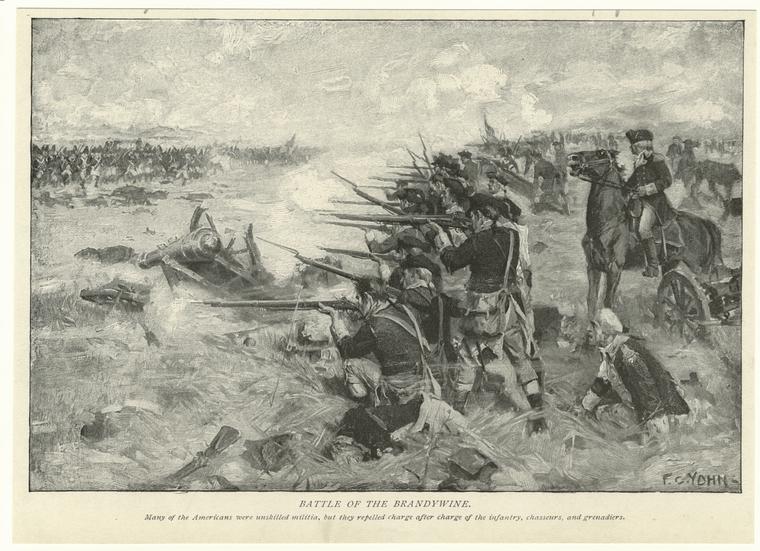
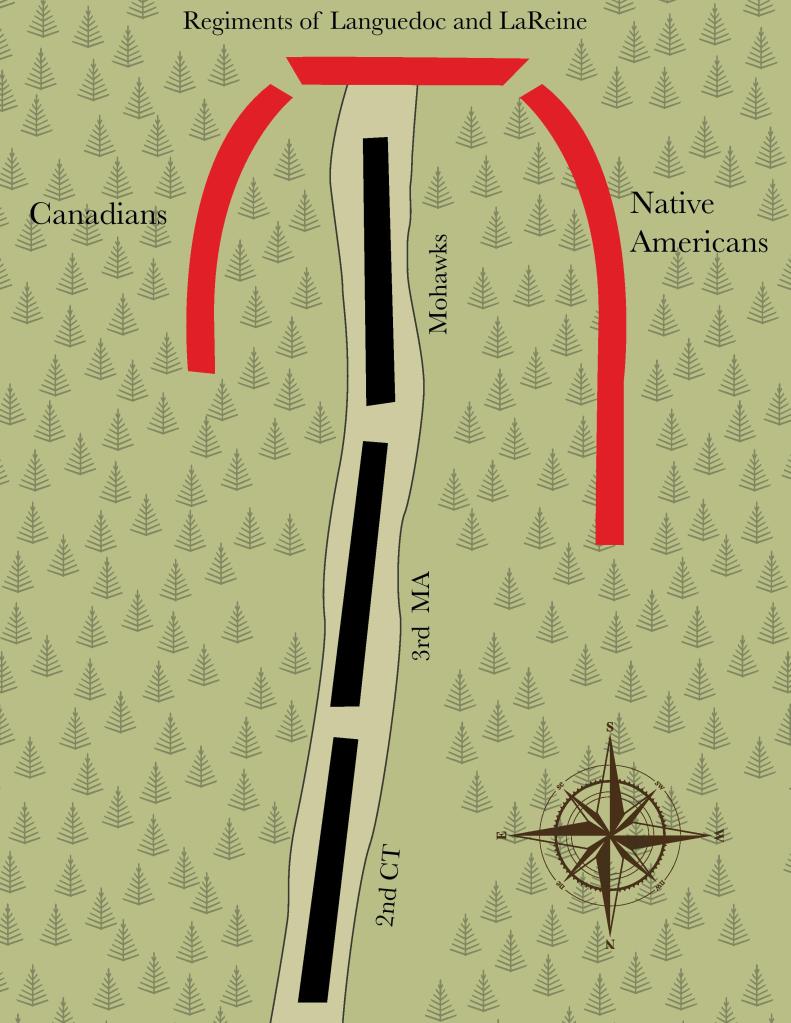
Two-hundred and sixty-three years ago, July 9, 1755, Britain suffered one of the country’s most humiliating military defeats along the banks of the Monongahela River in western Pennsylvania. Only miles away from its objective – Fort Duquesne – Maj. Gen. Edward Braddock’s army of some 1,400 men was attacked and cut to pieces by a detachment of Canadians and their Indian allies. In several hours of vicious fighting, Braddock’s force sustained over 900 casualties and was sent fleeing from the Ohio River Valley. Among the dead was the commanding officer of the 44th Regiment of Foot, Col. Peter Halkett.

Sir Peter Halkett
Col. Peter Halkett, 44th Regiment of Foot. New York Public Library

Three years following Braddock’s Defeat, another British Army trudged its way west with its crosshairs set yet again on Fort Duquesne. Accompanying General John Forbes’ expeditionary force was an officer of the 42nd Regiment of Foot, Maj. Francis Halkett – Sir Peter’s son. He had attached himself to Forbes’ command with the desire to return to the battlefield of 1755 and locate the remains of his father and younger brother, James, who served as a subaltern and was also killed in action that day. Because of the army’s hasty retreat, the British dead and dying that could not be carried from the field were left behind. It would be a near impossible task to identify the remains if any could be found, but Halkett was determined to try. Continue reading ““It is my father!”: Francis Halkett’s Mission to the Monongahela Battlefield”

Washington’s Marshals

Emerging Revolutionary War welcomes back guest historian Michael Aubrecht

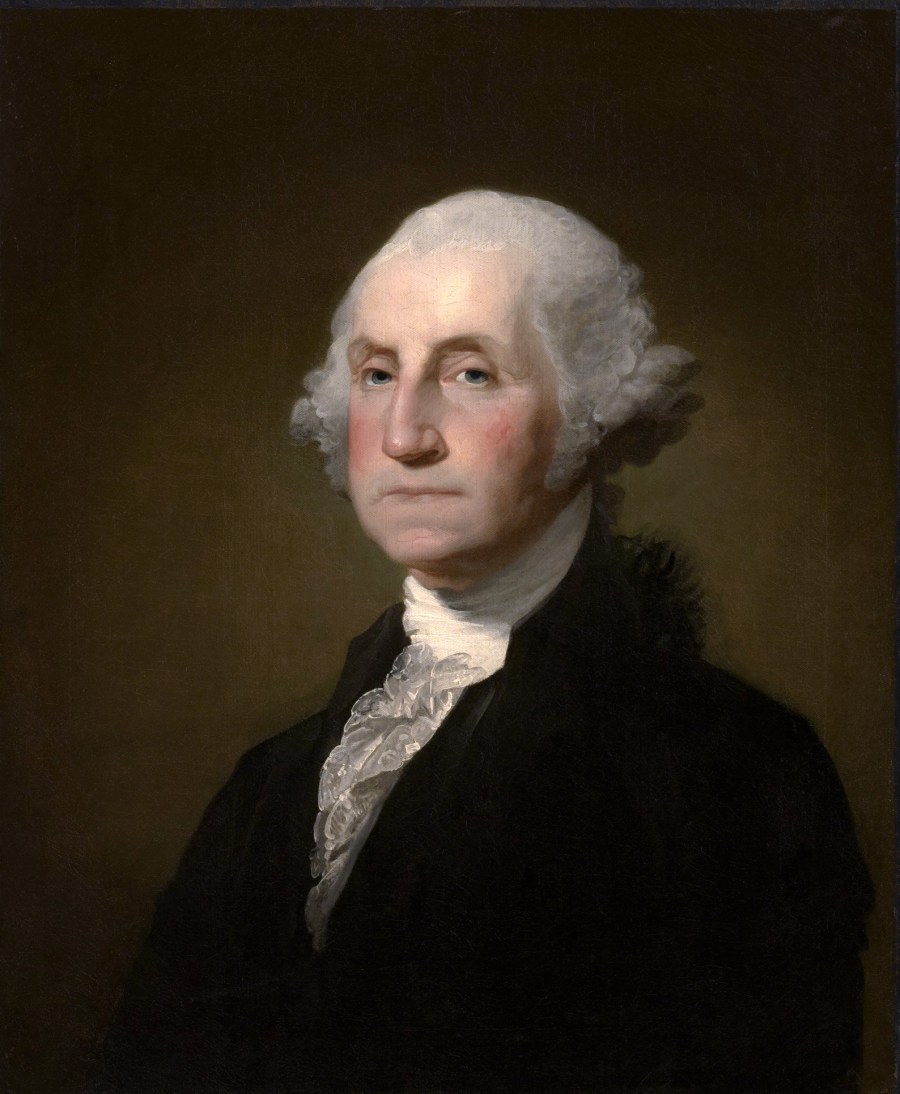
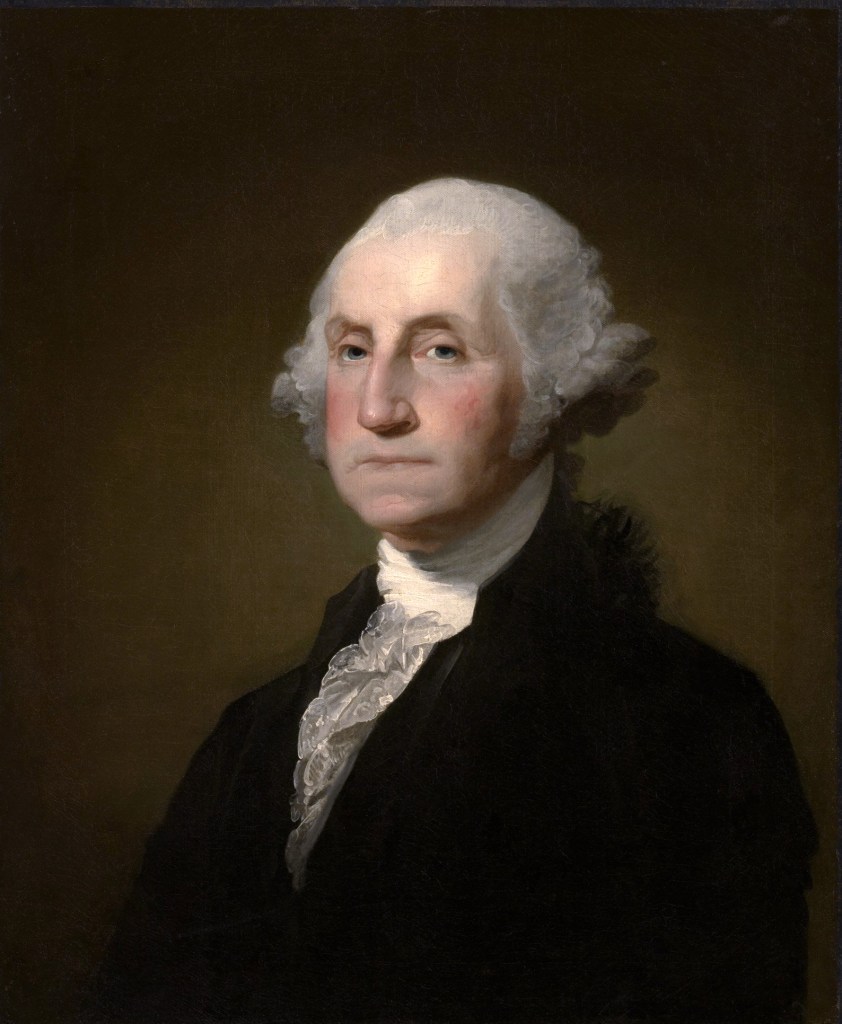
September 24 of each year is the anniversary date of the Judiciary Act of September 24, 1789. It also means that the United States Marshals Service is a year older. Along with the first federal law enforcement agency in the United States, President George Washington signaled the start of the entire federal judicial system with his signature on that date. It was a broad document covering many positions from judges to prosecutors. Sections 27 and 28 were specific to the U.S. Marshal’s roles and responsibilities. A segment of Section 27 specifically outlines their general powers. It states:

And be it further enacted, That a marshal shall be appointed in and for each district for a term of four years, but shall be to attend the district and circuit courts when sitting therein, and also the Supreme Court in the district in which that court sit. (b) And to execute throughout the district, all lawful precepts directed to him, and issued under the authority of the United States, and he shall have the power to command all necessary assistance in the execution of his duty, and to appoint as shall be occasion, one or more deputies… Continue reading “Washington’s Marshals”

Origins of a Revolutionary Orator

Studley state historical marker
State of Virginia historical marker for Studley

Nestled in Hanover County, VA, near where modern residential communities meet farm fields that have been worked for centuries, is the site of a colonial-era plantation home called Studley.  It was here on this site that Patrick Henry, the “Voice of the Revolution”, was born.

A 600-acre tobacco plantation, Studley was built in the 1720’s for its original owner, Colonel John Syme and his bride, Sarah, the former Sarah Winston.  The surrounding community, as it does today, took its name from the site. (By the mid-19th century, the Studley area was called Haws Shop, after a nearby blacksmith shop.  In the latter part of May, 1864, Union and Confederate cavalry units fought a dismounted action here just prior to the battle of Cold Harbor.  Prominent among the Union commanders engaged was Brig. Gen. George Armstrong Custer.)

Sketch of Studley
Sketch of Studley

Continue reading “Origins of a Revolutionary Orator”

Uncovering the Continental Army in Morristown

Part of an ongoing series about the Continental Army in Morristown, New Jersey. To read previous posts, click here.

All that remains is a historical marker, on the side of North Park Place across the street from Morristown Green. For a few months, between January 1777 and May 1777, in this location, the headquarters of the Continental Army was located. Within that headquarters, obviously, was George Washington.

IMG_3024
Arnold’s Tavern historic sign (author’s collection)

Although no specific date of construction exists, it is believed that Arnold’s Tavern was built by Samuel Arnold between 1735 and 1750. By the time of the American Revolution owned by the son, Colonel Jacob Arnold. The structure was three stories high, with a wide hallway that bisected the building, a front and back parlor, barroom, dining room, and kitchen. Continue reading “Uncovering the Continental Army in Morristown”

Is the Mercer Legacy Secure?

In one of the songs of the Broadway hit Hamilton, the character of Aaron Burr says: “Did ya hear the news about good old General Mercer? You know Clermont Street? They renamed it after him. The Mercer legacy is secure.”

The line is referring to Mercer Street in lower Manhattan.  Ironically, while they mention in the musical that the renaming of this street secures Mercer’s legacy, many Americans probably have never heard of General Mercer, nor do they know what his true legacy was.

hugh_mercer_jr-_study_for_the_death_of_general_mercer_at_the_battle_of_princeton_january_3_1777_1791.jpg
A drawing study John Trumbull did of Hugh Mercer for his painting of the Battle of Princeton.  He likely used Mercer’s son as a stand in. (Wikimedia Commons)

Hugh Mercer was regarded as one of the greatest American heroes of the Revolutionary War, at least by his contemporaries.  Interestingly, though, Mercer was born in Great Britain, (Scotland to be exact) and studied at the University of Aberdeen to be a medical doctor.  After graduating, he joined the Bonnie Prince Charlie’s army as an assistant surgeon and witnessed the bloody destruction of that army on the fields of Culloden in 1746.  The young 20 year old became a fugitive in his own land.

11-16-Incident-in-the-Rebellion-of-1745-AAA
The Battle of Culloden decimated the Jacobite forces in April of 1746.  The suicidal battle followed an aborted night attack that could have possibly resulted in a Jacobite victory. (Wikimedia Commons)

Continue reading “Is the Mercer Legacy Secure?”

Uncovering the Continental Army in Morristown

Part of an ongoing series of about the Continental Army in Morristown, New Jersey. For the first post, click here.

“The smallpox has made such head in every quarter that I find it impossible to keep it from spreading thro’ the whole army the natural way.” General George Washington wrote in February 1777.

By the time the Continental Army was encamped in Morrristown, Washington had become a firm believer in the inoculations for smallpox for the entire army. The inoculation process would entail the following: Continue reading “Uncovering the Continental Army in Morristown”

Memorial Day

Emerging Revolutionary War wishes everyone a happy and safe Memorial Day remembrance.

Beginning with the sacrifices of the soldiers in the American Revolution to the present day, let us take a moment for all those who made that ultimate sacrifice and whose remains lay in unknown graves scattered throughout the country and globe.

In conclusion, John Stark, former general in the American Revolution, in a written announcement commemorating the anniversary of the Battle of Bennington wrote;

“Live free or die; Death is not the worst of evils.” 

Thank you to all those who have fallen so we can have the chance to live free.


*Grave of an American Revolutionary War veteran in Hanover County, Virginia. (photo courtesy of M. Wilcox)

Uncovering the Continental Army in Morristown

Approximately one month ago, I took a temporary detail assignment to Morristown National Historical Park. The national park preserves the winter cantonments of the Continental Army during the American Revolution; including the harshest winter, weather-wise, of the entire war, in 1779-1780.

For parts of multiple winters and even during the campaigning season, Washington’s forces would come to Morristown, situated behind the Watchung Mountains, which provided safety but also a perch to monitor the British in the New York City.

The town still bears witnesses to this rich legacy of housing soldiers, with historic buildings and signs dotted around the spiraling town. On a walk the other day, I came across the house below, with a small plaque situated on the front of the dwelling.

IMG_2771

The home saw soldiers use it for their encampments throughout the majority of the war years. On his return to the United States the Marquis de Lafayette was welcomed with a reception in the building as well, which is in the photo below.

IMG_2772

Morristown is filled with tidbits of history from the American Revolution and I as spend the next few months there as a park ranger, I will share what I come across. So, stay tuned as I uncover the history of the place that “Saved America” according to the park’s unofficial slogan.


Visiting Carlyle House

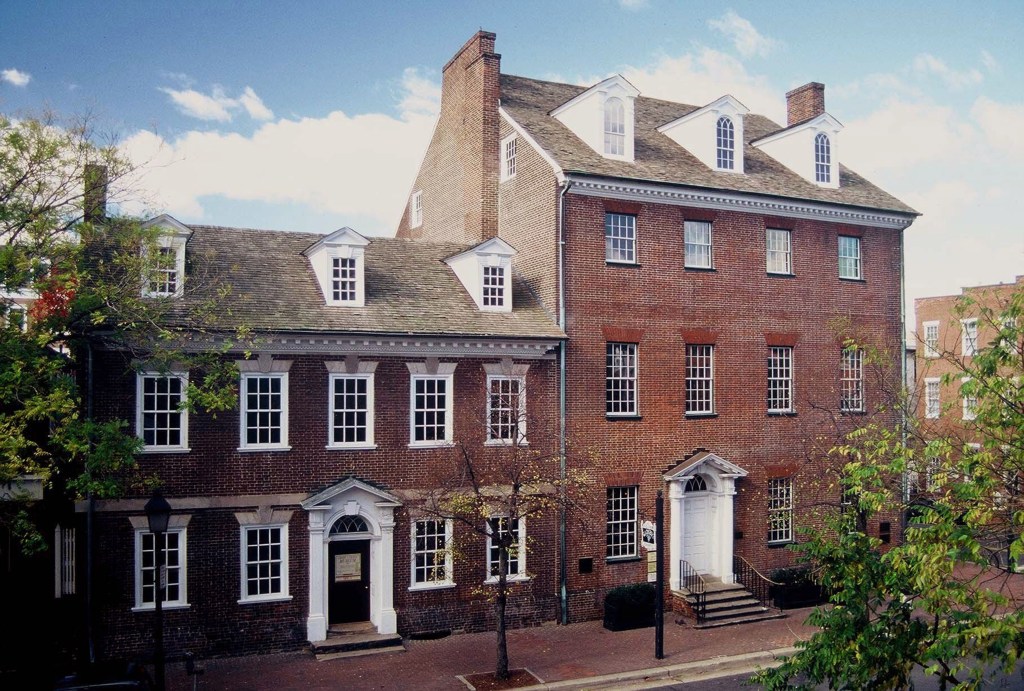
IMG_2250
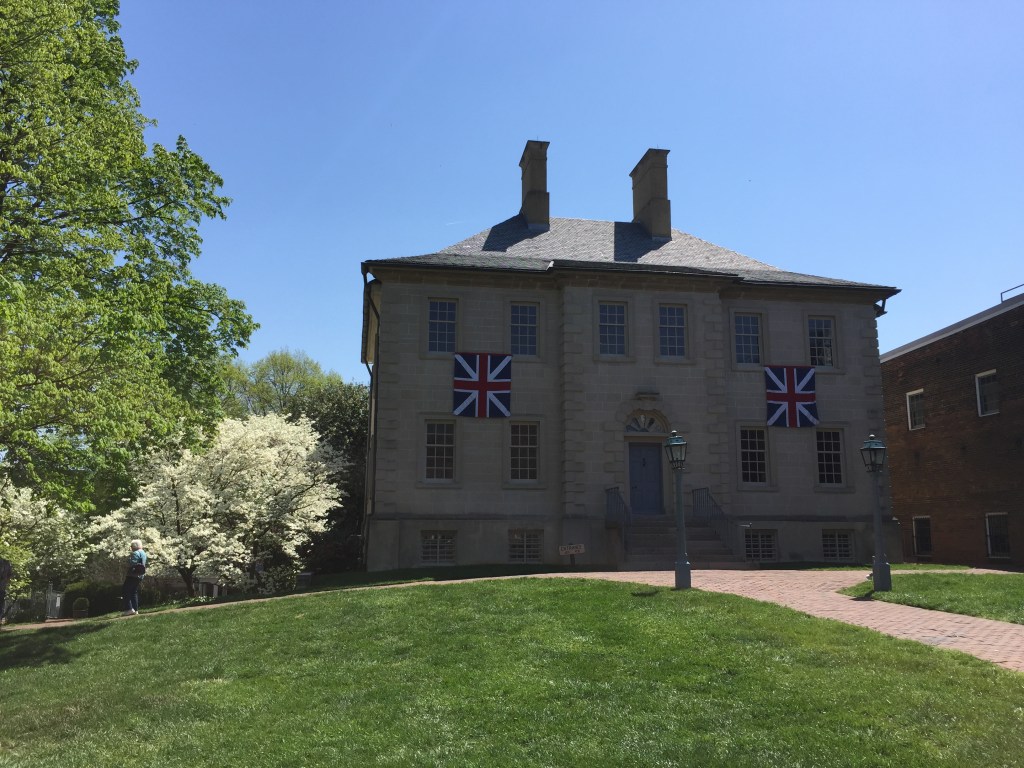
Carlyle House from the Front (Author Photo)

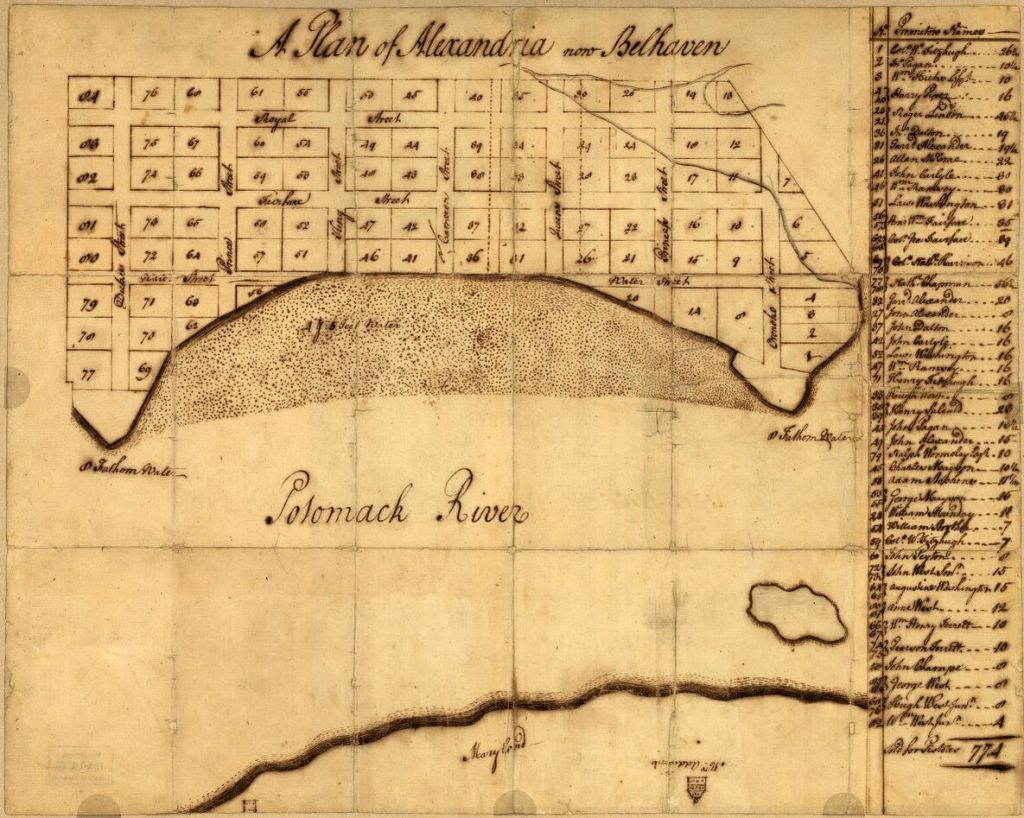
William Griffith’s examination of the Carlyle House Congress last month (The Carlyle House Congress and Britain’s Military Objectives for 1755) reminded me that I had been remiss in not visiting the site.   So, the family and I set off for Alexandria, VA and a visit to John Carlyle’s home.

Continue reading “Visiting Carlyle House”

Review: European Armies of the French Revolution, 1789–1802 (Campaigns and Commanders Series) Edited by Frederick C. Schneid

ERW Book Reviews (1)

Emerging Revolutionary War welcomes back guest historian Bill Backus

The American Revolution ultimately set in motion a chain of events that transformed not only society in the Americas but also back in the Old World.  Six years after the United States gained independence, revolution broke out across France.  While Americans focused on building a new nation, across the Atlantic the French Revolution sparked a series of wars subsequently known as the French Revolutionary Wars.  Eventually after many years of combat and political chaos, a young army officer named Napoleon Bonaparte emerged as the new Emperor of France.  Led by the Emperor the French army and nation embarked on a series of new wars that spread from Spain to Russia.  From the beginning of the French Revolution to the defeat of Napoleon at Waterloo, Europe was at war for nearly 26 years, or nearly the entire lives of people born during the American Revolutionary period.

51T9s0CvA5L._SX331_BO1,204,203,200_
European Armies of the French Revolution, 1789–1802 (Campaigns and Commanders Series) by Frederick C. Schneid

While Napoleon’s French Empire is widely known on both sides of the Atlantic, the wars that allowed Napoleon’s ascent to power are less prominent.  Concerned that revolution could spread to the rest of continental Europe, Revolutionary France found itself engaged fighting the European status co intent on restoring the Bourbon monarchy in France.  Over the course of years war and peace ebbed and flowed in Europe, with war sometimes sparked by the French in hopes of unifying a splintered public. In “European Armies of the French Revolution, 1789-1802”, historian Frederick Schneid has organized a study exploring the role of some of the prominent European armies in this period.  Collaborating with noted scholars in their respective fields, the essays explore the armies of the nation-states of France, Prussia, Austria, Russia, Great Britain, Spain, and the Ottoman Empire, along side the various German principalities and the armies of the Italian states. Continue reading “Review: European Armies of the French Revolution, 1789–1802 (Campaigns and Commanders Series) Edited by Frederick C. Schneid”